
Selecting the right outdoor solar Christmas lights in the Philippines requires balancing festive aesthetics with the harsh realities of a tropical climate. To ensure your holiday display remains bright and functional throughout the festive season, you must prioritize high weather resistance, efficient solar panel technology, and adequate battery capacity. The unique local environment—characterized by intense heat, high humidity, and sudden torrential rains—demands careful evaluation of these technical specifications before making a purchase.
By focusing on verified manufacturer specifications rather than marketing catchphrases, you can avoid the common pitfalls of premature product failure. This guide outlines the essential technical details, installation safety boundaries, and smart shopping strategies to help you choose durable, high-performing solar lighting for your home.
Quick Guide: Core Specifications for Outdoor Solar Lights
Evaluating outdoor solar Christmas lights involves analyzing three primary pillars: weather resistance, power efficiency, and lighting performance. In the Philippines, the holiday season begins early in the “Ber” months, a transition period where heavy monsoon rains and high humidity are still common. Standard indoor decorative lights or low-quality outdoor alternatives will quickly fail when exposed to these demanding conditions.
Products mentioned in this guide
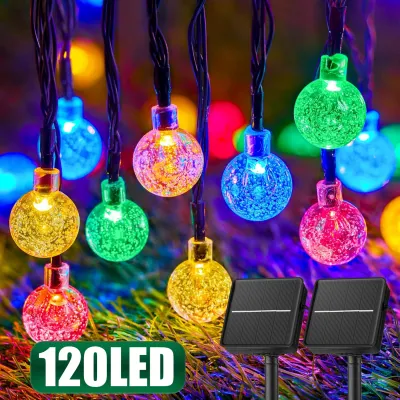
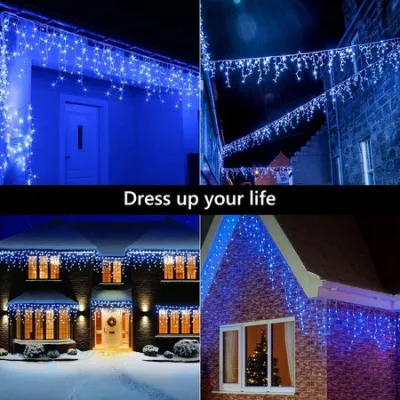
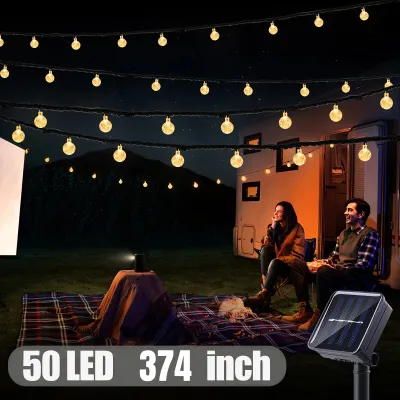
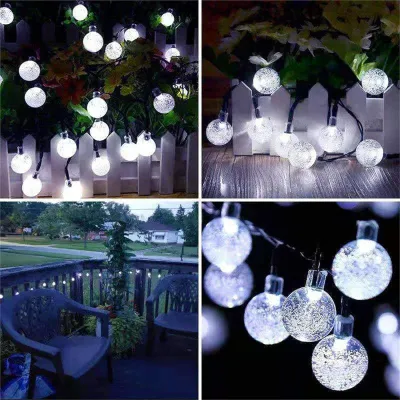
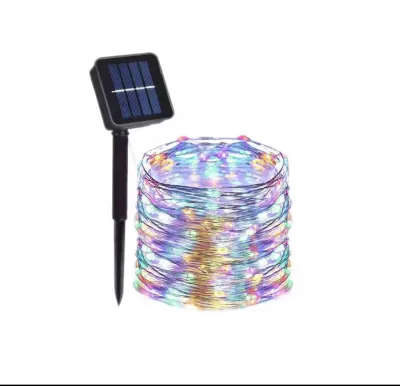
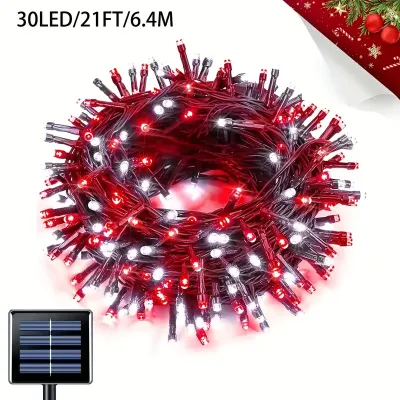
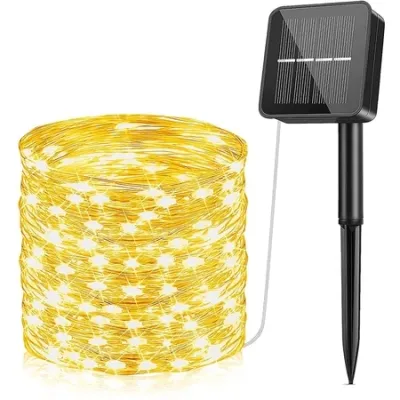
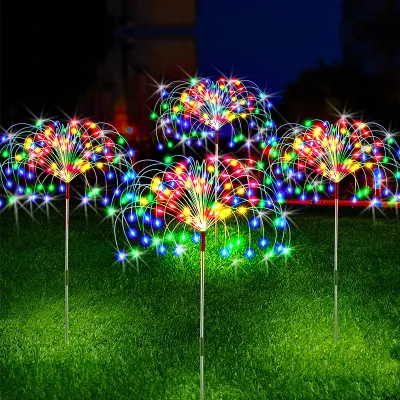
Prices are valid at publication and may change. Please refer to the product page for the latest price.
To secure a system that lasts for multiple seasons, you must look beyond the product title on e-commerce platforms. Always verify the specific Ingress Protection (IP) rating, the solar panel material, the battery capacity in milliampere-hours (mAh), and the physical build quality of the wiring. Taking a few minutes to check these details on the product label or technical data sheet ensures your investment can withstand the local climate.
Weather Resistance: Choosing the Right Waterproof Rating
Understanding IP Ratings
When installing electrical decorations outdoors, water and dust protection are your primary defenses against short circuits and hardware failure. Ingress Protection (IP) ratings consist of two digits that indicate how well the housing seals out foreign objects and moisture. The first digit (ranging from 0 to 6) measures protection against solids like dust, while the second digit (ranging from 0 to 8) measures protection against liquids.

For outdoor holiday setups exposed to the elements, look for a minimum rating of IP44, which protects against splashing water from any direction. However, in regions prone to heavy tropical downpours, upgrading to IP65 or IP67 is highly recommended. An IP65-rated enclosure is dust-tight and can withstand low-pressure water jets, ensuring that even the most intense monsoon rains will not penetrate the housing.
Component-Specific Protection
It is common for different parts of a solar light set to carry different IP ratings. While the LED light string itself might be highly water-resistant (often rated IP65), the solar panel housing, battery compartment, and physical control switches may only carry an IP44 rating.
Always review the manufacturer’s manual to identify these differences. If the battery box has a lower water-resistance rating, you must take extra precautions during installation, such as placing the controller box in a semi-sheltered area or elevating it off the ground to prevent contact with standing water.
Material Durability
Continuous exposure to intense tropical sunlight can degrade cheap plastics within a single season, causing wire insulation to crack and water to seep inside. Ensure the light set utilizes UV-resistant cable jackets, typically made of thick PVC or rubberized materials, to prevent sun damage.
Additionally, high relative humidity and salty sea air in coastal Philippine provinces accelerate the corrosion of metal components. Opt for light sets featuring rust-proof connectors, sealed joints, and copper-alloy wiring to maintain reliable electrical conductivity over time.
Safety Boundary
No consumer-grade seasonal lighting is entirely immune to extreme weather events. During severe typhoons or active weather alerts, follow the manufacturer’s instructions to temporarily take down your outdoor decorations. If removal is not possible, ensure that all electrical connections are isolated, the solar panel is securely anchored, and the battery box is positioned well above any potential flood lines.
Powering the Lights: Solar Panel Efficiency and Battery Capacity
Solar Panel Types
Solar Christmas lights rely on small photovoltaic panels to collect energy during the day. The two most common panel types found in consumer product specifications are monocrystalline and polycrystalline silicon.
- Monocrystalline Panels: These panels feature a uniform, dark appearance and offer higher energy conversion rates per square inch. They are highly efficient and perform better under overcast skies or indirect sunlight, making them the superior choice for the cloudy rainy season.
- Polycrystalline Panels: Recognizable by their speckled blue hue, these panels are more budget-friendly but have lower conversion efficiency. They require longer exposure to direct, unobstructed sunlight to achieve a full charge, which can be a limitation during stormy weeks.
Battery Capacity Matching
The operating time of your holiday lights depends directly on the relationship between battery capacity and the power consumption of the LED string. Battery capacity is measured in milliampere-hours (mAh), and the storage cell is typically housed within the solar panel casing.
Avoid product listings that claim unrealistic runtimes, such as 24 hours of continuous light on a tiny 600mAh battery. For a standard string of 100 to 200 LEDs, look for a battery capacity of at least 1200mAh to 1800mAh to ensure the lights can remain illuminated for 6 to 8 hours after a typical day of charging.
Placement and Charging Requirements
To function correctly, the solar panel must be positioned where it receives direct, unobstructed sunlight for at least 6 to 8 hours daily. Before installing your lights, observe the sun patterns in your yard, balcony, or roofline throughout the day.
If your desired decorating area is heavily shaded by trees, awnings, or neighboring walls, look for a light set with a generous lead wire. This allows you to mount the decorative light string in the shade while placing the solar panel in a sunny, unshaded spot nearby.
Wet Season and Sensor Features
Automatic dusk-to-dawn sensors are standard in quality solar lights, turning the LEDs on when ambient light drops and switching them off at sunrise to conserve power. Because the Philippine holiday season often overlaps with cloudy weather, look for models that explicitly mention low-light charging capabilities or optimized performance on overcast days. These systems use advanced charge controllers to maximize energy absorption even when the sun is partially blocked.
Brightness, Color Temperature, and Lighting Modes
Evaluating Brightness
Unlike mains-powered holiday lights, solar-powered versions are designed to operate within strict power budgets, which can affect their overall brightness. To evaluate the potential light output, check the total LED count, the physical size of the bulbs, and the lumen rating if provided by the manufacturer.
For subtle accent lighting along pathways or garden borders, smaller fairy-style micro LEDs are highly effective. If you want to illuminate a large home facade or a spacious outdoor garden, prioritize larger bulb designs, such as G40 globe lights, which offer wider light distribution and higher visual impact.
Color Temperature and Aesthetics
Choosing a color temperature is a matter of personal preference and should complement your existing outdoor lighting scheme. Warm white lights (typically 2700K to 3000K) create a cozy, traditional, and inviting holiday atmosphere. Cool white lights (6000K and above) offer a bright, modern look with high visibility, while multicolor (RGB) options deliver a vibrant, playful festive energy. Ensure all the light sets you purchase for a single area share the same color temperature to maintain visual consistency.
Lighting Modes and Memory
Many outdoor solar light sets feature multiple operational modes, ranging from steady illumination to various flashing, fading, and twinkling patterns. When comparing options, check the product specifications for a built-in memory function.
Without a memory chip, the solar controller will reset to its default setting—often a rapid, distracting flashing mode—every time the unit powers down and restarts at dusk. A memory function ensures your preferred, calm lighting pattern is preserved night after night without manual intervention.
Beam Angle and Bulb Design
The physical shape of the LED bulb dictates how light is dispersed across your outdoor space. Traditional mini-bulbs focus light in a narrow, directional beam, which is ideal for wrapping tree trunks or defining sharp lines along railings. Conversely, wide-angle conical bulbs or frosted globe designs scatter light evenly in all directions, softening the glare and providing a richer visual texture when viewed from different angles.
String Length, Wire Durability, and Safe Installation
Accurate Measuring
Before purchasing any light set, measure the physical dimensions of the area you plan to decorate, whether it is a balcony railing, a garden fence, or a large tree. When calculating the required length, always distinguish between the “total length” of the product and the “lighted length.”
Quality solar light sets include a substantial “lead wire”—the unlit portion of the cable running from the solar panel to the very first LED bulb. Ensure the lead wire is long enough to reach your designated solar panel mounting spot, and add roughly 10% to 15% extra length to your measurements to account for slack, wrapping, and natural draping.
Wire Quality and Wind Resistance
During the late-year monsoon transition, outdoor decorations must withstand strong, gusty winds. Thin, fragile wires can easily snap, stretch, or become hopelessly tangled when hung across open spaces.
Look for heavy-duty, multi-strand copper wiring protected by thick, flexible insulation. Double-insulated cables or commercial-grade rubber cords offer the structural integrity needed to hang suspended loads safely without the risk of physical tension breaking the internal copper conductors.
Safe Mounting Practices
To preserve the lifespan of your solar lights and protect your home, use safe, non-destructive mounting hardware. Secure the light strings using UV-stabilized plastic zip ties, dedicated outdoor cable clips, or removable adhesive hooks designed for exterior use.
Never use metal staples, nails, or screws to secure the wires directly to wooden posts or walls. Piercing or pinching the protective outer insulation creates an immediate path for water ingress, leading to internal short circuits, rapid wire corrosion, and potential electrical shock hazards.
Electrical and Structural Safety
While solar lighting systems operate on safe, low-voltage DC power (typically 1.2V to 5V), physical installation still requires careful safety practices. Always turn off the power switch on the solar controller before handling the wires or climbing to install the display.
For high installations, such as second-story rooflines or tall palm trees, prioritize ladder safety by working with a partner on stable ground. If the installation area is difficult to reach safely, involves working near active overhead utility lines, or requires complex structural mounting, consult a qualified professional installer to complete the job.
How to Verify Quality and Specs on E-commerce Platforms
Reading Beyond the Title
When browsing online marketplaces, you will frequently encounter keyword-stuffed titles designed to attract clicks rather than convey accurate information. A title claiming “Super Bright Waterproof Heavy Duty Solar Lights” may lead to a product page for a basic, low-spec item.
Scroll past the promotional banners and locate the technical specifications table or the product manual images. Look for concrete, standardized metrics: an explicit IP rating (such as IP65), a defined battery capacity (such as 1200mAh), and the precise physical dimensions of both the wire and the solar panel.
Analyzing User Reviews
Customer reviews provide valuable insight into how a product performs under real-world conditions. Filter the product reviews to show only those “with photos” or “with videos” to verify the actual brightness, color accuracy, and build quality of the lights.
Pay close attention to reviews written after several weeks or months of use. Look for feedback regarding how the lights handle heavy rain, whether the battery retains its charge over time, and if any rust or water ingress occurred after exposure to humid, outdoor environments.
Identifying Red Flags
Be skeptical of listings that make physically impossible performance claims. For example, a standard-sized solar panel charging a small battery cannot power a high-density LED string for “72 hours non-stop” on a single charge.
Other red flags include missing or vague technical specifications, product images that appear heavily edited to inflate the scale of the lights, and listings that lack clear warranty or return policies. If a seller cannot provide basic technical details about the IP rating or battery type, it is best to look for alternative options.
Seller Credibility
To protect your purchase, buy from official brand stores, authorized distributors, or highly rated local sellers with established track records. Reputable sellers are more likely to offer genuine products that carry legitimate electrical safety certifications (such as CE or RoHS marks on the battery box).
Furthermore, purchasing from established sellers ensures you have access to reliable customer support, straightforward return windows, and warranty replacement services if the solar panel, internal battery, or light controller fails prematurely.
Frequently Asked Questions (FAQ)
Can I leave solar Christmas lights outside all year round?
While high-quality outdoor solar lights are engineered to resist water and dust, leaving them exposed to the elements year-round will accelerate their wear. Continuous exposure to intense tropical UV rays, high humidity, and seasonal monsoons eventually degrades the plastic insulation, dulls the solar panel cover, and weakens the battery seals. To maximize the lifespan and usability of your holiday decorations, it is highly recommended to take them down, clean them gently, and store them in a cool, dry indoor space once the festive season concludes.
Do solar Christmas lights work if the panel is under a roof?
Solar panels require direct, unobstructed sunlight to generate the voltage needed to charge the internal battery. If you place the solar panel completely under a roof, awning, porch, or dense tree canopy, it will not receive enough solar radiation to charge, and the lights will fail to turn on at night. If you must decorate a shaded or covered area, select a solar light set equipped with a very long lead wire. This allows you to install the decorative string under the cover while mounting the solar panel in an open, sunny spot.
How do I clean the solar panel to maintain efficiency?
Over time, dust, pollen, bird droppings, and atmospheric grime can accumulate on the surface of the solar panel, blocking sunlight and reducing charging efficiency. To keep your system operating at peak performance, regularly wipe the panel face with a soft, clean, damp microfiber cloth. Avoid using harsh household chemicals, abrasive scrubbing pads, or high-pressure water sprays, as these can permanently scratch the protective outer coating or force moisture past the housing seals, ruining the internal electronics.
Community discussion
Share your experience or ask a question. Comments are reviewed before publication.