
Selecting a garden solar light with stand requires balancing aesthetic appeal, structural stability, and reliable electrical performance. Because these outdoor fixtures rely entirely on self-generated power and remain fully exposed to the elements, making an informed purchase involves looking past basic marketing claims. You must evaluate specific technical features such as stand height, base anchoring mechanisms, solar panel conversion rates, battery chemistry, and weatherproofing standards.
In tropical environments like the Philippines, where intense UV rays, high humidity, and heavy monsoon rains are common, these specifications dictate whether your light will function reliably for years or fail after a few months. Understanding how these components interact allows you to select a fixture that matches your landscape layout while standing up to challenging outdoor conditions.
Quick Reference: Essential Specs for Freestanding Solar Lights
Evaluating freestanding solar lights involves checking several critical specifications on the manufacturer’s label. Use this quick checklist to compare potential models before making a purchase:
Products mentioned in this guide
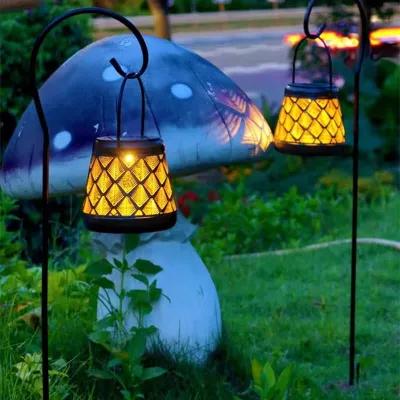
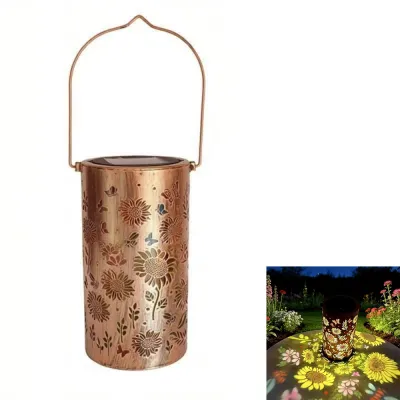
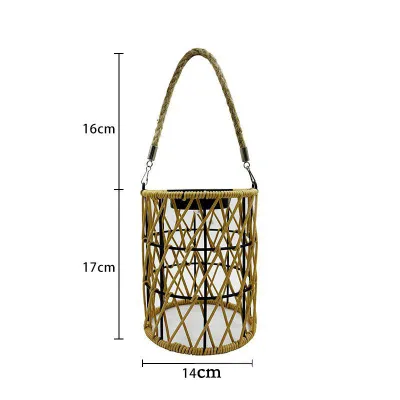
Prices are valid at publication and may change. Please refer to the product page for the latest price.
- Stand Height: Ranges from 30 cm (short stakes) to over 2 meters (tall poles).
- Weather Resistance: Look for a minimum rating of IP65; IP66 or IP67 is preferred for open, unsheltered areas.
- Solar Panel Type: Monocrystalline panels are highly recommended for their superior conversion efficiency, especially under overcast skies.
- Battery Chemistry: Lithium Iron Phosphate (LiFePO4) or Lithium-ion (Li-ion) batteries are superior to older Nickel-Metal Hydride (NiMH) options in terms of lifespan and charge retention.
- Base Type: Ground spikes for soft soil, or weighted, wide, bolt-down bases for hard surfaces like concrete pavers.
These specifications do not operate in isolation. A high-efficiency panel is useless without a battery of sufficient capacity to store the generated power, and a bright LED will quickly drain a small battery. Always verify the physical specification sheets and certified testing labels on the product packaging rather than relying on generic packaging promises.
Stand Height and Base Stability: Matching Your Landscape
Selecting the correct pole height and base design ensures your garden solar light with stand fits your landscape layout and remains secure. Before purchasing, measure the intended installation zone and identify your primary lighting goal. If you want to illuminate a low-lying garden bed, a tall pole will cast light too widely, diluting the effect. Conversely, using a short stake to light a large patio area will leave most of the space in shadow.

Physical stability is another critical factor for freestanding fixtures. Unlike wall-mounted lights, freestanding poles are highly susceptible to wind resistance and accidental physical contact. The base design must match the ground surface of your installation site to prevent the fixture from tipping over, bending, or suffering structural damage.
For any installation involving work at height, anchoring tall stands, or working near damp areas and existing electrical lines, ensure you isolate the power source, follow the manufacturer’s exact installation instructions, or consult a qualified professional.
Short Stakes vs. Tall Freestanding Poles
Short stake lights typically range from 30 to 60 centimeters in height. These low-profile fixtures are designed to direct light downward, making them ideal for lining narrow walkways, highlighting flower beds, or defining the edges of a driveway. Because they sit close to the ground, they blend seamlessly into low vegetation and do not disrupt the natural daytime view of your garden.
Tall freestanding poles, often measuring between 1.5 and 2.4 meters, serve as focal points and mimic traditional streetlamps. These taller fixtures are designed to provide broad area illumination, making them suitable for patios, spacious lawns, or security zones. When planning your landscape design, consider how these tall structures will look during the day; they should complement your home’s exterior architecture rather than cluttering the visual horizon.
Base Stability and Wind Resistance
Tall freestanding lights act as sails during high winds, meaning their base design must be robust enough to counteract lateral forces. When evaluating a fixture, compare the base weight and footprint width relative to the overall pole height. A top-heavy light with a narrow, lightweight base is highly prone to tipping, which can shatter the light head or crack the pole.
For installation on soft soil or grass, look for heavy-duty, multi-pronged ground spikes made of metal rather than thin plastic. If you are placing a tall stand on hard surfaces like concrete pavers, timber decking, or stone patios, choose a base with pre-drilled bolt holes. This allows you to secure the stand using masonry anchors or wood screws, ensuring permanent stability.
Safety is a paramount consideration if you have children or pets who play in the yard. In high-traffic zones, avoid lightweight, unanchored stands that can easily be knocked over. Ensure all structural joints are securely tightened, and regularly inspect the base for any signs of loosening or soil erosion around the spikes.
Solar Panel Efficiency and Battery Capacity
The performance of your garden solar light with stand depends entirely on its ability to generate and store its own electricity. A high-quality light requires a well-matched solar panel and battery system to ensure consistent nighttime illumination. This balance is particularly crucial during the rainy season or on heavily overcast days when direct sunlight is limited.
Understanding the technical ratings of solar panels and batteries prevents you from buying a fixture that runs out of power after only an hour or two of operation. By matching the power generation capability with the storage capacity, you can ensure your outdoor spaces remain safely lit throughout the night.
Panel Types and Placement
Solar panels used in garden lights are generally categorized into monocrystalline and polycrystalline types. Monocrystalline panels feature a uniform, dark appearance and offer the highest conversion efficiency, typically converting 15% to 22% of sunlight into usable electricity. Polycrystalline panels, recognizable by their speckled blue look, are cheaper to produce but have lower efficiency, usually between 13% and 16%.
You must also choose between integrated panels and separate panels. Integrated panels are built directly into the top of the light head, offering a clean, cable-free aesthetic but requiring the entire fixture to be placed in direct sunlight. Separate panels are connected to the light fixture by a weather-resistant cable, allowing you to position the light stand in a shaded patio or under a tree while placing the solar panel on a sunny roof or open lawn.
To maximize sun exposure in partially shaded gardens, look for stands that feature adjustable panel mounts. Being able to tilt and rotate the panel ensures you can capture the optimal angle of the sun, which is especially important as the sun’s path changes throughout the year.
Battery Chemistry and Capacity
Modern solar lights utilize several rechargeable battery chemistries, with Lithium Iron Phosphate (LiFePO4) and Lithium-ion (Li-ion) being the most reliable options. These lithium-based chemistries offer superior depth of discharge, longer lifespans of up to 1,000 charge cycles, and excellent performance in warm climates. In contrast, older Nickel-Metal Hydride (NiMH) batteries are cheaper but degrade faster, typically lasting only 300 to 500 cycles before losing capacity.
Battery capacity is measured in milliamp-hours (mAh). To determine if a battery is sufficient, compare its mAh rating to the power draw of the LED light source. For example, a bright 300-lumen LED will require a battery capacity of at least 2000mAh to run continuously for eight hours, whereas a dim 50-lumen accent light can easily run on a 600mAh battery.
Always prioritize fixtures that feature user-replaceable batteries. Over time, all rechargeable batteries lose their ability to hold a charge; being able to swap out the old battery extends the lifespan of your expensive metal stand, saving you from replacing the entire fixture. When replacing batteries, always verify the manufacturer’s specified voltage, battery interface, wattage limits, and chemistry to ensure compatibility and safety.
Brightness, Color Temperature, and Lighting Modes
The visual appeal and functionality of your outdoor lighting depend on the brightness, color temperature, and operational modes of the fixture. Different zones of your garden require different lighting characteristics to create a balanced, welcoming atmosphere without causing harsh glare or light pollution.
Modern garden solar lights with stands offer a variety of settings that allow you to customize the light output. By selecting the right combination of lumens, color temperature, and automated modes, you can enhance both the safety and beauty of your property.
Lumens and Beam Angle
Brightness is measured in lumens, which indicates the total amount of visible light emitted by the source. For subtle accent lighting along flower beds, a range of 50 to 100 lumens is sufficient. Path and driveway lighting requires 100 to 200 lumens to ensure safe footing, while security lighting or broad area illumination requires 300 to 800+ lumens.
The beam angle and reflector design dictate how this light is distributed. A narrow beam angle creates a focused spotlight effect, ideal for highlighting a specific garden feature or statue. A wide beam angle distributes light over a larger area, which is preferable for patios and driveways. Look for fixtures with downward-facing reflectors to direct the light where it is needed and avoid blinding glare that can disturb neighbors.
Color Temperature Choices
Color temperature is measured in Kelvin (K) and describes the warm or cool appearance of the light. Warm white light (2700K to 3000K) produces a soft, yellowish glow that mimics traditional incandescent bulbs, making it ideal for cozy seating areas and relaxing garden paths. Cool white light (5000K to 6500K) emits a bright, bluish-white light that enhances contrast and visibility, making it highly suited for security zones and driveways.
Keep in mind that decorative styles, perceived color temperatures, and spatial lighting effects are subjective visual preferences rather than universal performance metrics. For a cohesive and professional landscape design, maintain color temperature consistency across all fixtures within the same visual zone. Mixing warm and cool white lights in the same area can create a disjointed, chaotic appearance.
Motion Sensors and Dusk-to-Dawn Modes
Automated features greatly enhance the convenience and energy efficiency of solar lights. Dusk-to-dawn sensors automatically turn the light on at sunset and off at sunrise, ensuring your garden is illuminated without manual intervention. Passive Infrared (PIR) motion sensors detect movement by measuring changes in heat signatures, making them excellent for security lighting.
Dual-mode operation is an excellent feature for conserving battery power, especially during consecutive rainy days. In this mode, the light remains at a dim, low-lumen ambient level throughout the night, but instantly brightens to maximum output when the motion sensor detects someone approaching. Look for models that allow you to adjust the motion detection range, sensitivity, and timer duration to prevent false triggers from passing pets or wind-blown foliage.
Build Quality and Weather Resistance for Tropical Climates
Outdoor lighting fixtures must endure relentless exposure to sun, rain, wind, and temperature fluctuations. In tropical environments, these challenges are amplified by high humidity levels and salt-laden air in coastal areas. Investing in high-quality materials and robust weatherproofing is essential to prevent premature corrosion, electrical shorts, and physical degradation.
When shopping for a garden solar light with stand, pay close attention to the construction materials and certified weather protection ratings. A cheap fixture may look appealing on an online marketplace, but poor build quality will quickly lead to water ingress and electrical failure.
Material Durability
The choice of housing material directly impacts the longevity of your light stand. Cast aluminum with a high-quality powder-coated finish offers excellent rust resistance, structural strength, and heat dissipation. Stainless steel (specifically grade 304 or 316) is highly durable and resistant to corrosion, making it ideal for coastal regions, though it requires occasional cleaning to prevent tea staining.
For budget-friendly options, UV-treated ABS plastic is a viable choice, as it resists fading and cracking under intense sunlight. Avoid cheap, untreated sheet metals or non-UV-stabilized plastics, which quickly become brittle, fade, and rust when exposed to tropical sun and heavy rain. Additionally, inspect the quality of the seals, silicone gaskets, and joints; these must be tight and flexible to prevent moisture from seeping into the delicate electrical compartments.
Ingress Protection (IP) Ratings
The Ingress Protection (IP) rating system is an international standard that classifies the degree of protection provided against dust and water. The rating consists of two digits: the first digit (0 to 6) represents protection against solid objects and dust, while the second digit (0 to 8) represents protection against liquids.
For fully exposed garden solar lights, a minimum rating of IP65 is required, indicating the fixture is completely dust-tight and protected against water jets from any angle. If your light stand is installed in an unsheltered area prone to heavy monsoon downpours or flooding, look for IP66 or IP67 ratings. Always check the manufacturer’s specification sheet for the exact IP rating, and understand that “water-resistant” is a vague marketing term that does not guarantee protection against heavy, driving rain.
Recommended Light Configurations for Different Garden Scenarios
To help you translate technical specifications into practical buying decisions, we have outlined three ideal configurations for common garden scenarios. Budget options typically cost under ₱1,000, mid-range models range from ₱1,500 to ₱3,500, while premium heavy-duty fixtures can exceed ₱4,000. When shopping, compare these profiles against locally available models to find the perfect match for your home.
Pathway and Driveway Lighting
For guiding foot traffic and vehicles safely, choose a mid-height stand (50 to 80 centimeters) to keep the light source below eye level, preventing glare. Opt for a warm white color temperature (3000K) with a downward-focused beam angle to illuminate the ground clearly. The ideal operational mode is a standard dusk-to-dawn setting, providing continuous, low-intensity visibility throughout the night.
Patio and Seating Areas
Creating an inviting atmosphere for outdoor dining or relaxation requires a taller freestanding pole (1.8 to 2.2 meters) to cast light over tables and chairs. Select a moderate brightness level (150 to 300 lumens) in a warm to neutral white color temperature (2700K to 4000K) to avoid harsh, unflattering shadows. Look for fixtures that offer dimming capabilities or adjustable brightness settings so you can easily transition from dining to a more relaxed ambiance.
Security and Dark Corners
To deter intruders and eliminate blind spots, choose a tall, robust pole (2 meters or higher) placed in an open, unsheltered location. This setup requires high brightness (500 to 800+ lumens) and a cool white color temperature (6000K) for maximum contrast and visibility. A highly sensitive PIR motion sensor is essential, paired with a dual-mode setting to conserve battery power until movement is detected. Ensure the fixture has a certified IP66 or IP67 rating to withstand severe weather.
Frequently Asked Questions (FAQ)
Can I replace the battery in a solar garden light?
Many modern solar garden lights feature user-replaceable batteries, typically accessed via a small panel on the light head. However, some cheaper or highly sealed units are completely glued shut, meaning the entire fixture must be discarded once the battery fails. Before buying, check the product manual or inspect the casing for visible screws. When replacing a battery, always match the exact voltage, capacity, and chemistry specified by the manufacturer.
How long do solar garden lights with stands typically last?
The lifespan of a solar light depends on its individual components. The LED light sources themselves are highly durable and can last for over 10,000 hours, which translates to several years of nightly use. However, the rechargeable batteries generally need replacement every 1 to 3 years. The physical stand can last anywhere from 1 year (for cheap plastics) to over 5 years (for powder-coated cast aluminum or stainless steel) depending on the material quality and exposure to harsh weather.
Do solar lights work on cloudy or rainy days?
Yes, solar lights can still charge on cloudy or rainy days because solar panels can utilize indirect and ambient light. However, their charging efficiency drops significantly—sometimes by 50% to 90% compared to a bright, sunny day. To ensure reliable performance during extended periods of bad weather, choose fixtures equipped with high-efficiency monocrystalline panels and larger battery capacities that can store enough reserve power to run for multiple nights.
Community discussion
Share your experience or ask a question. Comments are reviewed before publication.