
Adding a lava lamp to your condo is an excellent way to introduce warm, nostalgic, and organic motion to your living space. However, choosing the right model requires balancing aesthetic appeal with the unique spatial, thermal, and electrical constraints of modern condominium units.
Quick Answer: Essential Checks for Condo Lava Lamps
When shopping for a lava lamp for your condo, the most critical factors to verify are physical scale, heat management, and electrical compatibility. Ensure the lamp’s height matches your furniture scale, typically ranging from 14 to 17 inches for compact desks and nightstands. Because traditional lava lamps rely on heat to melt the wax, you must place them on stable, level surfaces with adequate clearance from walls and electronics.
Most importantly, verify that the lamp is rated for the standard 220V/60Hz electrical grid in the Philippines. Using an imported 110V model without a proper transformer will instantly destroy the bulb and create a fire hazard. Look for recognized electrical safety certifications on the base and power cord, and treat the lamp as a localized accent light rather than a primary illumination source.
Products mentioned in this guide
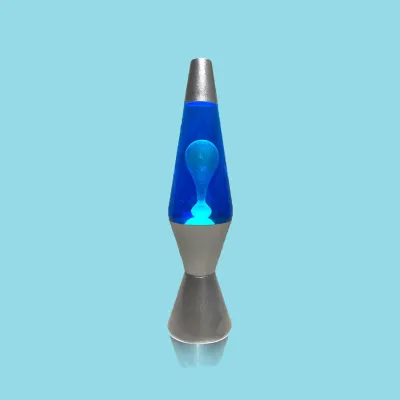
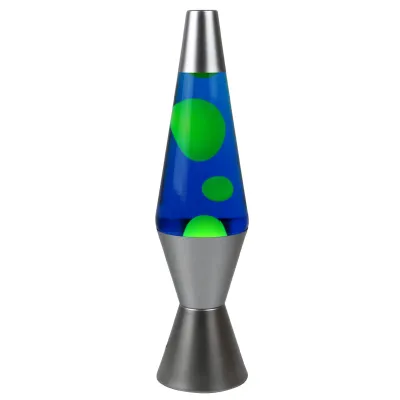
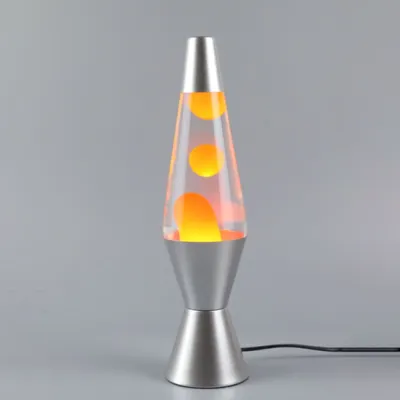
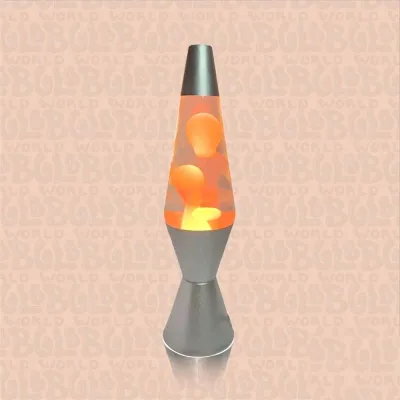
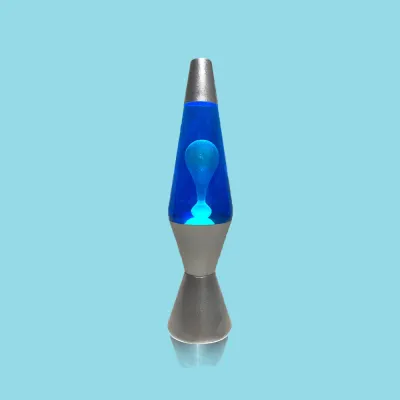
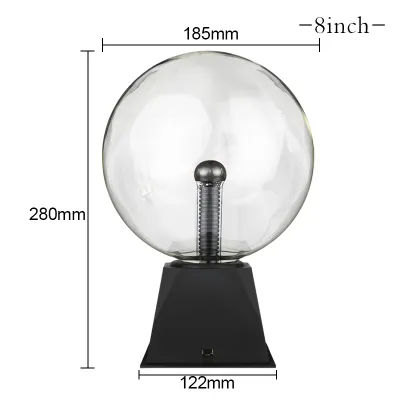
Prices are valid at publication and may change. Please refer to the product page for the latest price.
Evaluating Space, Heat, and Placement Suitability
Urban condo units, particularly studio and one-bedroom layouts, require careful space planning. A lava lamp is not just a visual accessory; it is a physical heat source that interacts directly with its immediate environment.

Size and Proportion Matching the lamp’s height to your furniture scale prevents the space from looking cluttered. Standard lava lamps typically range from 14 to 27 inches tall. A compact 14-inch or 14.5-inch model is highly recommended for small study desks, floating shelves, or bedside tables. Larger 20-to-27-inch models require a wider, more substantial base, making them better suited for dedicated living room TV consoles or heavy sideboards where they can stand safely without overwhelming nearby decor.
Heat Output in Compact Rooms Traditional lava lamps operate by using an incandescent bulb to heat and melt a proprietary wax mixture inside a glass globe. The surface of the glass can become hot to the touch during operation, often reaching temperatures between 45°C and 60°C. In a small or enclosed condo room, you must maintain at least 6 to 8 inches of clearance around the lamp. Keep it away from combustible materials such as books, curtains, paper documents, and heat-sensitive electronics like laptops, tablets, or Wi-Fi routers.
Surface Stability Condo furniture is often lightweight, modular, or multi-functional. Because a lava lamp features a heavy glass globe filled with liquid sitting on a narrow metal base, surface stability is paramount. Place the lamp on a sturdy, level surface that is completely free from vibrations. Avoid high-traffic zones, table edges, or surfaces that are easily bumped by pets, children, or daily activities. A tipped-over lamp can shatter, causing hot liquid and wax to spill, which can ruin laminate flooring or carpets.
Sunlight and Temperature Constraints The tropical climate of the Philippines introduces specific environmental variables for lava lamp placement. Never position your lamp in direct sunlight, such as on a windowsill or near a balcony door. Continuous exposure to UV rays degrades the liquid dye, causing colors to fade rapidly, and can permanently alter the consistency of the wax. Conversely, avoid placing the lamp directly in the path of cold drafts from split-type air conditioning units. Cold air cools the glass globe, preventing the wax from reaching the temperature required to melt and flow properly.
Electrical Compatibility and Safety Specifications
Operating any heat-generating appliance in a high-rise residential building requires strict adherence to electrical safety standards. Understanding the specifications of your lava lamp ensures both its longevity and your personal safety.
Voltage and Plugs The standard electrical grid in the Philippines operates at 220V/60Hz. However, many novelty lighting products sold on global e-commerce platforms are manufactured for the North American 110V standard. Plugging a 110V lava lamp directly into a local 220V outlet will instantly blow the bulb, damage the heating element, and pose a severe electrical short-circuit risk. Always verify that the product’s technical specifications explicitly state 220V compatibility. If you must use a 110V model, you must connect it to a high-quality, properly rated step-down transformer.
Wattage and Bulb Type Lava lamps do not use energy-efficient LED bulbs for their primary operation because LEDs do not emit enough thermal energy. Instead, they rely on specific incandescent or reflector bulbs, such as R39 or S11 shapes, to heat the wax. Always check the manufacturer’s maximum wattage limit printed inside the metal base. Installing a bulb with a wattage that is too low means the wax will remain a solid, cold clump. Using a bulb with a wattage that is too high can cause the lamp to overheat, leading to cracked glass, rapid wax breakdown, or electrical failures.
Cord Length and Outlet Access Condo units often have a limited number of electrical outlets, which can tempt residents to daisy-chain extension cords. Most lava lamps come equipped with a 5-to-6-foot power cord. Measure the distance from your chosen display spot to the nearest wall outlet beforehand. Avoid running the power cord under rugs, through high-traffic walkways, or pinching it behind heavy furniture, as physical wear can damage the insulation and expose live wires.
Safety Certifications To minimize electrical risks, inspect the lamp’s base, inline switch, and power cord for recognized safety certification marks. Look for international standards such as UL, CE, or local Philippine Standard (PS) and Import Commodity Clearance (ICC) marks on the packaging. These labels verify that the electrical components have been tested for continuous indoor use and heat resistance. Always isolate the power by unplugging the device before handling the bulb, cleaning, or performing any maintenance. Additionally, never operate a lava lamp in damp environments like condo bathrooms or outdoor balconies.
Selecting the Right Aesthetics and Ambient Effect
Once you have verified the safety and spatial requirements, you can focus on how the lava lamp integrates with your condo’s interior design and lighting scheme.
Wax and Liquid Color Combinations The visual impact of a lava lamp depends heavily on its color scheme. High-contrast combinations, such as neon yellow wax in deep blue liquid or red wax in green liquid, create a vibrant, energetic focal point that immediately draws the eye. If you prefer a more relaxing, sophisticated atmosphere for a bedroom or a cozy reading nook, opt for low-contrast or monochromatic pairings, such as white wax in clear liquid, or soft pink wax in purple liquid. These combinations offer a gentler, more soothing visual rhythm.
Base and Cap Finishes The metallic or painted finish of the lamp’s base and top cap should complement your existing condo decor. A brushed chrome, silver, or polished steel finish fits seamlessly into modern, minimalist, or industrial interiors. If your condo features warm wood tones, brass accents, or bohemian decor, a gold, brass, or copper-finished base will blend in beautifully. For a sleek, contemporary, or high-tech aesthetic, a matte black finish provides a subtle, unobtrusive look.
Liquid Clarity When purchasing a lava lamp online or receiving a local delivery, inspect the liquid clarity immediately upon unboxing. The liquid surrounding the wax should be perfectly transparent. Cloudy liquid is a common quality issue caused by shaking the lamp while hot, freezing temperatures during shipping, or age-related chemical breakdown. Because cloudy liquid rarely clears up on its own and significantly diminishes the visual appeal, it is best to check the return policy of your retailer and request a replacement if the product arrives cloudy.
Role in Ambient Lighting A lava lamp is classified as decorative accent lighting; it does not provide functional illumination for reading, cooking, or working. To achieve a balanced, comfortable environment, layer your lighting. Combine the localized, warm glow of your lava lamp with other ambient sources, such as warm-toned LED strip lights installed behind your television, dimmable floor lamps, or small table lamps. This layering technique allows you to turn off bright overhead fixtures in the evening, creating a cozy, sunset-like atmosphere without sacrificing overall visibility.
Safe Operation and Maintenance in a Condo Environment
Proper usage and regular maintenance are essential to keep your lava lamp operating safely and to extend the lifespan of the wax and liquid.
Warm-up and Cool-down Times Operating a lava lamp requires patience. When first turned on, the lamp can take anywhere from 2 to 4 hours for the wax to heat up, melt, and begin flowing smoothly. During the initial heating phase, the wax often forms unusual, spiky, or pillar-like shapes; this is a normal part of the melting process. To prevent the wax from breaking down permanently, do not run the lamp for more than 8 to 10 hours continuously. Overheating causes the wax to separate into small, floating bubbles that will no longer merge or flow correctly.
Moving and Handling The most critical rule of lava lamp ownership is to never move, tilt, or shake the lamp while it is turned on or still warm. Shaking a hot lamp mixes the liquefied wax with the liquid medium, permanently clouding the water and ruining the visual effect. Always turn the lamp off and allow it to cool completely for at least 2 to 3 hours until the wax has fully solidified at the bottom before moving it to a new location.
Bulb Replacement When the bulb eventually burns out, ensure the lamp is unplugged and completely cool before attempting a replacement. Refer to the manufacturer’s instructions for the exact bulb specifications, including the voltage, wattage, and base type (such as an E14 or E12 screw base). Carefully unscrew the old bulb and install the new one, making sure not to touch the glass of the bulb with bare hands if using halogen variants, as skin oils can cause the bulb to fail prematurely.
End-of-Life Disposal If your lava lamp breaks or the wax stops flowing permanently, handle its disposal with care. Never pour the liquid or wax down your condo’s plumbing drains, sinks, or toilets. The wax will cool instantly upon contact with water in the pipes, solidifying and creating severe blockages that require professional plumbing intervention. Instead, let the wax cool and solidify completely, seal the components in a leak-proof container, and dispose of them according to your building’s or local municipality’s solid waste guidelines.
Frequently Asked Questions (FAQ)
Can I leave my lava lamp on overnight while I sleep?
No, you should not leave a traditional heat-based lava lamp running overnight or while you are asleep. Because these lamps rely on continuous heat generation to melt the wax, running them beyond the recommended 8-to-10-hour limit increases the risk of overheating. In a compact condo room, an unattended, overheated lamp can crack its glass globe or experience electrical failure. For safe overnight ambient lighting, look for modern LED-based mood lights that feature automatic shut-off timers.
Why is my lava lamp wax stuck at the top or bottom?
Wax stuck at the bottom in a solid clump or spiky shapes indicates that the lamp is not reaching its optimal operating temperature. This is usually caused by a cold ambient room temperature, such as direct drafts from an air conditioner, or a replacement bulb with a wattage that is too low. Conversely, if the wax forms a single large dome at the top of the globe and stops moving, the lamp has overheated. Turn the lamp off immediately and let it cool down for at least two hours.
Are LED lava lamps a better alternative for small condos?
LED-based or motorized glitter lamps are excellent alternatives if you want to eliminate heat output and warm-up times. These modern variations use energy-efficient LED bulbs and small internal motors to create swirling motion without generating significant heat, making them safer for small shelves, children’s rooms, or homes with pets. However, keep in mind that LED alternatives do not provide the classic, slow, organic rising-and-falling motion of traditional heated wax lamps.
Community discussion
Share your experience or ask a question. Comments are reviewed before publication.