
A tree waterfall light brings a dramatic, cascading glow to your living space, combining the organic structure of artificial branches with the shimmering effect of trailing LED strands. When shopping for a statement piece like the ligyetor tree waterfall light, you must evaluate several physical and electrical specifications to ensure the fixture is both safe and visually striking. Choosing the right decorative lamp requires balancing aesthetic preferences with technical realities, such as voltage compatibility, structural stability, and environmental ratings.
By focusing on these core elements, you can find a durable, high-performing light that enhances your interior design without introducing electrical hazards or structural instability. Taking the time to analyze these details beforehand ensures your investment remains a beautiful, safe focal point in your home for years to come.
Quick Checklist: Core Features to Verify
Before committing to a purchase on any online marketplace, running a quick diagnostic check on the product specifications will save you time and prevent safety issues. Use this core checklist to verify the baseline quality of any tree waterfall light:
Products mentioned in this guide
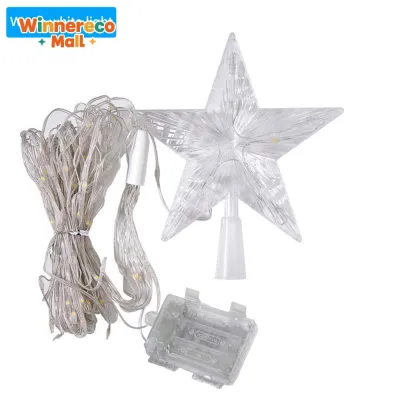
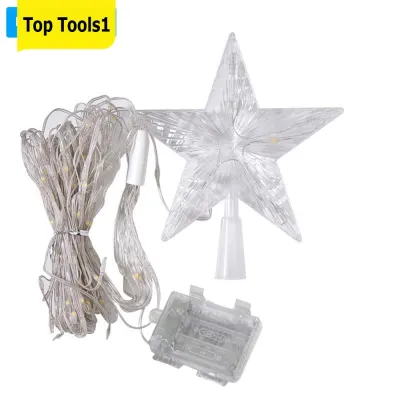
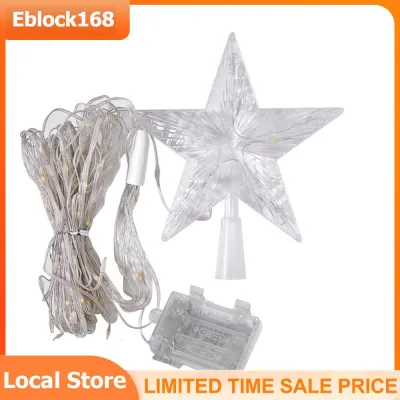
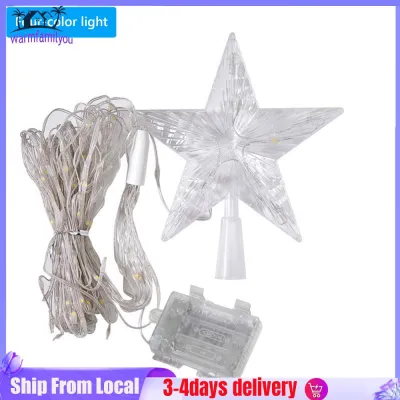
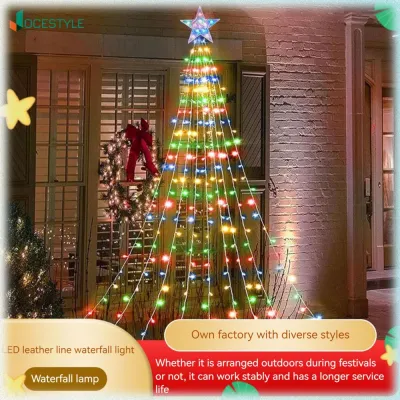

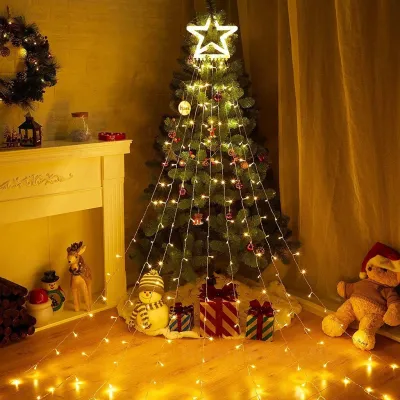
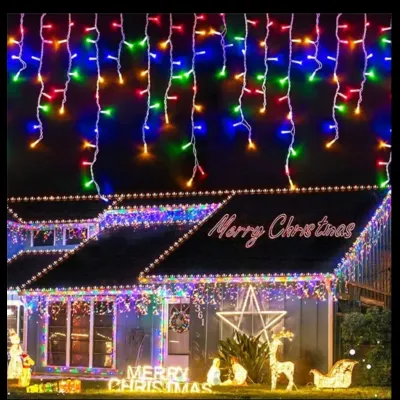
Prices are valid at publication and may change. Please refer to the product page for the latest price.
- Voltage Compatibility: Confirm the product is rated for 220V AC at 60Hz to match standard household outlets without requiring unsafe step-down transformers.
- Moisture Resistance Labels: Verify the IP (Ingress Protection) rating if you plan to use the lamp in semi-outdoor spaces, covered patios, or highly humid rooms.
- Base Stability: Look for a weighted, wide-profile base that prevents the top-heavy branch structure from tipping over easily.
- Strand Material Quality: Ensure the cascading waterfall strands are made of thick, insulated copper wire or high-grade optical fibers rather than thin, brittle plastics.
- Electrical Certification: Check the product label or manufacturer documentation for recognized safety certification marks.
Diagnosing Your Space: Size, Placement, and Climate
Selecting the perfect tree waterfall light requires a clear understanding of where the fixture will stand and how it will interact with your home’s microclimate. A lamp that looks stunning in a spacious showroom can easily overwhelm a compact room or suffer rapid degradation in a highly humid environment.

Sizing and Visual Proportions
Before purchasing, measure the exact floor footprint and ceiling clearance of your target area. Tree waterfall lights often feature wide, spreading branches that require ample clearance from surrounding furniture and walkways to prevent accidental bumps. Consider the visual weight of the fixture; a dense, highly saturated light display can dominate a small room, making the space feel cramped. Conversely, in a large living room or high-ceilinged hallway, a small or sparsely branched lamp may look disproportionately tiny and lose its decorative impact.
Aim for a balanced ratio where the height of the lamp leaves at least two feet of clearance from the ceiling, and the branch span allows for comfortable foot traffic around the base. If you are opting for a tabletop model, ensure the surface area of your table can accommodate both the base and the outward drape of the waterfall strands without spilling over the edges.
Indoor vs. Outdoor and Humidity Exposure
Environmental conditions play a critical role in the lifespan of decorative lighting, especially in tropical climates characterized by high ambient humidity and seasonal moisture. You must carefully review manufacturer labels to distinguish between indoor-only products and those rated for damp or outdoor environments. Placing a non-rated novelty lamp on a covered terrace or in a room without air conditioning can expose the delicate internal circuitry to moisture, leading to rapid degradation of non-sealed electrical components.
For semi-outdoor or high-humidity areas, look for an IP44 rating or higher, which indicates protection against splashing water and moisture ingress. If the product lacks an explicit moisture-resistance rating, restrict its use to fully enclosed, climate-controlled indoor spaces to prevent premature electrical failure. High humidity can cause slow corrosion on exposed metal contacts, eventually leading to short circuits or dead LED sections.
Electrical Specs: Voltage, Power, and Light Quality
The technical performance of your tree waterfall light depends entirely on its electrical configuration and light source quality. Verifying these specifications ensures safe operation and helps you achieve the precise visual atmosphere you desire.
Voltage and Plug Compatibility
In the Philippines, the standard household electrical supply is 220V AC at 60Hz. Many novelty lighting products sold online are manufactured for different regions and may use 110V configurations or non-standard plugs. You must verify that the driver, adapter, and plug match local standards before connecting the device to your wall outlet. Avoid using cheap, ungrounded step-down transformers or loose multi-plug adapters to bridge a mismatch, as these components can overheat under the continuous load of a high-power decorative light.
Ensure the power adapter is certified and features built-in overload protection to safeguard your home from voltage fluctuations. Connecting a 110V rated adapter directly to a 220V outlet will permanently damage the device and poses an immediate fire hazard. Always look for clear input voltage markings printed directly on the plug or power brick.
Light Source, Color Temperature, and Dimming
The visual appeal of a tree waterfall light relies heavily on its light source characteristics. Evaluate the LED color temperature to match your existing interior decor; warm white (2700K to 3000K) creates a cozy, inviting ambiance suitable for bedrooms and living rooms, while cool white (5000K or higher) offers a crisp, modern look. If you prefer dynamic lighting, check if the unit features built-in dimming or multiple pre-programmed lighting modes, such as cascading, fading, or steady-on patterns.
Keep in mind that most novelty lamps utilize dedicated inline controllers and are not compatible with standard household wall dimmer switches. Attempting to connect a standard LED tree lamp to a wall dimmer can damage the internal driver or cause persistent flickering. If dimming is a priority, ensure the product description explicitly states it includes a dedicated remote control or a compatible dimmable adapter.
Build Quality: Selecting a Durable Ligyetor Tree Waterfall Light
Because tree waterfall lights are structural fixtures with numerous delicate light points, their physical build quality directly affects their longevity and safety. Inspecting the materials and construction details helps you avoid fragile, poorly assembled products.
Base Weight and Branch Flexibility
A stable foundation is critical for any freestanding decorative lamp. Verify that the base is sufficiently weighted or features a wide, stable footprint to prevent the lamp from tipping over when bumped. This is particularly important in active households with pets or young children. A top-heavy design with a lightweight plastic base is a recipe for frequent falls, which can sever internal wiring.
Additionally, examine the construction of the branches; high-quality models feature flexible yet rigid internal wire cores that allow you to shape the canopy without weakening the joints. Avoid lamps with flimsy, loose-fitting branch connections that droop under their own weight or feel brittle when adjusted, as these joints are prone to snapping over time. The branch wrapping material should also be tightly adhered, with no loose edges or exposed wires.
Waterfall Strand Quality and Cable Integrity
The cascading “waterfall” effect is the defining feature of these lamps, making the quality of the individual light strands paramount. Inspect the strands—whether they are made of optical fibers or copper wire LED droops—for signs of tangles, dead spots, or brittle outer casings. High-quality strands should hang naturally and resist tangling during setup. Cheap, thin plastic casings can crack easily, exposing the conductive wire underneath to dust and moisture.
Pay close attention to the main connection point where the strands meet the branches; look for robust strain relief sleeves that prevent the wires from pulling loose or fraying. Because promotional images are often highly stylized, check real-world user photos on online marketplaces to see how the strands actually drape and behave under normal household conditions. Strands that look thick and uniform in photos may turn out to be sparse and uneven in reality.
Safety Limits and Installation Planning
Proper installation and adherence to safety boundaries are essential to enjoying your decorative lighting without risk. When planning the placement of your tree waterfall light, ensure it is positioned far from high-traffic zones where power cords could present a tripping hazard. Keep the fixture away from direct water sources, open windows, and flammable materials such as curtains or soft furnishings.
Always inspect the product packaging or the lamp’s power adapter for visible electrical safety certification marks, such as the Philippine Standard (PS) mark, the Import Commodity Clearance (ICC) sticker, or internationally recognized equivalent certifications like UL, CE, or RoHS. These marks indicate that the product has undergone rigorous safety testing for insulation, heat resistance, and electrical stability.
If your decoration plans involve fixed wiring, mounting the light at a significant height, or permanent outdoor installation, do not attempt to modify the power cables yourself. For any complex electrical integration, power-isolation setups, or structural mounting, always consult a licensed electrician to ensure compliance with local electrical codes and safety standards. Taking these precautions protects your home and ensures your decorative lighting operates safely.
Frequently Asked Questions (FAQ)
Can I leave a tree waterfall light on overnight?
You should check the manufacturer’s user manual for the maximum recommended continuous run time. While LED light sources generally remain cool to the touch, the power adapters, inline controllers, and transformers can generate significant heat over extended periods. To prevent overheating, never leave the lamp running unattended overnight, and ensure the power adapter is not covered by drapes, placed on soft carpets, or tucked behind tight furniture where airflow is restricted.
How do I clean the branches and light strands safely?
Before performing any maintenance, always unplug the unit from the wall outlet and allow the light source to cool completely. For regular maintenance, use a dry, soft microfiber cloth to gently dust the base, branches, and light strands. If the base has stubborn smudges, you may use a slightly damp cloth, taking care not to let moisture enter any electrical ports or joints. Never submerge any part of the lamp in water, avoid using compressed air on delicate optical fibers, and do not apply harsh chemical cleaners that could degrade the protective LED casing.
Community discussion
Share your experience or ask a question. Comments are reviewed before publication.