
To choose the right Omni Christmas lights for your home this holiday season, you must prioritize certified electrical safety, appropriate weatherproofing for your installation environment, correct voltage compatibility, and the physical layout of your space. Selecting the ideal set requires balancing technical specifications with your aesthetic goals to ensure a brilliant, hazard-free display.
In the Philippines, where the festive season starts early and tropical weather can bring sudden downpours, choosing the right holiday lighting is both a decorative and a safety decision. Taking the time to evaluate your options ensures your home stays bright, beautiful, and secure throughout the long holidays.
Quick Guide to Choosing Omni Christmas Lights
Selecting the perfect holiday lighting requires a balance of practical planning and safety checks. Before purchasing any light strands, you must verify three primary decision factors: power source compatibility, indoor or outdoor safety ratings, and the total coverage length needed for your display.
Products mentioned in this guide
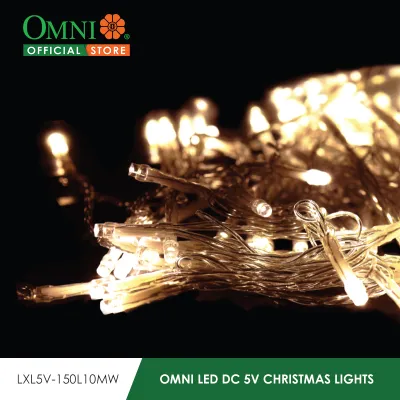
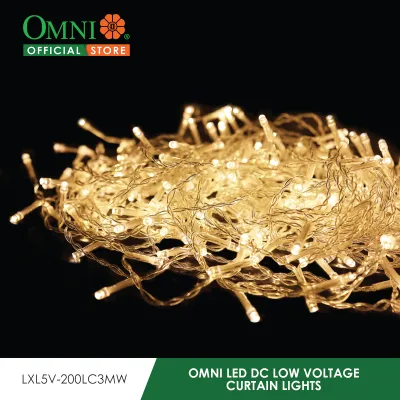
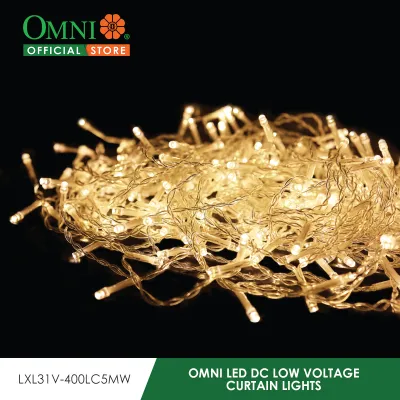
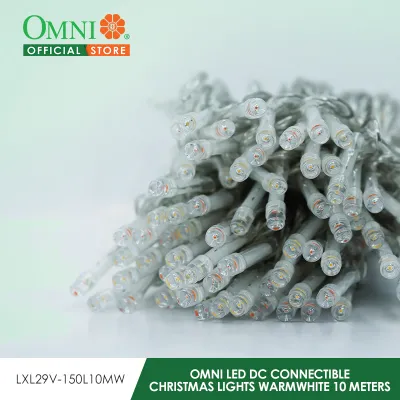
Prices are valid at publication and may change. Please refer to the product page for the latest price.
Always check the product packaging for official electrical safety certifications, such as local quality marks, which indicate the product has undergone rigorous testing. Verifying these details prevents common hazards like short circuits or overheating.
Proper planning is the key to a successful setup. Knowing your home’s electrical limits and measuring your decorating zones beforehand prevents overloaded circuits and ensures you buy the correct number of strands for a seamless look.
Understanding Omni Christmas Lights and Their Best Uses
When shopping, you will encounter the term “Omni” in two distinct contexts: as a highly recognized brand of high-quality electrical and lighting products in the Philippines, and as a term describing omnidirectional light distribution. Both aspects are crucial for holiday decorators seeking reliable, wide-angle illumination.

Omnidirectional holiday lights feature a bulb design that scatters light in a full 360-degree pattern. Unlike traditional directional mini lights that project a narrow beam forward, omnidirectional bulbs distribute a soft, even glow in all directions, making them highly visible from any angle.
This wide light spread makes these lights exceptionally well-suited for specific decorating scenarios. They are ideal for wrapping around the trunks of garden trees, draping over dense foliage, outlining rooflines, or creating rich, multi-dimensional window displays that look stunning from both inside and outside the home.
Key Electrical and Safety Specifications to Verify
Electrical safety must be your top priority when installing temporary holiday lighting. Before connecting any light strands to your home’s power supply, you must verify that the product’s voltage rating matches the standard 220-volt electrical system used in Philippine households.
Using lights with incompatible plugs or incorrect voltage ratings can damage the product and pose severe electrical hazards. Always look for flat, two-prong plugs that fit securely into your wall outlets without requiring unstable adapters.
Additionally, you must check the Ingress Protection (IP) rating printed on the packaging. This rating tells you exactly how well the light strand can resist dust and moisture, allowing you to distinguish between indoor-only models and those safe for outdoor exposure.
Power Source and Circuit Limits
To prevent tripped breakers or fire hazards, you must calculate the total power consumption of your light display. You can determine this by multiplying the wattage of a single strand by the total number of strands you plan to connect end-to-end.
Always use heavy-duty, outdoor-rated extension cords and weather-resistant power strips for any exterior setups. Ensure all connections are elevated off the ground to keep them away from pooling water or morning dew.
Safety Boundary: If your holiday display requires permanent outdoor wiring, dedicated circuit breakers, or heavy-load electrical configurations, stop immediately and consult a qualified professional electrician to handle the installation safely.
Indoor vs. Outdoor Weather Resistance
Matching the light strand’s environmental rating to its installation zone is critical for preventing short circuits. Look for clear label indicators on the packaging, such as “outdoor safe” or an IP44 rating, which signifies resistance to splashing water from any direction.
Never use indoor-rated lights in outdoor areas, even if they are placed under covered patios or balconies. High tropical humidity and wind-blown rain can easily penetrate indoor wire insulation, creating a serious shock hazard.
Before hanging any lights, perform a thorough physical inspection of the entire strand. Check the wire insulation for cracks, exposed copper, or fraying, and ensure the plug prongs are straight and firmly attached to the cord.
Design, Illumination, and Layout Features
Achieving the perfect holiday look depends on selecting the right visual characteristics and physical dimensions for your space. You must decide on the color temperature and color scheme that best complement your home’s architecture and existing decor.
Warm white lights offer a cozy, traditional glow that works beautifully on green Christmas trees and wooden structures. Cool white lights provide a bright, modern, and icy aesthetic, while multicolor options bring a playful, festive energy that is highly popular for family-centered displays.
Bulb spacing and wire color also play a major role in the final appearance. Choose green wires to blend seamlessly into trees and shrubs, or clear and white wires for light-colored walls, columns, and window frames.
Bulb Type and Light Spread
Modern holiday lights are available in both LED and traditional incandescent options, each with distinct performance characteristics. LED options are highly recommended because they consume up to 80% less energy and generate virtually no heat, making them much safer to leave on for extended periods.
Because omnidirectional LED bulbs use specialized lenses to diffuse light in all directions, they eliminate the harsh glare often associated with older LED designs. This results in a smoother, more inviting glow across your entire display.
To gauge the overall brightness of a set, check the packaging for the lumen output or the wattage per bulb. This helps you ensure that different strands used in the same area will have a consistent level of brightness.
Measuring for Length and Extendability
Avoid the frustration of running out of lights mid-installation by taking precise measurements before you buy. Use a physical tape measure to determine the exact length of your rooflines, window frames, or the circumference of the trees you plan to wrap.
When planning to connect multiple strands together, always check the manufacturer’s stated limit for end-to-end connections. Exceeding this maximum limit can overload the internal wiring of the first strand, leading to blown fuses or melted plastic.
As a practical rule, purchase approximately 10% to 15% more length than your measurements dictate. This extra slack accounts for natural draping, wrapping around corners, and reaching the nearest safe power outlet without stretching the wires.
Installation Boundaries and Seasonal Maintenance
Safe mounting practices protect both your home’s surfaces and the integrity of your light strands. Always use plastic gutter clips, adhesive hooks, or insulated zip ties to secure your lights, and avoid using metal staples, nails, or tacks that can easily pierce the wire insulation.
Power Isolation Rule: Always disconnect the power supply before adjusting, untangling, hanging, or taking down your holiday lights. Working on live wires increases the risk of accidental shock, especially when working on ladders or damp ground.
When the holiday season ends, take down your lights carefully to preserve them for future use. Wipe the strands with a dry cloth to remove dust, wrap them neatly around cardboard storage reels to prevent tangling, and store them in a dry, temperature-stable container away from direct sunlight and pests.
Planning Your Holiday Lighting Layout
A successful holiday display begins with a clear, step-by-step installation plan. Sketch a basic map of your home’s exterior or interior decorating zones, noting the exact locations of your outdoor outlets and identifying potential tripping hazards along walkways.
Before climbing any ladders or securing strands to high structures, lay all your light strands on the ground and plug them in to test them. It is much easier to identify and replace a faulty bulb or a dead strand while standing safely on the floor.
Finally, factor in the time and physical effort required for both setup and takedown. Scheduling your installation during dry, daylight hours ensures you can work calmly and safely, allowing you to enjoy a beautiful and secure holiday display with your family.
Frequently Asked Questions (FAQ)
Can I mix different brands or styles of omni Christmas lights on the same circuit?
Mixing different brands, wire gauges, or bulb technologies on a single connected run is not recommended. Different manufacturers use varying wire thicknesses and electrical configurations, which can lead to uneven power distribution, premature bulb failure, or overheating. If you want to use different styles of lights, connect them to separate wall outlets or distinct electrical circuits to ensure safe and balanced operation.
What should I do if a section of my omni Christmas lights stops working?
If a section of your lights goes dark, first unplug the strand from the power source. Check the plug to see if it contains a tiny cartridge fuse that has blown, and replace it if necessary. Visually inspect the dark section for loose, missing, or broken bulbs, ensuring each bulb is seated firmly in its socket. If the wire insulation is cracked, pinched, or compromised in any way, discard the entire strand immediately rather than attempting a DIY electrical repair.
Are solar-powered options a reliable alternative for outdoor omni lights?
Solar-powered holiday lights are a highly convenient option for areas far from outdoor electrical outlets, but they have specific limitations. Their performance depends entirely on receiving several hours of direct sunlight daily to charge the internal battery. During rainy, cloudy, or highly overcast days, the lights may shine dimly or run out of power quickly. For consistent, bright, and all-night illumination, wired options connected to your home’s power supply remain the most reliable choice.
Community discussion
Share your experience or ask a question. Comments are reviewed before publication.