
To find reliable outdoor solar Christmas lights in the Philippines, you must prioritize verified weather resistance (IP65 or higher), robust solar panels with high-capacity batteries (such as Li-ion or NiMH with at least 1,200mAh), and heavy-duty, UV-stabilized cable insulation.
Because the Philippine holiday season is exceptionally long—often starting in September and running through January—outdoor decorations must endure months of intense tropical heat, high humidity, and sudden monsoon downpours. Balancing aesthetic preferences with these technical specifications ensures your holiday display remains vibrant, safe, and functional throughout the entire festive season.
Quick Summary: Key Features for Tropical Outdoors
In the Philippines, the Christmas season is a celebrated marathon that spans several months. This extended display period means outdoor lights face a grueling combination of scorching afternoon sun, high humidity, and sudden tropical downpours.
Products mentioned in this guide
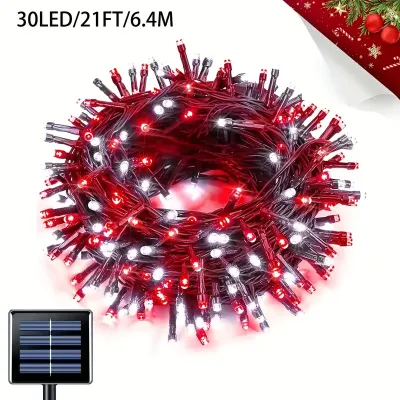
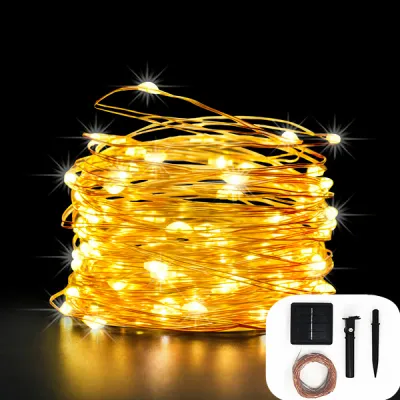
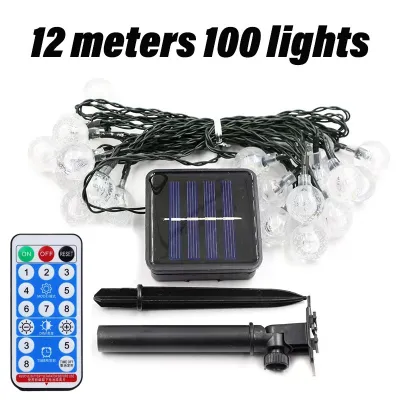
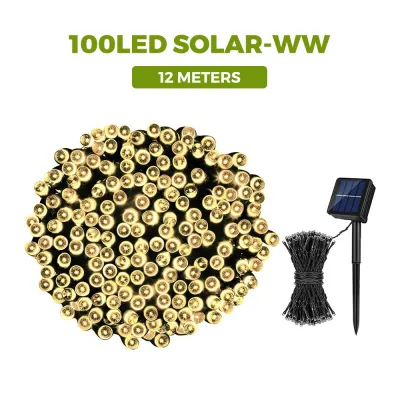
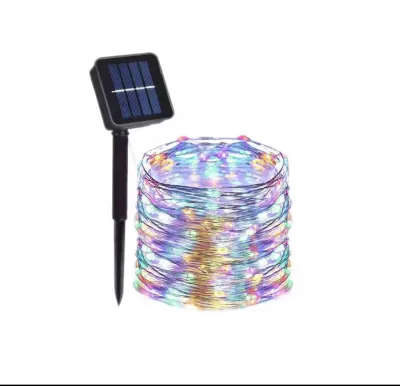
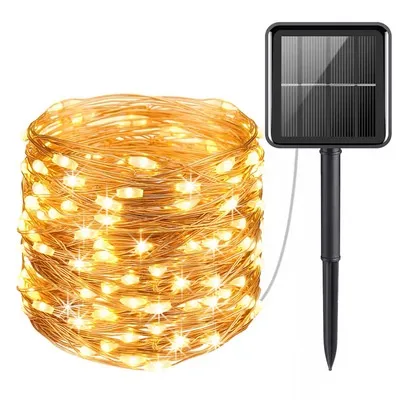
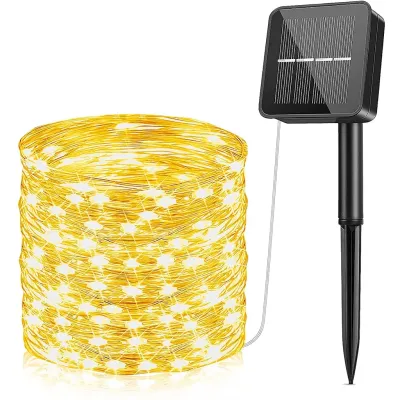
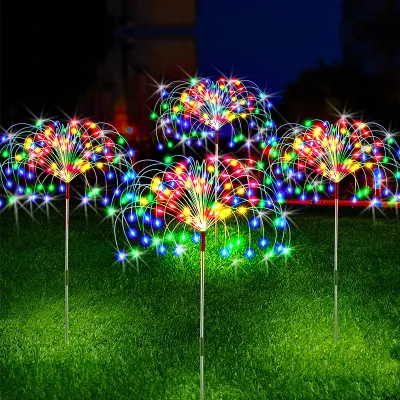
Prices are valid at publication and may change. Please refer to the product page for the latest price.
To ensure your decorations survive this seasonal stretch, you must look past generic marketing terms like “waterproof” and focus on verifiable specifications. The three most critical decision-making dimensions are ingress protection ratings, solar charging capacity relative to battery size, and the physical durability of the cabling.
Investing a few minutes to check these technical details prevents premature product failure and avoids the frustration of dark garden displays mid-season. Budget-friendly options in local online marketplaces may start around ₱300, while heavy-duty, high-performance hybrid sets can range up to ₱1,500 or more.
Verifying Weather Resistance and Material Durability
Ingress Protection (IP) Ratings
Before purchasing any solar Christmas lights, check the product packaging or specification sheet for its Ingress Protection (IP) rating. This rating consists of two digits: the first indicates protection against solid objects like dust and insects, while the second indicates water resistance.

For outdoor holiday displays in the Philippines, look for an IP rating of at least IP65. An IP65 rating means the product is completely dust-tight and protected against water jets from any angle. While IP44-rated lights are common and highly affordable, they only offer basic splash protection and are highly susceptible to water ingress during heavy tropical downpours or prolonged monsoon rains.
Cable and Housing Materials
Thin, brittle plastics degrade rapidly under the intense ultraviolet (UV) radiation of the Philippine sun. When inspecting light strings, look for heavy-duty rubberized cables (such as neoprene) or thick, UV-stabilized PVC jackets.
These robust materials resist cracking, prevent the copper wiring inside from oxidizing when exposed to humid air, and maintain their flexibility across temperature changes. Avoid paper-thin wires that feel fragile to the touch, as they are prone to tearing and short-circuiting.
Bulb and Connector Sealing
The junction where the LED bulb meets the socket is a primary point of water ingress. Look for molded bulb designs where the light source is permanently sealed into the socket, or models featuring tight rubber gaskets around each bulb base.
Additionally, inspect the battery and control box to ensure it features a secure rubber gasket seal around the lid and tight screw-cap connectors for the wiring. If moisture enters the battery compartment, it will cause rapid electrolytic corrosion, permanently disabling the system.
Wind and Physical Stress
Strong seasonal breezes and tropical storms can put significant physical strain on hanging wires. Check the weight of the light string and verify the availability of integrated mounting loops or reinforced connection points.
Thicker, heavy-duty wires can handle the tension of being suspended between posts or trees without snapping under physical stress. Always consult the manufacturer’s manual for maximum suspended load limits to avoid structural failure during high winds.
Assessing Solar Charging and Battery Runtime
Solar Panel Placement and Size
The solar panel is the engine of your light string, converting sunlight into the electrical energy stored in the battery. Look for monocrystalline or polycrystalline panels with adjustable mounting brackets.
An adjustable bracket allows you to angle the panel directly toward the sun—typically south-facing in the Philippines for optimal year-round exposure. Monocrystalline panels are generally more efficient and perform better in low-light or partially shaded conditions, while larger physical panel sizes typically correlate with higher wattage output and faster charging.
Battery Specifications
Locate the battery chemistry and capacity, usually labeled in milliampere-hours (mAh), on the product box or manual. Common types include Nickel-Metal Hydride (NiMH) and Lithium-ion (Li-ion) batteries.
Li-ion batteries generally offer higher energy density, faster charging, and a longer overall lifespan, whereas NiMH batteries are highly stable and cost-effective. Look for a capacity of at least 1,200mAh to ensure the lights have enough stored energy to run for 6 to 8 hours on a full charge.
Charging Time vs. Working Time
Compare the manufacturer’s stated charging hours with the expected nighttime illumination duration. Most models require 6 to 8 hours of direct sunlight to achieve a full charge, which translates to roughly 8 to 10 hours of working time.
Keep in mind that these are ideal specifications. Under realistic local conditions, heavy cloud cover, rainy afternoons, or shade from nearby trees will reduce charging efficiency, resulting in shorter runtime at night.
Backup Charging Options
Some premium solar Christmas lights feature a hybrid design with a USB or plug-in backup charging port on the battery box. This feature is highly valuable during prolonged rainy weeks in the Philippines, allowing you to charge the battery pack indoors using a standard USB charger before hanging it back outside.
Matching Lighting Effects and Dimensions to Your Space
Brightness and Color Temperature
Color temperature is a matter of personal preference, but it significantly changes the spatial effect of your outdoor decor. Warm white (2,700K to 3,000K) creates a cozy, traditional holiday atmosphere, while cool white (5,000K to 6,500K) offers a crisp, modern look with higher perceived visibility.
Multicolor LEDs deliver a festive, energetic vibe perfect for family-oriented displays. If brightness is a priority, check the lumen output per bulb or the total LED count on the packaging rather than relying on generic product photos.
String Length and Bulb Spacing
Before purchasing, measure the exact dimensions of your installation area, such as fences, columns, trees, or roof eaves. Always account for the “lead wire,” which is the unlit distance from the solar panel to the first LED bulb.
Ensure this lead wire is long enough to reach a sunny spot while keeping the lit portion of the string positioned exactly where you want it. Add an extra 10% to 15% to your total length measurement to accommodate draping, wrapping, or unexpected curves.
Lighting Modes and Memory
Most solar Christmas lights offer multiple lighting modes, such as steady-on, slow fade, sequential, or flashing. A critical feature to look for is an integrated memory function.
Without a memory function, the controller may reset to its default flashing mode every time the system powers down at dawn, forcing you to manually reselect your preferred setting every single evening.
Planning Safe Installation and Secure Mounting
Solar Panel Mounting
Install the solar panel in an open area completely free from shadows cast by roof eaves, trees, or walls. Use the included ground stake for garden beds, or secure the mounting bracket to a wall or fence post using rust-resistant screws.
Ensure the panel is angled to catch maximum sunlight throughout the day. If your installation environment involves working at heights, prioritize personal safety by using a stable ladder, securing your footing, and isolating any nearby electrical power sources before handling the setup.
Securing the String Lights
When hanging your lights, use outdoor-rated plastic zip ties, insulated mounting clips, or specialized gutter hooks. Never use metal nails, staples, or bare wire to secure the light string.
These sharp fasteners can easily pierce or compress the protective outer insulation, creating short circuits, water ingress points, or shock hazards. Always follow the manufacturer’s installation instructions closely to avoid damaging the product.
Elevation and Flood Avoidance
Position the battery compartment, control box, and any wire connectors well above ground level. In many areas of the Philippines, sudden heavy downpours can cause rapid pooling or localized flooding in gardens and lawns.
Keeping these components elevated on posts, walls, or tree trunks prevents them from being submerged, which could ruin the electronics even if they are rated as water-resistant.
Heat and Sharp Surfaces
Avoid wrapping the light strings tightly around sharp metal edges, rough concrete corners, or surfaces that absorb and retain intense heat, such as dark metal roofing. Excessive heat and friction can accelerate the degradation of the wire jacket, leading to premature failure.
If your installation involves complex routing, fixed wiring, or suspended loads, consult a qualified professional electrician to ensure compliance with local electrical safety standards.
Maintaining and Storing Lights for Next Year
Routine Panel Cleaning
Dust, pollen, and bird droppings quickly accumulate on solar panels, blocking sunlight and reducing charging efficiency. Periodically wipe the panel surface gently with a soft, damp microfiber cloth.
Avoid using abrasive scrubbing pads or harsh chemical cleaners, which can scratch the protective cover and permanently degrade solar absorption.
End-of-Season Storage
When the holiday season ends, switch the power control to the “off” position before taking down the lights. If the battery compartment is accessible and uses removable batteries, take them out before storing the unit.
This simple step prevents battery leakage and corrosion from destroying the internal terminals during the hot, humid off-season months.
Wire Coiling
Carefully take down the light string and coil it loosely in large, circular loops. Avoid folding the wires sharply or wrapping them tightly around your elbow, as tight bends can break the delicate copper strands inside the insulation.
Store the coiled lights and the solar panel in a cool, dry, and dark storage box to protect the plastics from humidity and temperature fluctuations.
Frequently Asked Questions (FAQ)
Do solar Christmas lights work during the rainy season in the Philippines?
Yes, solar Christmas lights can still charge on cloudy or rainy days, but their performance will be significantly reduced. Solar panels rely on direct sunlight to generate electricity, so overcast skies mean the battery will not reach a full charge.
On highly overcast days, expect the lights to run for only a fraction of their normal runtime, often lasting just one to three hours. If consistent, all-night illumination is critical during the rainy season, prioritize models with larger solar panels, high-efficiency monocrystalline cells, or hybrid USB charging capabilities.
Can I leave solar string lights outside all year round?
While high-quality outdoor solar lights are designed to withstand weather, leaving them outside year-round in the Philippines is not recommended. The continuous exposure to intense tropical UV rays, high humidity, and heavy monsoon rains will rapidly accelerate the degradation of the plastic wire jackets, rubber seals, and solar panel covers.
To maximize the lifespan of your investment, it is best to take the lights down after the holiday season, clean them, and store them in a dry place until the next year. This practice preserves the integrity of both the wiring and the internal rechargeable batteries.
Community discussion
Share your experience or ask a question. Comments are reviewed before publication.