
Selecting the right solar butterfly lights for your garden involves balancing whimsical outdoor aesthetics with practical electrical and material specifications. These decorative fixtures offer an energy-saving way to illuminate pathways, flower beds, and patios without the need for complex electrical wiring. In the tropical climate of the Philippines, where intense sunlight is punctuated by heavy seasonal downpours and high humidity, choosing a reliable fixture requires careful evaluation.
To ensure your garden lights remain functional and vibrant throughout the year, you must look beyond visual appeal. The primary evaluation pillars for selecting these outdoor ornaments include solar panel efficiency, battery capacity, weather resistance, and lighting design. By verifying manufacturer specifications and understanding how these components interact, you can select durable lights that withstand local environmental stressors while delivering consistent nighttime illumination.
Evaluating Solar Panel and Battery Specifications
The performance of any solar-powered garden light depends heavily on the quality of its solar panel and internal battery. The solar panel is responsible for converting sunlight into electrical energy, which is then stored in the battery for nighttime use. When evaluating solar butterfly lights, the first technical specification to check is the type of solar panel integrated into the fixture.
Products mentioned in this guide
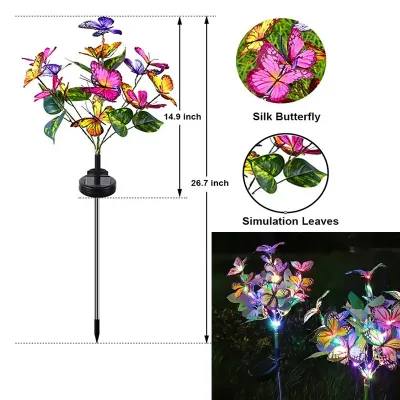
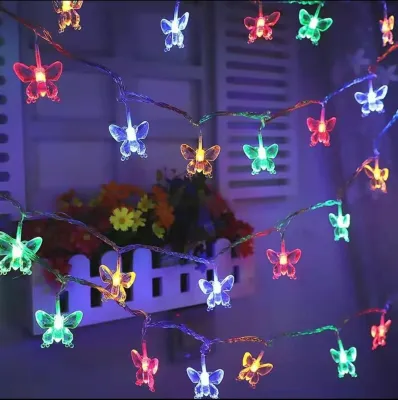
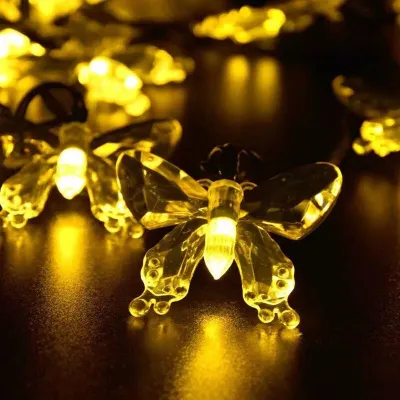
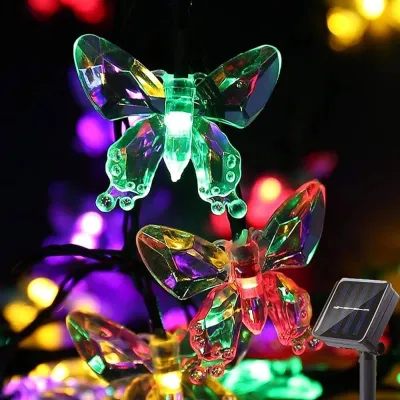
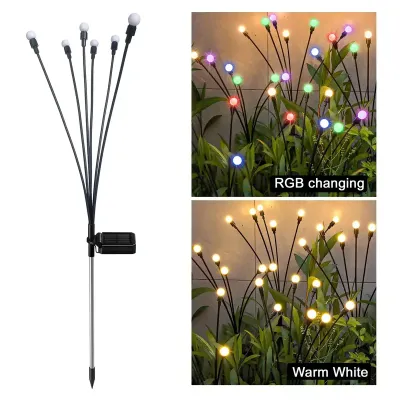
Prices are valid at publication and may change. Please refer to the product page for the latest price.
Most decorative solar lights utilize either monocrystalline or polycrystalline solar panels. Monocrystalline panels are made from a single, high-purity silicon crystal, giving them a uniform, dark appearance. They offer higher energy conversion efficiency, typically ranging from 15% to 20%, which is highly advantageous for small decorative fixtures where the panel surface area is limited. Polycrystalline panels, recognizable by their speckled blue appearance, are made from multiple silicon fragments melted together. While they are generally more budget-friendly, they have a lower conversion efficiency, usually between 13% and 16%, meaning they require more surface area or longer exposure to generate the same amount of power.
Equally important is the battery chemistry, which dictates how much energy can be stored and how long the battery will last before needing replacement. Common options include Nickel-Metal Hydride (NiMH) and Lithium-ion (Li-ion) batteries. NiMH batteries are widely used in budget-friendly garden stakes, operating at a standard 1.2V. They are suitable for basic decorative lighting but have a shorter overall lifespan, typically lasting one to two years of charge cycles. Li-ion batteries, often operating at 3.2V or 3.7V, offer higher energy density, faster charging, and a longer operational lifespan, though they require robust internal circuitry to prevent overcharging.
When reviewing product specifications, check the battery capacity measured in milliampere-hours (mAh). A higher mAh rating indicates a larger storage capacity, which directly supports longer runtimes. However, you must balance this capacity against the estimated charging time. A typical product manual may state a charging time of six to eight hours under direct sunlight to achieve an estimated runtime of eight to ten hours. Keep in mind that these are ideal estimates; actual performance depends on daily solar irradiance, panel cleanliness, and battery health.
Checking Materials and Weather Resistance for Garden Use
Outdoor garden fixtures in the Philippines must endure demanding environmental conditions, including intense ultraviolet (UV) radiation, high humidity, and heavy seasonal rainfall. The materials used in the construction of the light housing and stakes directly determine how well the fixture resists degradation over time. Cheap, untreated materials can quickly become brittle, rust, or fail completely after a few months of exposure.

When inspecting the housing materials, look for UV-stabilized ABS (acrylonitrile butadiene styrene) plastic or high-grade polycarbonate. These materials are engineered to resist the yellowing and cracking caused by prolonged exposure to harsh sunlight. For the ground stakes, powder-coated aluminum, stainless steel, or heavy-duty fiberglass are preferable to untreated iron or thin plastics. Untreated iron will rust rapidly when exposed to wet soil and humid air, while thin plastic stakes can easily snap during installation or under physical stress.
The Ingress Protection (IP) rating is a critical safety and durability standard that indicates how well the fixture is sealed against solids and liquids. The first digit of the IP rating represents protection against solid objects (ranging from 0 to 6), while the second digit represents protection against liquids (ranging from 0 to 9). For outdoor garden lights, an IP44 rating is the absolute minimum standard, indicating protection against splashing water from any direction. However, for tropical climates prone to heavy downpours and monsoons, look for fixtures with an IP65 or IP67 rating. An IP65 rating means the light is completely dust-tight and protected against water jets, while IP67 indicates protection against temporary immersion, which is ideal for low-lying garden areas prone to minor flooding.
Additionally, evaluate the structural integrity of the decorative butterfly wings. These wings are often made of acrylic, resin, or weather-resistant fabric. Thin, rigid plastics can easily snap during strong winds or typhoons, while poorly secured wings can detach from the main stem. Look for wings that are securely fastened with metal or reinforced plastic connectors. If the wings use fabric, verify that the material is treated with a water-repellent and UV-resistant coating to prevent fading, tearing, and mold growth.
Choosing the Right Brightness, Color, and Design
The visual appeal of solar butterfly lights depends on their brightness, color options, and physical design. Unlike functional pathway lights designed primarily for safety, decorative butterfly lights are intended to create a specific visual atmosphere. The choice of LED color temperature and lighting modes should align with your personal design preferences and the existing layout of your garden.
LED color temperatures are measured in Kelvin (K) and significantly influence the garden’s ambiance. Warm white LEDs (typically 2700K to 3000K) emit a soft, yellowish glow that creates a cozy, relaxing, and classic atmosphere, making them ideal for flower beds, seating areas, and quiet garden corners. Cool white LEDs (5000K to 6500K) produce a bright, bluish-white light that offers high visibility, which is useful for highlighting pathways or defining garden boundaries. RGB (red, green, blue) color-changing LEDs cycle through a spectrum of colors, adding a playful, festive, and dynamic element to your landscape.
Many solar butterfly lights offer multiple operating modes, such as steady-on, flashing, or slow fading. While dynamic modes like flashing or fading can create an eye-catching display, they also affect battery consumption. Steady-on mode draws a constant current, which can deplete the battery faster if the capacity is limited. Some flashing modes cycle the LEDs on and off, which can actually extend the overall runtime by reducing the average power draw, though they may be visually distracting in quiet garden settings.
Consider the physical dimensions of the lights in relation to your garden layout. Measure the total height of the stake, including the portion that will be inserted into the ground, and the wingspan of the butterfly ornament. A stake that is too short may be obscured by growing grass, ground cover, or low shrubs. Conversely, a stake that is too tall might look disproportionate or top-heavy in a low-profile flower bed. Ensure the proportions complement your existing plants and hardscaping.
Placement and Maintenance for Optimal Performance
Proper placement and regular maintenance are essential to ensure your solar butterfly lights operate at peak efficiency. Because these lights rely entirely on solar energy, their performance is directly linked to the amount of sunlight the solar panel receives during the day. Even the highest-quality solar fixture will fail to perform if placed in a shaded area.
To maximize energy absorption, the solar panel must receive direct, unobstructed sunlight for the majority of the day. In the Philippines, positioning the panels to face south or keeping them relatively flat ensures optimal exposure throughout the year. Avoid placing the lights directly under dense tree canopies, roof overhangs, or tall garden walls that cast long shadows, as even partial shading can drastically reduce the solar panel’s power output.
Before inserting the stakes into the ground, evaluate the soil conditions. Hard, compacted clay or dry soil can resist the stake, leading to bent or broken plastic connectors. To prevent damage, moisten the soil thoroughly before installation, or use a narrow tool to create a pilot hole first. Additionally, perform a basic safety check to ensure you are not driving the stakes into shallow underground utilities, such as outdoor irrigation pipes or low-voltage electrical conduits.
Routine maintenance is simple but crucial for long-term performance. Dust, dirt, pollen, and bird droppings can accumulate on the solar panel surface, creating a barrier that blocks sunlight and lowers charging efficiency. Regularly wipe the panels clean to maintain performance. During the prolonged rainy season or monsoon months, manage your expectations regarding runtime. With fewer hours of direct sunlight, the battery will not charge fully, resulting in shorter illumination periods at night. This is a normal characteristic of solar-powered lighting and does not necessarily indicate a product defect.
Building Your Shortlist: A Buyer's Evaluation Checklist
When browsing online marketplaces or local home improvement stores, having a structured evaluation checklist helps filter out low-quality options. Focus on verifying the mandatory technical specifications rather than relying solely on attractive product photos. Ensure the product listing or packaging explicitly states the IP rating (aim for IP65), the battery type and capacity (e.g., NiMH 600mAh or Li-ion 1000mAh), and the material composition of the stake and decorative elements.
Identify and avoid misleading product descriptions. Be skeptical of vague claims like “completely waterproof” or “heavy-duty” if they are not accompanied by specific technical ratings like an IP standard or material specifications. Similarly, watch out for listings that promise “all-night glow” without specifying the required charging hours or the battery capacity. Reliable manufacturers provide clear, detailed specifications in their product manuals or listings.
Evaluate price points in Philippine Pesos (₱) against the provided warranty terms and seller return policies. Budget-friendly solar butterfly lights may cost between ₱150 and ₱300 per unit, but these often feature lower-capacity batteries and thinner plastic components. Mid-range to premium models, ranging from ₱500 to over ₱1,200, typically offer sturdier metal stakes, monocrystalline panels, and longer-lasting lithium batteries. Compare these prices against the seller’s return window and warranty coverage to ensure you have recourse if a unit fails prematurely.
Frequently Asked Questions (FAQ)
Do solar butterfly lights work on cloudy or rainy days?
Yes, solar panels can still generate electricity on cloudy or rainy days, but their efficiency is significantly reduced. Diffuse sunlight passing through clouds still reaches the solar cells, but the power output may drop to 10% to 25% of what is produced on a clear, sunny day. Consequently, the battery will not receive a full charge, and the lights will run for a much shorter duration at night. The overall runtime during overcast periods depends heavily on the remaining capacity stored in the battery from previous sunny days.
Can I replace the batteries inside the solar butterfly lights?
Whether you can replace the battery depends entirely on the design of the light fixture. Many high-quality solar butterfly lights feature a dedicated battery compartment secured by small screws, allowing users to easily replace the rechargeable cell once it degrades. However, some budget-friendly or highly compact models are completely sealed and non-serviceable, meaning the entire unit must be disposed of once the battery reaches the end of its lifespan. If your model is serviceable, always match the battery chemistry (such as NiMH or Li-ion) and the voltage (typically 1.2V or 3.2V/3.7V) exactly as specified in the product manual.
How do I clean the solar panels without damaging the lights?
To clean the solar panels safely, use a soft, damp microfiber cloth and clean water to gently wipe away dust, dirt, and debris from the surface. Avoid using abrasive tools like steel wool, scouring pads, or stiff brushes, as these can scratch the protective plastic or glass coating, permanently reducing the panel’s light transmission. Additionally, do not use harsh household chemicals, glass cleaners, or solvents, which can degrade the weather-resistant seals or damage the solar cells. A simple wipe-down every few weeks is sufficient to maintain optimal charging efficiency.
Community discussion
Share your experience or ask a question. Comments are reviewed before publication.