
Selecting solar-powered outdoor Christmas lights requires a careful balance of technical specifications, material durability, and spatial planning. To secure a system that performs reliably through the holiday season, you must evaluate three primary engineering pillars: the solar panel’s photovoltaic efficiency, the battery’s storage capacity in milliampere-hours (mAh), and the system’s overall Ingress Protection (IP) rating. Additionally, understanding the physical dimensions, lead wire lengths, and safety boundaries ensures your decorative display remains safe and functional under challenging outdoor conditions.
In the tropical climate of the Philippines, where the festive season is celebrated with enthusiasm but often coincides with high humidity, heavy monsoon rains, and late-year typhoons, these technical considerations become even more critical. Standard indoor lights or low-quality outdoor alternatives will quickly fail when exposed to intense moisture and wind. By focusing on certified, weather-resistant solar lighting systems, you can create a beautiful, energy-independent holiday display that operates automatically night after night without increasing your household electricity bill.
Quick Guide to Choosing Solar Christmas Lights
When shopping for solar-powered Christmas lights, focusing on a few critical performance indicators will help you filter out unreliable products and select a system built to last. Use this quick checklist to guide your purchasing decisions:
Products mentioned in this guide
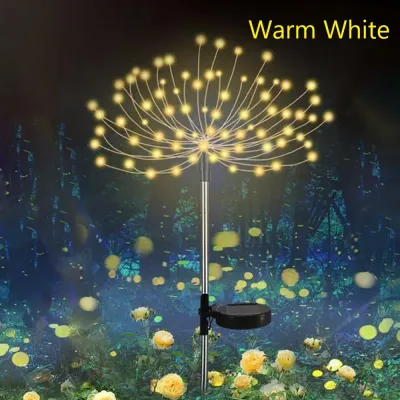
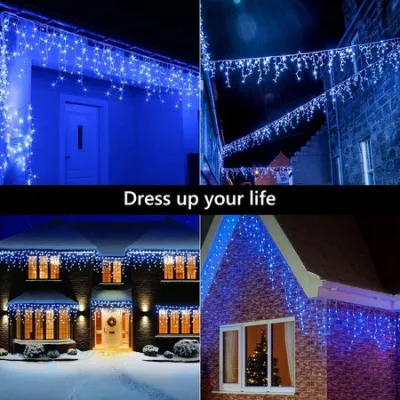
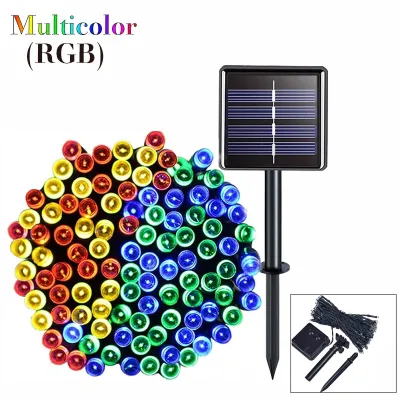
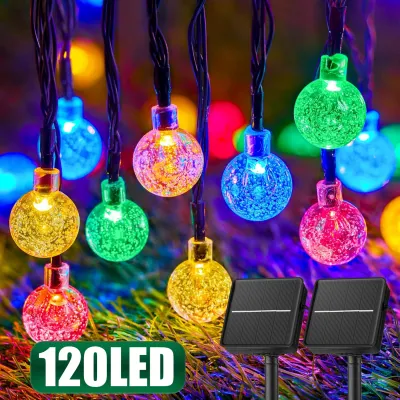
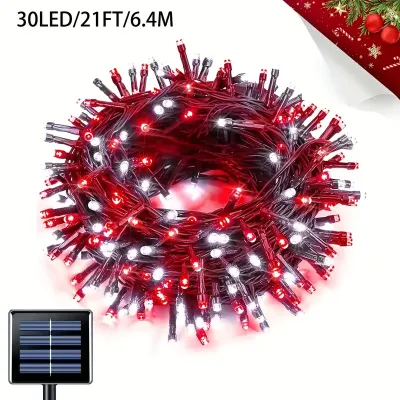
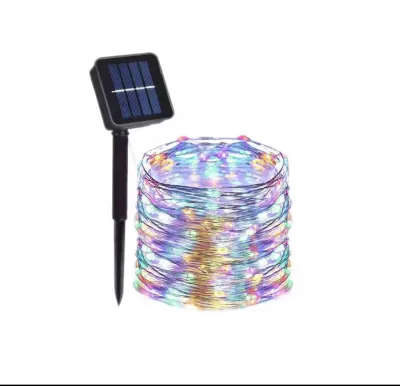
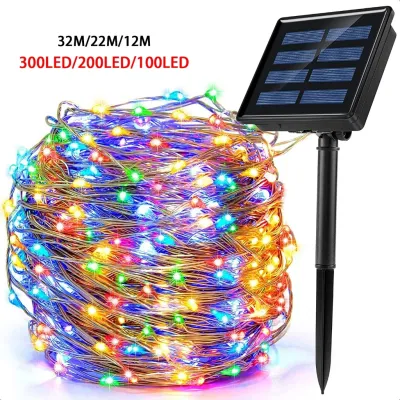
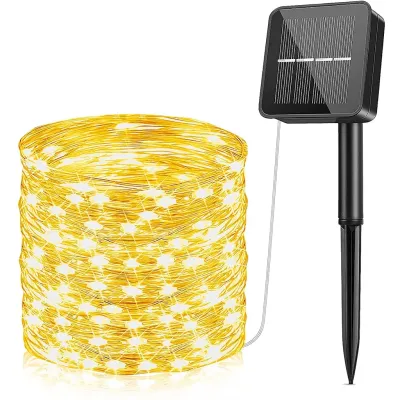
Prices are valid at publication and may change. Please refer to the product page for the latest price.
- Weather Resistance: Prioritize an Ingress Protection rating of IP65 or higher. This ensures the solar panel housing, battery compartment, and LED connections are sealed against heavy tropical downpours and fine dust.
- Solar Panel Type: Choose monocrystalline solar panels over polycrystalline options. Monocrystalline panels deliver higher conversion efficiency, allowing them to gather sufficient energy even during overcast or rainy December afternoons.
- Battery Capacity: Look for a minimum battery capacity of 1200mAh for standard strings, or up to 2000mAh for longer, high-density light sets. This ensures the lights have enough stored energy to run for 6 to 8 hours overnight.
- Lead Wire Length: Verify that the lead wire—the unlit cable segment between the solar panel and the first LED bulb—is at least 2 to 3 meters long. This physical separation allows you to position the solar panel in direct sunlight while wrapping the lights around shaded porches, dense foliage, or covered entryways.
- Safety Certifications: Ensure the product displays legitimate quality marks, such as the Philippine Standard (PS) or Import Commodity Clearance (ICC) marks, or recognized international equivalents like CE, RoHS, or UL. These certifications verify that the electrical components have undergone safety and performance testing.
Key Specifications to Check Before You Buy
An outdoor solar lighting system is a self-contained electrical utility. It consists of a photovoltaic generator (the solar panel), a chemical energy storage unit (the rechargeable battery), an electronic charge controller, and a light-emitting diode (LED) load. Because these components must operate in unison under harsh environmental conditions, analyzing their technical specifications on the product packaging or manufacturer data sheet is the most reliable way to predict real-world performance.

Solar Panel Efficiency and Battery Capacity
The solar panel is the engine of your holiday lighting system, and its efficiency determines how much sunlight is successfully converted into usable electricity. Monocrystalline silicon panels are highly recommended for outdoor holiday displays. These panels are constructed from single-crystal silicon, which allows electrons more room to move, resulting in a superior energy conversion efficiency rate (typically between 15% and 22%). In contrast, polycrystalline panels, recognizable by their speckled blue appearance, are cheaper to produce but offer lower efficiency (usually 13% to 16%). This lower efficiency means polycrystalline panels require a larger physical surface area and longer exposure to direct sunlight to generate the same amount of power as a smaller monocrystalline alternative.
Once electricity is generated, it must be stored in a reliable rechargeable battery to power the lights after dark. Most modern solar Christmas lights utilize either Nickel-Metal Hydride (NiMH) or Lithium-ion (Li-ion) batteries. NiMH batteries are common in budget-friendly fixtures, but they have a lower energy density, are more susceptible to memory effect, and degrade faster when exposed to high ambient temperatures. Li-ion and Lithium Iron Phosphate (LiFePO4) batteries are highly superior options; they offer higher energy density, support hundreds of additional charge-discharge cycles, and maintain a stable voltage output throughout their discharge cycle, ensuring your lights do not dim prematurely as the night progresses.
When evaluating batteries, ignore vague marketing terms like “long-lasting” and instead look for the explicit milliampere-hour (mAh) rating on the manufacturer’s label. A standard string of 100 to 200 decorative LEDs requires a battery capacity of at least 1200mAh to sustain an 8-hour run-time. For larger setups, or heavy-duty commercial-grade strings, a battery capacity of 2000mAh or more is necessary. Always cross-reference this capacity with the solar panel’s rated wattage output to ensure the panel is powerful enough to fully charge the battery during a standard 6-hour window of daylight.
Waterproof Ratings for Humid and Rainy Climates
In humid, tropical environments, water ingress is the leading cause of premature outdoor lighting failure. To understand how well a set of solar lights can withstand the elements, you must check its Ingress Protection (IP) rating. This international standard consists of two digits: the first digit (ranging from 0 to 6) indicates the level of protection against solid objects like dust and dirt, while the second digit (ranging from 0 to 9) measures protection against liquids.
For temporary holiday decorations, you will commonly encounter three tiers of waterproof protection:
- IP44: This rating indicates protection against solid objects larger than 1 millimeter and splashes of water from any direction. While IP44 lights are acceptable for semi-sheltered areas like covered patios or balconies, they are highly vulnerable to heavy, wind-driven tropical rains and should not be left fully exposed in open garden areas.
- IP65: This rating certifies that the product is completely dust-tight and can withstand low-pressure water jets from any angle. IP65 is the industry standard for reliable outdoor holiday lighting, ensuring the system remains functional even when subjected to intense, prolonged downpours.
- IP67: This rating indicates complete protection against dust and the ability to withstand temporary immersion in water up to 1 meter deep for 30 minutes. IP67 fixtures are ideal for ground-level installations, pathway borders, or low-lying garden beds where water is prone to pooling during sudden storms.
When inspecting a solar light kit, remember that the weak points are rarely the sealed LED bulbs themselves. Instead, moisture typically penetrates the system through the seams of the solar panel housing, the physical power switches, or the battery compartment door. Look for products that feature thick silicone gaskets, rubberized button covers, and tight-fitting screws around the battery enclosure. If these protective seals are absent or poorly aligned, humidity will quickly cause the internal copper contacts to corrode, leading to short circuits and permanent system failure.
Light Output, Color Temperature, and Modes
Solar-powered Christmas lights are designed primarily for decorative accentuation and ambiance rather than high-intensity security or task lighting. Because of this, their light output is relatively modest. A single decorative LED bulb on a solar string typically emits between 2 to 10 lumens. When these bulbs are spaced 10 centimeters apart across a 10-meter string, the cumulative effect is a soft, beautiful glow that highlights architectural lines or foliage without overpowering the space.
Perceived color temperature and spatial effects are conditional preferences rather than universal performance facts, meaning the right choice depends entirely on your desired holiday aesthetic and existing outdoor decor. Color temperature is measured in Kelvin (K) and generally falls into three categories:
- Warm White (2700K to 3000K): This range produces a soft, yellowish glow that mimics traditional incandescent bulbs, creating a cozy, classic, and welcoming holiday atmosphere.
- Cool White (5000K to 6500K): This range emits a bright, crisp, bluish-white light that delivers a modern, icy, or snow-like appearance, which stands out sharply against dark backdrops.
- Multicolor: Typically featuring a repeating sequence of red, green, blue, and yellow bulbs, multicolor strings offer a vibrant, playful, and traditional festive look.
Most solar light controllers feature multiple operating modes, such as steady-on, slow fade, sequential, flashing, and chasing. From an energy efficiency standpoint, dynamic flashing or fading modes consume significantly less battery power than the steady-on mode because the LEDs are turned off for a portion of the operating cycle. Utilizing a flashing mode can extend your lights’ run-time by several hours on nights following overcast days.
Before finalizing your purchase, verify if the solar controller includes a built-in memory function. A memory chip ensures that when the light sensor automatically turns the system on at dusk, it retains the last lighting mode you selected. Without a memory function, the system will reset to its default setting—which is often an aggressive, rapid flashing sequence—every single night, forcing you to walk outside and manually cycle through the settings to find your preferred mode.
Which Type of Solar Christmas Light Fits Your Space?
Selecting the right physical style of solar light is essential for achieving your desired decorative look and ensuring a practical, hassle-free installation. Different areas of your home and garden require specific light designs to maximize visual impact and accommodate physical mounting constraints.
String Lights and Fairy Lights
String lights and fairy lights are the most versatile options available, consisting of a long, flexible wire populated by dozens or hundreds of small LED bulbs. These lights are generally divided into two construction types: delicate copper wire fairy lights and heavy-duty PVC-insulated string lights. Copper wire lights are incredibly thin, lightweight, and highly pliable, making them virtually invisible during the day. They are perfect for wrapping tightly around thin tree branches, delicate porch railings, wreaths, or outdoor dining table centerpieces. However, because the bare copper wire is exposed to the elements, it is fragile and can snap under physical tension or during high winds.
Heavy-duty PVC-insulated string lights feature thick, insulated copper wiring encased in a protective plastic sleeve. This robust construction makes them highly resistant to pulling, stretching, and environmental wear, making them the ideal choice for spanning open distances between structures, wrapping thick palm tree trunks, or draping along perimeter fences.
Regardless of the wire type, you must carefully check both the total lighted length and the lead wire length before purchasing. Because solar lights rely on a physical wire connection to their dedicated solar panel, you must ensure the lead wire is long enough to bridge the distance between your decorated area (which may be shaded) and an open, sun-exposed location where the solar panel can be securely mounted.
Pathway and Stake Lights
Pathway and stake lights are designed specifically for ground-level illumination, allowing you to define walkways, garden borders, driveways, and flower beds with festive light. These fixtures typically consist of an ornamental light head (such as a snowflake, star, or candy cane) mounted on top of a rigid stake that is pushed directly into the soil.
When evaluating pathway lights, pay close attention to the structural materials used. Rust-resistant metals, such as powder-coated aluminum or stainless steel, and heavy-duty ABS plastics are highly preferred. Avoid cheap, thin plastics, which degrade rapidly under intense tropical UV exposure, becoming brittle and cracking when you attempt to press them into dry, compacted soil.
Furthermore, ensure the integrated solar panel on top of each stake has sufficient ground clearance. If the panel sits too low, it can easily be shaded by growing grass, low-hanging garden shrubs, or fallen leaves. Even a small amount of shadow casting over a portion of the solar panel can reduce its charging efficiency to near zero, resulting in dim lights that turn off shortly after dusk.
Net and Icicle Lights
Net and icicle lights are specialized configurations designed to cover large architectural or landscaping features with minimal installation effort:
- Net Lights: These consist of a pre-woven, grid-like mesh of wires with LEDs positioned at each intersection. They are designed to be draped directly over hedges, bushes, and manicured shrubs, providing perfectly uniform light distribution without the tedious work of wrapping individual strands around branches.
- Icicle Lights: These feature a main horizontal cable from which shorter, vertical light strands of varying lengths hang down, simulating the appearance of dripping icicles. They are traditionally mounted along rooflines, gutters, eaves, and balcony railings.
Before purchasing solar-powered net or icicle lights, it is crucial to measure your target coverage area and manage your performance expectations. Because solar-powered systems operate on a limited low-voltage power budget, they generally cover smaller surface areas per kit than traditional AC plug-in lights. For example, a single solar icicle light kit may only span 2 to 4 meters, whereas a plug-in version can easily extend 10 meters or more. If you have a large roofline or a long hedge, you will likely need to purchase multiple independent solar kits, ensuring each kit’s solar panel is positioned to receive unshaded, direct sunlight.
Installation Tips and Safety Boundaries
Proper installation is key to maximizing the performance of your solar Christmas lights and ensuring the safety of your home and family. The most critical step in setting up any solar lighting system is the placement of the photovoltaic panel. For optimal charging, the panel must face the path of the sun (typically south-facing in the Philippines) and be completely free from shadows cast by roof overhangs, trees, power lines, or adjacent buildings. The peak solar charging window occurs between 10:00 AM and 4:00 PM; even partial shading during these hours will drastically reduce the battery’s state of charge.
When mounting your lights, always observe clear safety boundaries and structural limits:
- Read Manufacturer Instructions: Before beginning, thoroughly read the product's instruction manual to verify its specific voltage, wattage limits, and mounting guidelines.
- Verify Weight Capacities: Ensure that your gutters, railings, or eaves can safely support the weight of the light strings, especially when they are wet or subjected to high winds.
- Avoid Unstable Structures: Never mount solar panels or heavy light strings on rotted wood, loose gutters, or structurally compromised supports.
- Isolate Power Sources: If you are installing solar lights near existing outdoor electrical outlets, floodlights, or fixed wiring, isolate the power at the main circuit breaker before working near those damp areas to prevent accidental electrical shock.
- Work Safely at Heights: For installations requiring work at significant heights, climbing tall ladders, or handling suspended overhead loads, prioritize personal safety. If you are uncomfortable working on a ladder or if your roofline is difficult to access, hire a qualified professional installer to complete the job safely.
- Check Low-Voltage Compatibility: If you plan to integrate your solar lighting system with existing outdoor smart home automation, timers, or low-voltage landscape lighting transformers, verify compatibility beforehand. Most solar lights operate on independent, low-voltage DC circuits that cannot be directly spliced into standard AC systems without specialized controllers.
How to Maintain Solar Lights Through the Holiday Season
To ensure your solar Christmas lights remain bright and functional throughout the entire holiday season, a small amount of routine maintenance is required. Because these systems are exposed to the elements, they are subject to environmental buildup that can slowly degrade their performance over time.
First, establish a weekly routine to clean the solar panels. Dust, pollen, bird droppings, and wind-blown debris can form a thin, semi-opaque film over the panel’s protective glass or plastic cover. This film blocks sunlight and can reduce the panel’s photovoltaic conversion efficiency by up to 30%. To clean the panel, gently wipe its surface with a soft, damp microfiber cloth. Avoid using abrasive scrubbing pads, steel wool, or harsh chemical solvents, as these can scratch or cloud the protective cover, causing permanent damage that permanently reduces light transmission.
Second, perform periodic physical inspections of the system. Check the wires for signs of physical wear, such as fraying caused by wind friction against sharp roof edges or damage from garden pests. Open the battery compartment occasionally to check for moisture ingress or corrosion. If you notice a white, powdery residue or rust on the metal battery terminals, turn off the unit, remove the battery, and clean the contacts using a cotton swab dipped in a small amount of white vinegar or electronic contact cleaner. Ensure the compartment is completely dry before reinserting the battery.
Finally, practice proper off-season storage to extend the lifespan of your lights for future years. Once the holiday season ends, do not leave your solar lights outside to weather the off-season elements. Carefully disassemble the light strings, wipe away any dirt or moisture, and remove the rechargeable batteries from the solar panel housing. Storing batteries inside the unit for months of disuse can lead to deep discharge, chemical leakage, and permanent ruin of the internal circuitry. Store the clean, dry lights and the batteries in a cool, dry, well-ventilated indoor space, away from direct sunlight and extreme temperature fluctuations.
Frequently Asked Questions (FAQ)
Do solar Christmas lights work on cloudy or rainy days?
Yes, solar Christmas lights will still charge on cloudy, overcast, or rainy days, but their performance will be significantly reduced. Solar panels do not require direct, blazing sunlight to generate electricity; they can harvest diffuse light that penetrates through cloud cover. However, under heavy clouds or during active rain, a solar panel’s power output typically drops to 10% to 25% of its maximum capacity.
As a result, the battery will not receive a full charge during the day. On these nights, you can expect your lights to run for a much shorter duration—often lasting only 1 to 3 hours instead of their usual 8-hour run-time. To mitigate this during prolonged rainy periods, look for solar light models that feature dual-charging capabilities, which allow you to detach the solar panel or battery unit and charge it indoors via a standard USB cable, or choose models equipped with oversized monocrystalline panels and high-capacity batteries to maximize low-light energy harvesting.
Can I leave solar string lights outside all year round?
While high-quality solar string lights with robust waterproof ratings (such as IP65 or IP67) are engineered to withstand outdoor conditions, leaving them installed outside year-round is generally not recommended if you want to maximize their operational lifespan. Continuous, multi-month exposure to intense tropical UV rays, high ambient heat, and seasonal typhoons will accelerate the degradation of plastic wire insulation, weaken rubber waterproof seals, and cause copper wiring to become brittle.
Over time, this environmental wear leads to water ingress, internal corrosion, and yellowed, faded bulb covers that diminish light output. To extend the life of your investment, it is highly recommended to deploy your solar lights exclusively during the holiday season and store them safely indoors for the remainder of the year. If you do require permanent, year-round outdoor lighting, ensure you purchase commercial-grade fixtures specifically certified by the manufacturer for permanent outdoor installation.
Community discussion
Share your experience or ask a question. Comments are reviewed before publication.