
Selecting solar string lights for a garden in the Philippines requires balancing aesthetic goals with the realities of a tropical climate. Because these fixtures rely entirely on solar energy and must withstand intense sun, high humidity, and heavy seasonal rainfall, choosing the right set involves looking closely at weatherproofing, battery capacity, and physical layout. By focusing on technical specifications and durable materials, you can ensure your outdoor space remains beautifully illuminated night after night.
The local climate presents unique challenges, such as prolonged wet seasons and intense UV exposure. Standard indoor or semi-protected outdoor lights will quickly fail under these conditions. Therefore, understanding how to evaluate solar panels, battery types, and ingress protection ratings is the key to making a lasting investment.
A successful setup starts with a clear plan for your garden layout, followed by a careful review of product labels and specifications. This guide walks you through the essential factors to consider, from measuring your space to optimizing solar charging and performing routine maintenance.
Products mentioned in this guide
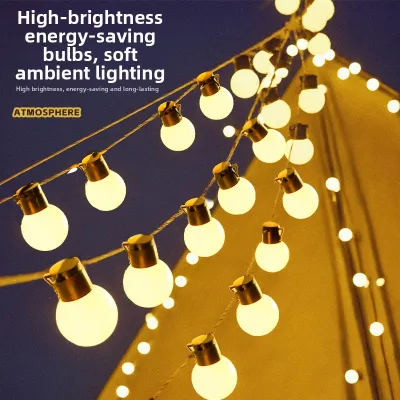
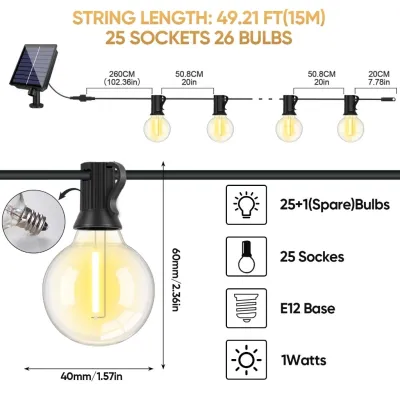
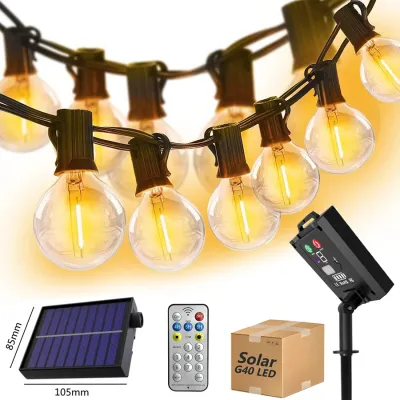
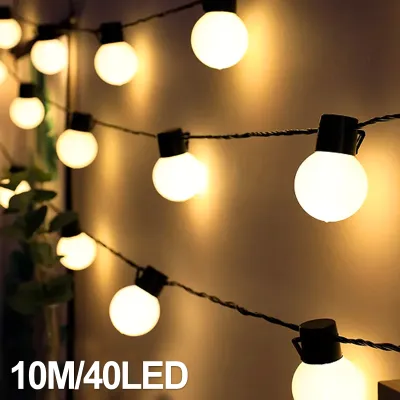
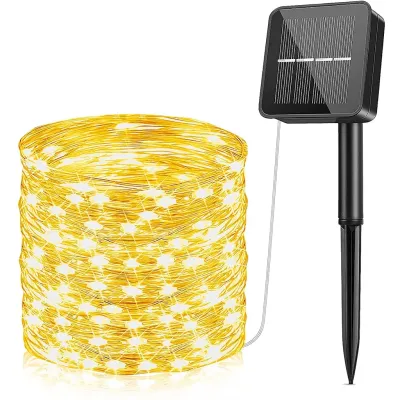
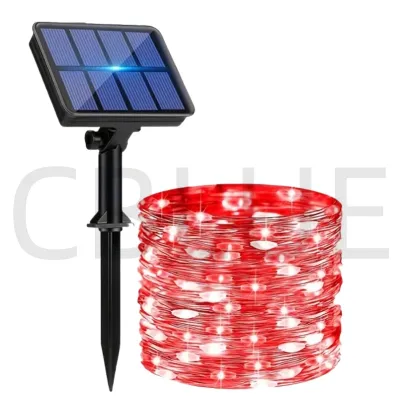
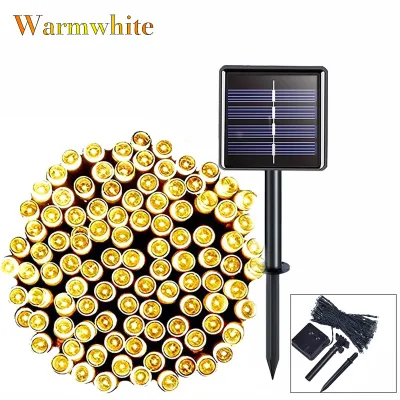
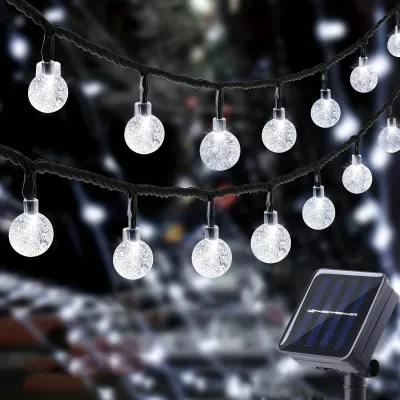
Prices are valid at publication and may change. Please refer to the product page for the latest price.
Assess Your Garden Layout and Lighting Goals
Before purchasing any solar string lights, take precise measurements of the area you intend to decorate. You need to know not only the total length of the illuminated section but also the distance from the first bulb to the solar panel, known as the lead wire. In many garden layouts, the ideal spot for the solar panel to receive direct sunlight is several meters away from where the lights will actually hang. Ensuring the lead wire is long enough prevents you from having to place the solar panel in a shaded area just to make the connection.
Define the primary purpose of your garden lighting. If you want to create a warm, cozy atmosphere for evening gatherings, low-intensity decorative ambient lights, such as micro-LED copper wire strings or warm-white Edison-style bulbs, are excellent choices. However, if you need to illuminate pathways, steps, or garden hazards for safety, you will require higher-lumen bulbs with wider light distribution. Clarifying this goal helps you choose the right bulb size, spacing, and brightness level.
Identify the physical structures in your garden that will support the lights. Trees, fences, pergolas, and wall hooks are common mounting points, but each requires a different installation approach. For instance, wrapping lights around a growing tree trunk requires slack to accommodate natural growth, while stretching them across an open patio may require a guide wire to support the weight of the cable. Planning these attachment points beforehand ensures you buy a string light set with a cable tension rating suitable for your layout.
Consider how the lights will interact with your existing landscaping. Draping lights too densely in a small garden can create harsh glare, while spacing them too far apart in a large yard might make the illumination look sparse and unfinished. Aim for a balanced distribution that highlights key garden features, such as a favorite shrub or a seating area, without overpowering the natural nighttime environment.
Evaluate Core Technical Specifications
When reviewing the product specifications, look closely at the lumen rating and color temperature. Lumens measure the total amount of visible light emitted by the source. For gentle garden ambiance, bulbs emitting 10 to 50 lumens per bulb are usually sufficient, whereas functional path lighting may require higher outputs. Color temperature, measured in Kelvin (K), dictates the color appearance of the light. A warm white light (around 2700K to 3000K) creates a relaxing, inviting atmosphere, while cool white light (4000K to 5000K) offers high contrast and visibility but can feel clinical if overused. These color choices are highly subjective and depend on your personal design preferences.

The performance of solar string lights depends heavily on the built-in rechargeable battery. Look for specifications indicating the battery chemistry and capacity, typically measured in milliampere-hours (mAh). Lithium-ion (Li-ion) or Lithium Iron Phosphate (LiFePO4) batteries generally offer better energy density, faster charging, and longer lifespans compared to older Nickel-Metal Hydride (NiMH) batteries. A higher mAh rating indicates a larger energy storage capacity, which is crucial for keeping the lights illuminated for several hours after sunset.
Examine the physical configuration of the string, specifically the number of bulbs and the distance between them. A string with closely spaced bulbs provides a continuous, bright line of light, which is ideal for defining borders or wrapping posts. Conversely, wider bulb spacing is better suited for spanning large open areas or creating a relaxed, starry-night effect. Ensure the total bulb count matches your layout plan so you do not end up with dark spots or excess, unused wire bunched up at the end.
Verify that the solar panel’s output capacity is well-matched to the power consumption of the LED bulbs. The manufacturer’s label should indicate the wattage of the panel and the total wattage of the light string. If the solar panel’s wattage is too low relative to the battery capacity and LED load, the system will struggle to fully charge the battery, leading to dim lights and short runtimes, even after a full day of sun. Additionally, check for electrical certifications on the packaging to ensure the product meets safety standards for low-voltage outdoor electronics.
Verify Weather Resistance for Tropical Conditions
In the tropical climate of the Philippines, weather resistance is non-negotiable. Always locate the Ingress Protection (IP) rating on the product packaging or specification sheet. An IP rating consists of two numbers: the first indicates protection against solid objects like dust, and the second indicates protection against liquids. For outdoor garden use, look for a minimum rating of IP44, which protects against splashing water. However, for areas fully exposed to heavy tropical downpours, an IP65 or IP67 rating is highly recommended, as these ratings certify protection against water jets and temporary submersion.
Inspect the materials used for the wire insulation and bulb housings. Constant exposure to intense tropical sunlight can cause cheap plastics to become brittle, crack, and allow moisture to enter the electrical components. Look for heavy-duty, UV-resistant rubber or PVC cabling, and opt for shatterproof plastic or heavy-duty glass bulbs. High-quality materials prevent water ingress, which is the leading cause of short circuits and premature failure in outdoor solar lighting.
Understand the physical limitations of your decorative string lights during severe weather events. While high-quality lights can withstand regular rain and wind, the extreme wind speeds and flying debris associated with typhoons can easily tear down wires or smash bulbs. It is wise to choose a system that is easy to dismantle or secure when a severe weather warning is issued. Temporary removal during extreme storms will significantly extend the lifespan of your lighting investment.
Check the manufacturer’s warnings regarding standing water. Even with a high IP rating, most decorative solar string lights are not designed for prolonged submersion. Ensure that the low-lying areas of your garden where wires might rest have adequate drainage. If your garden is prone to pooling water during the rainy season, elevate the wires off the ground using garden stakes, fences, or clips to keep the electrical connections dry and safe.
Optimize Solar Panel Placement and Charging
Consider the design of the solar panel system. Some solar string lights feature small, integrated panels on each individual light fixture, while others use a single, larger solar panel connected to the end of the string. For garden string lights, a separate, ground-staked or wall-mounted solar panel is often more practical. This design allows you to hang the decorative lights in shaded areas—such as under a thick tree canopy or a covered patio—while placing the solar panel in a sunny spot nearby to maximize solar energy collection.
To maximize daily charging efficiency, pay close attention to the orientation and tilt of the solar panel. In the Philippines, which is located in the northern hemisphere close to the equator, solar panels should generally face south to capture the maximum amount of sunlight throughout the year. Tilting the panel at an angle of approximately 10 to 15 degrees helps capture direct sunlight and allows rainwater to run off easily, washing away dust and debris that might block the solar cells.
Identify and avoid potential shading obstacles when positioning your solar panel. Even partial shading on a small portion of a solar panel can drastically reduce its charging efficiency. Keep track of how shadows move across your garden throughout the day, noting any obstruction from tree branches, walls, roof overhangs, or neighboring buildings. If necessary, trim back overhanging foliage to ensure the panel receives unobstructed sunlight during peak hours.
Review the manufacturer’s guidelines regarding required charging times. Most solar string lights require between 6 to 8 hours of direct, unobstructed sunlight to achieve a full charge. Understanding these requirements helps you set realistic expectations for performance, especially during seasons when daylight hours are shorter or cloud cover is more frequent.
Follow Safe Installation and Maintenance Practices
When installing your solar string lights, use appropriate, non-damaging mounting hardware. Avoid using metal staples, nails, or tight wire ties that can pinch, cut, or wear through the protective cable insulation over time. Instead, opt for plastic zip ties, insulated cable clips, or specialized outdoor light hooks. Ensuring the cable is supported without excessive tension prevents physical damage to the internal copper wires and maintains the integrity of the weatherproofing. If your installation requires working at height, hanging heavy suspended loads, or routing wires near existing electrical lines, always isolate the power source first and consider consulting a qualified professional to ensure safety.
Establish a regular maintenance routine to keep your solar panel operating at peak efficiency. Over time, dust, pollen, bird droppings, and wind-blown debris will accumulate on the surface of the panel, blocking sunlight and reducing charging capacity. Wipe the panel clean using a soft, damp cloth and plain water. Avoid using abrasive scrubbers or harsh chemical cleaners, which can scratch or degrade the protective glass or plastic coating on the solar cells.
Recognize the signs of battery aging and degradation. Over one to two years of continuous daily cycling, rechargeable batteries naturally lose their capacity to hold a charge. If you notice that your solar string lights turn off significantly earlier in the night than they used to, or if they appear dim even after a bright, sunny day, the battery is likely reaching the end of its useful life. Replacing the battery is a cost-effective way to restore performance without buying an entirely new light string.
When replacing the rechargeable battery, always consult the product manual for specific instructions and safety precautions. Ensure the replacement battery matches the original chemistry (such as NiMH or Li-ion), voltage, and physical size specified by the manufacturer. Always turn off the device and isolate the power before opening the battery compartment. Dispose of the old rechargeable batteries responsibly by taking them to a local recycling center or designated electronic waste drop-off point.
Frequently Asked Questions (FAQ)
Can solar string lights charge effectively on cloudy or rainy days?
Solar panels can still generate electricity under diffuse light conditions, such as on cloudy or rainy days, but their charging efficiency is significantly reduced. During the rainy season in the Philippines, you should expect shorter runtimes and dimmer light output at night. To maximize performance during overcast periods, ensure the solar panel is completely clean and positioned to receive whatever indirect light is available.
How do I know when the rechargeable battery needs replacing?
The most common sign of a failing battery is a dramatic drop in runtime, where the lights turn off after only an hour or two of operation despite a full day of exposure to sunlight. You might also notice the lights flickering or failing to turn on at all. Check the manufacturer’s instructions to identify the correct replacement battery type, and ensure the battery compartment seal is intact when reassembling the unit to prevent moisture ingress.
Is it safe to leave solar string lights outdoors all year round?
High-quality solar string lights with an IP65 or higher rating are designed for year-round outdoor exposure under normal weather conditions. However, during extreme weather events like typhoons, it is highly recommended to take the lights down and store them indoors. This prevents physical damage from high winds and flying debris, and protects the solar panel and wiring from prolonged exposure to severe environmental stress.
Community discussion
Share your experience or ask a question. Comments are reviewed before publication.