
Finding the perfect lighting to elevate your living space often leads to personalized ambient decor. When you want to use name light letters customize options for your home, wedding, or business, navigating the sourcing process in the Philippines requires understanding the local market landscape. Buyers have several distinct avenues to explore, ranging from convenient local e-commerce platforms to dedicated manufacturers and physical signage shops. Choosing the right path depends on your budget, timeline, and design complexity.
To ensure your custom sign is safe, durable, and visually striking, you must look beyond aesthetics. Understanding the technical specifications of LED neon, verifying electrical compatibility with Philippine standards, and choosing the right installation method will help you secure a high-quality piece that lasts for years.
What to Look for in a Custom Neon Sign Seller
Material and Build Quality
Modern custom name signs almost exclusively use LED neon flex rather than traditional glass neon. LED neon flex consists of light-emitting diode strips encased in a protective silicone or PVC sleeve. For the tropical climate of the Philippines, silicone casing is highly recommended because it resists UV yellowing, cracking, and degradation under high ambient temperatures and humidity far better than cheaper PVC alternatives. The backing board, which provides structural support, is typically made of acrylic. Verify that the seller uses an acrylic backing with a thickness of at least 3mm to 5mm to prevent warping or bending over time.
Products mentioned in this guide
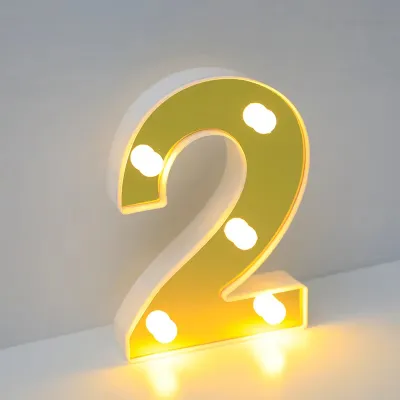
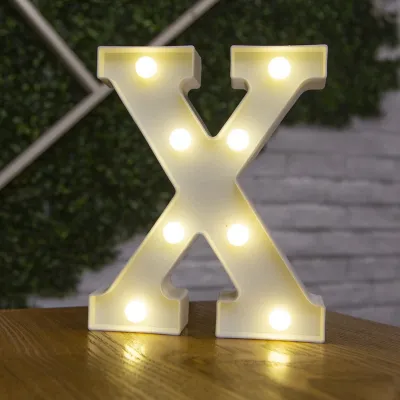
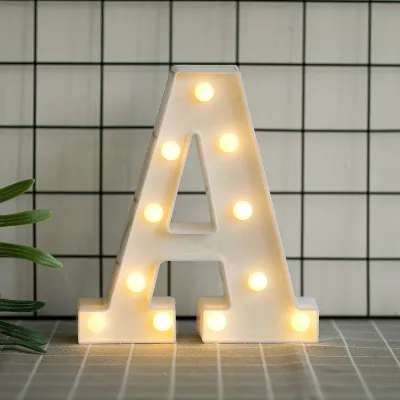
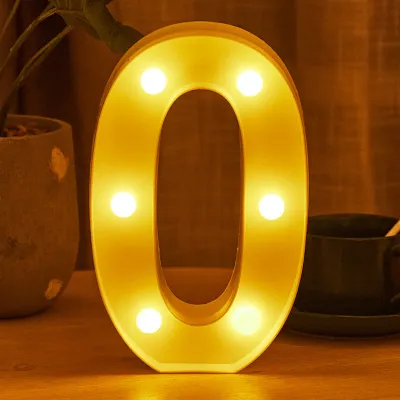
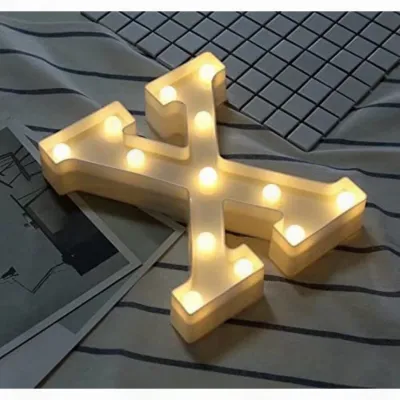
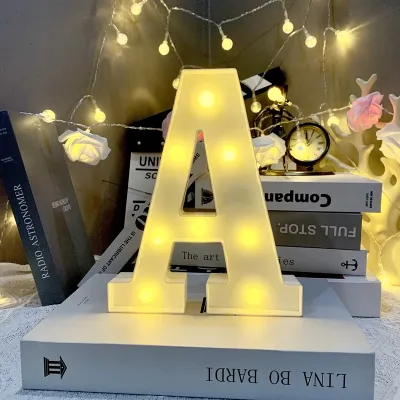
Prices are valid at publication and may change. Please refer to the product page for the latest price.
Electrical Compatibility
The standard electrical utility grid in the Philippines operates at 220V and 60Hz. Because LED neon signs operate internally on low voltage (typically 12V or 24V), they require an external power adapter or transformer to step down the mains voltage. Ensure the seller provides a high-quality power brick rated for 220V input with a compatible plug type—usually Type A or Type B flat-pin plugs. Look for safety certifications such as CE, RoHS, or UL marked on the adapter to ensure it can handle continuous operation safely without overheating.
Customization Flexibility
A reliable customizer should offer a wide range of design parameters. This includes a diverse library of fonts—ranging from clean sans-serifs to flowing scripts—and a broad color palette. The backing board itself should be customizable. Common styles include “cut-to-shape” (contoured to the outline of the letters), “whole-board” (rectangular or square acrylic sheets), or “cut-to-letter” (individual backing for each character). Ensure the seller can accommodate your preferred style to match your interior decor.
Warranty and After-Sales Support
Because custom-made items cannot be easily resold, clear warranty and return policies are essential. Reputable sellers typically offer a 6-month to 1-year warranty covering the electrical components, including the power adapter and the LED strip itself. Before placing an order, evaluate the seller’s customer service responsiveness. A seller who answers questions promptly and provides detailed design mock-ups is more likely to offer reliable support if your sign experiences shipping damage or technical issues.
Where to Buy: Best Platform Types for Custom Name Lights
Global Handmade and Custom Marketplaces
International craft-focused and custom marketplaces connect buyers directly with independent global artisans. These platforms are excellent for finding highly specialized designers who can create intricate, museum-quality custom name lights.

- Pros: You gain access to unique, highly artistic designs and robust buyer protection programs that hold your payment in escrow until the product is delivered. Detailed, verified seller reviews with photos make it easier to gauge quality.
- Cons: Shipping to the Philippines can take several weeks, and international shipping fees can sometimes equal or exceed the cost of the sign itself. Additionally, packages valued over ₱10,000 (the de minimis threshold in the Philippines) are subject to local customs duties and taxes, which you must settle upon arrival.
- Best For: Buyers who want premium, highly detailed artistry, unique custom fonts, or special-occasion gifts, and are not on a tight timeline or strict budget.
Local E-commerce Platforms
Mainstream online marketplaces operating within the Philippines host hundreds of local and regional neon sign makers. Navigating these platforms requires a careful vetting process to ensure you receive a high-quality product.
- Vetting Process: Filter search results to show local sellers or those shipping from within the Philippines to minimize transit times. Dive deep into the review section; look specifically for user-uploaded photos and videos of the actual signs illuminated in real-world settings. Message the seller directly to ask for a design proof and verify their responsiveness. Be wary of listings with generic stock photos or suspiciously low prices, which often indicate dropshippers selling substandard products.
- Pros: You benefit from faster local delivery (often within 5 to 10 days), lower shipping costs, and the ability to communicate easily with the seller in local languages. Payment methods like Cash on Delivery (COD) or local mobile wallets are widely supported.
- Cons: There is a high variance in build quality. Some budget sellers use thin PVC casing, low-density LED strips that show individual light dots, or fragile backing boards that warp easily.
- Best For: Budget-conscious shoppers, quick turnaround projects, and buyers who prefer familiar, localized payment and communication channels.
Dedicated LED Neon Manufacturer Websites
Direct-to-consumer (DTC) websites specializing exclusively in LED neon signage offer a highly streamlined, professional ordering experience. These brands usually feature interactive online design tools.
- Pros: Their proprietary web-based builders allow you to type in your text, select fonts, colors, and backing styles, and view a real-time 3D preview alongside an instant price quote. Because they specialize solely in neon, their manufacturing standards, soldering quality, and component reliability are highly consistent.
- Cons: These specialized manufacturers often charge premium prices. While many ship globally, if they do not operate a local warehouse or production facility in the Philippines, you may still face international shipping fees and potential customs delays.
- Best For: Business owners, event planners, and individuals who want absolute control over their design specifications and require a polished, commercial-grade product.
Local Physical Signage and Print Shops
For those who prefer a hands-on approach, local physical advertising, printing, and signage shops located in major urban centers across the Philippines (such as Metro Manila, Cebu, or Davao) are excellent options.
- Pros: You can visit the shop to consult face-to-face with a designer, physically inspect material samples (such as different acrylic thicknesses and silicone colors), and discuss structural mounting requirements. There is zero risk of shipping damage, and you can often pick up the finished sign directly.
- Cons: Physical shops may have limited design templates or lack the specialized, automated bending equipment of dedicated online manufacturers. Custom, single-piece orders can also be more expensive than mass-customized online alternatives due to setup costs.
- Best For: Complex or oversized commercial installations, urgent local projects where you can pick up the item yourself, and buyers who want to inspect the physical build quality before finalizing payment.
How to Design and Specify Your Name Light Letters
Typography and Readability
When you decide to customize name light letters for your space, font selection is critical. LED neon flex has physical limitations; it cannot be bent at extremely sharp angles or compressed into tiny, intricate shapes. Avoid overly thin, highly condensed, or complex cursive scripts, as these can cause the letters to blur together when illuminated. Opt for clean sans-serif fonts or bold, simplified script fonts. Ensure the seller specifies a minimum letter height (typically at least 10 to 15 centimeters per letter) to maintain legibility from a distance.
Color Temperature and Ambiance
The color of your neon sign significantly influences the mood of the room. For cozy residential spaces like bedrooms or living rooms in a condominium, warm white (2700K to 3000K) or soft pastel tones (like peach or warm pink) create a relaxing, ambient glow. For entertainment areas, home bars, or commercial spaces, vibrant primary colors (like electric blue, deep red, or emerald green) or dynamic RGB color-changing setups with remote controls offer a more energetic vibe.
Sizing and Space Planning
Measure your wall space carefully before ordering. A sign that is too small will look lost on a large wall, while one that is too large can overwhelm the room. Consider the backing board style as well. Clear acrylic backing is the most popular as it blends seamlessly into any wall color when the sign is turned off. However, you can also opt for glossy black acrylic to make the colors pop, or even mirrored backing to add depth and reflect ambient light.
Power and Cord Specifications
Specify the required length of the power cord (the wire running from the sign to the adapter, and from the adapter to the wall outlet) to avoid having unsightly hanging wires or needing extension cords. Most standard signs come with a 1.5 to 2-meter cord. If you plan to mount the sign high on a wall, request a longer cord. Ensure the power adapter supplied is rated for continuous use and matches the total wattage of your sign to prevent overheating.
Safe Installation and Placement in Condos
Damage-Free Mounting
Many condominium units and rental properties in the Philippines have strict guidelines against drilling holes into concrete or drywall. To keep your security deposit intact, utilize damage-free mounting solutions. Heavy-duty adhesive mounting strips rated for the weight of your sign can secure lightweight acrylic backings directly to smooth walls. Alternatively, you can hang the sign from existing picture rails, curtain tracks, or wall hooks using high-tensile clear nylon fishing line, which distributes the weight evenly and remains virtually invisible.
Electrical Safety
Always prioritize electrical safety when installing decorative lighting. Avoid plugging your custom neon sign into overloaded power strips or sharing an outlet with high-draw appliances like air conditioners or microwave ovens. Use a high-quality surge protector to safeguard the sign’s sensitive LED driver from local power fluctuations. Ensure the power adapter is placed in a well-ventilated area—never tuck it behind pillows, mattresses, or heavy drapes where heat can build up.
Placement and Heat Management
Although LED neon flex runs significantly cooler than traditional glass neon, it still requires proper environmental conditions. Keep the sign and its power adapter away from direct sunlight, which can degrade the silicone casing and cause colors to fade over time. Avoid placing the sign near flammable materials or in high-humidity zones like bathrooms or open-air balconies, unless the manufacturer has explicitly certified the sign with an IP65 or higher waterproof rating. If you are unsure about the installation environment or if the wiring instructions conflict with your condo’s electrical guidelines, always consult a qualified professional electrician.
Frequently Asked Questions (FAQ)
Are LED neon signs safe to leave on overnight?
Yes, high-quality LED neon signs are generally safe to leave on for extended periods because they operate on low voltage (typically 12V or 24V) and generate minimal heat compared to traditional glass neon. However, to maximize the lifespan of the LEDs and conserve energy, it is highly recommended to use an inline dimmer, a plug-in timer, or a smart plug. This allows you to schedule the sign to turn off automatically during sleeping hours, preventing unnecessary wear on the power adapter.
How do I clean and maintain my custom neon sign?
To clean your custom neon sign safely, always unplug it from the wall outlet first to isolate the electrical current. Use a soft, dry microfiber cloth to gently wipe away dust from the silicone tubing and the acrylic backing board. For stubborn smudges on the acrylic, you may use a slightly damp microfiber cloth with water or a dedicated acrylic cleaner. Avoid using harsh chemical solvents, alcohol, or abrasive scrubbing pads, as these can permanently scratch the acrylic and degrade the protective silicone casing.
Can I use a custom neon sign outdoors in the Philippines?
Standard custom neon signs designed for indoor use are not waterproof and will quickly fail if exposed to the high humidity, heavy rainfall, and intense heat of the Philippine climate. If you plan to use a sign outdoors—such as on a balcony, storefront, or outdoor event space—you must explicitly specify this to the seller before ordering. Outdoor signs require specialized IP65-rated waterproof silicone tubing, sealed electrical connections, a weatherproof power supply, and professional installation to ensure safety and durability.
Community discussion
Share your experience or ask a question. Comments are reviewed before publication.