
You do not need every candle accessory on the market to enjoy a clean, fragrant burn. Instead, the tools you actually need depend entirely on the specific burning issues you encounter, such as tunneling, excessive soot, flickering flames, or messy wax drips. By matching targeted accessories like wick trimmers, dippers, lids, or protective plates to your exact candle problems, you can extend the life of your candles and keep your living space clean.
Diagnose Your Candle Problems Before Buying Accessories
Before spending money on new tools, observe how your candles burn. Visual and olfactory signals reveal what is going wrong with the wax and wick. Black soot on a glass jar, a rapidly flickering flame, or an uneven wax pool leaving a hard ring are clear signs of a troubled burn. You might also notice wax dripping down the sides of a pillar or taper candle, potentially damaging your tabletop.
It is crucial to distinguish between inherent candle quality issues and daily burning habits. Some problems stem from manufacturing defects, such as a poorly centered wick, an incorrect wick size, or a low-quality wax blend. Other issues result from how you handle the candle, such as burning it in a drafty hallway, leaving it lit for only a few minutes, or blowing out the flame aggressively.
Products mentioned in this guide
Prices are valid at publication and may change. Please refer to the product page for the latest price.
Understanding these differences helps you determine if an accessory can solve the problem. Accessories are not mandatory add-ons for every candle; rather, they are targeted physical solutions designed to correct specific environmental and mechanical issues. If a candle is fundamentally flawed with a missing or off-center wick, no tool can save it, but proper accessories easily correct common user habits and draft-related issues.
Match the Right Candle Accessories to Your Specific Issues
Once you identify the symptoms of your candle’s poor burn, you can select the precise tools needed to correct them. Different accessories target different physical behaviors of the flame, wax pool, and container.

Fixing Excessive Soot and Flickering (Wick Trimmers & Dippers)
Excessive black soot and a flickering flame are usually caused by a wick that is too long or exposed to moving air. When a wick grows too long, it develops a carbon buildup at the tip, often called “mushrooming,” which burns inefficiently and releases dark smoke. Drafts from open windows, fans, or air conditioners compound this issue by destabilizing the flame.
To resolve this, a dedicated wick trimmer is your primary line of defense. Before lighting your candle, use the trimmer to cut the wick to the manufacturer’s recommended length, typically found on the warning label (often around 6 millimeters or one-quarter of an inch). Keeping the wick at this length ensures a controlled, steady flame that consumes the wax at an even rate without producing excess soot.
When it is time to extinguish the flame, blowing it out creates a cloud of unpleasant smoke. A wick dipper offers a much cleaner alternative. By using the long metal tool to gently push the lit wick directly into the melted wax pool, you extinguish the flame instantly without any smoke or lingering odor. Immediately pull the wick back up and re-center it for your next burn.
Preventing Tunneling and Short Burn Times (Illuma Lids & Wax Melters)
Tunneling occurs when a candle burns down the center, leaving a hard ring of unmelted wax along the outer walls of the jar. This common issue is often triggered by a short initial burn where the wax pool did not reach the edges, or by drafts cooling the sides of the container. Over time, the wick sinks deeper into a narrow tunnel, eventually drowning in its own melted wax and shortening the overall burn life.
An illuma lid or candle topper is an excellent accessory to combat this heat loss. These metal lids sit directly on top of the jar, concentrating the rising heat and reflecting it back down onto the cold, hard wax edges. Before purchasing a topper, you must verify the outer diameter and lip compatibility of your jar to ensure a secure, stable fit. The concentrated heat helps melt the stubborn outer ring, restoring a flat, even wax pool.
For severely tunneled candles where the wick has already drowned, accessories can no longer restore a normal flame. In these cases, you can salvage the remaining scented wax by using a dedicated wax melter. If you choose an electric wax melter, ensure you verify its voltage compatibility with your household outlets and check for recognized electrical safety certifications. Carefully scoop out the unburned wax chunks and place them in the dish of the warmer to safely enjoy the fragrance without needing a wick.
Managing Wax Spills and Drips (Candle Plates & Holders)
Taper candles and certain pillar candles are naturally prone to dripping, especially when exposed to subtle air currents. Even a minor draft can cause the flame to melt one side of the candle faster than the other, leading to a sudden cascade of hot liquid wax. Without proper protection, this wax can easily ruin wooden tables, stain tablecloths, or damage delicate mantel surfaces.
To manage these inevitable drips, always place your candles on appropriately sized candle plates, bobeches, or deep holders. A bobeche is a small glass or metal collar that slips over the base of a taper candle to catch drips before they reach the holder. For larger pillar candles, a wide ceramic, glass, or metal plate provides a stable, heat-resistant barrier that catches any overflow.
When choosing these protective accessories, ensure the material can easily withstand hot wax temperatures without cracking or transferring excessive heat to the furniture below. Additionally, verify that the base diameter of your candle matches the holder or plate recess perfectly. A secure, snug fit prevents the candle from tilting, which is a primary cause of uneven burning and sudden wax spills.
When to Stop and Replace Instead of Accessorizing
While accessories can solve many common burning issues, there are times when a candle is beyond saving and poses a safety hazard. You must stop burning a candle immediately if you notice any cracks in the glass container, if the vessel becomes too hot to touch safely, or if there is a deep, thick layer of soot buildup that could weaken the glass structure. A compromised container can shatter under the intense heat of the flame, leading to hot wax spills or a potential fire.
Additionally, discard the candle if the wick has broken off, is completely submerged in the wax pool, or is missing entirely. Attempting to dig out a buried wick with knives or matches can damage the candle structure and create an unstable, dangerous flame. Finally, recognize when a candle’s scent throw has permanently faded; if you no longer smell the fragrance despite proper wick maintenance and a clean burn, the fragrance oils have likely depleted, and it is time to replace the candle.
Frequently Asked Questions (FAQ)
Can I use regular scissors instead of a wick trimmer?
While you can technically use standard household scissors on a brand-new candle, they quickly become impractical as the candle burns down. Standard straight scissors cannot easily reach into the narrow, deep openings of jar candles, forcing you to tilt the candle and potentially damage the wick. Furthermore, regular scissors do not have a built-in debris catcher, meaning trimmed wick pieces are likely to fall directly into the wax pool. These loose carbon pieces can act as secondary wicks, causing dangerous flare-ups and excessive soot during your next burn. An angled wick trimmer is specifically designed to cut deep inside jars and safely capture the clipped debris.
Do candle snuffers actually prevent smoke?
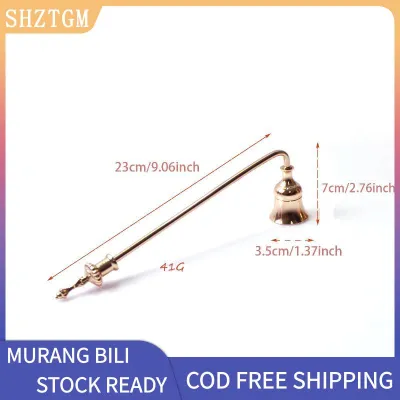
Candle snuffers are classic tools designed to extinguish flames safely, but they do not eliminate smoke entirely. A snuffer works by placing a small metal bell over the flame to cut off its oxygen supply. While this prevents you from blowing hot wax or soot around the room, a small wisp of smoke and a strong smoldering odor will still escape the moment you lift the bell. If your primary goal is a completely smoke-free experience, a wick dipper is a more effective choice because it traps the smoke entirely beneath the cooling wax. Whichever tool you choose, always check the wick afterward to ensure it remains centered and is not bent or submerged too deeply in the wax.
Community discussion
Share your experience or ask a question. Comments are reviewed before publication.