
Eekoo solar lights offer a practical, wire-free, and energy-efficient way to illuminate outdoor spaces without adding to your monthly electricity bill. By converting sunlight into stored electrical energy, these fixtures eliminate the need for complicated trenching or outdoor wiring, which can be particularly hazardous in wet environments. However, finding the right model is not simply a matter of purchasing the brightest fixture available. A light that works perfectly for security might blind guests on a garden path, while a soft decorative light will fail to secure a dark perimeter.
To achieve the best results, you must match the specific light style to the unique physical characteristics of your outdoor zones. Outdoor lighting generally falls into three functional categories: pathways, gardens, and perimeters. Each zone requires a distinct combination of beam angles, brightness levels, and sensor behaviors to perform its intended job effectively.
For pathways and walkways, your main goal is safe navigation, which requires low-profile, downward-focused fixtures like stake lights or recessed deck lights. These designs guide your footsteps without casting glare into your eyes. In contrast, garden beds benefit from accent lighting, such as adjustable spotlights or decorative string lights, which highlight textures and foliage. Finally, perimeters demand high-output, reactive fixtures equipped with motion sensors to deter intruders and provide bright, clear visibility when someone approaches.
Products mentioned in this guide
![TOP SELLER[52.2k Sold]EEKOO Solar Lights buy 1 take 1 1000W 200W 300W Heavy Duty Garden Led Outdoor Flood Light Street Lamp with solar panel IP67 Waterproof 5 Year Warranty COD](https://img.lazcdn.com/g/p/8f3c489f2f93c29d5bc6fb92058b0495.jpg_400x400q80.jpg_.webp)
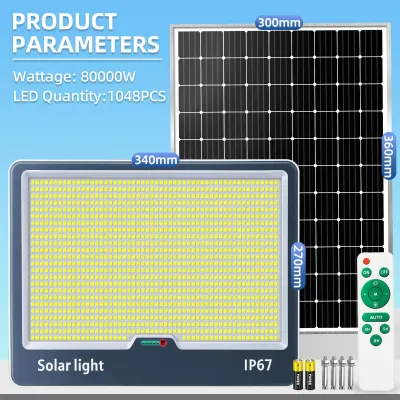
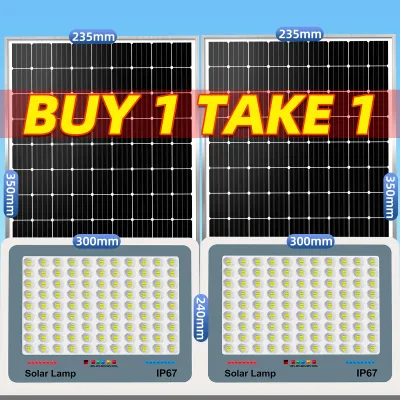
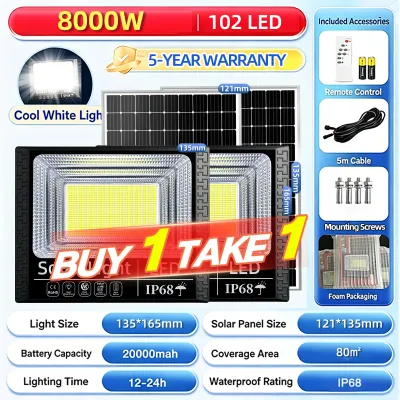
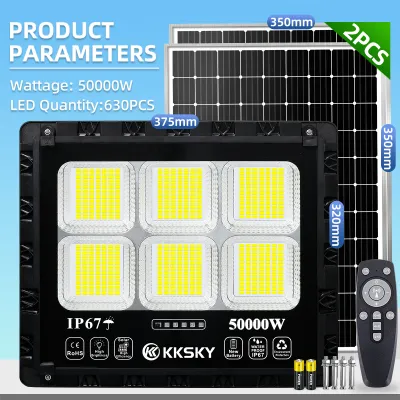
Prices are valid at publication and may change. Please refer to the product page for the latest price.
By evaluating your outdoor layout ahead of time, you can select Eekoo solar lights that serve a clear purpose. Rather than scattering random fixtures across your yard, categorizing your space into distinct functional zones ensures that every light contributes to a safe, beautiful, and cohesive outdoor environment.
Quick Guide: Matching Light Types to Your Outdoor Zones
When planning your outdoor lighting layout, matching the fixture type to the specific zone is the most efficient way to ensure safety, functionality, and aesthetic appeal. The following guide outlines how to align your needs with the appropriate Eekoo solar light styles:
- Pathways and Walkways: Focus on low-profile, downward-directed fixtures like stake lights, bollards, or recessed step lights. These mark walking boundaries and highlight potential tripping hazards without casting glare into your eyes.
- Gardens and Landscaping: Use accent fixtures such as adjustable spotlights, decorative string lights, or hanging lanterns. These allow you to highlight specific foliage, trees, or social seating areas to create a warm, inviting atmosphere.
- Perimeters and Entryways: Choose high-output, motion-activated floodlights or wall-mounted security lights. These provide bright, wide-angle illumination to deter intruders and light up dark driveways or side gates upon arrival.
By selecting fixtures based on these zones, you avoid common mistakes like over-illuminating relaxation areas or leaving dark, hazardous blind spots along your pathways.
Essential Specifications to Check Before You Buy
Before purchasing any Eekoo solar light model, you must verify its technical specifications on the product label or manufacturer listing. Because these fixtures operate entirely outdoors, they are exposed to harsh environmental elements that can quickly degrade low-quality components. Paying close attention to the technical details ensures your lighting investment survives the local climate and delivers the performance you expect.

- Weather Resistance (IP Rating): The Ingress Protection (IP) rating is the most critical factor determining an outdoor light's lifespan. For permanent outdoor installations, you should look for an IP65 rating or higher. An IP65-rated fixture is completely dust-tight and can withstand low-pressure water jets from any angle, making it highly resilient against heavy downpours and high humidity. Avoid IP44 or lower ratings for fully exposed areas, as these are only splash-proof and may fail during severe weather.
- Brightness and Color Temperature: Brightness is measured in lumens. For subtle pathway guidance or decorative garden accents, fixtures offering 10 to 100 lumens are generally sufficient. For security and area lighting, you will need high-output fixtures that deliver 500 to over 1,000 lumens. Color temperature, measured in Kelvin (K), determines the visual warmth of the light. Warm white (2700K to 3000K) produces a soft, yellowish glow that suits relaxing areas, patios, and foliage. Cool white (5000K to 6500K) emits a bright, bluish-white light that provides high contrast and clarity, making it the preferred choice for security areas and driveways.
- Solar Panel and Battery Efficiency: Solar panels are typically made of either monocrystalline or polycrystalline silicon. Monocrystalline panels are more efficient, especially in limited space or under partial shade, though they generally sit in a higher price band. Polycrystalline panels are more affordable but require slightly more surface area to produce the same amount of power. Equally important is the battery capacity, measured in milliampere-hours (mAh). A larger battery capacity allows the fixture to store more energy during the day, ensuring the light can operate throughout the night. For high-lumen security lights, look for batteries with at least 2,000 mAh to 4,000 mAh capacities.
- Lighting Modes and Sensors: Modern solar lights offer several operating modes. Dusk-to-dawn mode uses an integrated light sensor to turn on automatically at a low, continuous brightness level when the sun goes down. Motion-sensor mode remains off or at a dim standby level until its sensor detects movement, triggering full brightness for a set period. Manual switch mode allows you to turn the light on or off physically, which is highly useful for portable lanterns or decorative string lights.
- Electrical and Mechanical Compatibility: Even though solar lights are low-voltage DC systems, you must verify the battery voltage (typically 3.2V or 3.7V for lithium-ion, or 1.2V for NiMH) and ensure any replacement batteries match this exact specification. If you are installing a model with a separate solar panel, verify the cable connector interface (such as a barrel plug or threaded waterproof connector) and the cable length to ensure it reaches your mounting site. Additionally, check for electrical certifications (such as CE, RoHS, or local safety marks) on the product label to ensure the internal charging circuitry has overcharge and over-discharge protection, preventing battery swelling or thermal risks in high tropical temperatures.
Illuminating Pathways and Walkways
Navigating your driveway, garden paths, or outdoor steps in the dark requires reliable, well-placed illumination. When planning pathway lighting, your primary objective is to mark boundaries and identify potential tripping hazards without creating blinding glare. Properly selected Eekoo pathway lights guide foot traffic safely while enhancing the overall visual appeal of your home’s exterior.
To achieve this balance, look for fixtures that focus their light downward. Direct glare from exposed bulbs can temporarily impair your night vision, making it harder to see the ground ahead. Low-profile bollards, classic stake lights, and recessed deck lights are excellent options for this application. These styles direct their output toward the ground, illuminating the walking surface while keeping the source of the light shielded from direct view.
When installing stake lights along a walkway, spacing is key. A common mistake is placing fixtures too close together, which creates a crowded, runway-like appearance. Instead, space your lights so that their pools of illumination barely touch or slightly overlap. This creates a continuous visual guide without creating excessive bright spots. For typical garden paths, spacing fixtures 4 to 6 feet apart is a reliable starting point, though you may need to adjust this depending on the lumen output of your chosen Eekoo model.
Before finalizing your purchase, verify the construction materials of the pathway fixtures. Look for heavy-duty ABS plastic or stainless steel housings that can withstand accidental bumps from lawnmowers, string trimmers, or stray footsteps. Additionally, check the height of the stakes; they must be tall enough to rise above your lawn grass so the solar panels do not become shaded by overgrown turf, yet low enough to remain stable during windy conditions.
Enhancing Gardens and Landscape Features
Landscape lighting is less about safety and more about creating visual depth, highlighting natural textures, and establishing a welcoming outdoor atmosphere. By carefully positioning Eekoo solar lights around your garden, you can transform dark trees, stone walls, and flower beds into beautiful focal points after the sun sets.
For garden beds and larger plants, uplighting is a highly effective technique. This involves placing adjustable solar spotlights at the base of a tree or a large shrub and angling the beam upward into the foliage. This highlights the intricate structure of the branches and casts dramatic shadows on nearby walls. When selecting spotlights, look for models that feature adjustable heads for both the light fixture and the solar panel, allowing you to direct the light precisely while angling the panel toward the sun.
Decorative string lights and hanging lanterns are ideal for social areas like patios, pergolas, and outdoor dining spaces. Draping warm-white string lights overhead creates a cozy, festive ambiance that encourages outdoor gathering. If you choose hanging lanterns, ensure they are securely suspended from sturdy hooks or branches to prevent them from falling during sudden gusts of wind.
When planning your landscape lighting design, opt for warm white color temperatures (2700K to 3000K). Warm light complements natural elements like wood, brick, and green foliage, making your garden feel organic and inviting. Cool white light can make plants look washed out, cold, or artificial. Furthermore, verify that the plastic components of your chosen decorative fixtures are UV-resistant. Continuous exposure to intense sunlight can cause non-UV-treated plastics to become yellow, brittle, and prone to cracking over time.
Securing Perimeters and Entryways
Securing the perimeter of your property requires a different approach than decorative or pathway lighting. For entryways, side alleys, and driveways, you need high-output, reliable illumination that deters unwanted visitors and provides clear visibility when you arrive home late. Eekoo security lights equipped with motion sensors are designed specifically for this purpose.
The core of any effective security light is its Passive Infrared (PIR) motion sensor. PIR sensors detect changes in infrared radiation, which occurs when a warm body—such as a human or a vehicle—moves across the sensor’s field of view. When selecting a security model, verify the sensor’s detection range (typically measured in feet or meters) and its detection angle (often ranging from 120 to 180 degrees). To maximize detection accuracy, mount the fixture at the manufacturer’s recommended height—usually between 6 and 8 feet—and angle the sensor downward toward the expected path of approach.
For areas that require broad, intense illumination, look for multi-head solar floodlights. These fixtures feature adjustable light heads that can be pointed in different directions, allowing you to illuminate a wide driveway and a side gate simultaneously from a single installation point. Ensure the model you choose delivers at least 800 to 1,000 lumens to provide adequate coverage for large spaces.
One crucial feature to verify when choosing a security light is whether it has an integrated or a split solar panel design. An integrated design, where the solar panel is built directly onto the top of the light fixture, is highly convenient but requires the entire unit to be mounted in direct sunlight. If you need to illuminate a dark entryway under a deep roof eave or a shaded carport, opt for a split-panel model. These models feature a separate solar panel connected to the light fixture by a long, weather-resistant cable. This allows you to mount the light exactly where you need it while placing the solar panel on your roof or an outer wall where it can receive maximum sunlight.
For security lights mounted at heights (such as on high eaves or poles), always use a stable ladder and have an assistant secure the base. If your Eekoo model requires fixed wiring to a backup power source or integration with existing electrical circuits, always isolate the main power at the circuit breaker before beginning work, follow the manufacturer’s step-by-step installation instructions, and consult a qualified professional electrician to ensure compliance with local electrical codes.
Installation and Maintenance for Tropical Climates
Operating solar lights in a tropical climate like the Philippines brings unique challenges, including intense heat, high humidity, and prolonged rainy seasons. To ensure your Eekoo solar lights remain functional and durable year-round, you must follow proper installation and maintenance practices tailored to these demanding environmental conditions.
For solar lights to perform reliably, their panels must receive unobstructed, direct sunlight for at least 6 to 8 hours daily. When selecting installation spots, observe how shadows move across your yard throughout the day. Roof overhangs, tall fences, and dense tree canopies can block vital sunlight, significantly reducing the fixture’s ability to charge. Even partial shading on a small portion of a solar panel can drastically lower its energy output, resulting in dim lights that turn off after only a few hours.
Over time, dust, pollen, bird droppings, and salt residue (in coastal areas) will accumulate on the surface of the solar panels. This debris blocks sunlight and reduces charging efficiency. To maintain optimal performance, establish a routine to clean your solar panels at least once a month. First, turn off the fixture if it has a physical power switch. Wipe away loose dirt using a soft, dry brush or micro-fiber cloth. Next, dampen a clean cloth with plain water and gently wipe the panel surface. Avoid using abrasive scrubbing pads, harsh chemical cleaners, or detergents, as these can scratch or degrade the protective coating on the solar panel. Allow the panel to dry completely before turning the unit back on.
All rechargeable batteries naturally degrade over time, typically lasting between 1 and 2 years depending on usage patterns and environmental temperatures. High tropical heat can accelerate this degradation. If you notice your Eekoo solar lights are turning off much earlier than usual despite receiving a full day of sunlight, the battery may need replacement. Before attempting to change the battery, consult the product manual to verify if your specific model has a user-replaceable battery compartment. Some highly waterproof models are permanently sealed to prevent water ingress; attempting to open these can compromise their weather resistance and void the warranty.
During the rainy season or prolonged monsoon periods, solar lights will experience reduced runtimes due to heavy cloud cover. This is normal behavior, as the panels cannot collect enough energy to charge the batteries fully. To conserve power during these periods, switch your multi-mode lights from continuous dusk-to-dawn mode to motion-sensor mode. Additionally, during severe weather warnings or typhoons, it is highly recommended to temporarily uninstall delicate decorative lights, hanging lanterns, and stake lights and store them indoors. This simple step prevents physical damage from flying debris, falling branches, or localized flooding.
Frequently Asked Questions (FAQ)
Do Eekoo solar lights work during the rainy season?
Yes, Eekoo solar lights will still function during the rainy season, but their performance will be noticeably reduced. Solar panels can capture diffuse sunlight through cloud cover, but the charging efficiency drops significantly compared to bright, sunny days. As a result, the lights may not shine as brightly or last as long through the night. To maximize performance during overcast seasons, choose models with larger solar panels or separate, adjustable panels that can be positioned to capture every bit of available daylight.
Can I replace the batteries in my solar lights?
Whether you can replace the batteries depends entirely on the specific Eekoo model you own. Many Eekoo solar lights are designed with accessible, screw-secured battery compartments, allowing you to easily swap out old rechargeable batteries (typically standard AA or AAA NiMH, or 18650 Li-ion cells) once they reach the end of their lifespan. However, some models are permanently sealed at the factory to achieve a higher IP waterproof rating. For these sealed units, attempting to open the housing can ruin the waterproof seals and void your warranty, so you should always consult your product manual first.
Why is my solar light staying on during the day?
If your solar light remains illuminated during daylight hours, it is usually caused by a blocked or dirty light sensor. Solar lights rely on a built-in sensor (often integrated into the solar panel itself) to detect ambient light levels. If the panel is covered in thick dirt, leaves, or bird droppings, or if it is installed in a permanently shaded recess, the sensor will mistake the darkness for night. Cleaning the panel and ensuring it is not blocked by physical obstructions should resolve the issue. If the problem persists, the internal sensor circuitry may be damaged, or the rechargeable battery may be deeply depleted and unable to signal the control board correctly.
Community discussion
Share your experience or ask a question. Comments are reviewed before publication.