
Finding the perfect framed wall art often feels overwhelming when your walls remain bare because you are unsure which artistic style actually complements your existing furniture, color palette, and architectural layout. The most effective way to match framed wall art to your interior design theme is to align the art’s visual complexity, color temperature, and frame materials with the foundational principles of your space—such as choosing minimalist line art in sleek metal frames for ultra-modern rooms, or warm, textured organic prints in natural wood frames for Japandi and tropical environments. By analyzing your room’s dominant design elements first, you can select pieces that feel like intentional extensions of your home rather than disconnected afterthoughts.
How do you identify your room's core interior design theme?
Identifying your room’s core interior design theme requires auditing the dominant materials, color palettes, and structural lines already present in your furniture and architectural finishes. By observing these physical elements, you can determine whether your space leans toward a specific style or a blend of overlapping design movements.
To begin this assessment, look at the largest surfaces and furniture pieces in the room. If your space features low-profile wooden furniture, neutral tones, and clean lines with minimal clutter, it likely aligns with Minimalist or Japandi principles. On the other hand, if your room incorporates rich natural textures like rattan, woven bamboo, and vibrant green foliage alongside warm wood tones, it leans toward a Modern Tropical aesthetic.
Products mentioned in this guide
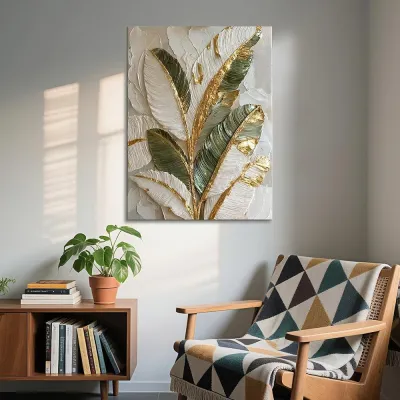
19 Lazada user ratings
it's not same with the picture,may pingas at damage p...excited to see p nman .a bit disappointed,even the color is different..but any way p…Read full reviewShow less
it's not same with the picture,may pingas at damage p...excited to see p nman .a bit disappointed,even the color is different..but any way pede n pag tyagaan..syang nman...
It looks fine. can be used as decor.
for me..satisfied aq very nice
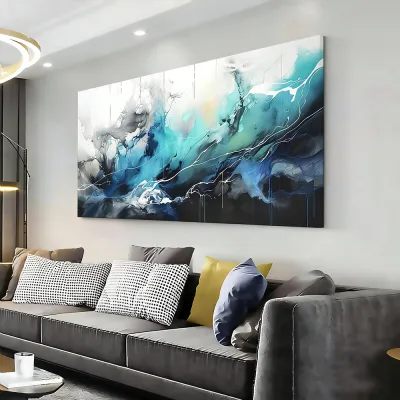
4 Lazada user ratings
Sobrang liit pala. Kala ko malaki
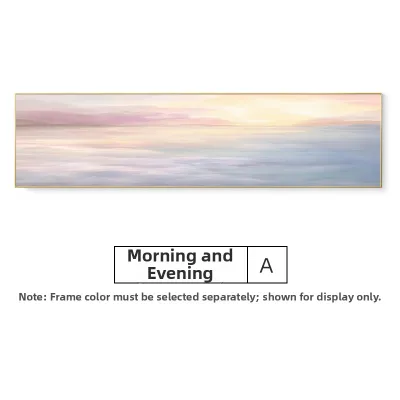
4 Lazada user ratings
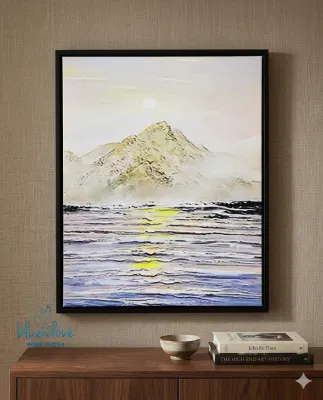
Easy to hang, Beautiful sea view, 💰Price: reasonably priced 🎨Design: ⭐️⭐️⭐️⭐️⭐️ 🔍Quality: aluminum ung frame nya . Antagal lang dumating mga 1 month …Read full reviewShow less
Easy to hang, Beautiful sea view, 💰Price: reasonably priced 🎨Design: ⭐️⭐️⭐️⭐️⭐️ 🔍Quality: aluminum ung frame nya . Antagal lang dumating mga 1 month ata hinintay galing China . Dumaan pa ng customs
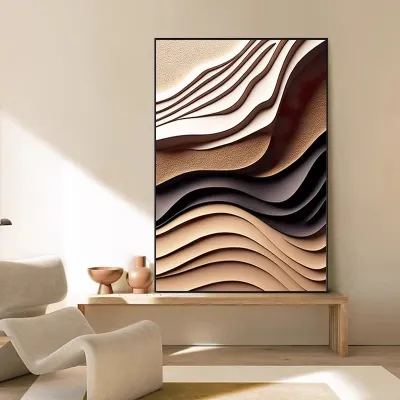
1 Lazada user ratings
The texture is great!
1 Lazada user ratings
Very nice! It enhances the appearance and ambiance of my living room.


32 Lazada user ratings
Material:High-quality canvas material, Design:Inspirational and meaningful Price:Good price. It's worth every cent.
Excellent craftsmanship, Inspirational and meaningful, Beautiful artwork,
there are winkles on the painting and cloth buy it still looks good.
Impressive classical design, Ang Ganda Po nya
oky nmn sya trapal un item
87 Lazada user ratings
Super ganda pang accent ng empty wall ko and legit oil paint texturized talaga siya medyo kinabahan ako nung una kasi kala ko printed lang s…Read full reviewShow less
Super ganda pang accent ng empty wall ko and legit oil paint texturized talaga siya medyo kinabahan ako nung una kasi kala ko printed lang sya. 🥰
Great addition to my home decor, Received in excellent condition,Adds a modern touch to any room, Impressive abstract design,
Very pretty. Will hang this. Worth every peso. Will get more thank you seller. Please add more designs to choose from
Thank you! Maganda po sya actually.
nice frame good quality
Prices are valid at publication and may change. Please refer to the product page for the latest price.
Next, define the specific mood you want your wall art to enhance. Art can either blend seamlessly into the background to promote tranquility or act as a high-contrast focal point to inject energy. For instance, a serene bedroom benefits from art that matches the existing wall color’s undertones, while a lively living room can support bolder, contrasting visual elements. Be careful not to misidentify your theme by focusing on isolated decorative items; instead, base your decision on the permanent fixtures, flooring, and primary furniture pieces that dictate the room’s overall visual weight.
Which framed wall art styles complement minimalist and Japandi spaces?
Minimalist and Japandi spaces are well-suited to framed wall art that features ample negative space, clean line work, abstract geometric shapes, or muted, organic textures. These artistic styles preserve the uncluttered, serene atmosphere essential to both design movements while adding subtle visual interest.

For a strict minimalist interior, look for single-line drawings, black-and-white photography with high contrast, or simple geometric abstract prints. The key is to select artwork where the subject matter does not compete with the room’s architectural simplicity. Ample negative space—the empty area surrounding the main subject of the art—helps the eyes rest, maintaining the clean, spacious feel of a minimalist layout.
Japandi interiors, which merge Japanese minimalism with Scandinavian warmth, require a slightly softer, more organic approach. Instead of stark black-and-white contrasts, opt for art featuring earthy tones like terracotta, olive green, warm beige, and soft charcoal. Wabi-sabi textures, such as handmade paper prints, watercolor washes, or abstract representations of natural landscapes, work exceptionally well. These pieces celebrate natural imperfections and bring a sense of quiet rustic warmth to the walls.
When selecting art for these themes, avoid overly detailed, highly saturated, or chaotic compositions. Busy oil paintings or complex collage prints can disrupt the visual harmony of a minimalist or Japandi room, making the entire space feel cluttered regardless of how tidy the floor is.
What framed wall art styles work best for modern tropical interiors?
Modern tropical interiors pair exceptionally well with large-scale botanical illustrations, vibrant abstract paintings, or high-definition nature photography that captures lush foliage and warm, natural sunlight. These art styles enhance the relaxed, organic, and lively atmosphere of a tropical-themed home while maintaining a sophisticated, contemporary edge.
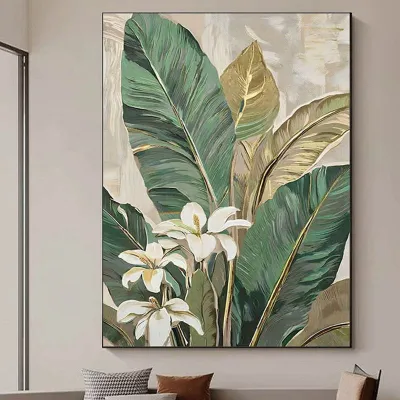
To complement this theme, look for artwork that echoes the rich textures and colors found in tropical environments. Large prints featuring monstera leaves, banana palms, or dramatic ferns introduce deep greens and organic shapes that visually connect with real indoor plants. If you prefer abstract art, select pieces that incorporate warm ochre, deep terracotta, emerald green, and sunny yellow tones to mimic the natural sunlight and earth of the tropics.
Balancing these vibrant pieces with your existing decor is crucial to avoid visual overload. Modern tropical design relies heavily on natural materials like rattan, bamboo, woven seagrass, and warm hardwoods. If your room already features highly textured furniture and numerous live plants, choose framed art with slightly cleaner compositions or softer watercolor finishes to prevent the walls from competing with the physical decor. Conversely, if your tropical space is relatively sparse, a bold, high-contrast photographic print can serve as the perfect anchor, tying the room’s natural elements together.
How should you choose frame finishes and materials for your chosen theme?
Choosing the right frame finish requires matching the frame’s material, color, and profile thickness to the dominant textures and design principles of your interior theme. The frame acts as the transition between the artwork and your wall, making its physical characteristics just as important as the art itself.
For Japandi and Modern Tropical spaces, natural wood frames are highly effective because they reinforce the organic, warm textures central to these styles. Light oak, maple, or ash frames with visible grain patterns complement the soft, earthy tones of Japandi decor. For Modern Tropical rooms, slightly richer or warmer wood tones, such as teak or medium walnut, can echo the deeper wood finishes often found in tropical furniture.
In contrast, strict Minimalist interiors benefit from sleek, ultra-thin metal frames or frameless acrylic mounts. Matte black, brushed brass, or satin white aluminum frames provide clean, sharp borders that define the artwork without adding unnecessary visual weight. If you want to add depth and a gallery-like quality to your minimalist art, select frames with wide, acid-free mat boards. The matting creates a clean border of white space around the print, which draws the eye inward and elevates the overall presentation.
Always check the physical environment before finalizing your frame materials. If you plan to hang framed art in damp areas like bathrooms or near open-air tropical patios, avoid untreated solid wood frames that may warp over time due to humidity. Instead, opt for high-quality composite materials or moisture-resistant aluminum frames designed to withstand environmental moisture.
How do you arrange and scale framed wall art to balance your room's layout?
To balance your room’s layout, you must scale your framed wall art so that it occupies approximately two-thirds to three-quarters of the available wall space above your furniture. This mathematical ratio ensures that the artwork feels integrated with your seating, consoles, or headboards rather than appearing lost or overwhelmingly large.
When deciding on the arrangement, consider the visual weight of your interior theme. Minimalist and Japandi spaces thrive on simplicity, making a single, large-scale statement piece or a balanced, symmetrical diptych the ideal choice. This approach maintains clean lines and minimizes visual clutter. For Modern Tropical spaces, you have more flexibility to create a curated gallery wall featuring a mix of frame sizes, provided you maintain a consistent spacing of two to three inches between each frame to keep the arrangement cohesive.
Hanging height is another critical factor for visual harmony. As a general rule, the center of your framed art should hang at eye level, which is typically 57 to 60 inches from the floor. If you are hanging art above a sofa or console table, ensure the bottom of the frame sits roughly six to eight inches above the top of the furniture piece to prevent accidental bumps while maintaining a clear visual connection.
Safety must be your top priority during installation, especially when dealing with heavy glass-fronted frames or suspended loads. Always verify the weight of your framed art and use appropriate wall anchors, heavy-duty picture hooks, or mounting hardware rated for your specific wall type, whether it is drywall, plaster, or concrete. If you are working at heights or installing large, heavy frames above headboards or seating areas, consider consulting a qualified professional installer to ensure the pieces are securely anchored and pose no safety risks to your household.
Community discussion
Share your experience or ask a question. Comments are reviewed before publication.