
The holiday season in the Philippines is famously long, often beginning as early as September. This extended celebration means holiday decorations must endure months of continuous use. Selecting the right Fuji Christmas lights requires careful planning to ensure your setup remains vibrant and safe from the first day of the “Ber” months through the Feast of the Three Kings.
Choosing the ideal set involves matching the product’s design, durability, and safety specifications to your specific decorating environment. Whether you are illuminating a cozy indoor living room or wrapping an outdoor palm tree, understanding the difference between light formats is essential.
This guide explores the popular styles of Fuji holiday lights, helps you match them to your physical space and financial plan, details critical technical specifications to verify before purchasing, and outlines safety practices for installation and post-season storage.
Products mentioned in this guide
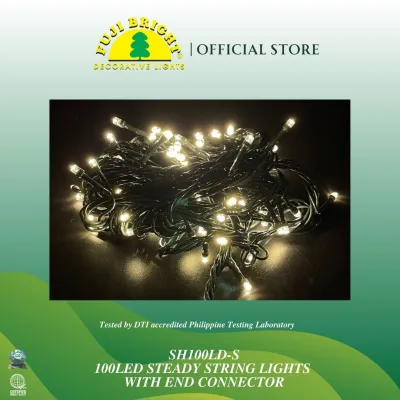
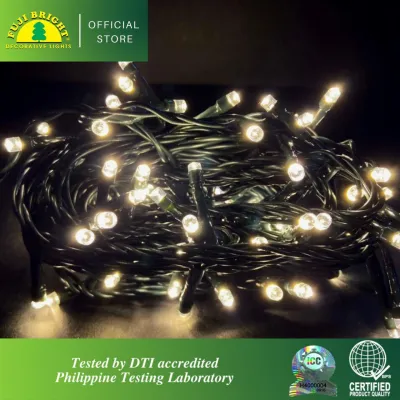
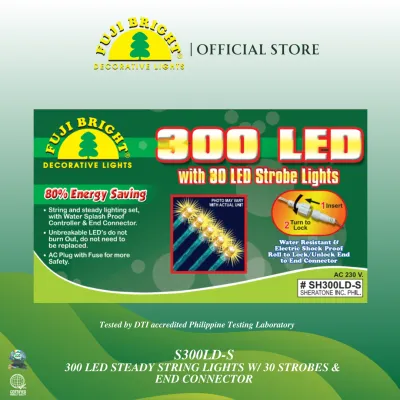
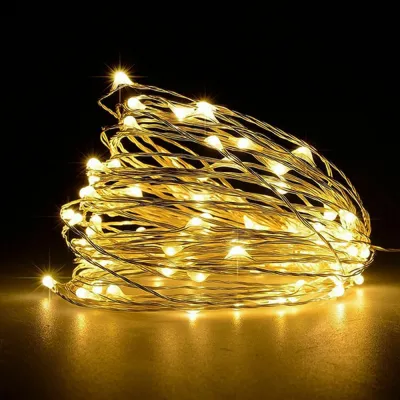
Prices are valid at publication and may change. Please refer to the product page for the latest price.
Explore Popular Fuji Christmas Light Styles
Fuji offers a diverse range of holiday lighting products, each engineered to fulfill distinct aesthetic and functional roles. When planning your layout, it is helpful to categorize these lights by their form factor and light distribution. Before purchasing, always check the product packaging or official manufacturer listings to confirm the exact bulb shape, spacing, and construction.
String and Fairy Lights
Traditional string and fairy lights are the most versatile option for holiday decorating. These lights consist of individual bulbs spaced along a single flexible wire, allowing you to wrap them tightly around objects or drape them gracefully over surfaces. They are highly effective for highlighting the contours of Christmas trees, winding around staircase banisters, or framing indoor bed frames and bookshelves. Fuji provides these in several lengths and color profiles, including classic warm white, cool white, and multi-color assortments. Because they can be easily manipulated, string lights serve as the foundational element of almost any holiday lighting scheme.
Icicle, Net, and Curtain Lights
For covering larger areas or creating specific architectural effects, specialized light formats are far more efficient than standard strings.
- Icicle Lights: These feature main horizontal cords with shorter, vertically hanging strands of varying lengths, mimicking the appearance of dripping ice. They are designed for hanging along rooflines, gutters, eaves, or porch ceilings, adding dramatic vertical dimension to your home's exterior.
- Net and Curtain Lights: Net lights consist of a pre-woven grid of bulbs that can be quickly draped over outdoor bushes, hedges, and fences, ensuring uniform light distribution without the hassle of wrapping individual strings. Curtain lights hang straight down in long, parallel strands from a single top cord, making them ideal for covering large windows, sliding doors, or creating shimmering backdrops against walls.
Novelty and Motif Lights
If you want to create distinct focal points, novelty and motif lights offer pre-shaped designs that require minimal effort to set up. These lights are structured into specific holiday shapes, such as stars, snowflakes, reindeer, or miniature Christmas trees. In the Philippines, star-shaped motifs are particularly popular as they echo the traditional look of the parol (lantern). Motif lights are excellent standalone decorations for lawns, front entryways, or indoor fireplace mantels where wrapping string lights would be impractical or overly time-consuming. They provide an instant festive centerpoint that anchors your overall decorative theme.
Match the Right Lights to Your Space and Budget
Achieving a balanced holiday display requires aligning your aesthetic goals with the physical realities of your home and your financial parameters. Taking precise measurements of your decorating zones prevents the frustration of buying too few lights or dealing with excess, tangled wiring.

Indoor vs. Outdoor Applications
The physical environment dictates which type of Fuji lights you can safely install. Indoor decorations focus primarily on ambiance and delicate integration. Warm white lights are often preferred for living spaces to create a cozy, inviting atmosphere, while cool white lights can offer a modern, crisp look.
Outdoor installations, however, demand heavy-duty construction. The tropical climate in the Philippines brings high humidity, sudden rain showers, and intense heat. For outdoor areas, you must verify that the lights are specifically rated for outdoor use. Look for robust, weather-resistant wire insulation and appropriate Ingress Protection (IP) ratings on the packaging. Never use indoor-rated lights outside, as moisture exposure can cause short circuits, electrical shocks, or permanent damage to the light set.
Budgeting for Your Holiday Display
When planning your holiday budget, look beyond the initial purchase price of a single light string. While specialized options like net or curtain lights may carry a higher upfront cost per unit, they cover significantly more surface area in less time. This efficiency can actually save you money compared to purchasing multiple standard string lights to cover the same space.
Additionally, factor in the cost of essential installation accessories. A complete setup often requires outdoor-rated extension cords, heavy-duty plastic mounting clips, and automatic timers to manage power consumption. To protect your investment, purchase your lights from authorized local retailers or official brand stores. This ensures you receive authentic products backed by legitimate manufacturer warranties, rather than unverified items from third-party sellers on online marketplaces.
Check These Essential Specifications Before Buying
Before finalizing any purchase, carefully review the technical specifications printed on the product label. Verifying these details ensures compatibility with your home’s electrical system and prevents safety hazards.
- Voltage and Plug Compatibility: Always confirm that the lights are rated for the local electrical supply. In the Philippines, the standard household voltage is 220V at 60Hz. Connecting lights designed for lower voltage systems (such as 110V) directly to a local outlet will cause immediate product failure and presents a severe fire hazard. Look for the Philippine Standard (PS) mark or the Import Commodity Clearance (ICC) sticker on the packaging, which indicates the product has undergone local safety and compliance testing.
- IP Ratings for Outdoor Safety: If you plan to hang lights where they will be exposed to the elements, check the Ingress Protection (IP) rating. An IP rating consists of two digits: the first indicates protection against solid objects, and the second indicates protection against liquids. For outdoor holiday displays, look for a minimum rating of IP44, which protects against splashing water from any direction. For highly exposed areas prone to heavy tropical downpours, an IP65 rating is recommended to ensure complete dust tightness and protection against water jets.
- Wattage and Daisy-Chaining Limits: Every light set has a specific wattage rating and a maximum limit for end-to-end connections (daisy-chaining). Exceeding the manufacturer’s specified limit can overload the wiring, leading to melting insulation or blown fuses. Always check the instruction manual to find the exact number of strings that can be safely linked together. If you are using a mix of LED and older incandescent models, remember that LEDs draw significantly less power, but they still must not exceed the maximum load capacity of the primary plug or extension cord.
- Timer and Smart Features: Managing when your lights are illuminated can save energy and prolong the lifespan of the bulbs. Check whether the Fuji light set includes built-in timer functions or if you will need to purchase a separate outdoor-rated smart plug. Automated scheduling ensures your display turns on at dusk and shuts off late at night without requiring manual intervention.
Follow Safe Installation and Storage Practices
Proper installation and post-season care protect your home, your family, and your investment in holiday decor. Following a systematic approach ensures your lights perform reliably year after year.
- Pre-Installation Check: Before hanging any lights, lay them out on a dry surface and plug them in to inspect their operation. Examine the entire length of the wire for frayed sections, cracked insulation, loose connections, or broken bulb sockets. If you discover any damage, discard the set immediately rather than attempting a temporary repair.
- Safe Mounting: When securing your lights, use insulated plastic clips, zip ties, or specialized gutter hooks. Never use metal nails, staples, or tacks to hang light strings. Metal fasteners can easily pierce the protective wire insulation, creating a direct shock hazard or causing a short circuit. If your installation requires working at heights or hanging heavy suspended loads, use a sturdy, slip-resistant ladder and have a second person spot you.
- Electrical Safety: Always isolate the power supply by unplugging the cords before adjusting or mounting your lights. Plug all outdoor holiday lights into a Ground Fault Circuit Interrupter (GFCI) outlet. GFCI outlets quickly shut off power if an electrical leak is detected, preventing severe shocks. Keep all plug connections elevated off the ground—using protective plastic safety covers or wrapping them securely in weather-resistant electrical boxes—to prevent them from sitting in puddles during heavy rains.
- Post-Season Storage: When the holiday season ends, take the time to pack your lights properly. Carefully coil each strand around a cardboard spool or a dedicated light storage reel to prevent tight kinks and wire stress. Store the coiled lights in a cool, dry indoor space inside a sealed plastic container. This protects the delicate wiring and bulb sockets from tropical humidity, dust, and pests like rodents or insects that might chew through the insulation.
Frequently Asked Questions (FAQ)
Can I connect multiple Fuji string lights together?
Whether you can connect multiple Fuji string lights end-to-end depends entirely on the specific model’s design and the manufacturer’s guidelines. Many modern LED string lights are designed with male and female end connectors to allow daisy-chaining. However, you must always consult the product packaging or instruction manual to verify the maximum number of connectable strings or the total allowable wattage limit. Never exceed these specified limits, as overloading the primary wire or plug can cause overheating and create a serious fire hazard.
Are Fuji LED Christmas lights safe to leave on overnight?
While Fuji LED Christmas lights operate at a much lower temperature than traditional incandescent bulbs and are generally highly efficient, it is not recommended to leave them running continuously overnight. Unattended electrical devices always carry a minor risk of malfunction. To ensure maximum safety and to extend the operational lifespan of your lights, it is best practice to turn them off when you go to sleep or leave the house. Using an automatic timer or a smart plug is an excellent way to schedule your display to turn off automatically each night.
Community discussion
Share your experience or ask a question. Comments are reviewed before publication.