
Selecting the right waterproof rating for your outdoor LED Christmas garland in the Philippines is the most critical step in ensuring a safe and brilliant holiday display. Because the local holiday season coincides with unpredictable tropical weather—ranging from humid, breezy evenings to sudden torrential downpours—a standard indoor light string will not suffice. The level of protection you need depends entirely on where you plan to hang your decorations.
For semi-outdoor installations, such as under the cover of a veranda, porch, or deep eave, an IP44 rating is generally the minimum standard required to handle ambient moisture and wind-blown mist. However, if you plan to drape your garlands over garden fences, exposed pillars, rooftops, or trees where they will face direct, heavy rainfall, you must opt for a higher rating, such as IP65. Understanding how these ratings work allows you to safeguard your home against electrical hazards while preserving your festive decor for years to come.
Understanding IP Ratings for Outdoor Lighting
The Ingress Protection (IP) rating system is an international standard used to define how effectively an electrical enclosure seals out foreign objects and moisture. When shopping for an LED Christmas garland, you will find this rating printed on the product packaging or the manufacturer’s specification tag. The code always consists of the letters “IP” followed by two distinct digits, each representing a specific type of protection.
Products mentioned in this guide
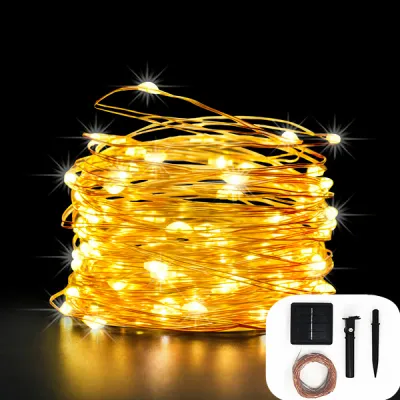
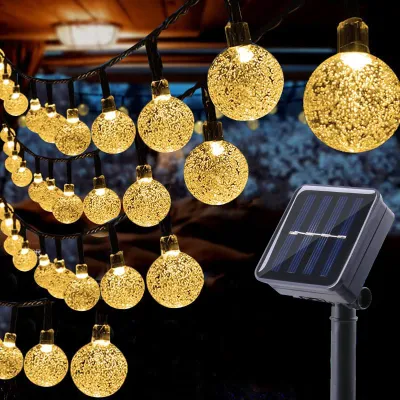
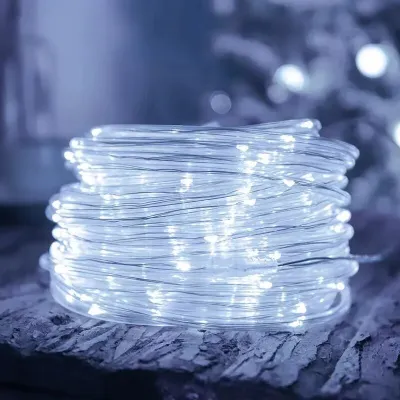
![YEELITE [ BUY 1 TAKE 1 ] 9M 80 LED Outdoor Christmas Christmas Wedding Party Decorations Holiday 110v/220v Garland Lighting 9m String Lights](https://img.lazcdn.com/g/p/be98746fc3e80725442b36051a13b36b.png_400x400q80.png_.webp)
Prices are valid at publication and may change. Please refer to the product page for the latest price.
The first digit, which ranges from 0 to 6, measures protection against solid particles such as dust, dirt, and accidental physical contact. For outdoor holiday lighting, a first digit of 5 or 6 is standard, indicating that the internal wiring is well-protected against dust intrusion that could otherwise interfere with the electrical contacts.
The second digit, ranging from 0 to 9, is the most critical for outdoor holiday displays because it measures liquid ingress protection. A second digit of 4 indicates protection against water splashing from any direction, which is suitable for light rain or high humidity. A digit of 5 signifies protection against low-pressure water jets, meaning the garland can withstand direct, heavy rainfall without water penetrating the protective seals.
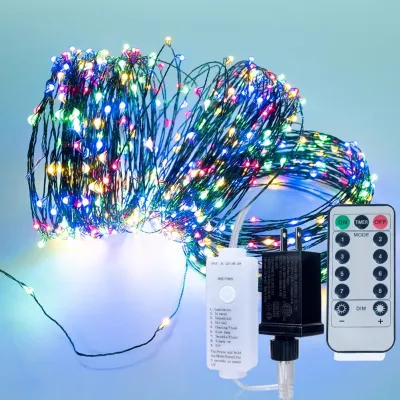
It is vital to recognize that the IP rating listed on the box often applies only to the main light string and the individual LED bulbs. The plug, the controller box (used to change light patterns), and the power adapter frequently carry a lower rating, sometimes as low as IP20, which offers no water protection at all. Before finalizing your installation plan, you must inspect each component of the garland system to identify which parts require extra weatherproofing.
Matching IP Ratings to Your Installation Environment
Choosing the correct IP rating requires a realistic assessment of how much water exposure your holiday display will face. Matching the liquid protection digit to the environmental conditions of your specific hanging location prevents premature product failure and eliminates the risk of short circuits.

While the LED bulbs themselves might be highly resistant to moisture, the entire system is only as strong as its weakest link. Connection points where multiple light strings are daisy-chained together, along with inline control boxes, are highly susceptible to water entry. Ensuring that every segment of your setup matches the exposure level of its physical location is the foundation of a safe outdoor display.
Covered Areas and Semi-Outdoor Spaces
Semi-outdoor spaces include areas that are structurally shielded from direct, vertical rainfall but remain open to the outdoor atmosphere. Typical examples in Philippine homes include covered front porches, carports, deep balconies, and the underside of wide roof eaves. In these locations, your LED Christmas garland is protected from the brunt of heavy downpours but must still endure high humidity, morning dew, and wind-driven mist.
For these sheltered environments, an IP44 rating is the recommended minimum. The second digit, 4, ensures that the light string can safely handle water splashes from any angle without short-circuiting. This level of protection is sufficient to manage the ambient moisture of tropical nights, provided the power connection and plug are kept completely dry inside a weatherproof outlet box.
Fully Exposed Areas and Heavy Rain
When you install LED Christmas garlands in fully exposed areas, they must be tough enough to withstand the direct impact of severe tropical weather. Hanging lights along garden fences, wrapping them around exposed palm trees, or lining the edges of your roofline subjects the equipment to intense, direct rainfall.
For these high-exposure zones, you should look for garlands rated at IP65 or higher. The liquid protection digit of 5 indicates that the product can resist low-pressure water jets from any direction, making it highly capable of surviving heavy monsoon rains.
However, even an IP65 or IP67 rating has its limits when faced with extreme weather events. During active typhoons or severe tropical storms, the combination of high-velocity winds and torrential rain can exceed the design limits of temporary holiday decorations. It is always safest to turn off the power at the main breaker and temporarily take down your outdoor garlands when a severe storm warning is active in your area.
Navigating the Philippine Climate: Humidity and Heat
The unique tropical climate of the Philippines presents challenges for outdoor electronics that go far beyond simple rainfall. Persistent high humidity, which often hovers above 80 percent during the cooler holiday months, can slowly degrade electrical components. If the seals on your LED garland are compromised, this ambient moisture can seep into the wiring over time, causing slow corrosion of the copper contacts and leading to flickering or complete failure.
In addition to moisture, intense daytime heat and ultraviolet (UV) radiation from the sun can accelerate the aging of your decorations. Standard plastic housings and PVC wire insulation can become brittle, crack, or warp when exposed to harsh sunlight day after day. Once the outer insulation cracks, water from the next rain shower will easily penetrate the wire, creating a severe shock hazard.
To counter these environmental factors, always check the manufacturer’s labels for material specifications. Look for garlands that explicitly state they use UV-resistant wiring and heavy-duty rubber or thick PVC insulation. Verifying that the product is rated for outdoor use in high-temperature environments will ensure that the protective seals remain flexible and effective throughout the entire holiday season.
Safety and Installation Checklist for Outdoor Garlands
Before hanging any outdoor LED Christmas garland, a thorough safety inspection is essential to protect your home and family. Begin by uncoiling the lights on a dry surface and inspecting the entire length of the wire for any signs of cracking, fraying, or exposed copper. Check the individual bulb housings and the controller box to ensure there are no visible gaps or loose seals.
When setting up your power supply, always use extension cords that are explicitly rated for outdoor use. Keep all electrical connection points, such as the plug where the garland connects to the extension cord, elevated off the ground to prevent them from sitting in pooling water. Utilizing specialized plastic weatherproof connection covers or wrapping connections securely in electrical enclosure boxes adds an indispensable layer of safety.
Always verify that your outdoor outlets are protected by a Ground Fault Circuit Interrupter (GFCI) to instantly cut power if a current leak is detected. Ensure that the voltage of your light set matches the standard 220V Philippine electrical supply, check for proper electrical certification marks (such as the Import Commodity Clearance or Philippine Standard mark), and never exceed the maximum wattage limit of your extension cords or outlets.
For complex installations—such as fixed wiring, mounting lights at significant heights, or routing cables through structural walls—stop and consult a qualified professional. Working at height or handling permanent electrical connections requires proper power-isolation procedures and professional expertise to prevent falls and electrical fires.
Maintenance and Storage After the Holidays
Proper post-holiday care is just as important as correct installation for preserving the waterproof integrity of your LED Christmas garlands. When it is time to take down your display, handle the strings gently to avoid pulling on the wires or straining the waterproof seals around the bulbs.
Clean the garlands by wiping them down with a slightly damp microfiber cloth to remove accumulated dust, dirt, and outdoor grime. Never submerge the light strings, plugs, or controllers in water, and avoid using harsh chemical cleaners that could degrade the plastic or rubber insulation.
Allow the garlands to air-dry completely in a well-ventilated, shaded area before packing them away. Storing even slightly damp lights in a sealed plastic container creates a humid microclimate that promotes mold growth, rusts the internal copper wiring, and ruins the seals.
Once dry, coil the garlands loosely around a dedicated storage reel or a piece of clean cardboard to prevent tight kinks and wire stress. Store them in a cool, dry place away from direct sunlight and pests, ensuring they remain in perfect condition for the next holiday season.
Frequently Asked Questions (FAQ)
Can I use indoor LED garlands outside if they are under a roof?
No, you should never use indoor-rated LED garlands in any outdoor or semi-outdoor environment, even if they are completely shielded from direct rain by a roof. Indoor lights are not designed to withstand the high ambient humidity and temperature fluctuations common in the Philippines. Over time, moisture in the air can penetrate the unsealed components of indoor lights, leading to short circuits, rapid corrosion, or a dangerous electrical shock hazard.
What should I do if my outdoor garland gets submerged in floodwater?
If your outdoor LED Christmas garland becomes submerged in floodwater, prioritize your personal safety above all else. Immediately disconnect the power supply at your home’s main circuit breaker before attempting to touch the water, the outlet, or the light string. Once the power is completely isolated and the water has receded, unplug the lights. Submerged holiday decorations should be discarded immediately rather than dried and reused, as floodwater carries silt, contaminants, and corrosive elements that permanently damage internal wiring and compromise safety seals.
Community discussion
Share your experience or ask a question. Comments are reviewed before publication.