
Choosing the right Kksky security light for your home depends on matching your property’s physical layout with the correct power source and sensor technology. To secure your perimeter effectively, you must balance the physical constraints of your mounting locations—such as sun exposure for solar models or existing junction boxes for hardwired units—with the specific detection ranges required for your driveways, entryways, or backyards. By evaluating these factors before purchasing, you can select a model that provides reliable illumination, minimizes false triggers, and withstands local environmental challenges.
Assess Your Property's Security Lighting Needs
Before browsing specific models, you must analyze the physical characteristics of the areas you want to protect. A security light intended for a wide driveway requires a different beam spread and mounting height than one meant to illuminate a narrow side gate or a small front entryway. Walk around your property during both daytime and nighttime hours to identify dark zones where blind spots naturally occur.
Start by measuring the physical dimensions of each target zone. A wide-angle floodlight is highly effective for open spaces like backyards or multi-car driveways, where a broad beam spread can cover maximum ground from a single point. Conversely, entryways and narrow pathways benefit from focused, downward-directed beams that illuminate specific steps or locks without spilling light into your neighbors’ windows or creating harsh glare.
Products mentioned in this guide
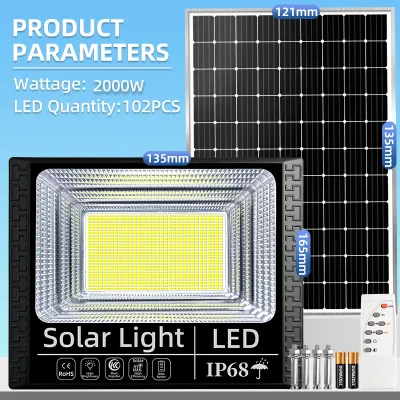
Prices are valid at publication and may change. Please refer to the product page for the latest price.
Mounting surfaces play a critical role in how light disperses across your yard. Evaluate whether you will mount the fixture on a flat exterior concrete wall, under an overhanging wooden eave, or on a dedicated metal pole. Eave mounting often provides a higher vantage point, which naturally extends the light’s reach but may require a fixture with highly adjustable heads to direct the beam downward. Wall mounting is generally easier for maintenance but can limit the lateral spread of the light if obstructions like columns, downspouts, or decorative moldings are nearby.
Take note of the mounting height clearance available at each location. Installing a security light too low makes it vulnerable to tampering and limits its coverage area, while mounting it too high can dilute the intensity of the light by the time it reaches the ground. For most residential properties, a mounting height between two to three meters offers an optimal balance between wide light dispersion and sufficient ground-level brightness.
Finally, assess the existing ambient light conditions around your home. Streetlights, decorative garden lighting, or even highly reflective light-colored walls can influence how much supplemental illumination you actually need. In areas with high ambient light, a lower-lumen fixture might suffice to fill in shadows, whereas pitch-black corners far from public roads will require a more powerful output to ensure clear visibility and deter intruders.
Match Kksky Power Sources to Your Installation Environment
Selecting the right power source for your Kksky security light is a decision that directly impacts installation complexity, long-term maintenance, and overall reliability. You must choose between solar-powered, hardwired, or battery-operated configurations based on the physical characteristics of your mounting site and your willingness to perform regular upkeep.

Solar-powered Kksky models offer exceptional flexibility because they do not require proximity to electrical wiring. However, their performance relies entirely on daily sun exposure. Before choosing a solar model, observe your planned installation site throughout the day to ensure the solar panel receives several hours of direct, unobstructed sunlight. In tropical climates like the Philippines, frequent afternoon downpours, seasonal monsoons, and extended cloudy periods mean you must verify that the unit’s battery capacity is sufficient to keep the light operational through consecutive days of low sunlight.
Hardwired security lights provide uninterrupted power and consistent performance, making them the most reliable option for critical security zones. However, they require a stable connection to your home’s electrical grid. Before purchasing a hardwired model, inspect your planned mounting location for an existing, weatherproof junction box. You must verify that the voltage of the fixture matches your home’s electrical supply, which is typically 220V to 240V in the Philippines. If no wiring exists at the site, you will need to factor in the cost and logistics of running new electrical lines through your walls or attic.
Battery-operated security lights serve as an excellent middle ground for low-traffic areas or heavily shaded spots where solar panels cannot function and hardwiring is impractical. These units are incredibly easy to install, but they introduce ongoing maintenance responsibilities. You must consider the frequency of battery replacements and the associated long-term costs, especially if the light is placed in a high-traffic zone where frequent motion triggers will drain the power quickly. Battery-operated models are best reserved for secondary areas like tool sheds, side alleys, or temporary construction zones.
When deciding between these power sources, consider the accessibility of the fixture. A battery-operated or solar-powered light mounted high under an eave can make routine battery swaps or panel cleanings difficult and potentially hazardous. Hardwired models, once safely installed by a professional, eliminate the need for height-related maintenance, allowing you to enjoy continuous security without climbing ladders to service the power supply.
Evaluate Detection Range and Sensor Technologies
The effectiveness of any security light depends heavily on its motion sensor technology. Understanding how different sensors detect movement allows you to position your Kksky light to maximize security while avoiding the annoyance of constant false alarms caused by passing cars, stray animals, or wind-blown foliage.
Most residential security lights utilize Passive Infrared (PIR) sensors, which detect changes in heat signatures within their field of view. PIR sensors are highly effective at identifying humans and large animals because they respond to moving thermal energy. However, their sensitivity can be affected by extreme ambient temperatures. In hot, humid environments, the temperature difference between a human body and the surrounding air decreases, which can slightly reduce the sensor’s effective detection range.
Some advanced models may incorporate microwave sensors, which emit high-frequency radio waves and measure the reflection off moving objects. Microwave sensors are incredibly sensitive and can detect motion through light barriers like glass, thin wood, or plastic. While this makes them exceptionally reliable, it also increases the risk of false triggers from movement inside your home or behind a thin fence. For most standard residential applications, a well-adjusted PIR sensor is the more practical and stable choice.
To prevent your security light from turning on every time a pedestrian walks past on the public sidewalk or a neighbor pulls into their driveway, you must carefully adjust the detection angles and zones. Many fixtures allow you to physically pivot the sensor head or use plastic shields to block out specific segments of the detection field. Aim the sensor downward and inward toward your property line to restrict its focus to your actual yard, driveway, or entryway.
Modern security lights often feature adjustable sensitivity controls, integrated daylight sensors, and customizable timers. The daylight sensor, or photocell, ensures the light remains off during the day to conserve energy, only activating the motion sensor once dusk falls. Adjustable timers allow you to decide how long the light remains illuminated after motion stops, typically ranging from a few seconds to several minutes. Setting a shorter duration helps conserve battery or solar power, while a longer duration is useful for areas where you need sustained visibility, such as a carport.
Pre-Purchase Verification and Safety Checklist
Before finalizing your purchase of a Kksky security light, you must perform a thorough verification of the product’s physical specifications and safety certifications. This step ensures that the fixture you choose is physically compatible with your home and capable of enduring local environmental conditions over the long term.
In the Philippines, outdoor electrical fixtures face severe weather challenges, including intense tropical heat, high humidity, and heavy seasonal rainfall. You must verify the Ingress Protection (IP) rating on the product label before buying. An IP rating consists of two numbers: the first indicates protection against solid particles like dust, and the second indicates protection against liquids. For fully exposed outdoor installations, look for a minimum rating of IP65, which ensures the housing is dust-tight and protected against water jets from any direction.
Electrical safety is paramount when installing any outdoor fixture. Confirm that the product carries recognized electrical safety certifications applicable to your region, which verify that the internal wiring and components have been tested for fire and shock hazards. Additionally, review the manufacturer’s warranty terms and the return policies of your chosen online marketplace or retailer, as these provide essential protection in the event of a manufacturing defect or shipping damage.
Finally, check the physical dimensions and weight of the security light against the structural capacity of your planned mounting site. Heavy, multi-headed floodlights require sturdy mounting brackets and secure anchoring, especially when attached to lightweight materials like vinyl siding, thin wood fascia boards, or hollow concrete blocks. Ensure you have the correct mounting hardware, anchors, and weatherproofing sealant on hand to create a secure, watertight seal around the base of the fixture during installation.
Frequently Asked Questions (FAQ)
Can I install a hardwired Kksky security light myself?
You should only attempt to install a hardwired security light yourself if you have prior experience with residential electrical wiring and a clear understanding of safety protocols. Before touching any wires, you must turn off the main power supply at your home’s circuit breaker panel and use a reliable voltage tester to confirm that the wires at the installation site are completely dead. Never rely solely on a wall switch to isolate the power.
If your existing junction box is damaged, lacks a proper ground wire, or if you need to run entirely new electrical lines from your breaker panel, you must consult a licensed electrician. Working with live electricity poses severe risks of shock, electrocution, and electrical fires. Furthermore, local building codes in many areas require professional installation and certification for new fixed electrical wiring to ensure compliance with safety standards.
How do I maintain the solar panels on Kksky outdoor lights?
To maintain the charging efficiency of your solar-powered security lights, you should perform regular visual inspections and clean the solar panel surface at least once every few months. Dust, pollen, bird droppings, and salt residue from humid air can form a thin film over the photovoltaic cells, significantly reducing the amount of sunlight they can absorb and shortening the light’s nightly runtime. Gently wipe the panel with a soft, damp microfiber cloth; avoid using abrasive scrubbers or harsh chemical cleaners that could scratch or degrade the protective outer coating.
In addition to cleaning, inspect the surrounding area for physical obstructions that may have developed since installation. Overgrown tree branches, climbing vines, or newly installed structures can cast shadows over the solar panel during peak sunlight hours. Trim back any foliage that blocks the sun, and ensure the panel remains angled toward the sky where it can receive the maximum amount of direct daylight throughout the year.
Community discussion
Share your experience or ask a question. Comments are reviewed before publication.