
A moon lamp light brings the serene glow of the night sky directly into your living space, turning a plain bedside table or a cozy condo corner into a relaxing retreat. While these spherical lamps are highly popular for creating a soothing ambiance, choosing the right one requires looking past the initial visual appeal. The features that truly dictate your daily experience are the lamp’s physical size, its light modes, and its power configuration.
Understanding these specifications helps you avoid common pitfalls, such as buying a lamp that is too small for your bedside table or one that requires constant recharging. By focusing on how these features align with your specific room layout and daily habits, you can select a model that offers both aesthetic satisfaction and reliable performance.
Decoding Size and 3D Texture Specs
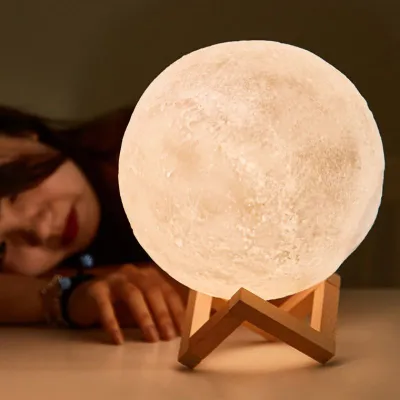
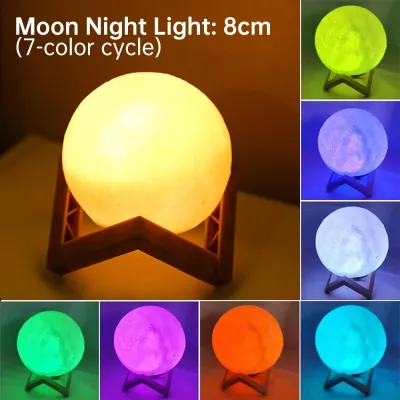
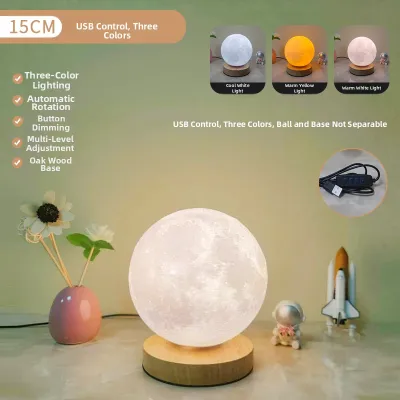
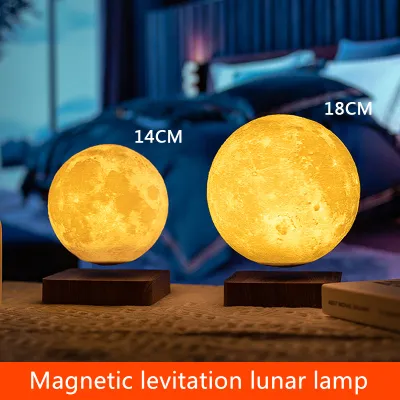
When selecting a moon lamp light, the physical diameter is the first specification to evaluate. Smaller models, typically ranging from 8 to 12 centimeters in diameter, function best as compact desk accents or subtle nightlights. These smaller spheres fit easily on crowded shelves or narrow bedside tables without cluttering your space.
Products mentioned in this guide
Prices are valid at publication and may change. Please refer to the product page for the latest price.
Larger models, measuring 15 centimeters or more, serve as prominent statement pieces. These larger lamps are ideal for living room side tables or dedicated display stands where they can draw the eye even when turned off. Before making a purchase, it is highly recommended to measure your intended surface space and verify the product’s base footprint to ensure it sits securely without risk of tipping.
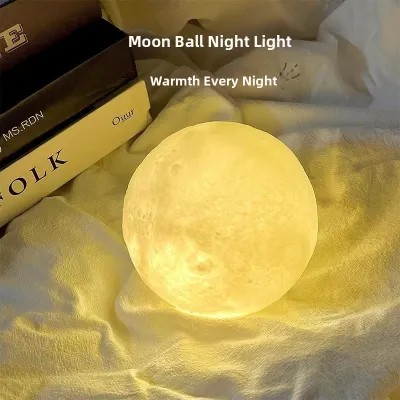
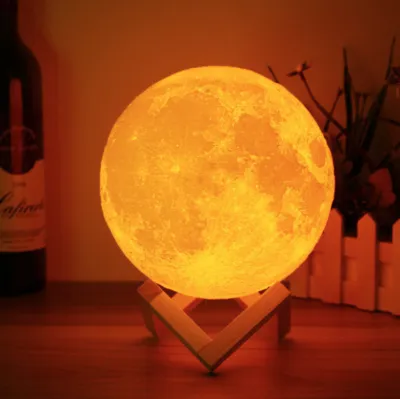
The visual realism of a moon lamp depends heavily on its 3D printed texture. High-quality manufacturing processes create varying crater depths across the surface of the sphere. When the lamp is illuminated, these physical variations influence shadow casting and light diffusion, creating a more realistic lunar appearance in a dark room. To ensure the texture meets your expectations, check the product specifications for details on the printing resolution and surface material.
Evaluating Light Modes and Dimming Controls
The lighting modes of a moon lamp light directly influence the mood of your room. Basic models often feature a single-color output, while more versatile options offer dual-color settings, allowing you to switch between warm white and cool white. For those who prefer a highly customizable environment, full RGB modes provide a wide spectrum of colors to match different occasions.

Color temperature plays a significant role in shifting a room’s atmosphere. Warm white tones create a cozy, relaxing environment suitable for winding down before sleep, whereas cool white tones offer a brighter, clearer light that can help with visibility. Because these effects are highly subjective, you should verify the available color temperatures on the product label to ensure they match your personal preferences.
Dimming functionality is another critical feature for eye comfort and mood adjustment. Stepless dimming allows you to adjust the brightness smoothly to any level, which is highly beneficial for sensitive eyes in a dark room. In contrast, fixed brightness levels offer less flexibility but are often simpler to operate. To understand how to adjust these settings, always check the manufacturer’s user manual for details on touch sensor responsiveness and remote control range.
Understanding Power Options and Electrical Safety
Power configurations determine where you can place your moon lamp light and how often you will need to maintain it. Built-in rechargeable batteries offer excellent portability, allowing you to move the lamp around your home without worrying about nearby outlets. However, these models require periodic charging and may experience battery degradation over time.
USB-powered and direct plug-in options provide a continuous power supply, making them ideal for permanent installations on desks or entertainment centers. When choosing these options, it is essential to verify voltage compatibility and check for local electrical certifications on the product label to ensure safe operation. Always match the lamp’s power requirements with the correct adapter output to prevent electrical issues.
In tropical environments where humidity can affect electronic components, proper battery care is crucial. Always consult the manufacturer’s instructions for specific charging time limits and battery maintenance guidelines. If you notice the lamp, adapter, or power cable showing signs of overheating, fraying, or physical damage, stop using the device immediately and consult a qualified professional to avoid safety hazards.
Checking Material Build and Care Requirements
The materials used to manufacture a moon lamp light affect both its durability and its safety. Most modern moon lamps are constructed from lightweight plastics, but the specific material claims and safety warnings can vary significantly. Before purchasing, check the product label or packaging to verify the material composition and ensure it meets safety standards.
Heat resistance and surface durability are not universal across all plastic lamps; they depend strictly on the manufacturer’s specifications. A lamp placed in a warm, humid room must be able to withstand local environmental conditions without warping or degrading. Checking these specifications beforehand helps ensure your lamp remains safe and structurally sound over years of use.
Maintaining your moon lamp requires minimal effort but must be done carefully to avoid damage. For regular cleaning, dry dusting with a soft, non-abrasive cloth is usually sufficient to remove dust from the textured craters. Avoid using liquid cleaners, chemical solvents, or wet cloths unless the manufacturer’s care manual explicitly states they are safe, as moisture can penetrate the seams and damage the internal electronics.
Frequently Asked Questions (FAQ)
Can a moon lamp light be used as a primary reading light?
Moon lamps are primarily engineered for ambient or mood lighting rather than focused, high-intensity task lighting. Because their textured surfaces are designed to diffuse light softly, they generally do not provide the concentrated beam needed for comfortable reading over long periods. To determine if a specific model can support reading, check the lumen output and beam angle listed in the product specifications.
Is it safe to leave a rechargeable moon lamp plugged in overnight?
Whether it is safe to leave a rechargeable moon lamp plugged in overnight depends on its internal circuitry. You should check the specific product manual to verify if the lamp features built-in overcharge protection. To preserve long-term battery health and minimize electrical risks, it is generally recommended to follow the manufacturer’s stated charging times and unplug the device once it is fully charged.
Community discussion
Share your experience or ask a question. Comments are reviewed before publication.