
Finding your way through a dark home can easily lead to stubbed toes or unexpected falls, but choosing the wrong night light can make it even harder to fall back asleep. The most effective night lights for your home are those tailored to the specific needs of each room, using warm color temperatures and low brightness in sleeping areas, motion sensors in hallways, and moisture-resistant designs in bathrooms. By matching the light output, power source, and sensor type to the function of each space, you can navigate safely at night without disrupting your body’s natural sleep cycle or creating unnecessary glare.
What features should you prioritize for bedroom night lights?
For bedroom night lights, you should prioritize warm color temperatures, very low lumen output, and adjustable dimming features. These elements help you navigate the room safely without emitting the harsh blue light that disrupts your body’s melatonin production and ruins sleep quality.
Warm color temperatures, such as amber, orange, or red tones, are ideal because they have a minimal impact on circadian rhythms. Avoid cool white or blue-toned lights in the bedroom, as these wavelengths signal to your brain that it is daytime, making it difficult to fall back asleep after waking up. If the product packaging does not list the exact color temperature in Kelvins, look for labels indicating “warm glow” or “sleep-friendly” light.
Products mentioned in this guide
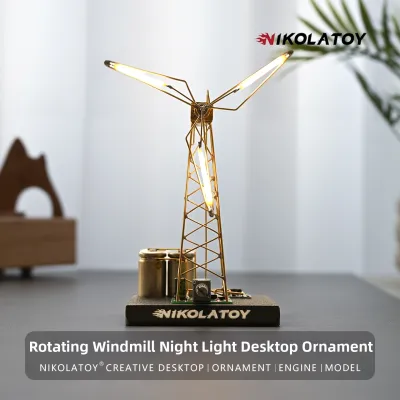
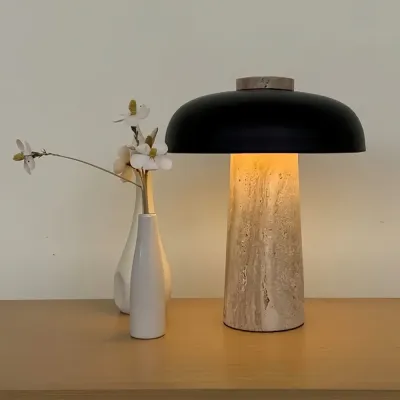
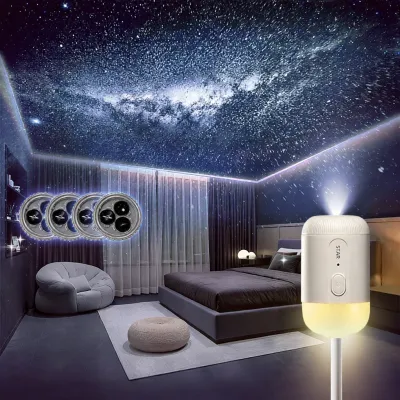
265 Lazada user ratings
Who understands! Using this little starry night light before bed makes the whole room feel so soothing. The patterns are super diverse—galax…Read full reviewShow less
Who understands! Using this little starry night light before bed makes the whole room feel so soothing. The patterns are super diverse—galaxies, Saturn, the moon, whales, you name it. The projection covers a large area, so I can see the galaxy while lying in bed. It makes my bedroom feel so romantic!
The kids absolutely love it! It was originally meant as a gift for a friend, but I ended up keeping it and repurchasing.
Straight out of the iPhone camera, I was genuinely surprised! It's so beautiful, I love it! 👍🏻

109 Lazada user ratings
Pretty good, might buy another one in the future.
The quality and workmanship are both excellent.
Check out my cool style, come copy my look 😎😎😎
The quality is quite good.
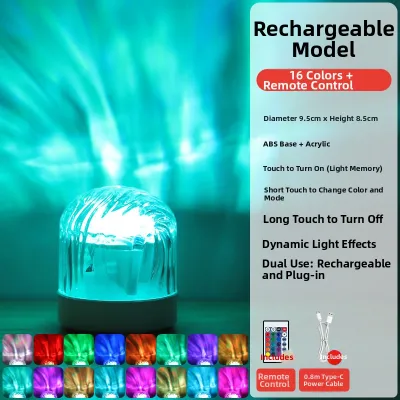
48 Lazada user ratings
The effect is super dreamy. The brightness is high (even the lowest white setting is brighter than a night light). The sound is very quiet. …Read full reviewShow less
The effect is super dreamy. The brightness is high (even the lowest white setting is brighter than a night light). The sound is very quiet. Customer service is professional. I’ll add more later.
okay naman at maganda, narselectable ang ilaw at may remote. all goods nman o no issue, mas magamda higit kapag madilim yun nga lng medyo ma…Read full reviewShow less
okay naman at maganda, narselectable ang ilaw at may remote. all goods nman o no issue, mas magamda higit kapag madilim yun nga lng medyo maliit lang sakop ng radius if ilalagay sa isang sulok.
Awesome! So many colors to choose from and it looks great!
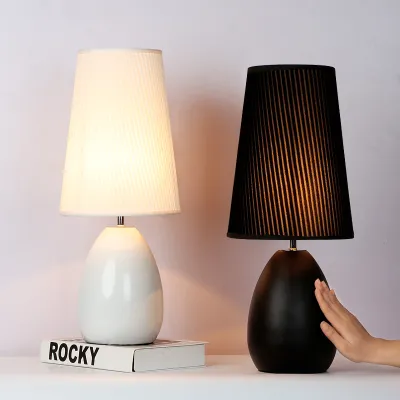
4 Lazada user ratings
🎨Design:10 🛠️Durability:10 Just having a problem to connect it to my phone so its not smartlamp😂 its just simple lamp
💡Brightness: okay and dimmable 🎨Design: good just like the photos Light weight Works properly
This lamp is pretty great, really good value for the quality! Definitely worth getting!
Prices are valid at publication and may change. Please refer to the product page for the latest price.
Keep the brightness level low, typically under 10 to 15 lumens. Many modern models offer dimmable settings, allowing you to adjust the light to the absolute minimum level required to see obstacles. Some fixtures use continuous slide dimming, while others offer stepped presets; choose the dimming method that allows you to set a faint glow that does not cast sharp shadows across the room.
Look for models with built-in dusk-to-dawn sensors. These sensors automatically turn the light on when the room darkens and off when daylight returns, ensuring consistent, low-level illumination without manual intervention. However, keep in mind that in naturally dark bedrooms, these sensors may keep the light on during the day, so a manual override switch can be a useful feature to conserve energy.
Placement is critical for sleep hygiene. Position the night light close to the floor, such as in a low wall outlet, and away from your direct line of sight when lying in bed. This prevents glare from hitting your eyes and helps maintain a dark, restful sleeping environment while still illuminating the path to the door.
How do you choose safe and effective night lights for hallways and stairs?
To choose safe and effective night lights for hallways and stairs, select motion-activated models with a wide beam angle that illuminate the floor directly. These lights provide immediate visibility when you step into transient spaces and turn off automatically to save energy when the area is empty.

Motion-activated plug-in or battery-operated lights are highly effective for pathways. They remain dark until they detect movement, preventing constant light pollution in adjacent bedrooms while ensuring the path is lit the moment you step out. Look for sensors with a detection angle of at least 120 degrees and a range of 3 to 5 meters to ensure they register your approach early.
Consider the beam angle and physical placement of the fixture. Downward-facing or shielded lights direct illumination toward floor hazards, such as steps or discarded items, without casting glare into your eyes as you walk. Placing lights at a low height along the wall ensures that the steps themselves are clearly defined, which is crucial for preventing missteps on stairs.
When evaluating motion-sensing models, check the manufacturer’s specifications for the shut-off delay timer. A delay timer of 30 to 60 seconds is usually sufficient to ensure the path remains illuminated until you have safely reached your destination. If the hallway experiences high traffic, keep in mind that battery-operated models will require more frequent battery changes or recharging cycles than plug-in alternatives.
For stairways, place lights at both the top and bottom landings to mark the transition zones clearly. If using battery-powered units, ensure they are securely mounted to flat surfaces using reliable adhesives or screws according to the manufacturer’s instructions. Loose fixtures can fall and become tripping hazards themselves, defeating their safety purpose.
Which night light types are best for bathrooms and wet areas?
The most suitable night lights for bathrooms and wet areas are low-brightness, warm-toned models that carry appropriate moisture-resistance ratings for damp environments. These fixtures provide enough visibility for nighttime visits without waking you up fully or posing electrical hazards near water.
Bathrooms require a delicate balance of safety and sleep preservation. A bright overhead light can shock your eyes and make it difficult to fall back asleep, so a low-lumen, warm-toned night light is an excellent alternative. It provides just enough illumination to use the facilities safely while keeping your mind in a relaxed state.
Because bathrooms are high-moisture environments, safety is paramount. If you plan to place a night light near a sink, bathtub, or shower, check the product packaging or manufacturer specifications to ensure the device is rated for damp or wet locations. Look for an Ingress Protection (IP) rating, which indicates how well the fixture’s enclosure protects internal electrical components from moisture and water splashes.
Standard electrical outlets in bathrooms are often limited or positioned close to water sources. In these layouts, battery-operated or rechargeable night lights offer a safer alternative to plug-in models, eliminating cord hazards and allowing you to place the light away from splash zones. If you use battery-powered options in a humid bathroom, ensure the battery compartment has a tight, rubberized seal to prevent moisture from corroding the contacts.
If you use a plug-in model, ensure it is plugged into a Ground Fault Circuit Interrupter (GFCI) outlet, which is standard in modern bathroom designs to prevent electrical shocks. Always verify that the device’s voltage matches your home’s electrical supply, and never handle plug-in night lights with wet hands.
What makes a night light suitable for a nursery or child's room?
A suitable night light for a nursery or child’s room features adjustable brightness, warm color options, and a portable, cool-to-the-touch design. These characteristics support late-night feeding and diaper changes while keeping the environment soothing for a sleeping baby.
During nighttime care tasks, you need enough light to see clearly but not so much that it fully awakens the infant. Look for night lights with multiple brightness levels or a gentle tap-to-dim feature that allows you to transition from a soft glow to a functional working light. This flexibility ensures you can perform diaper changes safely and then dim the light back down for feeding.
Avoid blue-rich white light in the nursery. Instead, opt for warm amber or red light settings, which do not interfere with the infant’s or the parent’s sleep cycles, helping everyone settle back to sleep more quickly after a feeding. Many nursery-specific lights offer color-changing options; ensure you can lock the device onto a single warm color rather than leaving it on a cycling mode that might startle a sleeping child.
Portable, rechargeable designs are highly practical for nurseries. A cordless, lightweight light can be carried safely to the changing table or crib side, eliminating the risk of tripping over cords in the dark. When selecting a portable model, verify that the battery life is sufficient to last through several nights of use on a single charge.
Ensure any light used in a child’s room is made from durable, non-toxic materials and does not get hot during operation. Check the manufacturer’s age recommendations and safety certifications, such as CE or local safety marks, on the product label. Keep all cords, plug-in models, and small removable parts completely out of reach of infants and toddlers to prevent choking or electrical hazards.
How do you match power sources and installation types to your room layout?
To match power sources and installation types to your room layout, evaluate the availability of electrical outlets, the permanence of the setup, and the specific physical hazards of each space. Choosing between plug-in, battery-operated, and rechargeable models depends on whether you prioritize low maintenance or placement flexibility.
Plug-in night lights are ideal for permanent, low-maintenance use in areas with accessible outlets, such as hallways or living rooms. They draw power directly from the wall, meaning you never have to worry about charging batteries, though they do occupy an outlet receptacle. Before purchasing, verify that the plug configuration and voltage rating (such as 220V) match your home’s electrical outlets, and ensure the physical dimensions of the plug-in unit do not block the adjacent outlet receptacle.
Battery-operated models offer unmatched placement flexibility, making them excellent for closets, stairways, or rooms where outlets are scarce. They eliminate tripping hazards from cords, but they require periodic battery replacements. This can increase maintenance time and long-term operating costs, especially in high-traffic areas.
USB-rechargeable models provide a middle ground, offering the same high placement flexibility as battery-operated units without the ongoing cost of single-use batteries. They are highly suitable for nurseries, bedside tables, and portable use, though they do require periodic connection to a charger when their power runs low.
For any installation, always follow the manufacturer’s guidelines for mounting and electrical safety. If you are installing fixed-wire pathway lighting or modifying your home’s electrical system, always isolate the power at the circuit breaker and consult a qualified professional to ensure compliance with local electrical codes. Never overload outlets with multiple adapters, and inspect cords regularly for any signs of wear or damage.
Community discussion
Share your experience or ask a question. Comments are reviewed before publication.