
Quick Answer: Which Pikachu Night Light Should You Choose?
Deciding on the ideal Pikachu night light depends on the age of the user, the layout of the bedroom, and how the light will be used throughout the night. There is no single option that fits every household, as each design serves a distinct decorative or functional purpose. By aligning the specific features of these lights with your daily routines, you can find the perfect balance between style, safety, and comfort.
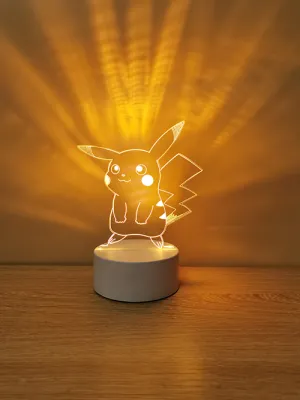
Choose a 3D illusion lamp if you are buying for older children, teenagers, or adult collectors who want an eye-catching display for a study desk, gaming setup, or display shelf. These lamps use a flat acrylic panel to create a striking visual effect that works best as ambient room decor rather than a soft bedtime companion.
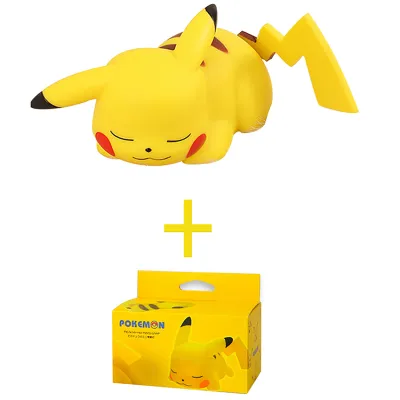
Choose a silicone tap light if you need a light for toddlers or younger children who require a soft, comforting bedside companion. Made from squishy, flexible materials, these lights are highly durable, safe to handle, and easy to operate with a simple tap, making them excellent for middle-of-the-night comfort.
Products mentioned in this guide
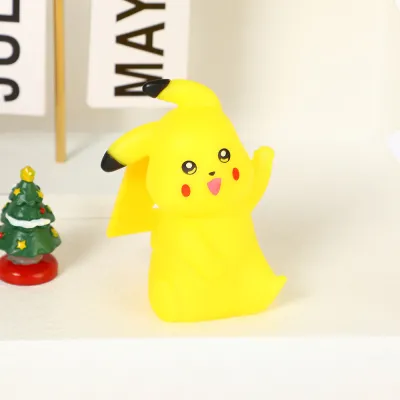
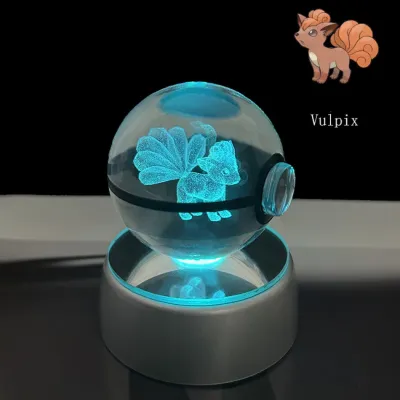

Prices are valid at publication and may change. Please refer to the product page for the latest price.
Choose a projector night light if your goal is to establish a calming, immersive bedtime routine. By casting rotating stars, patterns, or character shapes across the ceiling and walls, projectors help active minds wind down, transforming the entire bedroom into a soothing sleep environment.
What to Look for in a Pikachu Night Light
When shopping for a night light, understanding the core design elements helps you choose a model that is both functional and safe. Different formats distribute light in distinct ways, use different materials, and rely on various power sources that dictate where and how they can be placed.

Light Quality and Ambiance
The way a night light diffuses illumination determines its suitability for sleep or play. Acrylic 3D lamps direct light upward through the edges of a flat sheet, creating sharp, vibrant, and colorful lines that are highly visible but can sometimes be too bright or distracting if placed right next to a pillow. Silicone lights feature a hollow body that scatters light evenly in all directions, producing a muted, warm glow that does not strain sensitive eyes during midnight wake-ups. Projectors project light outward through a lens or stencil, scattering dim patterns across a wide area to create a low-contrast environment that naturally encourages sleep.
Material and Tactile Safety
Material composition dictates whether a night light is a hands-on toy or a hands-off decorative piece. Hard plastic and acrylic bases are rigid and can crack or chip if dropped on hard floors, making them less suitable for young children who like to carry their toys to bed. Conversely, food-grade silicone is flexible, shock-absorbent, and free from sharp edges, allowing it to withstand drops from bedside tables. If a child is likely to hug, carry, or play with the light, prioritizing soft, impact-resistant materials is essential for preventing accidental damage or injury.
Power and Portability
Power configurations affect both the placement of the light and its ongoing maintenance. USB-powered models that require a constant cable connection are highly reliable for stationary setups like desks or shelves, eliminating the need to worry about battery depletion. Battery-operated models—whether utilizing replaceable AA/AAA batteries or built-in rechargeable lithium-ion cells—provide excellent cordless portability, allowing children to carry the light during late-night bathroom trips. However, cordless models require regular recharging or battery replacements, which should be factored into your daily routine.
3D Illusion Lamps: Best for Desk Display and Older Kids
3D illusion lamps are a popular choice for older kids, teenagers, and anime enthusiasts who want to add a modern, stylized look to their personal spaces. These lamps do not actually project a three-dimensional holographic image into the air; instead, they rely on clever optical principles to trick the eye into perceiving depth.
How It Works
The setup consists of a flat, transparent acrylic panel and a sturdy plastic base containing multiple light-emitting diodes (LEDs). The acrylic panel is laser-engraved with fine, precise lines depicting Pikachu. When the panel is slotted into the base and the LEDs are turned on, light travels upward through the edge of the acrylic sheet. As the light hits the engraved lines, it refracts and escapes, illuminating the pattern and creating the illusion of a floating, three-dimensional character.
Ideal Use Case
Because of their sharp details and modern design, 3D illusion lamps are highly suited for study desks, gaming stations, or display shelves. They function beautifully as accent lighting or ambient decor that complements other electronics and collectibles. For older children who no longer need a soft, comforting toy to fall asleep but still appreciate a cool room aesthetic, these lamps offer a sophisticated way to express their love for the character.
Limitations to Consider
The primary limitation of a 3D illusion lamp is its fragile, rigid construction. The acrylic panel is prone to collecting fingerprints, smudges, and fine scratches, which can disrupt the light refraction and ruin the 3D visual effect. Because the panel must sit securely in the base to function, these lamps are easily tipped over if placed on a bed or a high-traffic play area. They are strictly decorative items meant to be admired from a distance rather than handled, squeezed, or carried around by toddlers.
Color Options and Controls
Most 3D lamps come equipped with advanced color-customization features, offering single-color modes or dynamic RGB color-changing sequences. Users can cycle through these options using a touch-sensitive button on the base or an included infrared remote control. This adjustability allows older kids to match the light’s color to their gaming setup, change the room’s mood, or dim the brightness when transitioning from study time to sleep.
Silicone Tap Lights: Best for Toddlers and Bedside Comfort
Silicone tap lights are designed with early childhood needs in mind, prioritizing physical safety, gentle illumination, and simple, interactive controls that even very young children can master.
How It Works
These lights feature a hollow, flexible outer shell made of soft silicone that houses a small, low-wattage LED module at the bottom. Inside the base, a simple vibration sensor detects sudden movements or changes in pressure. When a child taps, squeezes, or gently knocks the silicone body, the sensor registers the impact and signals the internal circuit to turn the light on, change its brightness level, or cycle through a small selection of soft colors.
Ideal Use Case
Silicone lights are the ultimate bedside companions for toddlers and young children who experience fear of the dark. Because the material is soft and cool to the touch, children can safely keep the light in bed with them, hug it, or place it right next to their pillows. If a child needs to get up in the middle of the night, the lightweight, cordless design makes it easy to carry along hallways, providing a portable path of light that builds independence and confidence.
Limitations to Consider
While highly durable, silicone has a naturally high-friction surface that easily attracts dust, pet hair, and lint. In warm, humid environments, this surface can sometimes feel slightly tacky, requiring regular cleaning to keep it sanitary. Additionally, because the light is heavily diffused through the thick silicone walls, the total light output is quite low. While this is excellent for promoting sleep, it is not bright enough to read a bedtime story or illuminate a larger bedroom.
Power and Portability Considerations
Most silicone Pikachu lights feature an internal lithium-ion battery that recharges via a standard USB port. This eliminates the ongoing cost of disposable batteries and ensures the light can operate completely cord-free during the night. However, parents must manage the charging cycles; leaving the light on its brightest setting all night will deplete the battery quickly, requiring a morning recharge so it is ready for the next bedtime routine.
Projector Night Lights: Best for Room Ambiance and Sleep Routines
Projector night lights offer a dynamic way to soothe children at bedtime, shifting the focus from a single glowing object on a nightstand to an entire ceiling filled with gentle, moving imagery.
How It Works
These devices utilize a high-powered LED light source positioned beneath a curved, patterned film or dome lens. The film features cutouts of Pikachu, stars, clouds, or other playful shapes. As the light passes through these patterns, it projects large, magnified images onto the surrounding walls and ceiling. Many models include a quiet internal motor that slowly rotates the projection mechanism, creating a gentle, drifting motion across the room.
Ideal Use Case
Projectors are highly effective tools for establishing a structured, calming bedtime routine for children who struggle to settle down at night. By projecting soft, moving shapes overhead, the device gives active minds a quiet, low-stimulus visual anchor to focus on while lying flat on their backs. This gentle visual stimulation helps reduce bedtime anxiety and discourages children from getting out of bed, naturally guiding them into a peaceful sleep state.
Limitations to Consider
To achieve a clear, vibrant projection, the bedroom must be almost completely dark; any competing light from streetlamps, hallway bulbs, or electronic screens will wash out the projected images. The clarity of the shapes also depends heavily on placement, as placing the projector too far from the ceiling or at an extreme angle can cause the images to become blurry or distorted. Like 3D lamps, projectors are stationary devices with delicate internal motors and lenses, meaning they should be kept out of reach of young children who might drop or shake them.
Adjustability and Smart Features
High-quality projector night lights often include a variety of adjustable settings to customize the sleep environment. These features typically include adjustable focal rings to sharpen the image, variable rotation speeds, and multiple color filters to switch between warm yellow, soft blue, or gentle green projection tones. Many models also feature built-in auto-shutoff timers that turn the device off after 30 or 60 minutes, ensuring the room becomes completely dark once the child has safely fallen asleep.
Feature Comparison Matrix
To help you quickly evaluate the differences between these three popular formats, the table below summarizes their key characteristics, ideal environments, and performance trade-offs.
| Feature | 3D Illusion Lamp | Silicone Tap Light | Projector Night Light |
|---|---|---|---|
| Primary Use Case | Desk display, gaming setup, accent decor | Bedside comfort, portable night light | Room-wide sleep aid, bedtime routine |
| Material & Texture | Hard, rigid acrylic panel with plastic base | Soft, squishy, flexible food-grade silicone | Rigid plastic housing with internal optical lenses |
| Light Output & Quality | Sharp, bright, colorful linear glow | Soft, highly diffused, low-intensity warm light | Wide-angle, low-contrast projected patterns |
| Portability | Low (usually tethered to a USB power source) | High (cordless, lightweight, easy to carry) | Low (stationary placement required for focus) |
| Best Age Group | School-aged kids, teens, and collectors | Toddlers and younger children | Infants, toddlers, and active sleepers |
| Interactive Elements | Remote control, touch-sensitive base button | Tapping, squeezing, or shaking the body | Rotation toggles, focal adjustments, timers |
| Durability | Moderate (acrylic can scratch or crack if dropped) | Extremely high (virtually shatterproof) | Moderate (delicate internal motors and lenses) |
How to Verify Safety and Power Compatibility
When introducing any electrical device into a child’s bedroom, safety must be your primary consideration. Because many novelty night lights are imported, verifying that the product’s electrical specifications and materials comply with local safety standards is essential for preventing electrical hazards, fires, or exposure to toxins.
Voltage and Adapter Checks
The standard electrical grid in the Philippines operates at 220V AC at a frequency of 60Hz. If you purchase a Pikachu night light that plugs directly into a wall outlet, you must inspect the product label to ensure it explicitly supports 220V input; using a device rated only for 110V without a step-down transformer will permanently damage the light and create an immediate electrical fire hazard.
For lights that power or charge via a USB cable, the voltage risk at the device level is minimized because USB ports output a safe 5V DC. However, the wall adapter (charging brick) you use to connect that USB cable to your home outlet must be chosen carefully. Always use a high-quality, certified adapter that is rated for 220V input and features built-in protection against overcharging, short circuits, and voltage surges. Avoid unbranded, cheap charging adapters, as they can overheat rapidly under continuous use.
Battery Safety and Thermal Management
For cordless silicone lights and portable projectors powered by built-in lithium-ion batteries, check how the battery compartment is secured. The compartment should be tightly sealed, ideally requiring a small screwdriver to open, preventing young children from accessing the battery or internal wiring.
To ensure the light does not pose a fire risk, conduct a simple thermal test during its first week of use. Leave the night light turned on for approximately one hour, then feel the base, the silicone body, and the power adapter. While LEDs naturally generate very little heat, poorly designed internal circuitry or cheap battery packs can cause heat buildup in enclosed spaces. If any part of the device feels hot to the touch—rather than just slightly warm—unplug it immediately and discontinue use.
Material Integrity and Non-Toxicity
Because toddlers often explore their environment by putting objects in their mouths, any silicone night light placed within their reach must be verified as safe. Check the product packaging, manufacturer website, or seller documentation to confirm that the silicone is certified as food-grade, BPA-free, and non-toxic. Avoid lights that emit a strong, chemical, or plastic-like odor out of the box, as this can indicate the presence of volatile organic compounds or low-quality industrial plastics that are unsafe for close contact.
When to Discontinue Use
Always monitor the physical condition of the night light over time. If you notice any of the following warning signs, stop using the device immediately, disconnect it from the power source, and consult the manufacturer or a qualified professional:
- The light flickers constantly, dims unexpectedly, or fails to turn off.
- The USB charging port feels loose, wobbly, or extremely hot during charging.
- The device emits a faint burning plastic smell, humming noise, or high-pitched squeal.
- The silicone body becomes sticky, cracked, or severely discolored.
- The built-in battery shows signs of swelling, causing the plastic casing to bulge or warp.
Frequently Asked Questions (FAQ)
Can I leave a Pikachu night light on all night?
Whether you can safely leave a Pikachu night light on all night depends entirely on its power source, thermal design, and built-in safety features. High-quality lights that utilize low-wattage LEDs and are powered by a certified 5V USB adapter can technically run continuously without risk, as LEDs do not emit significant heat. However, leaving any light on throughout the night can disrupt a child’s natural sleep cycle by suppressing melatonin production, which relies on a dark environment.
To promote better sleep hygiene and extend the lifespan of your device, it is best to use a night light equipped with an automatic shutoff timer. Setting the timer to turn the light off after 30 to 60 minutes ensures your child has sufficient light to fall asleep comfortably, while allowing them to rest in healthy, restorative darkness for the remainder of the night. If the light must remain on for safety or midnight feedings, place it at a low level, far from the child’s direct line of sight, and select a dim, warm-toned setting.
How do I clean a silicone Pikachu night light without damaging it?
Because silicone has a naturally grippy texture that attracts dust, lint, and pet hair, regular cleaning is necessary to keep the night light hygienic. Before starting any cleaning process, always turn off the device, unplug the charging cable, and ensure the power port is completely clear. Never submerge the entire light in water, as moisture can easily penetrate the seams around the charging port or bottom power switch, permanently damaging the internal circuit board and battery.
To clean the surface safely, wipe the silicone shell thoroughly with a soft, clean microfiber cloth that has been slightly dampened with plain water or a very mild, diluted dish soap solution. Avoid using harsh household chemicals, alcohol, surface sprays, or abrasive scrubbing pads, as these substances can degrade the silicone material, strip away the painted facial details of the character, or leave a sticky residue that attracts even more dust. Once clean, allow the night light to air-dry completely in a well-ventilated area away from direct sunlight before plugging it back in or turning it on.
Community discussion
Share your experience or ask a question. Comments are reviewed before publication.