
Selecting the ideal solar garden light depends entirely on what you want to achieve in your outdoor space, whether that is guiding steps safely in the dark, highlighting a beautiful palm tree, or creating a warm, festive atmosphere for evening gatherings. Because solar fixtures rely on local weather and sunlight, matching the right light type to your specific landscape goal ensures you do not end up with dim, ineffective, or rapidly failing fixtures. By diagnosing your garden’s layout, identifying key functional zones, and understanding how different solar designs perform under tropical conditions, you can easily select the ideal setup for your home.
Identify Your Primary Outdoor Lighting Goal
Before browsing online marketplaces or local home centers, you must clarify how you and your family interact with your outdoor space after sunset. A garden is not a single uniform area; it consists of distinct zones that serve different purposes throughout the evening. For instance, high-traffic zones like walkways, driveways, and steps require consistent, reliable illumination to prevent trips and falls, especially during sudden tropical downpours.
Conversely, outdoor entertaining areas such as patios, terraces, and poolside decks demand a softer, more inviting glow that encourages relaxation without causing uncomfortable glare. You should also consider purely visual zones, such as ornamental plant beds, rock gardens, or water features, which are viewed from a window or a seating area rather than walked through.
Products mentioned in this guide
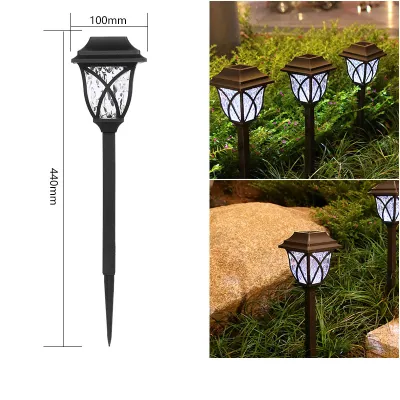
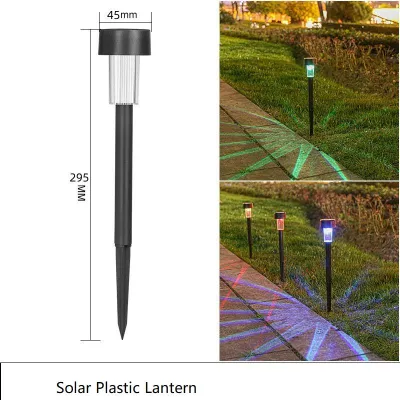
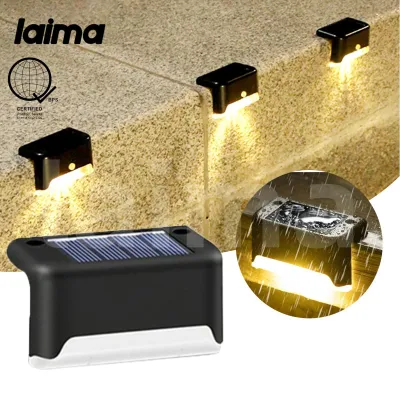
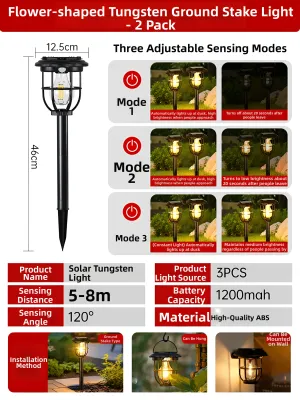
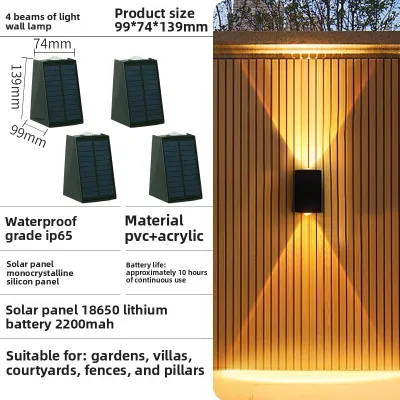
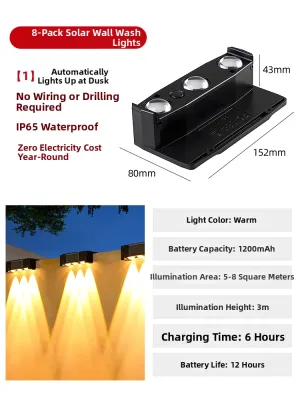
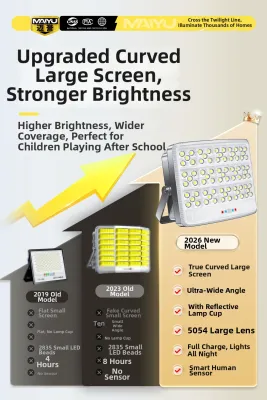
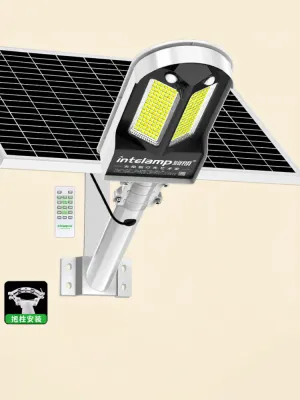
Prices are valid at publication and may change. Please refer to the product page for the latest price.
To establish a clear plan, walk through your garden at dusk and note down which areas require functional safety lighting and which ones would benefit from aesthetic enhancement. Balancing these two needs allows you to map out a lighting layout that is both highly practical and visually stunning, ensuring every corner of your yard serves a clear purpose.
Match Solar Light Types to Specific Landscape Tasks
Once you have mapped out your garden’s functional zones, you can begin matching specific solar light designs to these tasks. Outdoor solar fixtures are engineered with distinct optical patterns, brightness levels, and mounting systems to serve either functional navigation, dramatic highlighting, or ambient decoration.

Pathway Lights for Safe Navigation
Pathway lights are the workhorses of garden safety, designed specifically to illuminate walkways, driveway borders, and steps. When selecting these fixtures, look for designs that feature downward-facing, diffused lenses. This construction directs the light exactly where your feet land while shielding your eyes from direct, blinding glare as you walk.
To achieve a balanced look, avoid placing pathway lights in a straight, closely packed line, which can mimic a commercial airport runway. Instead, stagger the fixtures on alternating sides of the path, spacing them evenly to provide continuous visual guidance without creating harsh pools of light and deep shadows.
In tropical environments, ensure the ground stakes are sturdy enough to withstand loose, wet soil during the rainy season. Placing them slightly back from the edge of the path also protects them from accidental damage during routine lawn mowing or garden maintenance.
Spotlights and Accent Lights for Focal Points
If your goal is to draw attention to dramatic landscape features like mature trees, architectural facades, or garden sculptures, solar spotlights and accent lights are a suitable choice. These fixtures feature narrow, directional beams and adjustable heads, allowing you to aim the light precisely at your target subject.
To create a sense of depth and drama, experiment with placement techniques such as uplighting, where the light is positioned at the base of a tree or wall and aimed upward to emphasize texture. Alternatively, cross-lighting uses two fixtures positioned at different angles to soften harsh shadows on three-dimensional objects like statues.
When choosing solar spotlights, verify that the fixture allows you to adjust the angle of both the light head and the solar panel independently. This flexibility ensures you can aim the light beam exactly where you need it while still positioning the solar panel to catch maximum daily sunlight.
Decorative Lights for Ambient Mood
For leisure areas like pergolas, open patios, and cozy seating corners, decorative solar lights are highly effective in establishing a warm, welcoming atmosphere. Rather than focusing on high brightness, these fixtures prioritize visual style and soft, low-intensity illumination that enhances the natural beauty of your outdoor living space.
Popular options include solar string lights draped overhead, hanging lanterns suspended from tree branches, and decorative stake lights that cast intricate shadow patterns on nearby walls. When selecting these lights, pay close attention to the color temperature; warm white tones are generally preferred for seating areas as they create a cozy, relaxing environment.
Because decorative lights are often used in areas where people gather closely, ensure they are positioned to complement, rather than overpower, your existing outdoor setup. Balancing the overall brightness prevents the decorative elements from clashing with your functional pathway or security lighting.
Assess Site Conditions and Solar Panel Placement
The performance of any solar garden light is directly tied to its physical environment, making site assessment a critical step before installation. Solar panels require direct, unobstructed sunlight to charge their internal batteries fully. In lush tropical gardens, you must carefully evaluate potential obstructions such as dense tree canopies, overhanging roof eaves, high walls, and even neighboring structures that cast long shadows.
Keep in mind that seasonal sun angles change throughout the year, meaning an area that receives full sun in April might be completely shaded by October. If your chosen installation spot is shaded for most of the day, look for split-design solar fixtures that connect a remote solar panel in a sunny location to the light fixture via a thin, weather-resistant cable.
Additionally, examine the mounting surfaces and soil conditions in your garden. Soft, damp soil requires long, heavy-duty ground stakes to keep fixtures upright, while concrete patios, wooden decks, or brick walls will require specialized mounting brackets, wall anchors, or deck screws.
In regions prone to heavy rainfall and high humidity, ensure that water does not pool around the base of ground-mounted fixtures. Elevating the lights slightly or placing them in well-drained gravel beds can prevent waterlogging and prolong the lifespan of the internal electronics.
Verify Product Specifications and Outdoor Safety Limits
To ensure your solar lights can withstand the elements, you must carefully verify product specifications and safety certifications. Always check the product packaging or manufacturer documentation for an Ingress Protection (IP) rating, which indicates how well the fixture resists dust and water. For general garden use, look for fixtures rated for wet environments to ensure they can survive heavy tropical downpours and high humidity.
Battery specifications are equally important for long-term reliability. Review whether the fixture uses standard, user-replaceable rechargeable batteries or a built-in, non-replaceable battery pack. Fixtures with replaceable batteries are highly recommended, as they allow you to refresh the light’s performance once the original cells reach the end of their natural lifespan.
Furthermore, consider the physical durability of the materials in relation to local weather conditions. Lightweight plastic stakes may easily snap or blow away during strong winds and typhoons, so opting for heavy-duty ABS plastic, aluminum, or stainless steel housings is advisable for exposed areas.
If a product lacks clear outdoor safety certifications, waterproof labeling, or detailed installation instructions, stop and consult the manufacturer or choose an alternative model. Taking these precautions prevents electrical failures, short circuits, and premature product disposal, keeping your garden safely illuminated for years to come.
Frequently Asked Questions (FAQ)
Do solar garden lights work in shaded areas?
Solar garden lights require direct sunlight to charge their internal batteries efficiently, so placing them in deep shade will significantly reduce their runtime and brightness. If you must illuminate a shaded pathway or garden bed, choose a split-design solar light system. This setup allows you to mount the solar panel on a sunny roof, fence, or open lawn area while running a discreet, weather-resistant cable to the light fixture positioned in the shade.
How long do solar garden light batteries typically last?
The lifespan of solar garden light batteries depends heavily on the battery chemistry, daily charge cycles, and local environmental temperatures. In warm, humid climates, standard rechargeable batteries typically perform well for one to two years before their capacity begins to degrade. To maintain optimal performance, consult your product manual for the recommended replacement interval and always use compatible rechargeable battery types specified by the manufacturer.
Community discussion
Share your experience or ask a question. Comments are reviewed before publication.