
Selecting the right Wellmax solar light for your outdoor space requires matching the specific layout of your property with the technical capabilities of each fixture type. Because outdoor environments in the Philippines present unique challenges—ranging from intense tropical heat to heavy monsoon rains—a generic lighting solution rarely suffices. Finding the ideal setup involves evaluating your primary goals, whether you want to secure a dark perimeter, guide guests safely along a garden path, or highlight architectural features. By focusing on verifiable specifications such as battery capacity, ingress protection, and solar panel efficiency, you can choose a configuration that delivers reliable illumination night after night.
Assessing Your Outdoor Space and Lighting Needs
Before browsing through available product catalogs or online marketplaces, you must conduct a thorough assessment of your outdoor areas. Start by defining the primary objective for each specific zone of your yard or building exterior. Security lighting requires high-intensity, wide-angle illumination that deters intruders and clearly reveals movement around entry points. Wayfinding, on the other hand, focuses on low-glare, ground-level guidance along walkways to prevent trips and falls without blinding pedestrians. Ambiance lighting aims to create a warm, inviting atmosphere in outdoor living areas, such as patios or gardens, by highlighting textures and plants rather than flooding the entire space with harsh light.
Once you establish these goals, measure the physical dimensions of each zone to determine the necessary coverage. A large driveway or wide gate area will require fixtures with a broader beam angle and higher lumen output compared to a narrow side path. During this assessment, identify potential obstacles that could interfere with both light distribution and solar charging. Take note of existing light pollution from streetlights or neighboring properties, as ambient light can trick automatic sensors into staying off. Additionally, map out areas shaded by roof overhangs, mature trees, or adjacent walls, as these obstructions will severely limit the sunlight available to your solar panels during the day.
Products mentioned in this guide
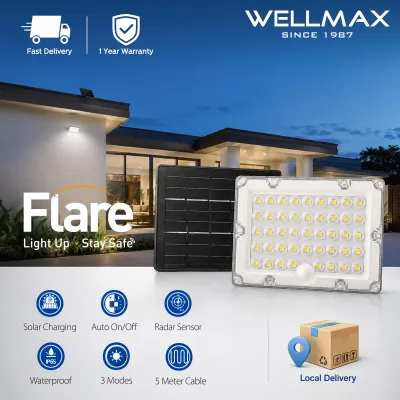
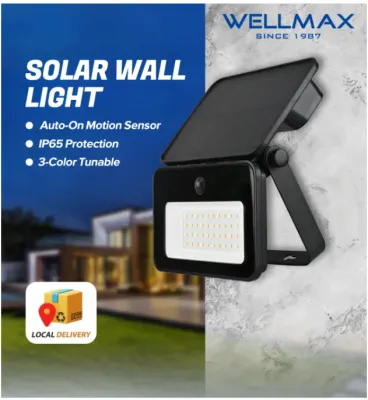
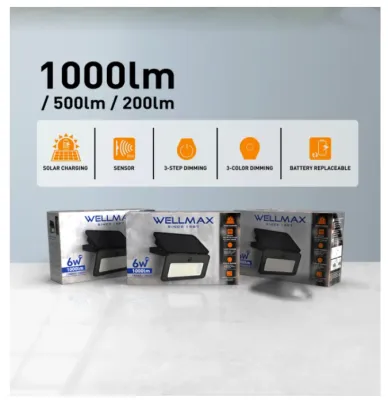
Prices are valid at publication and may change. Please refer to the product page for the latest price.
Key Specifications to Verify Before Buying
To ensure your selected Wellmax solar light performs reliably under local environmental conditions, you must verify several critical technical specifications on the product packaging or official specification sheets. First, examine the solar panel type and its rated efficiency alongside the integrated battery capacity. Solar panels generally utilize either monocrystalline or polycrystalline silicon; monocrystalline panels typically offer higher conversion efficiency, which is highly beneficial in areas with limited direct sunlight. The battery capacity, usually measured in milliampere-hours (mAh) or watt-hours (Wh), must be large enough to store sufficient energy to power the light throughout the night, especially after days with partial sun exposure.

Next, pay close attention to the Ingress Protection (IP) rating, which indicates how well the fixture resists dust and moisture. For outdoor installations in tropical climates prone to heavy downpours and high humidity, look for a minimum rating of IP65. An IP65 rating signifies that the housing is dust-tight and protected against water jets from any direction, while higher ratings like IP66 or IP67 offer even greater protection against severe weather or temporary submersion. Choosing a fixture with inadequate weatherproofing can lead to internal corrosion, electrical short circuits, and premature product failure.
Color temperature is another vital specification that directly influences the visual comfort and utility of your outdoor space. Measured in Kelvin (K), color temperature ranges from warm white (typically 2700K to 3000K) to cool white (5000K to 6500K). Warm white light is ideal for residential gardens and seating areas because it creates a cozy, relaxing environment and minimizes harsh glare. Cool white light provides high contrast and crisp visibility, making it the preferred choice for security zones, driveways, and utility areas where clear detail is paramount.
Finally, evaluate the control mechanisms and sensor types integrated into the fixture. Dusk-to-dawn sensors automatically activate the light at sunset and turn it off at sunrise, which is highly convenient but demands continuous battery power. Motion sensors, such as Passive Infrared (PIR) sensors, keep the light at a dim energy-saving level or completely off until they detect movement, at which point they switch to full brightness. Utilizing motion-activated fixtures significantly conserves battery life, ensuring the light remains functional even during consecutive overcast days.
Matching Wellmax Solar Light Types to Your Scenarios
Selecting the right fixture involves matching your assessed spatial needs with the appropriate form factor of Wellmax solar lights. The brand offers various designs, including ground-mounted path lights, wall-mounted sconces, and high-output floodlights, each engineered for specific applications. Rather than relying on a single universal light type, a successful outdoor lighting plan often combines multiple form factors to address different functional requirements across your property.
When selecting a model, cross-reference the physical design of the fixture with your intended mounting surface and the surrounding clearance. Wall-mounted sconces require flat, vertical surfaces and must be positioned at a height that allows the integrated solar panel to receive unobstructed sunlight. Floodlights often feature adjustable mounting brackets that let you angle the light head downward while keeping the solar panel tilted upward toward the sky. Always check the product packaging to verify what mounting hardware is included—such as screws, wall anchors, or ground stakes—to ensure you have the necessary tools and accessories for a secure installation.
Pathways, Driveways, and Walkways
Illuminating transit paths requires fixtures that project light downward onto the walking surface rather than outward into the eyes of pedestrians. Low-profile path lights or bollard-style fixtures are highly effective for this purpose, as they define the boundaries of walkways and driveways while minimizing glare. When planning the layout, space the fixtures evenly to avoid creating alternating patches of bright light and deep shadow, which can disorient walkers and compromise safety.
The stability of ground-mounted lights depends heavily on the soil or surface condition of your pathway borders. In soft garden soil or clay, standard ground stakes provide adequate support, but you must ensure the ground is sufficiently compacted to prevent the fixtures from tilting over time. If you are installing lights along a concrete or paved walkway, look for models that support surface-mounting brackets rather than ground stakes. Additionally, verify the physical height of the fixtures before purchasing; low-hanging or protruding lights can easily become obstacles for lawnmowers, line trimmers, or foot traffic.
Gardens, Lawns, and Landscaping Features
Landscape lighting focuses on aesthetics, allowing you to highlight the natural beauty of your garden, trees, or architectural features after dark. Adjustable solar spotlights are ideal for this application, as they can be angled precisely to cast dramatic uplight on tree trunks, illuminate flower beds, or showcase decorative statues. Using warm color temperatures in these areas enhances the natural greens and earth tones of your landscaping, creating a soft, welcoming ambiance.
A common challenge with garden solar lighting is that the ideal spot for illumination is often shaded by the very plants you wish to light. To overcome this, look for solar spotlights that feature an adjustable solar panel that can rotate independently from the light head. This design allows you to position the light fixture in a shaded area under a bush or tree canopy while angling the solar panel toward an open gap in the foliage to maximize daily solar charging.
Gates, Walls, and Security Zones
For perimeters, entry gates, and dark side yards, security is the primary concern, requiring high-output fixtures that provide bright, reliable illumination. Solar floodlights and heavy-duty wall sconces equipped with integrated motion sensors are the most effective choices for these zones. These fixtures act as a strong deterrent to intruders by instantly flooding an area with bright light when movement is detected, while also providing safe visibility for residents returning home after dark.
When configuring security lights, understand the operational trade-off between constant illumination and motion-triggered modes. Running a high-lumen floodlight at full brightness continuously will rapidly deplete the battery, often causing the light to shut down long before dawn. Opting for a mode that maintains a low standby glow and switches to maximum brightness only upon detecting motion ensures the battery lasts through the entire night. Before mounting the fixture, verify the sensor’s detection range and horizontal angle on the product specification sheet to ensure it covers the entire entry gate or pathway without being triggered by passing street traffic.
Installation Boundaries and Routine Maintenance
To maximize the lifespan and performance of your Wellmax solar lights, proper installation and regular maintenance are essential. The most critical factor in solar light performance is panel placement; you must install the fixtures in locations that receive direct, unobstructed sunlight for several hours each day. Avoid placing solar panels directly under roof overhangs, gutters, dense tree canopies, or the shadow of adjacent buildings, as even partial shading can drastically reduce the energy generated and lead to short runtimes at night.
Routine maintenance is simple but vital for keeping your solar lights operating at peak efficiency. Over time, dust, pollen, bird droppings, and salt residue from coastal air can accumulate on the surface of the solar panel, blocking sunlight and reducing charging capacity. Clean the panels every few months using a soft, damp microfiber cloth and plain water; avoid using abrasive scrubbers, harsh chemical cleaners, or high-pressure washers, as these can scratch or crack the protective tempered glass or plastic casing.
While many solar lights are designed for straightforward DIY installation, you must recognize when to stop and consult a qualified professional. If your installation requires drilling into structural concrete, working at significant heights on ladders or scaffolding, or mounting heavy fixtures to high walls, hiring a professional ensures safety and structural integrity. Furthermore, if you decide to integrate solar fixtures with existing low-voltage outdoor wiring or require dedicated electrical connections for hybrid systems, always hire a licensed electrician to prevent electrical hazards and comply with local building codes.
Frequently Asked Questions (FAQ)
Do Wellmax solar lights work during the rainy season in the Philippines?
Yes, Wellmax solar lights can function during the rainy season, but their performance and runtime will be affected by weather conditions. During prolonged overcast days and heavy monsoon rains, the amount of solar radiation reaching the panels is significantly reduced, which prevents the battery from fully charging. To ensure reliable performance during these low-sunlight periods, check the product label for models with larger battery capacities and higher-wattage solar panels, which can capture and store energy more efficiently even on cloudy days. Adjusting the light settings to a motion-sensor or energy-saving mode during the wet season will also help conserve stored power.
Can I replace the batteries in my Wellmax solar light?
Whether you can replace the batteries depends entirely on the specific Wellmax solar light model. Many outdoor solar fixtures use standard rechargeable lithium-ion or LiFePO4 batteries that can be accessed via a dedicated battery compartment on the back or underside of the unit. Before attempting any replacement, consult the product manual or inspect the physical casing for a removable cover secured by screws. If the unit is completely sealed without visible access points, do not attempt to force it open; doing so will compromise the Ingress Protection (IP) seals, allowing water to enter and ruin the electronics, and will likely void any manufacturer warranty.
Community discussion
Share your experience or ask a question. Comments are reviewed before publication.