
Outdoor solar lights can absolutely survive the intense Philippine rainy season and severe typhoons, but their survival depends entirely on selecting the correct specifications, durable materials, and secure installation methods. In a tropical climate characterized by high humidity, relentless monsoon rains, and frequent typhoons, standard decorative lights often fail within a single season. To protect your investment, you must look beyond basic aesthetics and evaluate how well a fixture is sealed against moisture, how its housing resists wind and UV degradation, and how securely it is anchored to your property.
Understanding the environmental challenges unique to the tropical climate is the first step in making a smart purchasing decision. The combination of intense tropical heat during the dry months and prolonged wet spells during the rainy season puts extreme stress on outdoor electronics. Cheap, poorly sealed solar lights will quickly succumb to water intrusion, battery corrosion, and structural failure. By focusing on key durability metrics, you can ensure your outdoor spaces remain well-lit and secure, even during the darkest stormy weeks.
Understanding IP Ratings for Heavy Rain and Humidity
To determine if an outdoor solar light can withstand torrential downpours, you must check its Ingress Protection (IP) rating. This standard classification system consists of two digits that indicate the level of protection a fixture offers against solids and liquids. The first digit, ranging from zero to six, measures protection against solid objects like dust and windblown grit. The second digit, ranging from zero to nine, measures protection against moisture ingress.
Products mentioned in this guide
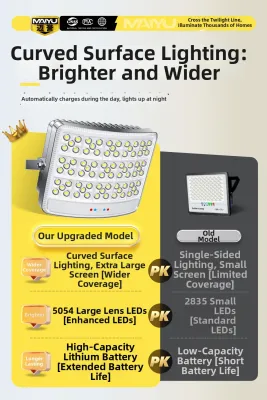
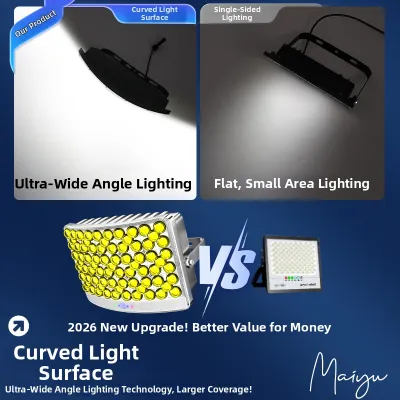
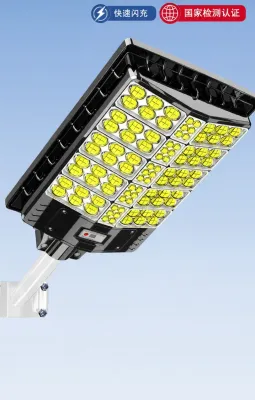
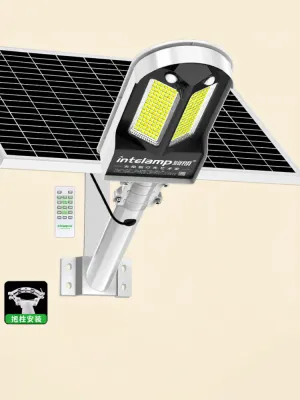
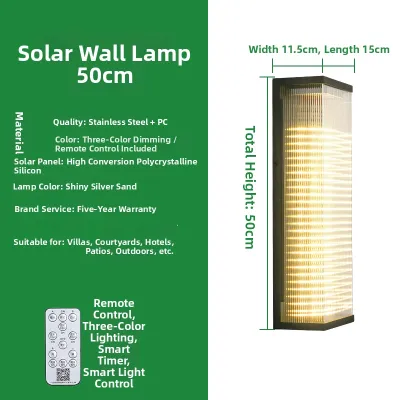
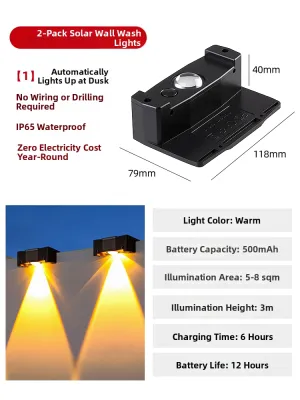
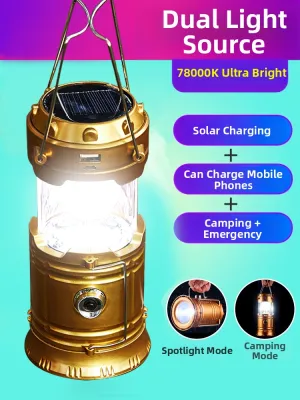
Prices are valid at publication and may change. Please refer to the product page for the latest price.
For outdoor solar lights, you should never settle for anything less than an IP65 rating. An IP65 rating means the light is completely dust-tight and can withstand water jets sprayed from any direction, making it highly suitable for wall-mounted security lights, fence lights, and elevated floodlights. If you are installing ground-level path lights, garden spotlights, or fixtures in areas prone to temporary water pooling, look for an IP67 or IP68 rating. An IP67 rating ensures the fixture can survive temporary submersion in water, which is crucial during sudden flash floods or heavy monsoon accumulation.
You can typically locate the IP rating printed on the product packaging, the user manual, or the technical specification sheet. If a product does not clearly display an IP rating, it is highly likely designed only for dry or semi-protected environments and should be avoided for open outdoor installations. When verifying these specifications, also check for recognized electrical certifications such as CE or RoHS, which confirm the product has undergone standardized testing for safety and environmental resistance. While choosing between warm white or cool white light is a matter of personal preference for spatial effect and visibility, verifying the physical protection of the fixture is a matter of safety and longevity.
Evaluating Materials and Build Quality for Typhoon Conditions
The physical construction of a solar light determines whether it will remain intact when subjected to high winds and flying debris. Housing materials play a critical role in long-term durability. While high-impact ABS plastic and polycarbonate are common and cost-effective, they must be treated with UV inhibitors to prevent them from becoming brittle under the harsh tropical sun. For maximum longevity, heavy-duty materials such as anodized aluminum or powder-coated stainless steel are preferred, as they offer superior impact resistance and will not rust when exposed to constant humidity.

Structural design is equally important for wind resistance. Look for solar lights with aerodynamic, low-profile shapes that minimize wind load during severe storms. Bulky, wide-faced fixtures act like sails in high winds, putting immense pressure on their mounting brackets. Ensure the mounting brackets themselves are made of thick, rigid metal rather than thin plastic, and check that all joint screws are made of corrosion-resistant stainless steel.
Moisture entry points are the primary cause of premature solar light failure. Before purchasing, inspect the sealing around the solar panel glass and the light lens. High-quality fixtures feature seamless silicone gaskets and tightly sealed battery compartments to keep moisture out. If the solar panel is integrated directly into the top of the light, ensure there are no visible gaps between the panel edge and the plastic housing, as water pooling on top of the fixture will eventually seep through weak seals.
Installation Strategies to Protect Against Wind and Flooding
Proper installation is your primary defense against the destructive forces of extreme weather. When planning your layout, avoid placing solar lights in low-lying garden areas prone to flooding, soil erosion, or standing water, unless the fixtures are specifically rated for continuous submersion. Mount security lights and floodlights at an elevated height on solid structures, such as concrete hollow block walls, sturdy wooden posts, or reinforced steel poles. Always position them away from overhanging tree branches that could snap and crush the fixtures during high winds.
Securing your lights requires robust fastening hardware. Avoid relying on simple adhesive tapes or lightweight plastic wall plugs. Instead, use heavy-duty expansion bolts for concrete walls or long, rust-resistant screws for wooden structures. If you are installing heavy solar floodlights or fixtures with separate, large solar panels at a significant height, always prioritize safety. Isolate any auxiliary power sources if using a hybrid system, follow the manufacturer’s installation instructions carefully, and consider hiring a qualified professional to handle work at height to prevent accidents.
The angle of your solar panel also affects its weather resistance. Angle the panel at approximately 15 to 20 degrees rather than mounting it completely flat. This slope allows heavy tropical rains to naturally wash away dust, fallen leaves, and organic debris, preventing water from pooling on the surface. Proper angling also ensures the panel receives optimal sunlight exposure during the day while facilitating efficient water runoff during intense downpours.
Maintenance Routines for Prolonged Wet Seasons
Maintaining your solar lights during the prolonged wet season is essential to keep them operating efficiently. During the rainy months, heavy downpours can splash mud, sand, and organic debris onto the solar panels, blocking sunlight and reducing charging efficiency. Clean the panels regularly using a soft microfiber cloth and clean water. Avoid using abrasive scrubbing pads or harsh chemical detergents, as these can scratch or strip the protective UV coatings on the panel, permanently degrading its ability to absorb sunlight.
Perform regular visual inspections of your outdoor fixtures throughout the rainy season. Look for signs of internal condensation behind the light lens, which indicates a compromised seal. Inspect the battery compartment for any signs of rust or white, powdery corrosion on the electrical contacts. If you notice minor condensation, you can sometimes disassemble the housing during a dry spell, wipe it dry, and apply a thin bead of outdoor-grade silicone sealant along the seams to restore its water resistance.
It is important to manage your expectations regarding nighttime runtime during continuous overcast weather. Solar lights rely on direct sunlight to fully charge their internal batteries. During weeks of heavy cloud cover and rain, the batteries may only receive a partial charge, causing the lights to dim or turn off much earlier than usual. This is a normal characteristic of solar technology, not necessarily a sign of a broken fixture. To conserve power during these periods, switch your lights to a motion-sensor mode rather than a continuous-on mode, if the fixture supports this setting.
Identifying Damage and Deciding When to Replace
Despite your best efforts, extreme weather can sometimes cause severe damage to outdoor solar lights. Knowing how to identify irreversible damage will help you decide whether to attempt a repair or replace the unit entirely. Internal water pooling that completely submerges the circuit board is usually fatal for cheap electronics. If the light fails to turn on even after replacing the battery and exposing the panel to direct sunlight for two full days, the internal circuitry has likely short-circuited.
Pay close attention to the condition of the rechargeable battery. If you open the battery compartment and find a swollen, bloated, or leaking battery, handle it with extreme caution. Wear protective gloves, remove the battery immediately, and do not attempt to recharge or reuse it. Water-damaged lithium-ion or nickel-metal hydride (NiMH) batteries pose safety risks and must be disposed of safely at designated local electronic waste recycling centers or hazardous waste collection points.
If your current solar lights consistently fail, crack, or fill with water after typical tropical storms, it is a clear sign that their specifications are inadequate for your local microclimate. Instead of repeatedly buying cheap, low-quality replacements that cost ₱200 to ₱500 and fail within months, consider upgrading to commercial-grade fixtures. Investing in high-quality solar floodlights with cast-aluminum housings, tempered glass panels, and verified IP66 or IP67 ratings will provide reliable security lighting that lasts for years.
Frequently Asked Questions (FAQ)
Do solar lights need to be taken down during a typhoon?
Yes, it is highly recommended to temporarily take down and store lightweight, hanging, or ground-spiked solar lights when a tropical cyclone wind signal is raised in your area. Strong winds can easily dislodge ground spikes, turn hanging lanterns into dangerous projectiles, or cause flying debris to shatter the solar panels. Heavy-duty, wall-mounted floodlights that are securely bolted into concrete walls can usually remain in place, provided they have a high wind-resistance rating and a minimum protection level of IP65.
Can I use regular indoor solar lights outside if they are under a roof?
No, you should not use indoor-rated solar lights or low-IP decorative lights in outdoor spaces, even if they are placed under a roof, awning, or covered patio. High ambient tropical humidity, blowing rain, and morning condensation will easily penetrate non-sealed housings, causing rapid corrosion of the internal electrical contacts and ruining the battery. Always check the product label for outdoor-use ratings and electrical certifications; using a fixture outside its specified installation environment will void the warranty and can create safety hazards.
Community discussion
Share your experience or ask a question. Comments are reviewed before publication.