
Choosing a high-capacity solar flood light in the Philippines requires looking past the prominent “600W” label. This rating is almost always an incandescent or halogen brightness equivalency rather than the actual electrical power drawn from the battery. To find a reliable unit, you must verify three critical factors: the balance between the solar panel’s wattage and the battery’s capacity, the physical build quality, and the ingress protection (IP) rating. A mismatched system will leave you with a light that dies after a few hours or fails to charge during overcast days. In the tropical climate of the Philippines, where heavy monsoon rains and intense heat are common, choosing a fixture with at least an IP65 rating and a durable housing is essential for long-term performance.
Key Specifications to Verify Before Buying
When browsing online marketplaces or local hardware stores, you will find a wide range of prices in ₱ for 600W solar flood lights. Because these prices vary significantly, it is crucial to verify seller ratings, customer reviews, and return policies before making a purchase. Do not rely solely on the product title or promotional images; instead, cross-reference the marketing claims with the physical specification labels printed on the product packaging or detailed in the user manual.
Understanding "600W" Equivalency and Brightness
The “600W” label on modern solar flood lights is a marketing term used to indicate that the light output is comparable to a traditional 600-watt incandescent or halogen bulb. It does not mean the light consumes 600 watts of electrical power from its battery, nor does it guarantee a specific level of brightness. To determine the actual light output, you must look for the lumen rating, which measures the total amount of visible light emitted by the fixture. A true high-output flood light should specify its lumens clearly on the spec sheet.
Products mentioned in this guide
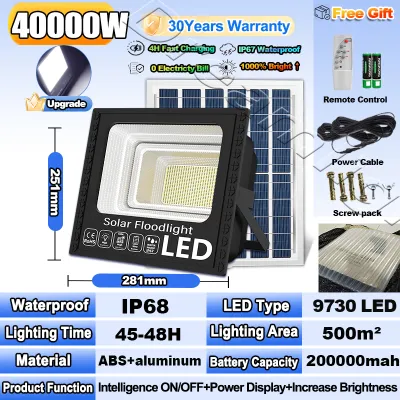
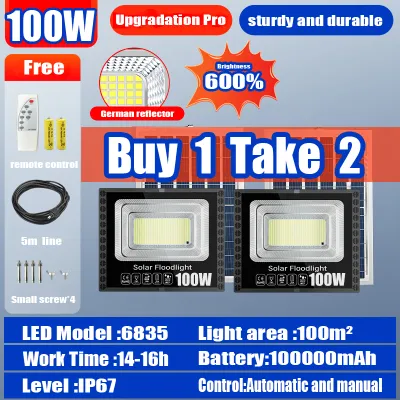
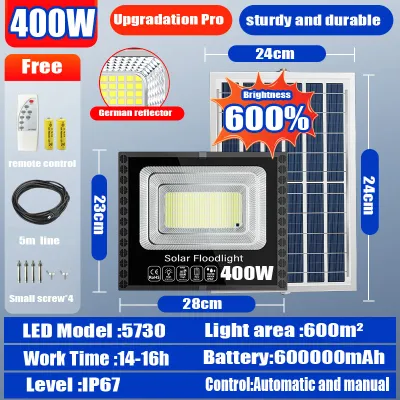
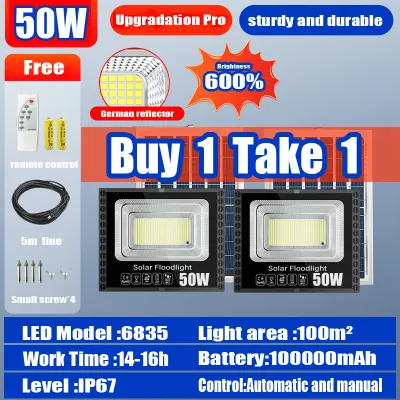
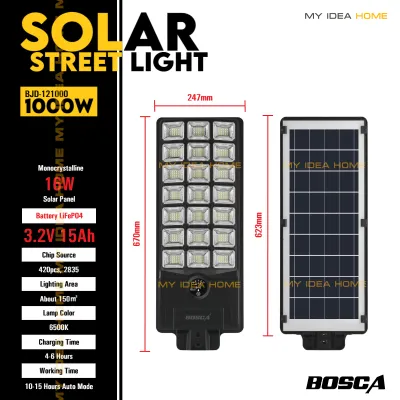
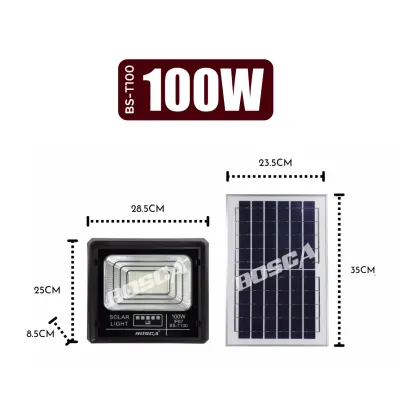
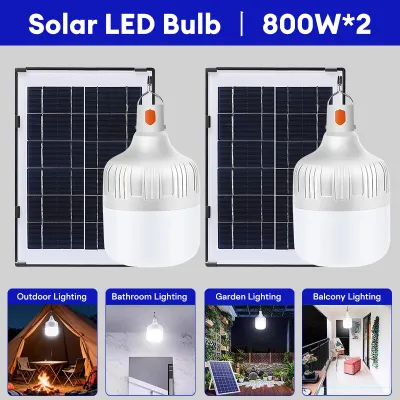
Prices are valid at publication and may change. Please refer to the product page for the latest price.
Another key indicator of brightness and efficiency is the LED chip count and type. Fixtures utilizing a higher density of modern, high-efficiency LED chips generally provide more uniform light distribution and better energy management than those with fewer, older chips. You must also consider the beam angle and coverage area of the light. A wide beam angle, typically around 120 degrees, is excellent for illuminating large yards, driveways, or building facades, but it disperses the light over a broader area, which may reduce the perceived intensity at longer distances.
If you need focused illumination for security or specific pathways, a narrower beam angle or an adjustable bracket that allows you to direct the light precisely is more effective. Additionally, treat perceived color temperature and spatial effects as conditional preferences rather than universal performance facts. For instance, cool white light (6000K–6500K) is often preferred for security and high-visibility areas, while warm white light (3000K) is better suited for cozy garden aesthetics, though it may appear less bright to the human eye.
Solar Panel and Battery Capacity Matching
The performance of any solar flood light depends entirely on the relationship between the solar panel’s power output and the battery’s storage capacity. The solar panel must be large enough to fully charge the battery during daylight hours, even when sunlight is partially blocked by clouds. Battery capacity is typically measured in milliampere-hours (mAh) or watt-hours (Wh). For a high-capacity light, look for batteries that match the energy demands of the LED array for at least 10 to 12 hours of continuous operation.
The type of battery chemistry used inside the fixture significantly impacts its lifespan and safety. Lithium Iron Phosphate (LiFePO4) batteries are highly recommended for tropical climates like the Philippines because they offer superior heat tolerance, a longer cycle life, and better safety profiles compared to standard Lithium-ion (Li-ion) batteries. Undersized solar panels are a common issue in budget-friendly fixtures. If the panel’s wattage is too low, it will fail to fully charge the battery in a single day, leading to progressively shorter runtimes each night and accelerating battery degradation.
Always check the physical dimensions and wattage rating of the solar panel; a larger, high-quality monocrystalline panel is generally more efficient at converting sunlight into electricity than a polycrystalline panel of the same size. Ensure that the battery voltage matches the system requirements, and verify if the unit supports dimming methods—such as automatic step-down dimming or remote-controlled brightness adjustments—which can help balance energy consumption and extend runtime.
Weather Resistance and Build Quality
Outdoor fixtures in the Philippines must endure extreme weather conditions, including intense UV exposure, high humidity, and torrential rains during typhoon season. To ensure your solar flood light survives these elements, verify that it has an Ingress Protection rating of IP65 or higher. An IP65 rating indicates that the fixture is dust-tight and protected against water jets from any direction, which is the minimum standard required for reliable outdoor deployment in damp or exposed environments.
The casing material plays a vital role in both durability and heat dissipation. Die-cast aluminum housings are highly superior to ABS plastic casings because they conduct heat away from the LEDs and battery more effectively, preventing premature component failure due to overheating. Furthermore, aluminum is much more resistant to UV degradation, whereas cheap plastic casings can become brittle and crack after prolonged exposure to the tropical sun.
Pay close attention to the front cover of the flood light. Tempered glass covers are highly preferred over standard plastic lenses because they do not yellow or cloud over time, ensuring that the light output remains clear and unobstructed throughout the lifetime of the fixture. Additionally, check for reputable electrical certifications (such as CE, RoHS, or local quality marks) on the packaging to ensure the components have been tested for safety and environmental compliance.
Installation and Safety Requirements
Installing a high-capacity solar flood light involves handling relatively heavy components, particularly the solar panel and the light fixture itself. Before mounting these parts, you must perform structural load checks on the intended mounting surface, whether it is a concrete hollow block wall, a wooden post, or a metal pole. Ensure that the mounting brackets, wall anchors, and screws are rated to support the combined weight of the fixture and the solar panel under high wind conditions.

When working at heights to install the light or position the solar panel, safety must be your top priority. Always use a sturdy, level ladder and have an assistant secure the base of the ladder while you work. If the installation involves connecting any fixed electrical wiring—such as routing cables through walls or connecting to an existing power grid for hybrid models—you must isolate the power source at the circuit breaker before starting.
Proper cable management is essential to prevent water from entering the electrical connections. Ensure that all outdoor cable connections are sealed with waterproof electrical tape or housed in IP-rated junction boxes, and create a “drip loop” in the cable before it enters the fixture to direct rainwater away from the entry point. This is especially critical in damp areas or coastal regions where salt-laden moisture can accelerate corrosion.
If you are mounting the fixture on a high pole, dealing with suspended loads, or if you are unsure about the electrical connections, stop your DIY efforts immediately. Consult a qualified professional or a licensed electrician to complete the installation safely and ensure compliance with local building codes.
Maintenance and Longevity Checks
To maintain optimal light output and ensure the longevity of your solar flood light system, you must establish a regular maintenance routine. The most critical task is cleaning the solar panel every few months to remove accumulated dust, bird droppings, pollen, and salt residue, which can significantly reduce charging efficiency. Use a soft cloth or sponge with clean water and a mild, non-abrasive soap to wipe the panel surface; avoid using harsh chemicals or abrasive scrubbers that could scratch the glass.
Conduct regular visual inspections of the entire system, looking for signs of moisture ingress inside the light fixture, corrosion on the mounting brackets, and wear or cracking along the exposed cables. If you notice condensation behind the lens, it may indicate a compromised seal, which should be addressed immediately to prevent short-circuiting or corrosion of the internal electronics.
Over time, all rechargeable batteries will experience degradation, resulting in shorter runtimes or a complete failure to hold a charge. Signs of battery degradation include the light turning off much earlier than usual or failing to turn on at all despite sunny weather. When replacing the battery, always source a compatible replacement pack that matches the original voltage, capacity, and chemistry specifications, and follow the manufacturer’s instructions for safe disposal of the old battery.
Frequently Asked Questions (FAQ)
Do 600W solar flood lights work during the rainy season?
Yes, solar flood lights will still charge and operate during the rainy season, but their performance will be reduced. Cloud cover and heavy rain block direct sunlight, which lowers the charging efficiency of the solar panel and results in a partially charged battery. To conserve power and ensure the light lasts through the night during prolonged overcast periods, look for models that feature adjustable brightness settings or built-in motion sensors. Operating the light in a dim standby mode that brightens only when motion is detected can significantly extend the battery life during consecutive rainy days.
Can I install a solar flood light on a concrete wall?
Yes, installing a solar flood light on a concrete wall is highly secure, provided you use the correct hardware. You will need a rotary hammer drill equipped with a masonry drill bit that matches the size of your wall anchors. When drilling into concrete or hollow blocks, take care to avoid hitting structural rebar or embedded electrical conduits. Always use heavy-duty expansion bolts or concrete wall anchors to secure the mounting bracket, ensuring it can support the weight of the fixture and withstand strong winds.
How long does the battery typically last before replacement?
The lifespan of the internal battery depends heavily on the battery chemistry and usage patterns, whereas the LED chips themselves can last for many years. High-quality LiFePO4 batteries typically last between three to five years before showing significant capacity loss, while standard Li-ion batteries may need replacement after two to three years. To maximize the lifespan of your system, check the manufacturer’s warranty and replacement policy regarding the battery pack, and ensure the battery is kept away from extreme heat sources.

Community discussion
Share your experience or ask a question. Comments are reviewed before publication.