
Choosing the right foil Christmas lantern for your home decoration requires evaluating material durability, structural frame stability, lighting features, and electrical safety specifications. A well-constructed lantern should feature thick, tear-resistant foil with a secure frame made of metal, bamboo, or rigid plastic to withstand local environmental factors like high humidity. Additionally, matching the lantern’s size and shape to your room’s clearance and verifying its power source and safety certifications will ensure a beautiful, hazard-free festive display.
Assessing Material Quality and Frame Durability
Foil thickness is a primary indicator of longevity. Thin, low-grade foil tears easily during assembly or hanging, whereas thicker, multi-layered foil resists punctures and retains its shape over multiple holiday seasons. Look for a reflective finish that is evenly applied without bubbling, peeling, or dull patches, as these flaws can diminish the lantern’s ability to scatter light effectively.
The internal frame provides the essential structural skeleton. Common materials include flexible metal wire, traditional bamboo, and rigid molded plastic. Metal wire frames offer excellent structural stability and can often be collapsed for storage, but they must be checked for rust-resistant coatings, especially in humid tropical climates. Bamboo frames provide a classic, lightweight structure but require careful handling to avoid splintering. Rigid plastic frames are highly durable and moisture-resistant, making them a practical choice for semi-outdoor spaces like covered patios.
Products mentioned in this guide
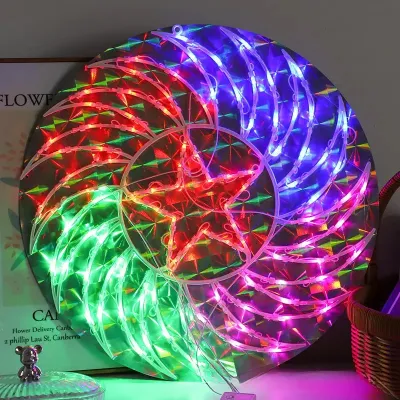
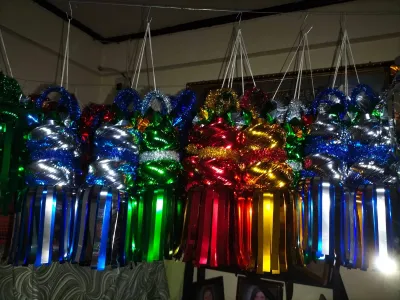
Prices are valid at publication and may change. Please refer to the product page for the latest price.
Examine the edge finishing and seam construction closely. High-quality lanterns feature folded or reinforced edges that prevent the foil from peeling away from the frame. Poorly finished edges can also present sharp points that risk cutting your hands during installation. Ensure all seams are securely bonded with heat-sealing or heavy-duty adhesive rather than light glue, which can degrade quickly under the heat of the light source or environmental moisture.
Be mindful of material limitations. Foil is highly reflective but can fade or discolor when subjected to prolonged direct sunlight or UV exposure. In humid environments, moisture can accumulate inside the folds of the foil, leading to mold growth or structural weakening of paper-backed foil variants. Selecting synthetic or plastic-coated foil materials can mitigate these risks if you live in a region with high humidity.
Matching Size, Shape, and Visual Weight to Your Space
Before purchasing, measure the physical dimensions of your intended display area. Consider the ceiling height, available clearance in high-traffic pathways, and the proximity of surrounding furniture. A lantern that is too large can obstruct movement and overwhelm a room, while a piece that is too small will lose its visual impact and appear insignificant.

The shape of the lantern dictates its visual weight and how it draws the eye. Spherical and cylindrical lanterns distribute light evenly in all directions, making them excellent central fixtures for living rooms or dining areas. Star-shaped and complex geometric lanterns create dramatic focal points with sharp angles and intricate shadow patterns, which work beautifully in entryways or large windows.
Decide whether your space benefits more from a single statement piece or a clustered arrangement. A single, large lantern serves as a commanding centerpiece, whereas a cluster of smaller, varying sizes can create a dynamic, whimsical display. When hanging multiple lanterns, maintain a spacing of at least 30 to 50 centimeters between each piece to prevent tangling, physical damage, and visual clutter.
Coordinate the lantern’s color palette with your existing holiday decor. Warm gold, bronze, and red foils complement traditional, cozy design themes, while silver, blue, and holographic foils suit modern, minimalist, or winter-themed interiors. Pay attention to how the foil diffuses light; some finishes are highly opaque and project sharp patterns, while others are semi-translucent, offering a softer, more ambient glow.
Evaluating Lighting Features and Power Sources
Choosing between battery-operated and plug-in models depends on your installation location. Battery-operated lanterns offer unmatched portability and convenience, allowing you to hang them from high ceilings, stairwells, or outdoor branches without worrying about visible cords or nearby outlets. However, they require periodic battery replacements or recharging, which can become inconvenient for hard-to-reach fixtures.
Plug-in models provide consistent, uninterrupted power, making them ideal for lanterns that will remain illuminated for many hours each evening. When choosing a plug-in option, verify the cable length to ensure it can comfortably reach your wall outlet without creating a tripping hazard or requiring excessive extension cords.
The choice of light source directly impacts long-term maintenance and ambiance. Integrated, non-replaceable LEDs are highly energy-efficient and generate minimal heat, which is crucial for protecting the delicate foil material. However, if an integrated LED fails, the entire lighting element must be replaced. Standard replaceable bulbs offer greater flexibility, allowing you to swap out bulbs as needed, but you must strictly adhere to the manufacturer’s maximum wattage limits to prevent overheating.
Consider the color temperature and lighting modes to set the desired mood. Warm white light (around 2700K to 3000K) creates a cozy, inviting atmosphere, while cool white light (5000K and above) offers a bright, modern look. Multicolor options and dynamic lighting modes—such as steady, slow fading, or festive twinkling—add versatility, but ensure these modes can be easily controlled via a remote or an accessible switch.
Verifying Electrical Safety and Installation Limits
Safety must be your top priority when installing any electrical decoration. In the Philippines, standard household electricity operates at 220V, so you must verify that any plug-in lantern is compatible with this voltage to avoid short circuits or electrical fires. Look for recognized electrical safety certification marks on the product packaging, which indicate the item has undergone rigorous testing for consumer safety.
Maintain safe clearance distances between the lantern’s light source and any flammable materials. Even low-heat LEDs can warm up over hours of continuous use. Keep the lantern at least 15 to 20 centimeters away from curtains, paper decorations, dry foliage, and wooden structures. Never drape fabrics directly over the lantern or block its ventilation openings.
Match the total weight of the lantern to the load-bearing capacity of your hanging hardware. Heavy lanterns require secure ceiling hooks or wall anchors rather than simple adhesive tape or thin string. If your installation requires working at height, use a stable ladder and have an assistant secure the base. Always isolate the power supply by unplugging the unit or turning off the circuit breaker before mounting, adjusting, or cleaning the fixture.
Do not assume all foil lanterns are suitable for outdoor use. Check the product label for an Ingress Protection (IP) rating. For covered outdoor areas like porches or balconies, look for at least an IP44 rating, which protects against splashing water and solid objects larger than 1 millimeter. Standard indoor lanterns lack these seals, and exposing them to rain, wind, or heavy condensation can lead to dangerous electrical shorts and rapid material degradation.
Building Your Shortlist: A Buyer's Comparison Checklist
To streamline your decision-making process, create a simple comparison matrix based on your specific needs. Weigh the trade-offs between different models: for instance, a battery-powered star lantern might offer easy placement but require frequent battery changes, while a larger plug-in cylindrical lantern provides reliable light but limits your mounting locations.
Establish a realistic budget range in Philippine Pesos (₱) before shopping. Basic, small-scale foil lanterns can be found for around ₱150 to ₱300, while larger, more intricate designs with advanced lighting features, remote controls, or weather-resistant frames can range from ₱500 to ₱1,500 or more. Setting a budget helps you filter out low-quality, overly cheap options that may pose safety hazards.
Watch out for common red flags when browsing online marketplaces or local retail shops. Be skeptical of product descriptions that lack clear dimensions, voltage specifications, or safety certifications. Read customer reviews carefully, looking for recurring complaints about flimsy internal frames, strong chemical odors from cheap adhesives, rapid battery drain, or flickering lights that indicate poor wiring.
Finally, verify the return policies and warranty coverage before finalizing your purchase. Reliable sellers should offer a clear return window for defective electrical components or items damaged during transit. Confirming these details ensures that you can shop with confidence and easily resolve any issues before the holiday decorating season begins.
Frequently Asked Questions (FAQ)
Can I use a standard indoor foil Christmas lantern outdoors?
No, you should never use a standard indoor foil Christmas lantern in an outdoor environment. Indoor models lack the necessary weatherproofing and Ingress Protection (IP) ratings required to withstand outdoor elements. Exposing an indoor-rated lantern to wind, rain, dew, or high humidity can cause the foil to peel, the internal frame to rust, and the electrical components to short-circuit, creating a serious fire or shock hazard. Always check the manufacturer’s label and strictly follow the indoor-only or outdoor-approved usage guidelines.
How should I clean and store my foil lantern after the holidays?
To preserve your foil lantern for future holiday seasons, clean it gently using a dry, soft microfiber cloth or a feather duster to remove accumulated dust without scratching or tearing the delicate foil surface. Avoid using water, liquid cleaners, or abrasive pads, which can dissolve adhesives and ruin the reflective finish. If the lantern is battery-operated, always remove the batteries before storage to prevent corrosion and damaging chemical leaks. Store the collapsed lantern flat inside a rigid, crush-proof box, and keep it in a cool, dry place away from direct sunlight and extreme temperature fluctuations.

Community discussion
Share your experience or ask a question. Comments are reviewed before publication.