
To make a compact Philippine condominium feel open and airy, strategic interior design choices are essential. An acrylic mirror with design offers a lightweight, versatile, and highly reflective solution that can visually double a room’s footprint when selected and positioned correctly. By reflecting natural light and extending sightlines, these modern decorative elements help break the boundaries of tight studio or one-bedroom layouts without the structural hassle or safety risks of heavy glass mirrors.
Using reflective surfaces is a classic design technique to combat the cramped feeling common in high-density urban living. Acrylic options have emerged as a popular alternative to traditional glass, offering unique styling opportunities that fit the modern aesthetic of contemporary condo developments. Understanding how to select the right shapes, finishes, and placements can transform a limited living space into a bright, welcoming home.
Why Acrylic Mirrors Work for Compact Spaces
Acrylic mirrors offer distinct practical advantages over traditional glass, especially when decorating high-rise or compact condominium units. One of the most significant benefits is the weight difference. Acrylic is roughly half the weight of glass, making it much easier to transport up condo elevators, carry through narrow corridors, and handle during installation. This lightweight nature also means you can mount larger reflective pieces without worrying about excessive load on partition walls.
Products mentioned in this guide
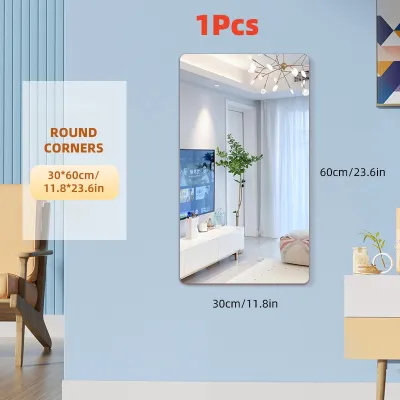
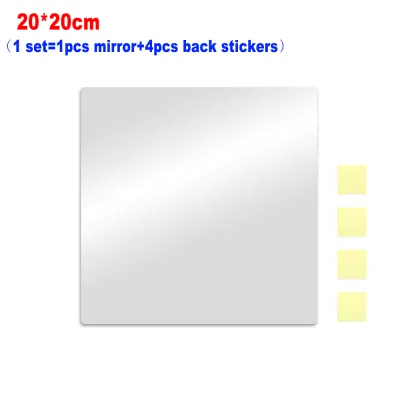
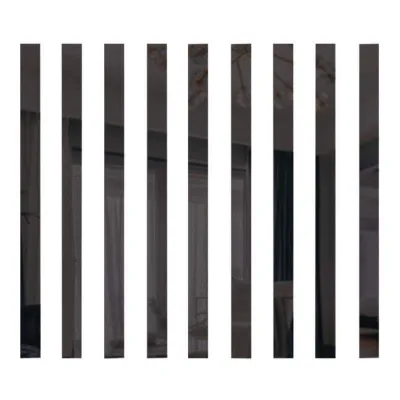
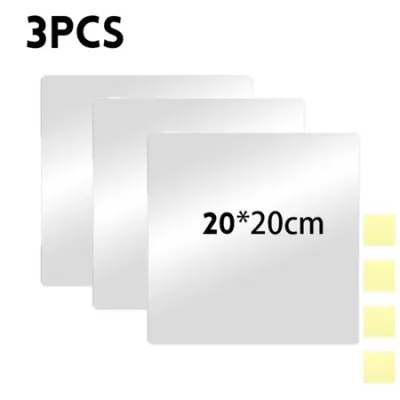
Prices are valid at publication and may change. Please refer to the product page for the latest price.
Safety is another critical factor in tight living quarters. High-traffic zones like narrow entryways, dining areas, and hallways are prone to accidental bumps and impact. Because acrylic is highly shatter-resistant, it presents a much lower safety risk than glass, making it an excellent choice for households with pets, young children, or active daily routines. If an accident does occur, the material will not break into dangerous, sharp shards.
While acrylic excels in weight and safety, it is important to manage expectations regarding optical clarity. High-quality acrylic sheets provide excellent reflection, but because the material is flexible, it can bend slightly if mounted on an uneven surface. This bending can cause minor image distortion, often referred to as a funhouse effect. To maintain clear, true reflections, acrylic mirrors must be installed against a completely flat backing or rigid wall surface.
Shapes and Layouts That Expand Visual Space
The shape and arrangement of your mirrors play a vital role in how your brain perceives the surrounding space. Large, single-panel acrylic mirrors are highly effective at creating a seamless illusion of an adjacent room. When a single panel covers a significant portion of a wall, it tricks the eye into seeing a continuous space, making a small dining or living area feel twice its actual size.

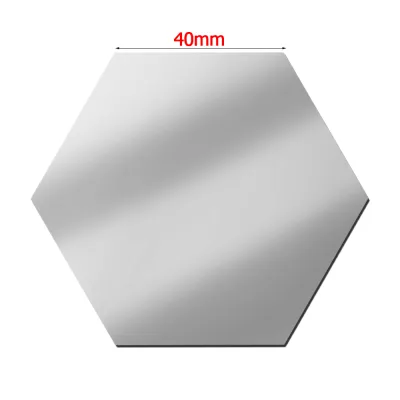
Alternatively, you can use a gallery wall composed of smaller geometric shapes, such as hexagons, diamonds, or circles. While these arrangements function more as decorative art pieces, they still bounce light around the room. However, for maximum spatial expansion, it is best to avoid overly fragmented designs. Too many small, separated mirror tiles can break up the reflection excessively, creating visual noise that makes a small room feel cluttered rather than open.
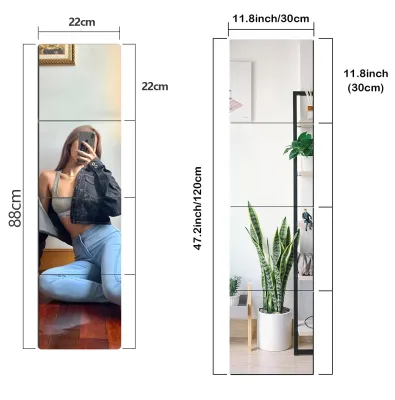
Vertical orientations are particularly useful in Philippine condos, where ceiling heights often range from 2.4 to 2.7 meters. Hanging tall, rectangular acrylic panels draws the eye upward, emphasizing the vertical dimension of the room. This simple shift in perspective makes low ceilings feel loftier and prevents the space from feeling boxed in. If you want to widen a narrow room, mounting a wide rectangular panel horizontally along a main wall can stretch the perceived width of the living area.
Finishes and Design Patterns to Consider
When selecting an acrylic mirror with design, the finish and surface pattern will dictate how the piece interacts with your indoor lighting. Clear, untinted acrylic mirrors provide the highest level of light reflection, making them the standard choice for dark or windowless corners. They reflect the true colors of your decor and maximize the brightness of both natural and artificial light.
Tinted finishes, such as bronze, grey, or rose gold, offer a more subtle, atmospheric reflection. While tinted mirrors absorb slightly more light than clear ones, they introduce a warm, sophisticated tone that complements tropical wood furniture and warm lighting schemes. These are highly effective in dining areas or bedrooms where you want to create a cozy yet spacious ambiance without the harshness of a bright, direct reflection.
Edge treatments also contribute to the overall spatial effect. Frameless acrylic mirrors with polished or slightly beveled edges blend seamlessly into the wall, creating a transitionless boundary that enhances the illusion of depth. If you prefer a framed design, opt for slim, minimalist frames in light wood or metallic finishes. Avoid heavy, bulky frames that protrude significantly from the wall, as they add physical and visual weight to a tight space.
Placement Strategies for Maximum Spatial Illusion
To get the most out of your acrylic mirror, placement is everything. Positioning a mirror directly opposite or adjacent to a window is one of the most effective ways to brighten a condo. The mirror captures the incoming natural light and projects it deeper into the unit, effectively acting as an additional window. This is especially beneficial in deep, narrow layouts where natural light struggles to reach the kitchen or entryway.
Another smart strategy is placing mirrors behind active light sources, such as a console table lamp, a floor lamp, or near wall sconces. The reflective surface doubles the light output of your fixtures, creating a warm glow and eliminating dark corners that make rooms feel smaller. In narrow hallways, mounting a mirror at the far end creates a vanishing point effect, making the passage appear to extend much further than it actually does.
Always consider what the mirror will reflect. A mirror doubles whatever is in its line of sight, so if it is positioned directly opposite a cluttered utility shelf, a busy kitchen counter, or a pile of laundry, it will double the visual clutter. Aim to position your mirrors so they reflect clean, open spaces, minimalist furniture arrangements, or indoor tropical plants to maintain a serene and orderly atmosphere.
Installation and Safety Checks for Condo Walls
Proper installation is crucial to ensure your acrylic mirror remains secure and distortion-free. Start by identifying your wall type. Philippine condos commonly feature painted concrete walls, precast concrete panels, or gypsum drywall partitions. Before purchasing any mounting materials, check the mirror manufacturer’s instructions regarding compatible adhesives, double-sided tapes, or mechanical fasteners.
Because acrylic is flexible, using double-sided foam tape on an uneven concrete wall can result in a warped reflection. For larger panels, it is often safer to mount the acrylic sheet onto a flat plywood backing first, or use specialized mirror clips that hold the panel flat against the wall. If you are using adhesives, ensure they are rated for high-humidity tropical environments, as standard tapes can degrade over time in warm climates, leading to the mirror falling.
Always consult your building administration before drilling into condo walls. Many high-rise buildings have strict guidelines regarding drilling, especially on shared party walls or structural columns where electrical conduits and water pipes may be embedded. If you encounter concrete walls that require heavy-duty hammer drilling, or if you are unsure of the structural layout, stop and hire a qualified professional to handle the installation safely.
Frequently Asked Questions (FAQ)
How do I clean an acrylic mirror without scratching it?
Acrylic is softer than glass and can scratch easily if cleaned with improper materials. To clean your acrylic mirror safely, always use a clean, soft microfiber cloth and a specialized acrylic cleaner or a mild mixture of warm water and dish soap. Avoid using paper towels, abrasive sponges, or household glass cleaners that contain ammonia or alcohol, as these harsh chemicals can cause the surface to become cloudy and permanently damaged.
Can acrylic mirrors be used in humid areas like condo bathrooms?
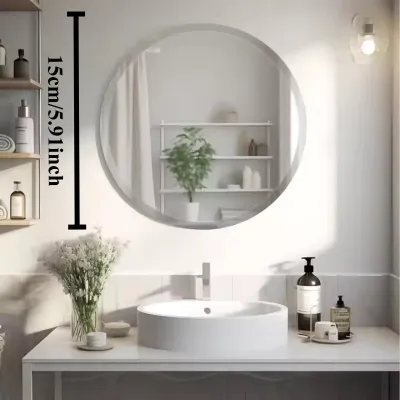
Yes, acrylic is naturally moisture-resistant, but you must take precautions regarding the mounting method. High humidity and steam can cause standard double-sided adhesive tapes to lose their grip, which may result in the mirror falling. If you plan to use an acrylic mirror in a bathroom, ensure the manufacturer specifies that the backing and adhesive are rated for damp environments. Additionally, maintain proper ventilation by using an exhaust fan or keeping the door open after hot showers to prevent moisture buildup.

Community discussion
Share your experience or ask a question. Comments are reviewed before publication.