
Choosing the right aesthetic lamp shade is one of the most effective ways to elevate the interior design of your home. A well-chosen shade does more than simply cover a bare light bulb; it acts as a sculptural element during the day and a master controller of light quality at night. In the Philippines, where homes range from breezy coastal dwellings to compact urban condominiums, lighting plays a crucial role in defining the mood of a space. By selecting a shade that harmonizes with your existing decor and meets your specific functional needs, you can transform a sterile room into a warm, inviting sanctuary.
To find the perfect match, you must consider both form and function. The aesthetic appeal of a lamp shade lies in its material, shape, and color, all of which dictate how it interacts with the surrounding room. However, visual appeal must always be balanced with practical considerations, such as how the material handles tropical humidity, whether the shade fits your existing lamp base, and how effectively it diffuses light for daily activities. This guide provides a comprehensive framework to help you navigate these choices, ensuring your lighting is both beautiful and safe.
Defining Your Aesthetic: Popular Lamp Shade Styles
The design language of your lamp shade should complement the overall aesthetic of your room. Different styles utilize distinct materials and shapes to create unique visual effects, allowing you to either blend the fixture seamlessly into the background or make it a standout focal point.
Products mentioned in this guide
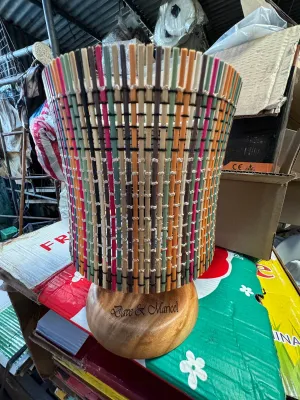
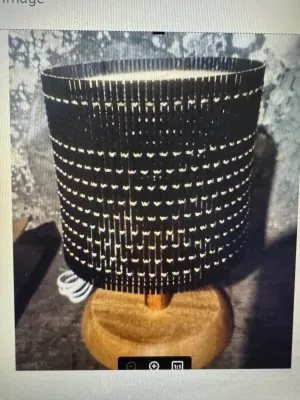
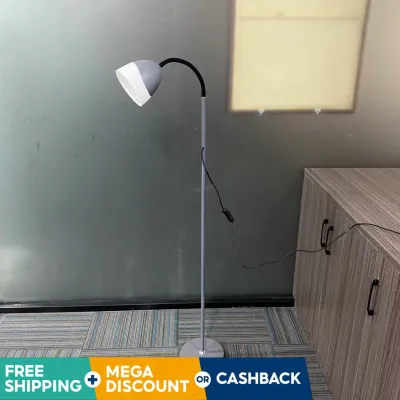
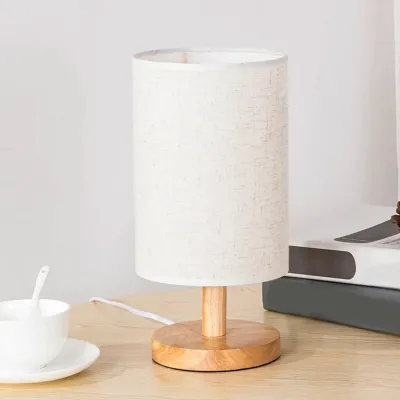
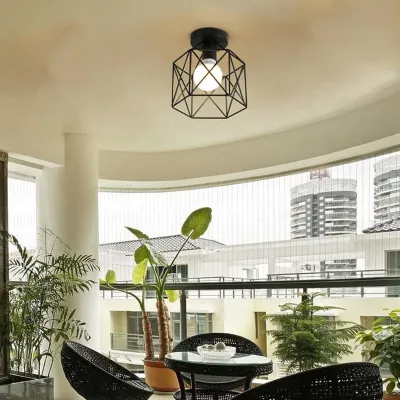
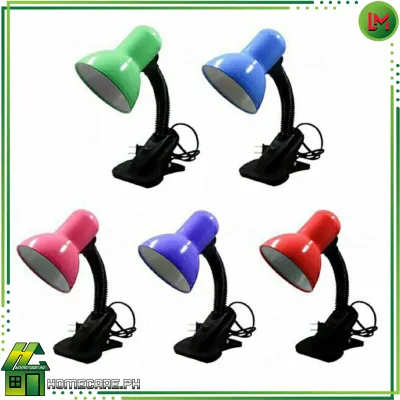

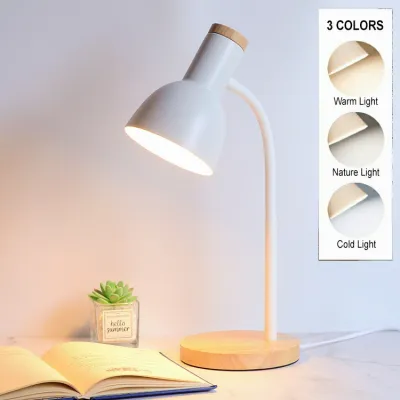
Prices are valid at publication and may change. Please refer to the product page for the latest price.
Minimalist and Scandinavian designs prioritize simplicity, clean lines, and functional elegance. Shades in this category often feature neutral fabrics like plain white or off-white linen, cotton, or lightweight paper. These materials are highly effective at diffusing light evenly in all directions, eliminating harsh shadows and creating a soft, bright ambiance. This style is particularly suited for modern, clutter-free spaces where the goal is to maximize the perception of openness and cleanliness.
Bohemian and Coastal styles are highly popular in Philippine homes due to their warm, organic feel. These shades are crafted from natural, locally sourced materials such as rattan, woven bamboo, abaca, and textured macrame. Rather than diffusing light uniformly, these woven patterns allow light to escape through small gaps, casting intricate, dramatic shadows across the walls and ceiling. This play of light and shadow adds depth and texture to a room, making it feel like a tropical resort or a cozy, nature-inspired retreat.
Mid-Century Modern shades offer a more structured, retro aesthetic. They frequently feature bold geometric shapes—such as cones, globes, or cylinders—and incorporate materials like colored glass, frosted glass, or metallic accents in brass and matte black. These shades are designed to direct light more precisely, often casting focused downlight or a warm, colored glow. They serve as excellent architectural statement pieces that add a touch of vintage sophistication to any contemporary space.
Transitional and Classic styles provide timeless elegance that easily adapts to changing decor trends. Traditional drum, empire, or pleated fabric shades fall into this category. Made from high-quality linen, silk, or cotton blends, these shades offer a balanced distribution of light, directing a portion upward to illuminate the ceiling and a portion downward for task lighting, while softly diffusing light through the sides. They bridge the gap between traditional wooden furniture and modern layouts, offering a versatile solution for any home.
Room-by-Room Curation: Bedroom vs. Living Room Needs
Lighting needs shift dramatically between private resting spaces and social gathering areas. While bedrooms demand soft, glare-free illumination to support rest, living rooms require a versatile mix of ambient, task, and accent lighting to accommodate various activities.

Bedroom Lamp Shades
In the bedroom, the primary objective is to foster a sense of calm and relaxation. The lighting should support winding down at the end of a long day, reading in bed, and waking up gently in the morning. To achieve this, look for opaque or heavily lined fabric shades. These materials block the lateral escape of light, preventing direct bulb glare from shining into your eyes while you are lying down. Instead, they channel the light upward and downward, creating a soft, indirect glow that is gentle on the eyes.
Proportions are also critical when selecting a bedside lamp shade. A shade that is too wide can easily be bumped when you reach for your phone, a book, or a glass of water on your nightstand. Conversely, a shade that is too small will look visually swallowed by the bed and headboard. As a general guideline, the width of the lamp shade should not exceed the width of your bedside table, and it should be roughly proportional to the height of the lamp base to maintain visual balance.
The interaction between your lamp shade and the bulb’s color temperature is key to creating a cozy atmosphere. Warm-toned bulbs, typically ranging from 2700K to 3000K, emit a golden glow that mimics the sunset. When this light filters through a beige, cream, or natural woven shade, the warm undertones are amplified, signaling to your brain that it is time to rest. Avoid pairing cool white or daylight bulbs with bedroom shades, as the blue-toned light can disrupt your sleep cycle and clash with warm fabric textures.
Living Room Lamp Shades
The living room is a multi-functional space used for hosting guests, watching television, reading, and relaxing. Consequently, the lighting must be versatile enough to adapt to these different scenarios. Here, lamp shades can serve as significant design anchors. An oversized drum shade on a floor lamp or a highly textured rattan shade on a side table can draw the eye upward, helping to define distinct zones within an open-plan living area and adding visual interest to empty corners.
For general ambient lighting, translucent shades are highly effective. Materials like thin linen, parchment, or semi-sheer fabrics allow a soft wash of light to escape laterally, gently illuminating the entire room and reducing dark, uninviting corners. This lateral light diffusion makes the living room feel larger, warmer, and more cohesive, providing a comfortable backdrop for social gatherings.
However, scale and height must be carefully managed to ensure the space remains functional and comfortable. When you are seated on your sofa or armchair, the bottom of the lamp shade should ideally align with your eye level. If the shade sits too high, the exposed bulb will create an uncomfortable glare for anyone sitting nearby. If it sits too low, it can block sightlines across the room, making conversation difficult. Always measure the height of your side tables and lamp bases together to ensure the shade sits at the correct level relative to your seating.
Essential Buying Checklist for Lamp Shades
Before purchasing an aesthetic lamp shade, it is vital to perform a physical and electrical compatibility check. A shade that does not fit properly or is made of materials incompatible with your bulb can create safety hazards or look awkward.
First, identify the fitter type of your lamp base. The fitter is the metal inner frame that connects the shade to the lamp. The three most common types are spider, uno, and clip-on fitters. Spider fitters are the most common; they sit on top of a metal support wire called a harp and are secured in place with a decorative screw-on finial. Uno fitters are designed to thread directly onto the socket of the lamp, which is common for downward-pointing desk lamps or floor lamps. Clip-on fitters attach directly to the glass of a standard light bulb and are typically reserved for small, lightweight accent shades. Purchasing a shade with the wrong fitter type will make installation impossible without additional adapters.
Second, verify bulb clearance and wattage limits to prevent heat damage. Delicate materials such as paper, silk, tightly woven cotton, or natural fibers like abaca and rattan are highly sensitive to heat. If a bulb is positioned too close to these materials, it can cause scorching, discoloration, or even pose a fire hazard. Ensure there is at least two to three inches of clearance between the bulb and the inner surface of the shade. Additionally, always check that the wattage of your bulb does not exceed the maximum wattage rating specified on both the lamp base and the shade itself. Using energy-efficient LED bulbs is highly recommended, as they produce significantly less heat than traditional incandescent bulbs while providing the same level of brightness.
Third, measure the harp sizing if your lamp uses a spider fitter. The height of the harp determines exactly where the shade will sit on the lamp base. If the harp is too tall, the bottom of the shade will sit too high, exposing the unsightly socket and the neck of the bulb. If the harp is too short, the shade will sit too low, making the lamp look bottom-heavy and potentially crowding the switch. If you are buying a replacement shade, measure your existing harp height or purchase an adjustable harp to ensure a perfect fit.
Finally, consider the material care and maintenance requirements. Textured, pleated, or woven materials naturally collect dust more quickly than smooth surfaces. In tropical environments where dust and humidity can combine to form a stubborn layer of grime, maintaining these shades requires regular attention. If you prefer low-maintenance decor, smooth glass, metal, or simple linen shades are easier to wipe clean than intricate macrame, pleated cotton, or delicate paper designs.
Sourcing Aesthetic Lamp Shades in the Philippines
Finding the perfect aesthetic lamp shade involves exploring a variety of local and digital sourcing options, each offering distinct advantages depending on your budget and design preferences.
Visiting local home decor boutiques and furniture showrooms in major cities is highly recommended for tactile material inspection. Seeing a lamp shade in person allows you to evaluate the true color of the fabric, feel the texture of natural weaves, and observe how the material diffuses light under realistic showroom conditions. This hands-on experience eliminates the guesswork associated with online shopping and helps you ensure the shade matches your existing furniture.
For guaranteed electrical safety and reliable product support, prioritize official brand stores and specialized lighting retailers. These establishments offer fixtures and shades that comply with local electrical safety standards. Purchasing from reputable sources ensures that the materials used are flame-retardant and that any integrated electrical components are safe for long-term home use, often backed by a manufacturer’s warranty.
When shopping on e-commerce platforms or online marketplaces, extra caution is necessary to avoid common purchasing mistakes. Always read the detailed product description and dimension specifications carefully, as online photos can often make items appear larger or smaller than they are in reality. Check customer reviews specifically for feedback on packaging quality, as delicate shades can easily be crushed or warped during transit. Finally, verify the seller’s return and exchange policies so you can easily return the shade if it arrives damaged or does not fit your lamp base.
Frequently Asked Questions (FAQ)
Can I use a woven rattan lamp shade outdoors or in humid areas? (FAQ)
Natural materials like rattan, bamboo, and abaca are highly sensitive to moisture and humidity. In the tropical climate of the Philippines, placing untreated natural shades in outdoor, semi-outdoor, or high-humidity indoor areas like bathrooms can lead to mold growth, warping, and rapid structural decay. Before placing any woven shade in a damp environment, check the manufacturer’s specifications and Ingress Protection (IP) ratings to ensure it is rated for outdoor or damp-location use. If you wish to use a natural woven shade on a covered patio or balcony, ensure the material has been treated with a weather-resistant, anti-fungal sealant, and bring it indoors during periods of heavy rain or extreme humidity.
How do I safely clean a pleated or fabric lamp shade? (FAQ)
Pleated and fabric lamp shades require gentle, dry cleaning methods to preserve their shape, color, and structural integrity. Regularly remove surface dust by gently sweeping the shade with a soft-bristled brush, a clean makeup brush, or a dry microfiber cloth to prevent dust from settling into the fibers. Avoid using liquid cleaners, water, or harsh chemical sprays, as moisture can dissolve the adhesives holding the shade together, cause fabric colors to bleed, or flatten the crisp folds of a pleated design. For stubborn spots or accumulated dust, you can use a dry-cleaning sponge designed specifically for delicate fabrics, gently wiping the surface without applying heavy pressure.

Community discussion
Share your experience or ask a question. Comments are reviewed before publication.