
Quick Answer: Arc vs. Tripod Floor Lamps for Living Rooms
Selecting the right floor lamp for a living room involves balancing form, function, and spatial dynamics. When comparing an arc floor lamp and a tripod floor lamp, there is no single superior option. Instead, the ideal choice depends on your ceiling height, furniture arrangement, and specific lighting requirements.
Arc floor lamps are designed to provide focused, overhead illumination, making them excellent for seating areas, reading nooks, or dining tables where ceiling fixtures are impractical. On the other hand, tripod floor lamps feature a sturdy, three-legged base that diffuses soft, ambient light outward, making them perfect for illuminating dark corners or adding a warm glow to the entire room. Understanding how these two distinct designs interact with your living space will help you make an informed decision that enhances both your home’s functionality and its aesthetic appeal.
Key Differences in Design and Light Distribution
The fundamental differences between arc and tripod floor lamps stem from their physical structures, which directly dictate how they cast light across a room. Choosing the right design requires looking beyond aesthetics to understand how light behaves when emitted from these distinct fixtures.
Products mentioned in this guide
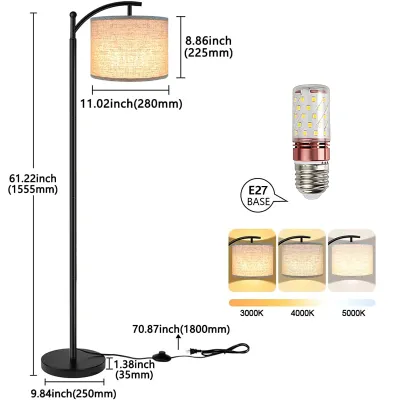
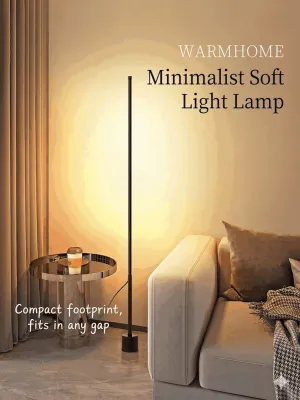
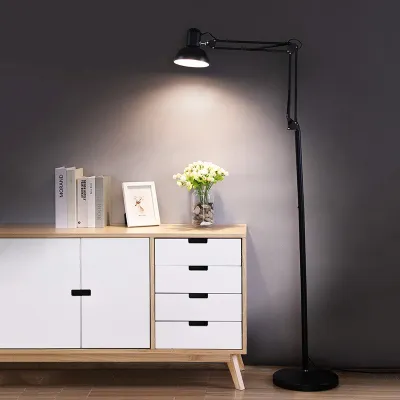
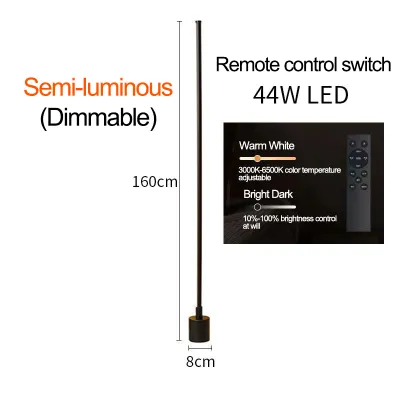
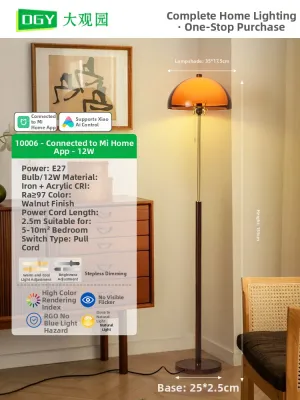
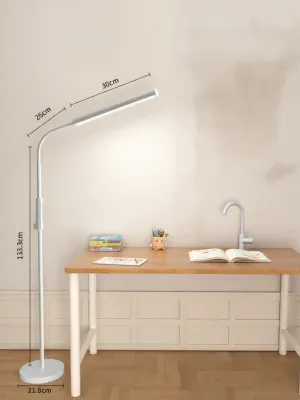
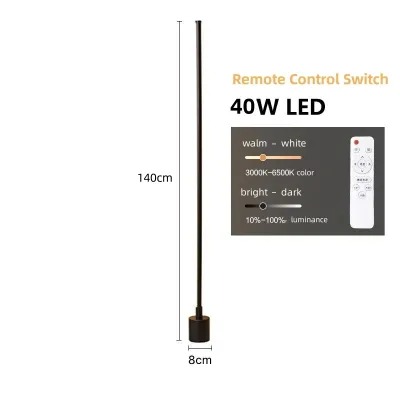
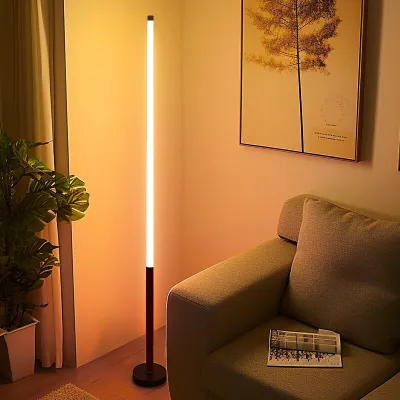
Prices are valid at publication and may change. Please refer to the product page for the latest price.

Arc Floor Lamps: Overhead Reach and Focused Light
Arc floor lamps feature a long, curved neck that extends horizontally from a heavy, compact base. This cantilevered design allows the light source to hang directly over an area while the base remains positioned several feet away. The shade is typically dome-shaped, directing light downward in a concentrated pool. This makes it a functional replacement for a pendant light or chandelier, especially in rental properties in the Philippines where drilling into concrete ceilings is often prohibited or restricted by condominium association rules.
The heavy base, often made of marble, granite, or solid steel, is essential to counteract the weight of the extended arm, ensuring the lamp remains upright. Because the light is directed downward, it creates a focused zone of illumination, making it ideal for reading, writing, or highlighting a specific coffee table or sofa section without relying on overhead ceiling fixtures. The light pool is generally more concentrated, creating a cozy, intimate atmosphere directly beneath the shade while leaving the surrounding areas in softer shadow.
Tripod Floor Lamps: Broad Base and Ambient Glow
Tripod floor lamps utilize a three-legged structure where the legs are constructed from wood or metal, tapering upward to meet at a central collar where the bulb socket and shade are mounted. The shade is typically a classic drum, cylinder, or empire shape made of fabric, paper, or woven natural fibers like rattan or abaca. Because the shade is open at the top and bottom and semi-translucent on the sides, it diffuses light in multiple directions.
It casts a soft, indirect glow upward onto the ceiling and outward into the room, creating an even, ambient atmosphere. This makes it less suited for precise task work but highly effective for general, relaxing illumination during evening hours. The light distribution of a tripod lamp is usually more even across a wider area compared to the concentrated pool of an arc lamp, helping to soften harsh shadows and make a living space feel more inviting and spacious.
Space and Layout Considerations
The spatial footprint of a floor lamp is a critical factor, especially when designing layouts for compact urban living rooms or open-concept spaces. Both styles interact with your floor area and vertical space in entirely different ways, requiring careful measurement before making a purchase.
Tripod lamps require a significant amount of floor space because their legs must splay outward to maintain stability. This splay can range from 50 to 80 centimeters in diameter, meaning they cannot be pushed flush against a wall or tucked tightly between furniture pieces. They demand dedicated floor area, making them ideal for spacious living rooms or empty corners that need visual grounding. Trying to force a tripod lamp into a tight spot can make the room feel cluttered and restrict movement.
In contrast, an arc lamp has a compact but heavy base. This flat base can easily slide underneath a sofa, sectional, or low-profile side table, allowing the light fixture to occupy minimal usable floor space. However, the sweeping arm of an arc lamp requires substantial vertical and horizontal clearance. In homes with standard or lower ceilings—which are common in many Philippine townhouses and condominiums—a low-hanging arc lamp can create a cramped atmosphere, obstruct sightlines across the room, or even pose a head-bump hazard for taller family members and guests.
Before purchasing, it is crucial to measure the height from the floor to the lowest point of the arch, as well as the horizontal projection distance, to ensure the lamp does not interfere with daily movement or block the view of a wall-mounted television.
Practical Placement Scenarios:
- The Corner Anchor: Place a tripod lamp in an empty corner beside an accent chair to create a cozy reading nook with soft, diffused light.
- The Sofa Overhang: Slide the flat base of an arc lamp behind or beside a sectional sofa, allowing the dome shade to hang directly over the center of the seating area.
- The Dining Alternative: Position an arc lamp next to a small dining table to provide overhead light without the need for ceiling wiring.
Stability, Safety, and Household Factors
Safety is paramount when introducing any free-standing electrical fixture into a busy household. The physical stability of arc and tripod lamps varies significantly based on their center of gravity and footprint.
Tripod floor lamps are inherently stable because of their three-point stance, which distributes weight evenly. However, the splayed legs present a clear tripping hazard, particularly in high-traffic zones or narrow walkways. If a child, pet, or guest accidentally catches their foot on one of the legs, the entire structure can easily tip over, potentially causing injury or damaging the lamp.
Arc floor lamps, while having a heavy base, are top-heavy by design due to the long, cantilevered arm. This means they require a perfectly level, solid floor to remain stable. On uneven tile grout lines, warped wooden floorboards, or thick rugs, an arc lamp can lean slightly, magnifying the tipping risk.
Additionally, living rooms in the Philippines often utilize stand fans or high-speed ceiling fans to maintain air circulation in warm, humid weather. A strong breeze from a fan can cause lightweight fabric shades or long, flexible arc arms to sway continuously, which can be visually distracting and put extra stress on the lamp’s joints.
When placing either lamp style, ensure cords are neatly routed along baseboards or secured with cord covers to prevent accidents, and verify that the lamp’s build quality and weight distribution match the activity level of your household, especially if you have active pets or young children.
Aesthetic and Interior Style Compatibility
Beyond functionality, a floor lamp serves as a major visual element in your living room’s design scheme. Matching the lamp’s style to your existing decor ensures a cohesive and harmonious look.
Arc floor lamps are synonymous with mid-century modern design, contemporary minimalism, and sleek urban aesthetics. Their clean, sweeping lines add a sense of movement and drama to a room, breaking up the rigid, rectangular shapes of standard sofas and cabinets. An arc lamp acts as a bold architectural statement piece, drawing the eye upward and creating a focal point in minimalist spaces where decorative items are kept to a minimum.
Tripod floor lamps, conversely, offer a more grounded, structural, and tactile appeal. Depending on the materials used, they can complement a wide variety of interior styles. Wooden tripods with neutral fabric shades are a staple of Scandinavian design and the popular “Team Kahoy” aesthetic in the Philippines, which emphasizes warm, natural wood tones and cozy, bright spaces. Metal tripods with matte black finishes or spotlight-style heads fit seamlessly into industrial, rustic, or eclectic living rooms.
The visual weight of a tripod lamp is concentrated in its lower half, making it excellent for anchoring a corner or balancing a heavy piece of furniture like a large sectional or a wooden entertainment center. When choosing between the two, consider the existing lines in your living room: if your space feels overly boxy, the curves of an arc lamp can soften the environment; if your space lacks structure, the geometric lines of a tripod lamp can provide the necessary definition.
Feature Checklist: What to Verify Before You Buy
To ensure safety, longevity, and optimal performance, several technical aspects must be verified before purchasing any floor lamp. Checking these specifications helps prevent electrical issues and ensures compatibility with your home’s infrastructure.
- Voltage Compatibility: Must verify compatibility with the standard 220V, 60Hz electrical supply in the Philippines. Many imported lamps sold online are designed for 110V systems; using them without verifying compatibility or using a proper step-down transformer can damage the fixture or present a severe electrical hazard. Always inspect the product label to ensure it is rated for 220V.
- Bulb Base and Wattage Limits: Verify the socket type (such as the standard E27 screw base) and the maximum wattage limit specified by the manufacturer. Exceeding the wattage limit, especially with heat-generating incandescent or halogen bulbs, can melt sockets, damage shades, and pose a fire risk.
- Dimming and Smart Bulb Support: If you plan to use dimmable LED bulbs or integrate smart home bulbs, ensure the lamp's switch mechanism supports them, as some inline or foot-pedal switches may not function correctly with smart electronics.
- Safety Certifications: Look for official safety certifications on the packaging or product body, such as the Philippine Standard (PS) mark, the Import Commodity Clearance (ICC) sticker, or reputable international safety marks like UL, CE, or RoHS.
- Shade Material and Heat: Ensure the shade material is heat-resistant, particularly in the warm, humid climate of the Philippines where trapped heat can degrade materials faster over time.
- Professional Help Boundary: For any hardwired modifications, ceiling integration, or complex electrical adjustments, stop and consult a qualified electrician.
Final Verdict: How to Choose the Right Floor Lamp
To make your final decision, evaluate your living room against a clear set of conditions. Both styles offer distinct advantages, but the right choice aligns perfectly with your physical space and lifestyle.
Choose an arc lamp if:
- You require targeted, overhead task lighting over a central seating area or coffee table.
- You possess ceilings higher than 2.6 meters to accommodate the vertical sweep.
- You want to conserve floor space by sliding the flat base under your furniture.
- You prefer a dramatic, contemporary design statement that draws the eye upward.
Choose a tripod lamp if:
- You want to fill your living room with a warm, diffused ambient glow.
- You have standard or lower ceilings where a hanging fixture would feel obstructive.
- You have a spacious, low-traffic corner to safely accommodate the wide leg span.
- You prefer a structural, natural, or industrial aesthetic that complements your existing wooden or metal furniture.
Verify first if:
- Your selected location has a flat, level surface to prevent tipping.
- The spot offers safe and direct access to a 220V power outlet without running cords across major walkways.
- You have measured the physical clearance for the lamp's specific dimensions.
Taking the time to measure your space, check clearances, and review technical specifications will ensure your new floor lamp is both a safe and beautiful addition to your home.

Community discussion
Share your experience or ask a question. Comments are reviewed before publication.