
Resin figurines can serve as charming additions to outdoor gardens in the Philippines, but their long-term durability is not guaranteed without careful consideration. While high-quality resin is inherently water-resistant, the intense tropical climate—characterized by scorching solar heat, high relative humidity, and torrential monsoon rains—presents severe challenges to outdoor decor. Whether a figurine retains its vibrant colors and structural integrity over several seasons depends heavily on the manufacturing process, the presence of UV-resistant coatings, and strategic placement within your garden. By understanding how environmental factors interact with resin materials, you can make informed purchasing decisions, position your ornaments to minimize wear, and implement a practical maintenance routine to protect your investment.
How the Philippine Climate Affects Resin Decor
The tropical climate of the Philippines features distinct wet and dry seasons, both of which subject outdoor ornaments to continuous environmental stress. Understanding these specific stressors allows you to anticipate how resin surfaces degrade and take proactive measures to protect them.
Prolonged exposure to intense ultraviolet (UV) radiation and high temperatures is one of the primary catalysts for resin degradation. During the dry season, solar heat can cause the surface temperature of dark-colored resin figurines to rise significantly. Over time, UV rays break down the chemical bonds within the polymer chains of the resin, leading to a process known as photo-degradation. This manifests visually as fading paint, a chalky white residue on the surface, or a loss of structural flexibility that makes the material brittle and prone to cracking under minor impacts.
Products mentioned in this guide
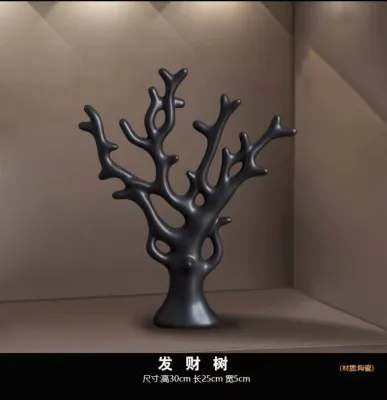
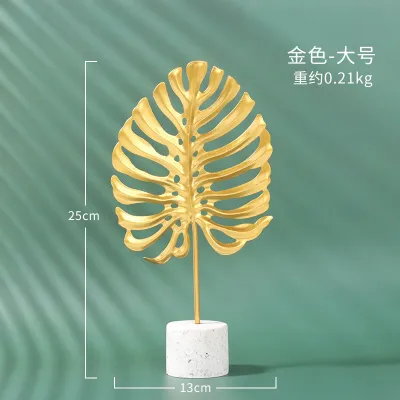
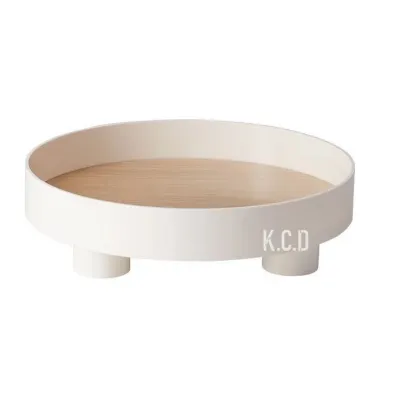
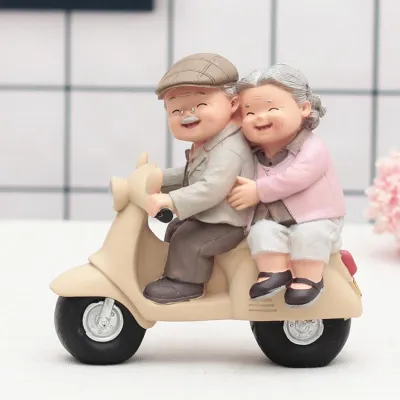

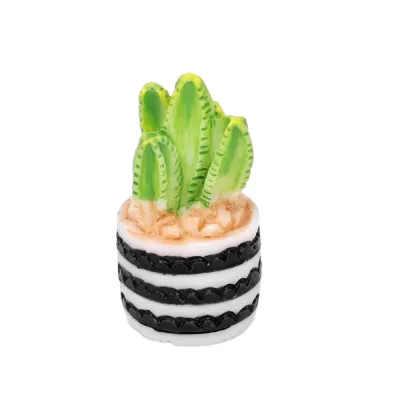
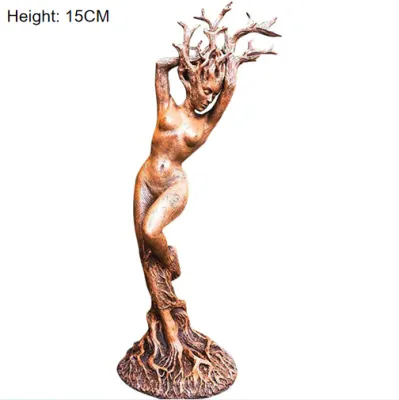
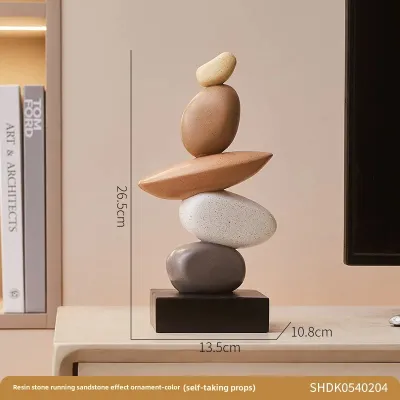
Prices are valid at publication and may change. Please refer to the product page for the latest price.
High humidity and heavy rainfall introduce a different set of challenges, primarily related to moisture retention. When rainwater pools in the intricate crevices of a detailed figurine, it creates a persistent damp environment. In the humid Philippine climate, these pockets of standing water quickly become breeding grounds for mold, mildew, and algae. If moisture penetrates beneath the outer paint layer or factory sealant, it can cause the finish to bubble, blister, and eventually peel away, exposing the raw resin underneath to further weathering.
Furthermore, the transition between intense daytime heat and sudden afternoon downpours causes rapid temperature fluctuations. As the material heats up in the sun, it expands slightly; when cooled rapidly by rain, it contracts. This constant cycle of expansion and contraction puts physical stress on the figurine. In lower-quality or poorly cured resin pieces, this thermal stress can lead to the formation of micro-cracks along structural joints or thin sections, compromising the overall integrity of the ornament.
Checklist: Is Your Resin Decor Outdoor-Ready?
Before placing any resin figurine in your garden, it is essential to evaluate its construction and finish to determine if it can withstand outdoor conditions. Not all resin decor is manufactured to the same standards, and some pieces are strictly intended for indoor use.

First, examine the manufacturer’s product description, packaging, or labels for explicit outdoor ratings. Look for terms such as “UV-resistant,” “weatherproof,” or “outdoor-safe.” If a product is labeled for indoor use only, it likely lacks the necessary UV stabilizers in the resin mix and the protective topcoat required to survive sun and rain exposure.
Next, inspect the physical design of the figurine, particularly the base. Turn the piece over to see if it has flat surfaces that might trap water underneath or if it features built-in drainage holes. A flat, solid base placed directly on damp soil can trap moisture, leading to mold growth and paint deterioration. If the figurine is hollow, check if there is a drainage plug or hole at the bottom to allow any condensation or seeped rainwater to escape.
The quality of the paint finish and factory sealant is another critical factor. Run your fingers over the surface to check for a smooth, uniform protective coating. A high-quality outdoor figurine typically features a clear, non-yellowing protective sealant over the paint. If the paint feels rough, chalky, or lacks a protective topcoat, the colors are highly susceptible to rapid fading and peeling when exposed to the elements.
Finally, consider the weight and construction type of the figurine. Hollow resin pieces are lightweight and easy to move, but they are highly vulnerable to being knocked over by strong winds or stray pets. Solid resin figurines, or those filled with heavy materials like stone dust, offer much better wind stability but require more effort to relocate during severe weather. Knowing the construction type helps you plan how to secure or position the piece safely.
Best Garden Spots to Prolong Resin Lifespan
Strategic placement is one of the most effective ways to extend the lifespan of your resin figurines without relying solely on chemical sealants. By choosing locations that offer natural protection from the harshest elements, you can significantly reduce wear and tear.
Positioning your decor in shaded or semi-shaded areas is highly beneficial. Placing figurines under tree canopies, large shrubs, covered patios, or pergolas shields them from direct midday sunlight, which is when UV radiation is most intense. This simple placement strategy can cut down UV exposure by more than half, preserving the vibrant colors of the paint and preventing the resin from becoming brittle.
To protect figurines from ground moisture, avoid placing them directly on bare soil, grass, or low-lying garden beds. Instead, elevate them using plant stands, decorative pedestals, flat stones, or gravel beds. Elevating the pieces keeps them away from damp earth and prevents the base from absorbing standing water after a heavy downpour. It also reduces the likelihood of soil and mud splashing onto the figurine, which can stain the finish and require frequent cleaning.
Additionally, observe your garden’s drainage patterns during heavy rains to identify areas prone to flooding or heavy water runoff. Avoid placing resin ornaments near roof gutters, downspouts, or low spots where water naturally pools. High-velocity runoff from roofs can physically damage delicate parts of a figurine, while standing water can quickly ruin the paint finish on the lower half of the ornament.
Maintenance Routine for Humid and Rainy Seasons
A regular maintenance routine is essential for keeping your resin garden decor looking its best and preventing premature degradation, especially during the wet season when mold and algae thrive.
Cleaning your resin figurines should always be done gently to avoid scratching the protective sealant or paint. Use a soft microfiber cloth, a soft-bristle brush (such as an old toothbrush for tight crevices), and a mixture of mild dish soap and lukewarm water. Gently scrub away dirt, bird droppings, and algae buildup. Avoid using harsh chemical cleaners, bleach, abrasive scrubbing pads, or high-pressure washers, as these can easily strip away the protective factory coating and damage the underlying paint.
After washing, or after a prolonged period of heavy rain, take the time to dry the figurines thoroughly. Pay close attention to deep crevices, folds, and hollow bases where water tends to collect. You can use a dry towel or let the pieces dry completely in a well-ventilated, shaded area before placing them back in the garden. Preventing water from sitting in these tight spots is key to stopping mold and mildew from taking root.
Periodically inspect the figurines for visual signs of sealant failure. If you notice that water no longer beads on the surface, or if the finish looks dull, chalky, or slightly rough, the factory sealant may be wearing off. Before applying any aftermarket clear sealants, always consult the manufacturer’s instructions or customer service to ensure compatibility. Using an incompatible spray can cause the paint to bubble or dissolve.
If you discover structural damage, such as deep cracks that compromise the stability of the figurine, or extensive paint peeling that exposes large areas of raw resin, it is best to stop DIY cleaning. In such cases, consult the manufacturer or a professional restoration specialist to determine if the piece can be safely repaired or if it needs to be retired from outdoor use.
Securing Figurines During Typhoons and Heavy Rains
The Philippines experiences frequent typhoons and severe tropical storms that bring extreme winds and torrential rains. During these weather events, outdoor resin figurines must be secured to prevent damage or loss.
Establish clear weather triggers for moving your garden decor. When a tropical cyclone warning is active or when heavy, sustained rains are forecast, proactively move your resin figurines indoors, into a secure garden shed, or into a covered garage. Do not wait for the storm to arrive, as high winds can easily turn lightweight figurines into dangerous projectiles or knock heavy statues off their pedestals, causing them to shatter.
When handling and transporting the figurines, lift them from the main body or base rather than delicate appendages like arms, wings, or thin decorative details, which are highly susceptible to snapping. If you must store multiple figurines together in a storage bin, wrap each piece individually in bubble wrap, old towels, or soft cloths to prevent them from knocking against each other and chipping during transit.
Once the storm has passed and weather conditions stabilize, perform a thorough post-storm inspection before returning the figurines to their garden spots. Check for hidden water accumulation inside hollow pieces, structural cracks caused by wind-blown debris, or shifting of the pedestals and bases. Ensure that the ground where they will be placed has drained properly and is stable enough to support the weight of the decor without sinking or tilting.
Frequently Asked Questions (FAQ)
Can I leave painted resin figurines outside all year round?
Whether you can leave painted resin figurines outside year-round depends entirely on their manufacturing specifications and the level of protection they receive. Fully weather-sealed, outdoor-rated pieces can handle continuous exposure if placed in shaded, well-drained areas, but standard decorative figurines are not designed for year-round outdoor use. Always check the manufacturer’s guidelines for continuous exposure limits, and consider bringing valued pieces indoors during the peak of the rainy season to preserve their finish.
How do I fix faded or peeling paint on outdoor resin decor?
Before attempting any paint repairs or touch-ups, check if your figurine is still covered under a manufacturer’s warranty, as DIY modifications can void it. If you decide to proceed with repairs, consult the manufacturer for approved touch-up paints and outdoor-safe clear sealants that are chemically compatible with the original resin material. Avoid using generic hardware store spray paints or harsh solvent-based sealants without verifying compatibility, as they can react negatively with the resin and cause further peeling.
Are heavy resin statues safe to place on elevated garden walls?
Placing heavy resin statues on elevated garden walls or pedestals requires careful structural evaluation. Always verify the weight capacity of the wall, shelf, or pedestal to ensure it can safely support the statue over time. To prevent the statue from being knocked over by strong winds, earthquakes, or accidental bumps, secure it using appropriate mounting hardware or heavy-duty outdoor adhesives, and consult a professional installer if structural mounting or anchoring is required.

Community discussion
Share your experience or ask a question. Comments are reviewed before publication.