
When decorating a high-rise home for the holidays, many condo dwellers assume that indoor decorations are entirely safe from the elements. However, in a tropical climate like that of the Philippines, the distinction between indoor and outdoor environments is often blurred by intense humidity, frequent monsoon rains, and dramatic temperature shifts. If you are planning your holiday decor, deciding whether to invest in christmas lights led waterproof options depends on where and how you intend to hang them.
While standard, non-waterproof lights are perfectly acceptable for dry, climate-controlled rooms, they can quickly become safety hazards or fail prematurely when exposed to the microclimates commonly found inside modern condominiums. High relative humidity, localized condensation, and moisture from daily household activities mean that certain indoor zones require the same level of protection as an outdoor patio. Understanding these environmental factors will help you make an informed choice, ensuring your holiday display remains both beautiful and safe throughout the festive season.
How to Read IP Ratings on Christmas Light Packaging
To make a smart purchase, you must look beyond generic marketing terms like “weatherproof” or “water-resistant” on e-commerce listings. The only reliable way to verify a product’s moisture resistance is by checking its Ingress Protection (IP) rating, which is typically printed on the packaging or the manufacturer’s specification sheet. This standardized rating system consists of the letters “IP” followed by two digits. The first digit (ranging from 0 to 6) indicates protection against solid objects like dust, while the second digit (ranging from 0 to 9) measures protection against liquids.
Products mentioned in this guide
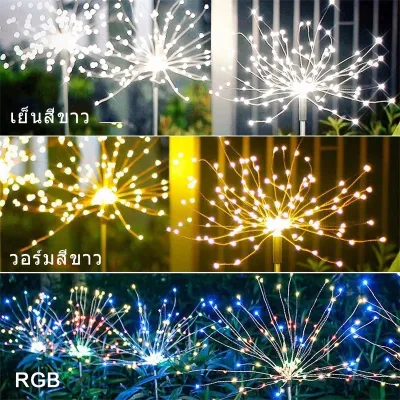
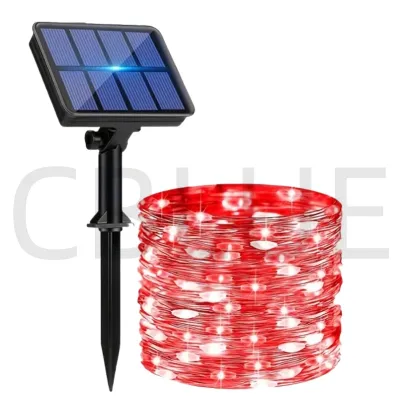
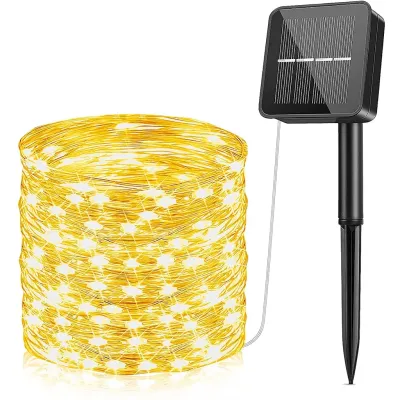
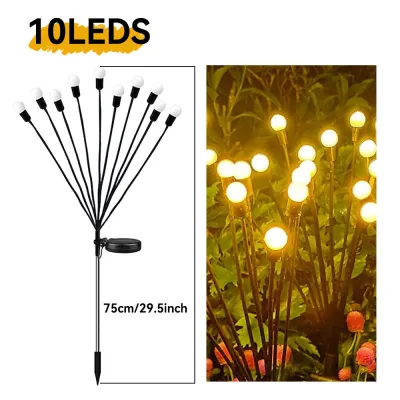
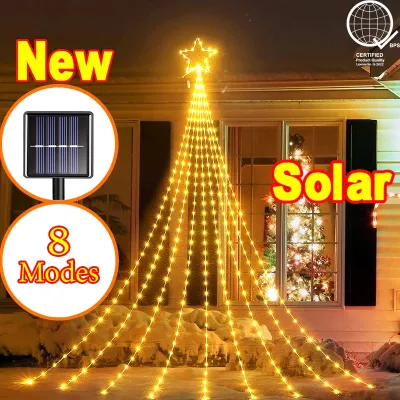
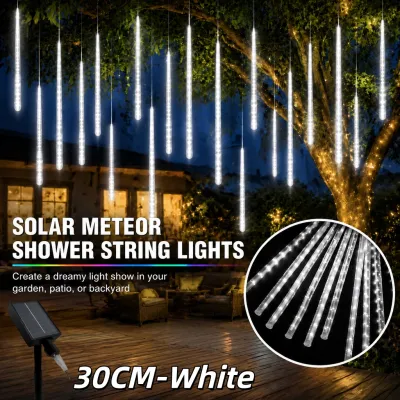
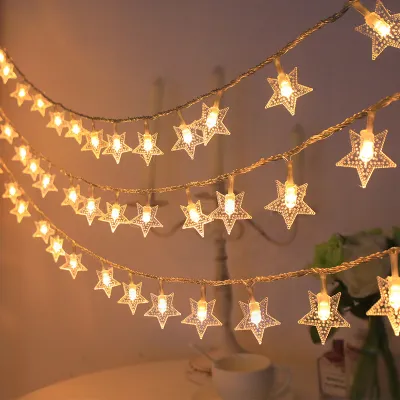
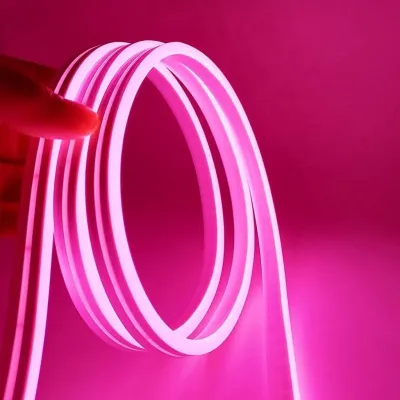
Prices are valid at publication and may change. Please refer to the product page for the latest price.
When shopping for holiday lighting in the Philippines, you should also verify key electrical specifications. Always check that the voltage matches the standard local grid of 220V and look for official safety certifications, such as the Philippine Standard (PS) mark or the Import Commodity Clearance (ICC) sticker. Ensuring these certifications are present is a critical first step before evaluating the specific IP ratings detailed below.
IP20 (Standard Indoor)
An IP20 rating represents the baseline standard for basic indoor lighting. The digit “2” means the product is protected against solid objects larger than 12.5 millimeters, such as fingers, while the “0” indicates absolutely zero protection against water or moisture.
These lights are highly vulnerable to humidity and direct liquid contact. In a humid tropical climate, using IP20-rated string lights in areas prone to dampness can lead to rapid corrosion of the internal copper wiring, short circuits, or even electrical fires. They should only be deployed in fully dry, well-ventilated, and climate-controlled rooms where moisture levels remain consistently low.
IP44 and IP65 (Water-Resistant to Waterproof)
For areas exposed to moisture, you will want to look for upgraded ratings like IP44 or IP65. An IP44 rating means the light string is protected against solid objects larger than 1 millimeter and can withstand water splashes from any direction, as well as heavy condensation. IP65, on the other hand, provides complete dust tightness and protection against low-pressure water jets.
For most indoor condo applications in humid environments, IP44 is generally the ideal choice. It offers robust protection against high humidity, damp air, and accidental splashes without the added bulk, stiffness, and higher cost of heavy-duty IP65 outdoor cables. IP44 lights remain flexible enough to drape elegantly around indoor fixtures while providing peace of mind against tropical moisture.
Condo Zones Where Christmas Lights LED Waterproof Models are Highly Recommended
Not all rooms in a condominium share the same atmospheric conditions. To balance safety and your decorating budget, it is helpful to identify the high-risk zones where upgrading to waterproof or water-resistant lighting is highly recommended.

Balconies, Lanais, and Window Edges
Condominium units in metropolitan areas like Manila or Cebu often feature sliding glass doors that lead to balconies or lanais. During the southwest monsoon (habagat) season, heavy, driving rains can easily bypass screen doors and spray water onto nearby indoor surfaces. Even when the doors are shut, running your air conditioning unit creates a sharp temperature differential between the cool indoor air and the hot, humid outdoor atmosphere.
This temperature difference leads to heavy condensation forming on the interior side of glass window panes and metal frames. If you drape non-waterproof string lights directly against these glass surfaces or along window sills, the standing water and dripping condensation can seep into the LED bulb sockets or control boxes. Using IP44 or higher rated lights in these transitional zones prevents moisture-induced short circuits and extends the lifespan of your decorations.
Kitchens, Bathrooms, and Indoor Plants
Modern condo layouts often feature open-plan living spaces where the kitchen is situated close to the main living area. Cooking activities—such as boiling rice, simmering soups, or washing dishes—release substantial amounts of steam and moisture into the air. Similarly, bathrooms without exterior-facing windows rely heavily on exhaust fans that may not fully clear out the humid air left behind by hot showers.
Furthermore, many condo residents cultivate indoor plant collections, including tropical ferns, orchids, or terrariums that require regular misting. Placing standard IP20 lights near kitchen backsplashes, bathroom mirrors, or directly among misted houseplants exposes the electrical components to localized high-humidity zones. Over time, this moisture causes the copper wiring to degrade and increases the risk of electrical shock. Waterproof lights are essential in these specific microclimates to ensure safe operation.
Pet-Friendly and High-Traffic Areas
Active households with pets or young children present unique challenges for delicate holiday decorations. Low-hanging string lights in living rooms or hallways are susceptible to accidental spills, wet paws, or pet accidents. Additionally, decorations in high-traffic areas accumulate dust and grime quickly, requiring regular maintenance to keep them looking bright.
Waterproof LED string lights typically feature a thick, protective plastic or epoxy coating over the copper wires and LED diodes. This physical barrier not only prevents moisture from penetrating the electrical pathway but also makes the light strings much more durable. If they are exposed to a spill or require cleaning, their robust design allows you to maintain them easily without worrying about damaging the delicate circuitry.
Where Standard Indoor Lights Are Safe and Sufficient
While protecting high-risk zones is crucial, you do not need to spend extra money on waterproofing for every corner of your home. Standard IP20 fairy lights are perfectly safe and sufficient for several dry, stable indoor environments.
Safe zones include bedroom headboards, living room display shelves, and artificial Christmas trees positioned in the center of a well-ventilated, climate-controlled room. In these areas, the risk of direct water contact or heavy condensation is minimal. Using standard indoor lights here allows you to enjoy a warm, cozy ambient glow while keeping your holiday decorating costs manageable.
However, before hanging standard lights in any indoor space, you must inspect the area for hidden moisture traps. Condominium walls can sometimes harbor concealed dampness due to air conditioning condensation drip lines running behind drywalls, cold drafts that cause localized wall sweating, or minor roof and window frame leaks. Always run your hand along the wall or ceiling where you plan to mount the lights; if the surface feels damp, shows signs of bubbling paint, or has visible mold growth, do not install IP20 lights there. Rectify the moisture issue or upgrade to a water-resistant light model to ensure safety.
Safety and Storage Tips for Humid Environments
Operating electrical decorations in a tropical climate requires a proactive approach to safety and maintenance. Implementing a few simple checks and storage habits will protect your home and ensure your lights last for many holiday seasons to come.
Before installing any light string—whether new or retrieved from storage—perform a thorough physical inspection. Unroll the cables and check for brittle insulation, cracked plastic housings, or exposed copper wires. Examine the metal prongs of the plug and the interior of the sockets for green copper corrosion or rust, which is highly common in humid coastal regions. If you notice any damage or corrosion, discard the light string immediately rather than attempting a temporary fix.
When setting up your display, always respect electrical safety boundaries. Never connect more light strings together in a series (daisy-chaining) than the manufacturer’s instructions explicitly recommend, as overloading the circuit can cause the wires to overheat and melt. Always plug your lights into a certified surge protector rather than directly into wall outlets. The Philippines frequently experiences sudden thunderstorms and voltage fluctuations, and a quality surge protector will safeguard your LED drivers from being destroyed by electrical spikes.
When the holiday season ends, proper post-holiday storage is vital to combat the damaging effects of tropical humidity. Before packing your lights away, unplug them and wipe down the entire length of the string with a dry cloth to remove any accumulated dust or moisture. Coil the wires loosely to avoid putting stress on the internal solder points. Store the lights in airtight plastic containers rather than cardboard boxes, which easily absorb atmospheric moisture. To provide extra protection against copper corrosion and mold growth in dark condo closets, place several packets of silica gel desiccants inside the storage bin.
Finally, always unplug your lights from the wall outlet before cleaning, adjusting, or moving them. If you ever notice your lights flickering excessively, emitting a buzzing sound, or if the power adapter feels unusually hot to the touch, immediately isolate the power by unplugging them and consult a qualified professional or electrician to diagnose the issue.
Frequently Asked Questions (FAQ)
Can I use outdoor waterproof Christmas lights indoors?
Yes, it is entirely safe to use outdoor-rated waterproof lights inside your condo. However, they may come with some practical trade-offs. Outdoor lights often feature thicker, heavier, and less flexible green or black rubber cables that are harder to conceal against light-colored indoor walls or delicate furniture. Additionally, their power adapters and control boxes tend to be bulkier, and the light output may feature a cooler, brighter color temperature that is less suited for creating a warm, cozy indoor atmosphere.
Do waterproof LED lights consume more electricity?
No, the waterproof rating of an LED light string does not affect its electricity consumption. The IP rating refers strictly to the physical construction and sealing of the outer protective casing, which prevents dust and water from reaching the electrical components. The power consumption of the lights is determined solely by the wattage of the LED chips themselves and the efficiency of the power adapter. Choosing an energy-efficient LED model is what keeps your electricity bill low, regardless of whether the lights are waterproof.
How do I clean dusty fairy lights in a humid condo?
To clean your lights safely, always unplug them from the power source first. For standard IP20 lights, use a dry, clean microfiber cloth to gently wipe away dust from the bulbs and wires; never use wet wipes, damp cloths, or liquid sprays on non-waterproof lights. For IP44 or water-resistant models, you may use a very slightly damp microfiber cloth to wipe down the plastic-encased wires, but you must avoid getting any moisture near the plug, the control box, or the power adapter. Allow the entire string to air-dry completely before plugging it back in.

Community discussion
Share your experience or ask a question. Comments are reviewed before publication.