
Transforming your home with battery fairy lights requires matching the physical characteristics of the light strand to the specific emotional and functional needs of your space. While a bedroom demands a soft, low-glare glow that encourages rest, a living room benefits from versatile, slightly brighter accent lighting that highlights decor and adapts to social gatherings. By understanding how color temperature, wire materials, and battery configurations interact with your room’s layout, you can easily curate the perfect tropical condo ambiance.
Understanding the Ambiance Needs of Each Room
Every room in your home serves a distinct purpose, and your lighting choices should reflect these differences. Communal spaces and private sanctuaries require contrasting visual weights to feel comfortable and functional. When selecting accent lighting, it is helpful to establish a baseline for how light intensity and placement should shift as you move from shared areas to private quarters.
Bedroom: Restful and Intimate
In the bedroom, the primary goal is to foster relaxation and prepare your mind for sleep. High-glare or overly bright light sources can disrupt your body’s natural circadian rhythms, making it harder to wind down after a long day. To prevent this, opt for subtle, non-intrusive lighting placements that sit away from your direct line of sight when you are lying down.
Products mentioned in this guide
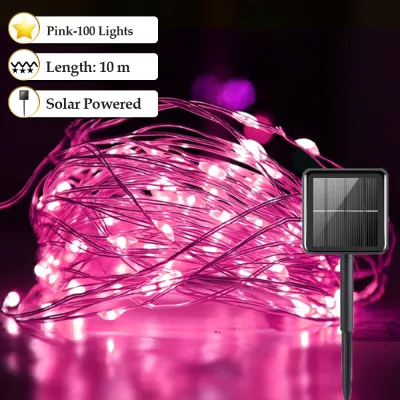
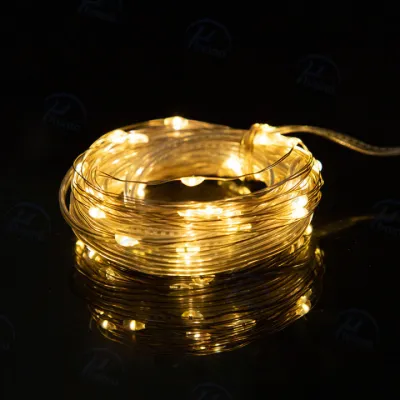
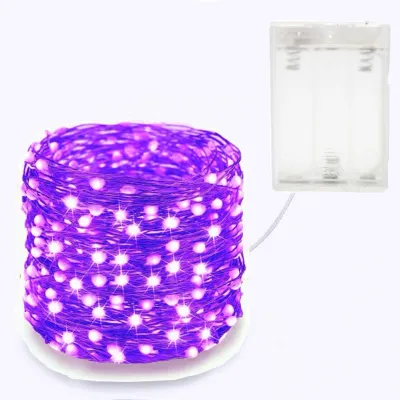
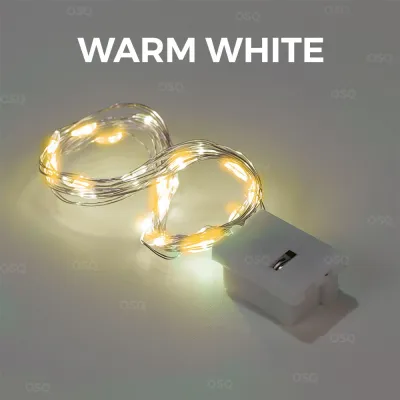
Prices are valid at publication and may change. Please refer to the product page for the latest price.
Living Room: Social and Versatile
The living room is a multi-functional hub where you entertain guests, watch movies, or read. This versatility requires a balance between a gentle overall ambient glow and focused accent lighting that highlights specific architectural or decorative features. Because activities change throughout the day, having adjustable or slightly brighter options allows you to transition the room’s mood from a lively afternoon gathering to a cozy evening movie night.
Key Features to Match Your Space
Before purchasing any battery lights, it is essential to understand how to read product labels and specifications. Checking the packaging for color temperature, wire material, and ingress protection (IP) ratings ensures the lights are safe and suitable for your specific indoor environment. Additionally, matching the physical dimensions and light density of the strand to the scale of your furniture prevents the installation from looking sparse or overwhelming.

Color Temperature and Bulb Style
Color temperature is measured in Kelvin (K), and checking the manufacturer’s specifications will help you find the exact warmth you need. For a cozy, relaxing atmosphere, look for warm white options, which typically range from 2200K to 2700K. Cool white options (above 4000K) offer a crisp, modern look but can feel clinical in a bedroom, while multicolor strands are excellent for festive occasions or playful accents.
Bulb style also plays a significant role in the visual impact of your decor. Micro-LED “dewdrop” lights on thin wires offer a delicate, nearly invisible look when turned off, making them ideal for minimalist spaces. Larger globe or star-shaped bulbs create a more pronounced decorative statement, drawing the eye even during the daytime.
Length, Density, and Wire Type
To determine the length of the light strand you need, use a piece of string to trace the path of your planned installation, such as wrapping a headboard or draping along a living room mantelpiece, then measure that string with a tape measure. This simple check prevents you from buying a strand that is too short or excessively long. Pay attention to bulb density as well; closely spaced LEDs offer a continuous line of light, while wider spacing creates a softer, more scattered effect.
The wire material affects both the durability and the aesthetic integration of your lights. Bare copper or silver wires are highly flexible and blend seamlessly into metallic or wooden backdrops, though they require gentle handling to avoid kinks. Coated or plastic-clad wires are more robust and offer better protection against dust, making them a practical choice for high-traffic areas or near open windows where tropical humidity might be a factor.
Power Options and Battery Life
Battery fairy lights offer incredible placement flexibility because they do not require proximity to an electrical outlet. Standard replaceable AA or AAA batteries are widely available and easy to swap, though you may want to budget ₱200 to ₱500 for a set of quality rechargeable batteries to reduce long-term waste. Some modern strands feature built-in rechargeable lithium packs that charge via USB, which can be highly convenient if the light is placed near a charging station.
For daily convenience, look for battery packs equipped with built-in timers, dimmers, or remote controls. A simple six-hour timer ensures your lights turn on automatically every evening and shut off before bed, preserving battery life without requiring manual switching. Dimmable options allow you to adjust the brightness level to match the changing ambient light in your condo.
Placement and Styling Ideas by Room
Installing battery fairy lights is an easy way to elevate your interior design, provided you choose secure and safe anchor points. Common mounting locations include bed frames, bookshelves, curtain rods, and floating shelves. Before using any adhesive hooks or mounting clips, check the manufacturer’s instructions regarding surface compatibility to avoid peeling paint, especially in humid tropical climates where adhesives can degrade over time.
Bedroom Styling Tips
In the bedroom, weaving micro-LED lights through a wooden headboard or draping them behind sheer canopy fabrics creates a soft, diffused glow that minimizes direct glare. You can also drape a short strand around bedside table decor, such as a ceramic vase or a stack of books, to serve as a gentle nightlight. To maintain a clean look, position the battery pack behind the headboard or under the nightstand, ensuring it remains easily accessible for switching or battery replacements.
Living Room Styling Tips
The living room offers numerous creative opportunities for accent lighting. Try weaving a copper-wire strand through the leaves of a sturdy indoor plant, or draping it along a bookshelf to highlight your favorite novels and decorative pieces. For a safe and stylish tabletop display, coil a loose strand of fairy lights inside a clean glass jar, a vintage lantern, or a decorative wooden bowl, creating a self-contained glowing centerpiece that can be moved easily.
Cross-Room Compatibility
If you enjoy changing your decor seasonally, look for versatile light strands that transition easily between rooms. Neutral styles, such as warm white micro-LEDs on silver or clear wires, blend effortlessly with almost any color scheme or design theme. Using damage-free, removable mounting clips allows you to relocate your lights from the bedroom to the living room without leaving unsightly marks on your walls.
Safety and Maintenance for Battery Lights
While low-voltage battery fairy lights are generally very safe, proper maintenance is key to preventing hazards and extending the life of your product. Always follow the manufacturer’s guidelines for battery removal if you plan to store the lights unused for an extended period, as leaking battery acid can ruin the contacts and render the device useless. Ensure the wires are not pinched by heavy furniture, trapped under thick rugs, or placed near high-heat sources like candles or kitchen appliances.
When hanging your lights, check the product instructions for any specific weight limits to avoid putting tension on the delicate wire connections. If you notice that the wires have become frayed, the insulation is damaged, or the battery pack feels unusually warm to the touch during use, immediately turn off the lights, remove the batteries, and consult the manufacturer for guidance. For any installations near damp areas, such as indoor water features or open balcony doors during the rainy season, verify that the product is rated for damp environments, and always consult a qualified professional if you plan to make any permanent electrical modifications.
Frequently Asked Questions (FAQ)
Can I leave battery fairy lights on all night?
It is generally not recommended to leave battery fairy lights running continuously overnight unless the manufacturer explicitly states it is safe to do so. Utilizing a built-in timer function is the best way to manage overnight operation, as it automatically shuts the lights off after a set period, conserving battery power and preventing unnecessary wear. Always monitor the battery pack for heat during initial use to ensure it operates within safe temperature limits.
How do I hide the battery pack in my living room?
You can easily conceal a bulky battery pack by tucking it behind books on a shelf, placing it inside a decorative hollow book box, or hiding it behind a potted plant or ceramic vase. If you are mounting the lights on a wall or mantelpiece, use removable adhesive hook-and-loop strips to secure the pack to the underside of a shelf or the back of a frame. Whichever method you choose, ensure the compartment remains accessible so you can easily change the batteries or access the power switch.

Community discussion
Share your experience or ask a question. Comments are reviewed before publication.