
To find the best battery-operated Christmas lights for outdoor use, you must prioritize weather resistance, battery compartment security, and energy-saving features like built-in timers. Outdoor decorations face harsh environmental elements, especially in tropical climates where sudden downpours, high humidity, and intense heat can quickly degrade low-quality electronics. Selecting lights with a verified Ingress Protection (IP) rating, robust wire insulation, and a tightly sealed battery box ensures your holiday display remains safe, vibrant, and functional throughout the festive season without requiring constant maintenance or frequent battery replacements.
By focusing on certified specifications rather than generic marketing claims, you can avoid the frustration of premature product failure. High-quality outdoor string lights not only withstand the elements but also offer the flexibility to decorate areas far from outdoor electrical outlets, such as garden fences, trees, and gate arches. Understanding the technical details of these lighting systems allows you to make an informed purchase that balances aesthetic appeal with long-term durability.
Weather Resistance and Waterproof Ratings
When shopping for outdoor battery-operated Christmas lights, the Ingress Protection (IP) rating is the most critical specification to verify. This rating consists of two numbers: the first indicates protection against solid objects like dust, while the second measures protection against liquids. For temporary outdoor holiday displays, look for a minimum rating of IP44, which protects against splashing water from any direction. If your decorations will be fully exposed to heavy tropical downpours without any overhead shelter, upgrading to an IP65 or IP67 rating is highly recommended to prevent water penetration.
Products mentioned in this guide
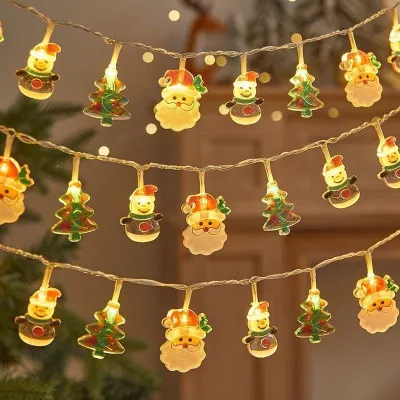
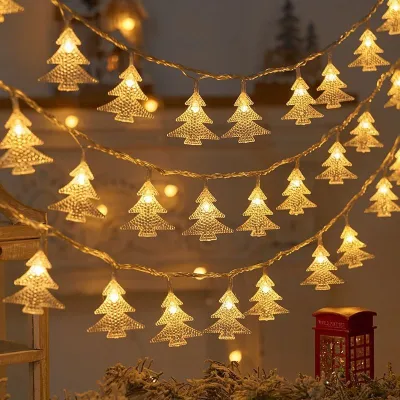
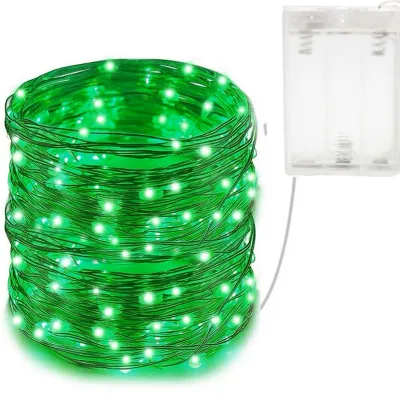
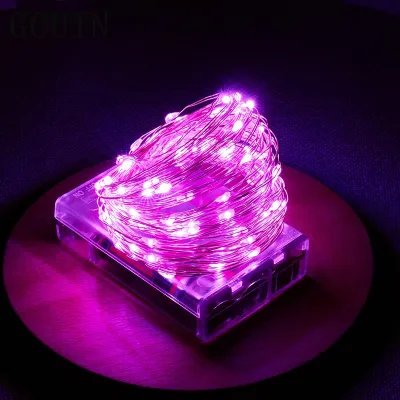
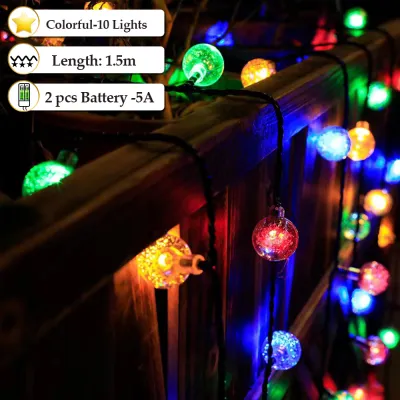
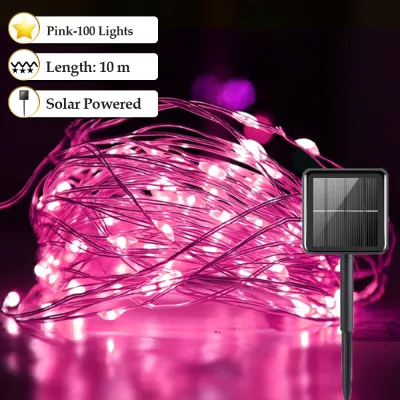
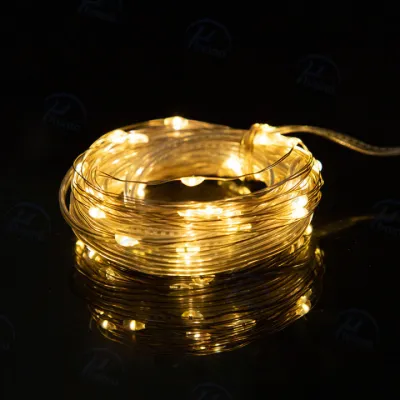
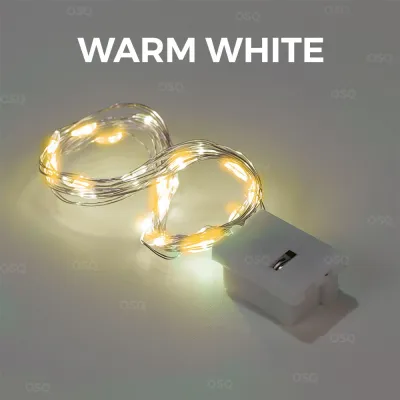
Prices are valid at publication and may change. Please refer to the product page for the latest price.
It is essential to differentiate between indoor, damp, and wet location ratings by physically checking the product packaging or the manufacturer’s specification sheet. Lights rated only for damp locations are suitable for covered patios or porches where direct rain contact is minimal. Wet-rated lights, on the other hand, are designed to handle direct exposure to rain, dripping water, and high humidity. Never assume a product is waterproof simply because the box features images of outdoor settings; always locate the explicit IP rating before purchasing.
Beyond the electrical components, the physical materials of the light string must withstand environmental wear. Evaluate the wire insulation and bulb housing materials for ultraviolet (UV) and temperature resistance. Standard PVC insulation can become brittle and crack when exposed to intense daily sunlight, allowing moisture to seep into the wiring. Heavy-duty rubberized or thick, UV-treated plastic insulation offers much better protection against degradation, ensuring the wires remain flexible and intact over weeks of outdoor exposure.
Before hanging your lights, perform a thorough visual inspection of the entire string to identify potential points of failure. Look closely at the connection points where the bulbs meet the sockets, as well as the entry point of the wires into the battery compartment. Gaps in these areas, loose connectors, or thin, flimsy wiring are clear indicators of poor sealing. If you notice any structural gaps, moisture will inevitably find its way inside, leading to short circuits and ruined batteries.
Battery Life, Type, and Compartment Security
The power source of your outdoor lights determines how often you will need to tend to your display. Standard battery-operated light sets typically run on AA, AAA, C, or D batteries. While AA and AAA models are lightweight and highly common, they have lower milliampere-hour (mAh) capacities, meaning they will require more frequent replacements. If you plan to run a long string of lights or prefer a set-and-forget setup, choosing light sets powered by C or D batteries will provide significantly longer runtimes, though the battery box itself will be heavier.

Because the battery box sits outdoors, its construction must be exceptionally secure to keep moisture out. Check for essential weatherproofing features such as a thick rubber gasket lining the inner rim of the compartment lid. This gasket creates a tight seal when the box is closed, preventing rainwater and high humidity from corroding the battery terminals. Additionally, look for compartments that secure with screws or heavy-duty snap latches rather than simple slide-on plastic lids, which can easily warp or pop open under temperature changes.
Managing battery consumption is crucial to keeping your holiday decorating budget reasonable. High-quality outdoor light sets often feature built-in automatic timers, typically configured to keep the lights on for 6 hours and off for 18 hours. Utilizing a timer prevents the lights from running unnecessarily during daylight hours, dramatically extending the lifespan of a single set of batteries. Without a timer, you may find yourself replacing batteries every few days, which quickly increases the total cost of ownership.
When planning your display, factor in a realistic battery replacement schedule based on the estimated runtime provided by the manufacturer. Keep in mind that high outdoor temperatures can accelerate battery self-discharge, while prolonged rain can lower ambient temperatures slightly, affecting battery efficiency. Using high-quality alkaline or low-self-discharge rechargeable batteries will yield the most consistent performance throughout the holiday season.
Lighting Modes, Color Temperature, and Brightness
Selecting the right visual effect involves matching the light specifications to your home’s architectural style and surrounding landscape. Color temperature is measured in Kelvin (K) and dictates the warmth or coolness of the light. Warm white lights (around 2700K to 3000K) emit a cozy, traditional golden glow that beautifully complements wooden structures, brickwork, and classic holiday foliage. Cool white lights (5000K to 6500K) offer a bright, modern, icy blue-white appearance that stands out sharply against dark green foliage and contemporary concrete architecture.
Multicolor light strings provide a festive, playful atmosphere that is highly popular for family-oriented displays. When choosing multicolor options, verify whether the bulbs are single-color LEDs or if they feature color-changing capabilities. Many modern battery-operated sets include built-in controllers that allow you to switch between steady-on, flashing, fading, and chasing modes. Opting for flashing or pulsing modes can actually improve energy efficiency, as the LEDs are not continuously drawing maximum power, thereby extending your battery life.
To achieve the desired decorative impact, consider both the lumen output and the spacing of the bulbs. For wrapping tree trunks or creating dense foliage displays, closely spaced bulbs (around 5 to 10 centimeters apart) create a rich, continuous glow. For outlining pathways, fences, or garden borders, wider bulb spacing (15 centimeters or more) is often sufficient and prevents the display from looking overly cluttered. Keep in mind that higher lumen outputs will drain batteries faster, so balance your brightness needs with your desired runtime.
Installation Constraints and Safety Boundaries
Installing battery-operated lights outdoors requires careful handling to protect both the product and your property. Always use insulated plastic mounting clips, zip ties, or outdoor-rated adhesive hooks to secure the light strings. Avoid using metal staples, nails, or bare wire ties, as these can easily pinch, cut, or wear through the protective wire insulation over time. Damaged insulation exposes the copper wiring to moisture, creating an immediate short-circuit hazard.
Because battery boxes for C or D batteries can be quite heavy, you must establish safe weight limits when hanging them. Never allow a heavy battery box to dangle freely from the light string itself, as this puts immense structural strain on the wire connections and can cause the string to snap. Secure the battery box independently to a sturdy branch, post, or gutter bracket using heavy-duty zip ties or utility hooks. Ensure the box is positioned upright, with the wire entry points facing downward to prevent water from pooling around the seals.
Your safety should always come first during installation and maintenance. Immediately halt your installation or turn off the power if you observe any frayed wires, cracked bulb housings, exposed copper, or signs of melting on the plastic components. Additionally, keep battery boxes and light strings away from high-heat sources, such as outdoor grills, spotlights, or active exhaust vents. Even though battery-operated systems run on low voltage (typically 3V to 6V), physical damage combined with water ingress can still cause localized overheating or small electrical sparks.
Before making any adjustments, hanging new sections, or replacing batteries, ensure the power is completely isolated. Turn the battery box switch to the “off” position or remove the batteries entirely before handling the wires. If you are installing lights at a height that requires a ladder, always follow standard ladder safety protocols, work with a partner, and avoid reaching too far to prevent falls.
Building Your Shortlist: Evaluation Matrix
To make a confident purchase, compile a shortlist of candidate light sets and compare their verified specifications rather than relying on vague marketing buzzwords. A reliable product should clearly state its technical details on the packaging or the official product description page. Use the following checklist to evaluate your options before spending your money:
- Verified IP Rating: Is the light set rated at least IP44 for sheltered areas, or IP65/IP67 for fully exposed outdoor zones?
- Battery Requirements: Does it use common battery sizes, and does the estimated runtime align with your maintenance preferences?
- Compartment Seal: Does the battery box feature a visible rubber gasket and a secure closure mechanism (screws or heavy-duty latches)?
- Timer Function: Is there a built-in automatic timer (e.g., 6 hours on, 18 hours off) to conserve battery life?
- Wire Quality: Is the wire insulation thick, flexible, and rated for UV resistance?
- Safety Certifications: Does the product carry recognized electrical safety marks (such as CE, RoHS, or local quality standards)?
When browsing online marketplaces or local retail stores, cross-reference the physical manufacturer labels with the online descriptions. Be highly skeptical of listings that use generic terms like “super waterproof” or “heavy-duty” without providing an actual IP rating or certification details. Inconsistent specifications—such as a product title claiming “outdoor use” while the fine print warns against rain exposure—are major red flags.
Investing a bit more upfront in a certified, well-constructed light set will save you money and effort in the long run. While uncertified budget options might cost under ₱300, they often fail after the first heavy rain, requiring complete replacement and new batteries. By selecting a set with robust weatherproofing, a secure battery compartment, and an efficient timer, you can enjoy a bright, hassle-free holiday display all season long.
Frequently Asked Questions (FAQ)
Can I leave battery-operated lights outside during heavy rain?
You can leave battery-operated lights outside during heavy rain only if they carry a verified waterproof rating of IP65 or higher and feature a fully sealed battery box. If the lights are only rated IP44, they are splash-proof and should be placed in sheltered outdoor areas like covered porches or under eaves. During severe weather events or typhoons, it is always safest to temporarily bring the light sets indoors to prevent physical damage from strong winds and flying debris.
How do I prevent battery corrosion in outdoor light sets?
To prevent battery corrosion, ensure the battery compartment is completely dry before inserting new batteries, and check that the rubber gasket seal is seated correctly. Moisture trapped inside the box will quickly cause the battery contacts to rust and leak. When the holiday season ends, always remove the batteries from the compartment before placing the light sets into long-term storage, as leaving batteries inside for months can lead to devastating leaks that ruin the contacts.
Are solar-powered alternatives better for outdoor Christmas decorations?
Solar-powered lights offer the advantage of not requiring manual battery replacements, but they depend entirely on receiving direct sunlight during the day to charge. In areas with frequent overcast skies, heavy rain, or shade from trees and buildings, solar lights may shine dimly or turn off after only a few hours. Battery-operated lights provide consistent, reliable brightness regardless of the weather, making them the preferred choice for shaded areas or reliable all-night displays.

Community discussion
Share your experience or ask a question. Comments are reviewed before publication.