
For comfortable bedside reading without eye strain or sleep disruption, the ideal brightness is between 250 and 400 lumens, paired with a warm color temperature of 2700K to 3000K. This combination provides sufficient contrast to read printed text clearly while minimizing the blue light wavelengths that signal alertness to your brain. Selecting the right desktop light or bedside lamp requires balancing these technical specifications with your physical environment, ensuring your evening wind-down routine remains truly restful.
Understanding Lumens: Decoding Brightness for Bedside Reading
Historically, many people associated brightness with wattage, which actually measures electrical power consumption rather than light output. With modern energy-efficient LED technology, brightness is measured in lumens. When selecting a desktop light or bedside lamp for reading, looking at the lumen rating on the product packaging or specification sheet is the most reliable way to ensure the light is neither too dim nor blindingly bright.
For close-up, localized tasks like reading a book in bed, a light output of 250 to 400 lumens is generally sufficient. This range provides enough illumination to prevent squinting without over-illuminating the entire bedroom. You can easily verify this rating by checking the “Lighting Facts” label or the technical specifications section on the product box or online listing before purchasing.
Products mentioned in this guide
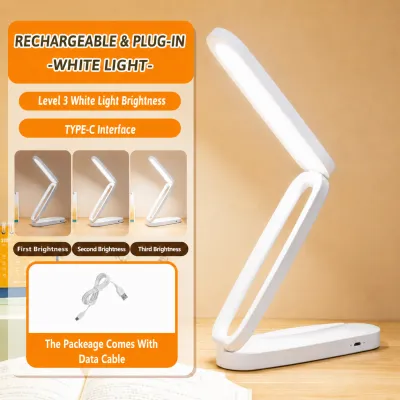
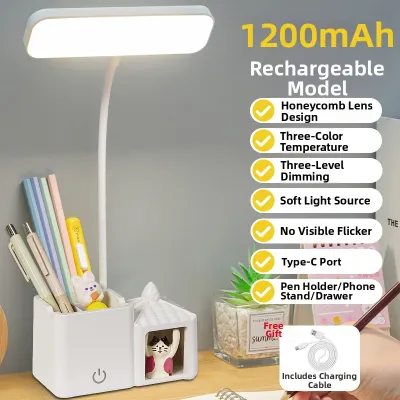
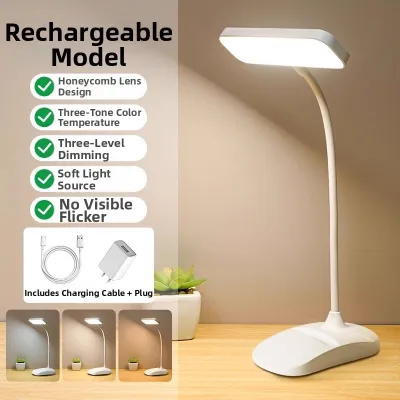
Prices are valid at publication and may change. Please refer to the product page for the latest price.
The perceived brightness of your lamp is also heavily influenced by the ambient darkness of the room. In a completely dark bedroom, a static 400-lumen light can feel surprisingly harsh and cause immediate eye fatigue. This contrast makes adjustable brightness or dimming capabilities highly beneficial, especially in shared bedrooms where you want to read comfortably without waking a sleeping partner.
Decoding Color Temperature: Choosing the Right Kelvin Rating for Nighttime Reading
Color temperature, measured in Kelvins (K), describes the visual appearance of the light emitted by a bulb. The scale ranges from warm, yellowish tones at lower numbers to cool, bluish-white tones at higher numbers. Understanding this spectrum is essential because the color of your reading light directly impacts both your visual comfort and your body’s natural sleep-wake cycle.

Cooler light, typically rated between 4000K and 6500K, mimics daylight and promotes alertness by suppressing the production of melatonin, the hormone responsible for sleep. While this crisp, blue-toned light is excellent for daytime productivity at an office desk, using it for nighttime reading can disrupt your circadian rhythm and make it difficult to fall asleep. Conversely, warm light rated between 2700K and 3000K emits a soft, amber glow that signals relaxation to the brain, supporting a natural transition to sleep.
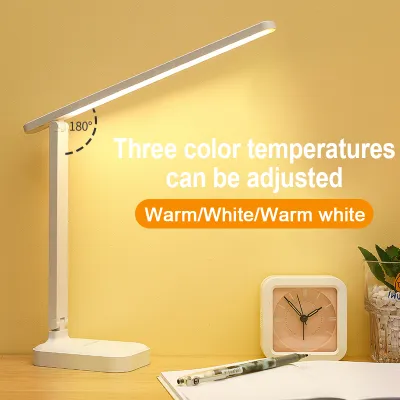
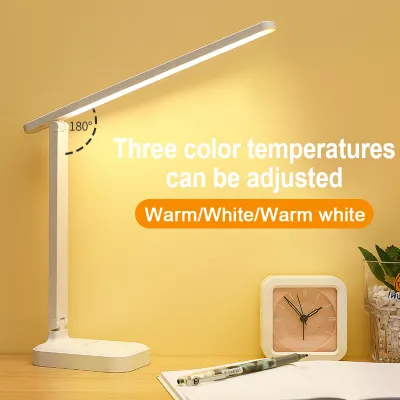
When shopping for a bedside reading lamp, look for specifications that explicitly state a warm-white range, ideally around 2700K. Many modern LED desktop lights now feature adjustable color temperature settings, allowing you to switch from a cool daylight mode for daytime tasks to a warm, relaxing mode for evening reading. This versatility ensures your lamp can serve multiple purposes throughout the day without compromising your sleep hygiene.
Adapting Light Specs to Your Bedroom Environment and Vision Needs
Your physical bedroom environment plays a significant role in how light behaves. For instance, a bedroom with dark walls or matte finishes will absorb more light, meaning you might need a slightly higher lumen output to achieve the same perceived brightness as a room with light, reflective walls. Similarly, if your bedside table is positioned far from the bed, the light will disperse over a larger distance, requiring careful placement to maintain adequate illumination on your page.
Individual vision needs also dictate the ideal light specifications. As we age, the lenses of our eyes naturally yellow and require more light to see clearly; a reader in their sixties may need up to twice the brightness of a reader in their twenties to read the same text comfortably. Additionally, the type of reading material matters. Highly reflective surfaces, such as glossy magazines or tablet screens, can produce distracting glare under direct light, whereas matte book pages are much more forgiving and comfortable under a soft, diffused glow.
If you are repurposing a standard desktop light for bedside use, pay close attention to its physical design and light distribution. Desktop lights are often engineered to cast a wide, even pool of light across a flat working surface, which can cause glare when positioned at eye level next to a bed. Adjusting the height of the lamp or angling the head downward ensures the beam is directed precisely onto your book rather than scattering across your face or into your eyes.
Essential Hardware Specs to Check Beyond Brightness and Color
Beyond the core metrics of lumens and Kelvins, several hardware specifications directly influence the usability of a bedside reading lamp. Stepless dimming, which allows you to smoothly adjust brightness from 10% to 100% rather than relying on fixed low-medium-high presets, is highly valuable. This feature lets you fine-tune the illumination to match the exact level of ambient darkness in your room as the night progresses.
The design of the lamp shade and the resulting beam angle are equally critical for preventing glare. An exposed bulb or a poorly designed shade can create harsh hot spots of light that strain your eyes. Look for lamps with deep shades or adjustable heads that direct the light downward, keeping the beam focused strictly on your reading material while shielding your eyes from direct exposure to the light source.
Finally, physical ergonomics and electrical safety should not be overlooked. Before purchasing, verify the lamp’s dimensions to ensure it fits comfortably on your bedside table, and check that its voltage matches your home’s electrical system. A heavy, stable base is crucial to prevent the lamp from tipping over when you reach for it in the dark. Additionally, ensure the product carries recognized electrical safety certifications and has a convenient switch placement, such as an on-base switch or touch-sensitive control, for easy reach from a lying position.
Frequently Asked Questions (FAQ)
Can I use a smart bulb in my existing bedside lamp for reading?
Yes, you can easily upgrade an existing bedside lamp by installing a smart LED bulb, provided you verify a few key compatibility factors first. Always check the lamp fixture’s maximum wattage limit, which is typically printed on a label near the bulb socket, and ensure the smart bulb does not exceed this rating. Additionally, verify that the bulb’s base type (such as E27 or E14) and voltage match your fixture and local electrical standards, and look for certified products to ensure safety. Once installed, a smart bulb allows you to customize brightness and color temperature through a smartphone app, and you can even set automated schedules to gradually dim the light as your bedtime approaches.
Does the lamp shade material affect reading comfort?
The material and design of a lamp shade have a profound impact on how light is distributed across your reading space. Opaque shades, such as those made of metal or thick, dark fabric, block light from escaping sideways and direct it in a focused beam downward, which is ideal for targeted reading without illuminating the rest of the room. Conversely, translucent shades made of light fabric, paper, or frosted glass diffuse light in all directions, creating a softer, ambient glow that is pleasant for general bedroom illumination but may require a slightly higher lumen bulb to provide sufficient contrast for reading fine print.

Community discussion
Share your experience or ask a question. Comments are reviewed before publication.