
Choosing the right table lamp involves more than just picking an attractive design. A bedside table lamp and a living room table lamp serve fundamentally different purposes; placing the wrong fixture in either space can lead to eye strain, poor functionality, or a mismatched aesthetic. While a bedroom requires soft, localized illumination to help you wind down, a living room demands versatile, layered lighting that adapts to hosting, relaxing, or working.
In the Philippines, where tropical evenings and varied home layouts dictate our daily routines, selecting the right light lamp also means considering material durability and electrical safety. Understanding the distinct roles of these fixtures allows you to make an informed purchase that enhances both the utility and the atmosphere of your home. By evaluating your daily routines, room layouts, and specific hardware requirements, you can easily identify the ideal lighting solution for each space.
Core Functional Differences Between Bedside and Living Room Lamps
The primary difference between bedside and living room lamps lies in their intended function and how they distribute light. In the bedroom, your activities are typically quiet and localized. A bedside lamp must support tasks like reading a book, checking a phone, or navigating the room in the dark without casting harsh shadows or waking up a partner. This requires a focused, glare-free light source that directs its output downward and outward in a controlled radius, keeping the rest of the room relatively dim to signal to your body that it is time to sleep.
Products mentioned in this guide
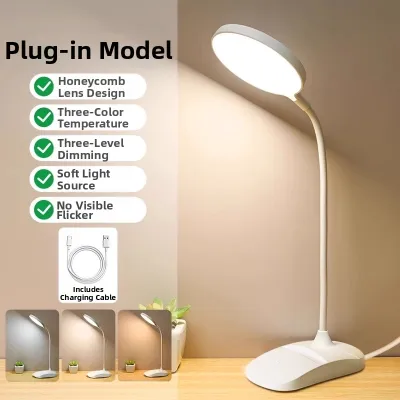
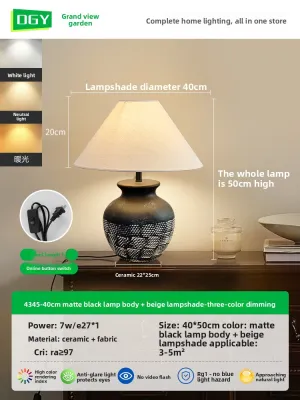
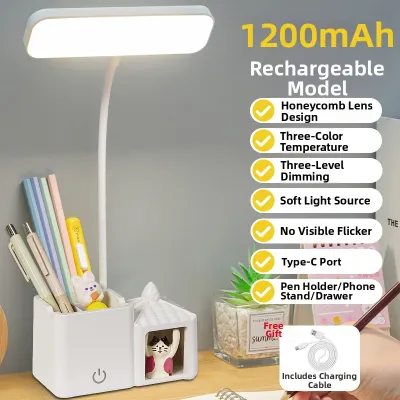
Prices are valid at publication and may change. Please refer to the product page for the latest price.
In contrast, a living room is a multi-functional, shared space that requires a layered lighting approach. A living room table lamp is rarely the sole light source; instead, it works alongside ceiling fixtures, wall lights, and floor lamps to eliminate dark corners and create a warm, inviting ambiance. The tasks in a living room are highly varied, ranging from watching television to hosting guests or reading on the sofa. Consequently, a living room lamp needs to provide a broader, more diffused spread of light that contributes to the overall illumination of the room.
These functional differences dictate the brightness and color temperature you should look for when buying bulbs. For a bedside lamp, look for bulbs with lower lumen ratings—typically between 250 and 400 lumens—and a warm color temperature of 2700K to 3000K. This warm, amber glow mimics the sunset, helping your brain produce melatonin for a better night’s rest. For a living room lamp, you will generally want a brighter bulb, ranging from 400 to 800 lumens, with a slightly cooler but still warm white temperature of 3000K to 4000K, which keeps the space feeling vibrant and functional during evening hours.
Aesthetic and Sizing Considerations for Each Room
Proportion and scale are critical when selecting a light lamp, as a mismatch can disrupt the visual balance of your room and cause physical discomfort. For a bedside table, the height of the lamp must be carefully calibrated to the height of your nightstand and mattress. A general rule of thumb is that when you are sitting or lying in bed, the bottom of the lampshade should align roughly with your eye level. If the lamp is too tall, the bulb will shine directly into your eyes, causing uncomfortable glare; if it is too short, the light will not cast wide enough to illuminate your reading material.

The physical footprint of the lamp base is another vital consideration for the bedroom. Nightstands are typically small and must accommodate daily essentials such as a glass of water, a phone charger, eyeglasses, and books. Choosing a bedside lamp with a compact, heavy base ensures you have plenty of usable surface area while minimizing the risk of accidentally knocking the lamp over in the dark. In the living room, side tables and console tables are usually larger and sturdier, allowing you to choose lamps with wider, more artistic bases that make a bold design statement without crowding the surface.
Shade materials also play a major role in how light is diffused throughout each space. For bedside lamps, opaque or dark-colored shades made of thick fabric, paper, or metal are highly effective because they block horizontal light transmission and direct the glow downward onto your lap or nightstand. For living room lamps, translucent or light-colored fabric shades are preferred. These materials allow light to filter through the sides of the shade, casting a soft, ambient glow across the surrounding walls and seating areas, which helps make the entire room feel larger and more welcoming.
Key Hardware and Safety Features to Verify Before Buying
Before purchasing any light lamp, it is essential to verify its physical hardware and electrical specifications to ensure convenience and safety. The switch type significantly impacts usability, especially in the bedroom. A bedside lamp should feature an easily accessible switch, such as a touch-sensitive base, a pull chain, or an inline cord switch positioned close to the lamp body. Fumbling for a switch halfway down a power cord behind a nightstand is frustrating when you are half-asleep. For living room lamps, standard rotary switches on the socket or inline switches on the floor cord are perfectly acceptable, as these lamps are often left on for several hours.
Dimming capabilities are highly beneficial for both spaces but require different setups. A dimmable bedside lamp allows you to transition smoothly from a brighter reading light to a very low, warm glow for winding down. If you plan to use a dimming feature, always verify that both the lamp fixture and the LED bulb you purchase are explicitly labeled as dimmable. Non-dimmable LED bulbs paired with a dimmer switch will flicker, buzz, or wear out prematurely, which can be a significant annoyance in a quiet bedroom or living room.
Electrical safety is paramount, particularly in the tropical climate of the Philippines where voltage fluctuations and high humidity can affect electrical appliances. Standard household outlets in the Philippines deliver 220V at 60Hz. Always check the manufacturer’s label on the lamp to ensure it is rated for 220V compatibility; importing lamps rated solely for 110V without a proper transformer can lead to immediate product failure or electrical hazards. Additionally, look for local safety certification marks, such as the Philippine Standard (PS) or Import Commodity Clearance (ICC) marks, to verify that the fixture has undergone rigorous safety testing. Finally, measure the distance from your table to the nearest wall outlet to ensure the power cord is long enough to lie flat along the floor or wall without being stretched tight, which prevents tripping hazards in busy household areas.
Can You Use the Same Lamp in Both Rooms?
While bedside and living room lamps have distinct roles, certain versatile designs can transition successfully between both spaces. Minimalist ceramic lamps, sleek metal fixtures, and transitional wooden designs often feature neutral aesthetics that look just as appropriate on a bedroom nightstand as they do on a living room side table. If you prefer a cohesive, unified look throughout your home, purchasing a matching set of versatile lamps can simplify your interior design process.
However, using the exact same lamp in both rooms usually requires some functional compromises. A lamp that is large enough to provide adequate ambient light in a spacious living room may overwhelm a small nightstand, leaving little room for your personal items. Conversely, a compact bedside lamp may look dwarfed when placed next to a large living room sofa, failing to provide enough light to fill the surrounding space. If you do choose to use the same lamp model in both rooms, be prepared to adjust its placement and surrounding decor to balance the visual proportions.
Fortunately, you can easily repurpose a versatile lamp to suit its new environment by making a few simple adjustments. If you are moving a living room lamp to the bedroom, consider swapping the bulb for one with lower lumens and a warmer color temperature to create a more relaxing atmosphere. You can also replace a translucent shade with a darker, more opaque one to control the direction of the light and reduce glare. Adding a smart bulb is another excellent way to adapt a single lamp for multiple uses, allowing you to program bright, neutral light for daytime tasks and dim, warm light for nighttime relaxation.
Frequently Asked Questions (FAQ)
How far should a bedside lamp be from the bed?
A bedside lamp should be placed within easy arm’s reach, typically about 50 to 70 centimeters from the center of your mattress. This positioning allows you to turn the light lamp on or off comfortably from a lying or sitting position without having to stretch or get out of bed. Additionally, ensure there is a clearance of at least 10 to 15 centimeters between the edge of the lampshade and your headboard or mattress to prevent accidentally bumping the lamp when you adjust your pillows or blankets during the night.
Do living room table lamps need to match each other?
Living room table lamps do not need to be identical, but they should share a cohesive design language to keep the space looking balanced. If you prefer a formal, traditional aesthetic, using a matching pair of lamps on a console table or on matching side tables flanking a sofa creates a pleasing sense of symmetry. For a more modern, eclectic look, you can mix different lamp shapes and sizes, provided they share a common element—such as matching brass finishes, similar linen shades, or a consistent color palette—to ensure they complement rather than clash with your overall decor.

Community discussion
Share your experience or ask a question. Comments are reviewed before publication.