
Choosing the right table lamp depends on understanding how a space functions rather than focusing solely on aesthetics. While both fixtures provide light, their roles in a home are fundamentally different. A bedside lamp serves as an intimate, highly functional tool designed for close-up tasks like reading and winding down. In contrast, a living room lamp acts as a design anchor and a source of broader ambient illumination for shared activities.
To make the right choice, you must look beyond the decorative base and evaluate specific features. Bedside lamps require a compact scale, glare-shielding shades, and easily accessible switches that you can operate without leaving the comfort of your mattress. Living room lamps demand a larger physical presence, sturdier bases to survive high-traffic environments, and shades that diffuse light outward to fill a room. Matching these distinct functional needs ensures that your lighting enhances both your daily routines and your interior design.
What to Look for in a Bedside Table Lamp
Bedside lighting requires a careful balance of physical scale and optical comfort. Because this fixture sits close to where you sleep, every detail—from the height of the shade to the placement of the power switch—directly impacts your evening comfort and sleep quality.
Products mentioned in this guide
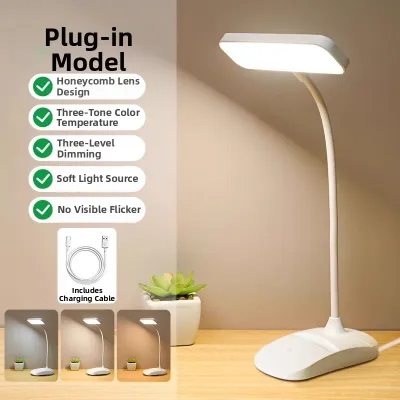

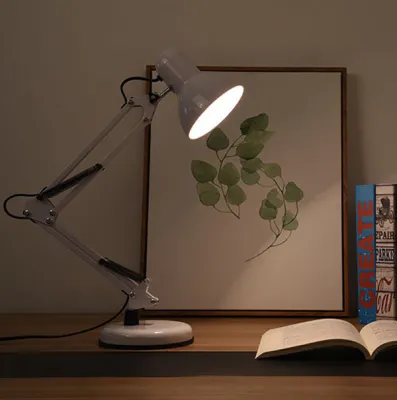
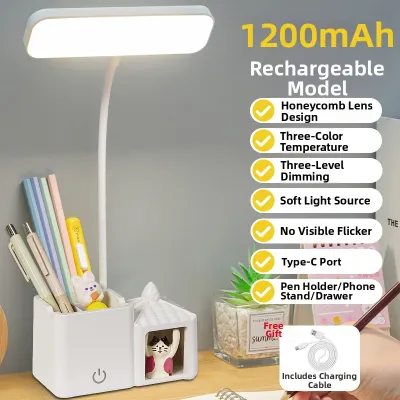

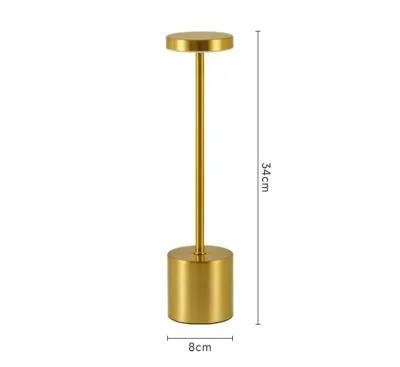

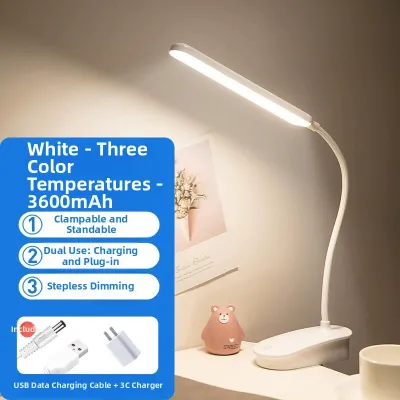
Prices are valid at publication and may change. Please refer to the product page for the latest price.
Size, Proportion, and Switch Accessibility
Before purchasing a bedside lamp, measure the surface area of your nightstand. A common mistake is selecting a base that leaves no room for bedtime essentials like a phone, a glass of water, or a book. Ideally, the lamp base should occupy no more than one-third of the nightstand’s total surface area. This preserves functional space while keeping the bedside area looking organized and uncluttered.
The height of the lamp is equally critical to prevent eye strain. When you are sitting up in bed reading, the bottom of the lampshade should align roughly with your eye level. If the lamp is too tall, the bulb will expose your eyes to direct, harsh glare; if it is too short, the book you are reading will remain cast in shadow. For most standard nightstands and mattress heights, a lamp with a total height of 24 to 28 inches provides the ideal alignment.
Accessibility is another major factor in bedroom lighting design. Reaching for a switch should not require you to stretch, lean awkwardly out of bed, or fumble in the dark. Look for lamps featuring touch-sensitive bases, inline cord switches positioned close to the headboard, or classic pull chains. These mechanisms allow you to turn the light off effortlessly when you are ready to sleep, preserving a relaxed state of mind.
Light Quality, Glare Control, and Shade Materials
To protect your natural circadian rhythms, choose light bulbs with warmer color temperatures, specifically between 2700K and 3000K. This soft, golden glow mimics the setting sun, signaling to your brain that it is time to wind down. Avoid cool blue or bright white light in the bedroom, as these temperatures can suppress melatonin production and disrupt your sleep cycle.
The design of the lampshade plays a vital role in directing this warm light. Opaque or dark-lined shades made of thick fabric, heavy paper, or metal are excellent choices for the bedside. Instead of letting light scatter horizontally into your eyes, these materials direct the light downward onto your reading material and upward toward the ceiling, creating a soft, indirect glow in the rest of the room.
Finally, physical stability is a safety priority in the dark. Look for table lamps equipped with stable, non-slip base pads made of felt or rubber. This simple feature prevents the lamp from sliding or tipping over if you accidentally knock it while reaching for your alarm clock or phone in the middle of the night.
What to Look for in a Living Room Table Lamp
In the living room, table lamps transition from personal task lights to shared design elements. These fixtures must work in harmony with larger furniture pieces while providing enough light to make the entire room feel warm and welcoming.

Height, Visual Weight, and Base Stability
Living room lamps are generally taller and possess more visual weight than bedside models. They must hold their own alongside substantial furniture pieces like deep sofas, sectionals, and console tables. A lamp that is too small will look visually lost and out of proportion. Generally, living room table lamps range from 26 to 32 inches in height, helping to draw the eye upward and balance the vertical space of the room.
Because the living room is a high-traffic area, base stability is paramount. Homes with active household members, children, or pets require lamps with heavy, substantial bases made of materials like thick ceramic, solid stone, or heavy cast metal. A lightweight lamp can easily be tipped over by a passing pet or an accidental bump, presenting a safety hazard and a risk of damage.
The style of the lamp should also complement the room’s broader interior design theme. Whether your living room features a modern minimalist aesthetic, a rustic vibe, or a tropical contemporary look, the lamp’s material, color, and texture should serve as a cohesive design accent that ties the space together.
Ambient Light Distribution and Material Durability
Unlike the focused downlight needed for bedside reading, a living room lamp should distribute light outward to brighten the surrounding space. Translucent shades made of linen, lightweight cotton, or semi-transparent glass are ideal. These materials allow light to filter through the sides of the shade, creating a warm, diffused ambient glow that softens shadows throughout the room.
To accommodate different activities, such as hosting guests, watching television, or reading on the sofa, look for lamps that support higher lumen outputs or feature integrated dimmers. A 3-way socket or a dimmable LED setup allows you to easily transition the room from bright, functional lighting to a low, cozy evening atmosphere.
Living in the tropical climate of the Philippines requires special attention to material durability. High humidity levels can cause low-quality metals to rust rapidly and untreated wood or paper shades to warp or develop mold. When shopping, prioritize materials that resist moisture damage over time, such as glazed ceramics, hand-blown glass, and powder-coated or lacquered metals. These choices ensure your investment remains beautiful and functional despite seasonal humidity.
Feature Comparison: Bedside vs. Living Room Lamps
To help you evaluate your options, the table below outlines the primary technical and design differences between these two types of table lamps.
| Feature | Bedside Table Lamp | Living Room Table Lamp |
|---|---|---|
| Primary Function | Focused task lighting (reading, winding down) | Ambient and accent lighting (general illumination) |
| Ideal Height & Scale | Compact (typically 24 to 28 inches); fits narrow nightstands | Taller (typically 26 to 32 inches); balances large furniture |
| Shade Material & Light Direction | Opaque or dark-lined; directs light downward to prevent eye glare | Translucent (linen, light fabric); diffuses light outward |
| Switch Type | Accessible (touch base, pull chain, or inline cord switch) | Standard rotary switch, 3-way switch, or smart control |
| Color Temperature | Warm and cozy (2700K to 3000K) to promote relaxation | Warm to neutral (2700K to 3500K) for versatile use |
Use this comparison table as a quick checklist when shopping for new lighting. Before making a final purchase, always verify that the fixture is compatible with the local electrical grid. In the Philippines, standard household electrical systems operate at 220V and 60Hz. Ensure the lamp’s internal wiring, socket (typically E27), and plug type (usually Type A flat pins or Type C round pins) match your home’s outlets, and look for official safety certification marks to guarantee safe operation.
Can You Use the Same Lamp for Both Spaces?
If you prefer a cohesive look throughout your home, or if you are decorating a studio apartment where the bedroom and living areas merge, you might wonder if a single lamp design can work in both spaces. A “crossover” lamp is possible, but it requires careful selection to avoid functional compromises.
To successfully bridge the gap, look for a lamp of medium height—around 25 to 26 inches—with a neutral, versatile design. The shade should be semi-translucent, offering a balance between downward task light and gentle ambient diffusion. Avoid overly wide bases that might overcrowd a nightstand, and steer clear of delicate, top-heavy designs that could easily tip over in a living room.
One of the most practical ways to adapt a single fixture for both environments is by using smart bulbs or 3-way switches. A smart bulb allows you to program different settings for different times of day. You can set a bright, neutral white light for daytime living room use, and then dim the bulb to a warm, low-lumen amber glow for nighttime bedside reading. This simple upgrade gives a single physical fixture the versatility to handle completely different lighting tasks.
Frequently Asked Questions (FAQ)
What is the ideal height for a bedside table lamp?
The ideal height for a bedside table lamp generally ranges from 24 to 28 inches. However, the most critical measurement is that the bottom of the lampshade should align with your eye level when you are sitting up in bed. This alignment ensures that the shade blocks direct glare from the bulb while casting sufficient light downward onto your lap or book.
Do living room table lamps need to match each other?
Living room table lamps do not need to match exactly. While placing identical lamps on symmetrical end tables creates a formal, classic look, mixing different styles can make a room feel more relaxed and layered. If you choose to mix your lamps, ensure they share a common element—such as a similar height, matching shade materials, or complementary base colors—to keep the design cohesive.

Community discussion
Share your experience or ask a question. Comments are reviewed before publication.