
Selecting an artistic floor lamp for a Philippine living room involves finding a balance between striking visual design and practical daily utility. These sculptural lighting fixtures serve as functional art, anchoring your interior design while providing essential illumination. However, finding the right piece requires looking beyond aesthetics. You must evaluate how a lamp’s physical scale, material durability, and electrical specifications align with the unique environmental and structural conditions of a tropical home.
How to Choose an Artistic Floor Lamp for Your Living Room
Before purchasing a statement lamp, carefully assess your living room’s physical dimensions, ceiling height, and existing furniture scale. In many Philippine homes, ranging from compact condominiums to spacious open-plan townhouses, vertical space dictates what style will work best. A towering arc lamp can easily overwhelm a low-ceilinged room, making the space feel cramped, while a delicate, slender fixture might get visually lost next to a bulky, high-backed sectional sofa. Measure both the footprint of the lamp’s base and its total height to ensure it leaves comfortable clearance for walking and does not disrupt the visual flow of the room.
Electrical compatibility is a critical safety consideration that should never be overlooked. The standard electrical grid in the Philippines operates at 220V and 60Hz. Because many artistic lamps sold on online marketplaces or imported from abroad are designed for different regional standards—such as 110V in North America or 50Hz in Europe—it is vital to verify the manufacturer’s label before plugging the fixture into your wall. Ensure the lamp uses standard local plug types (typically Type A or Type B) and is rated for local voltage. Relying on loose, low-quality travel adapters to bridge incompatible plugs poses a serious risk of electrical arcing, short circuits, or localized overheating.
Products mentioned in this guide
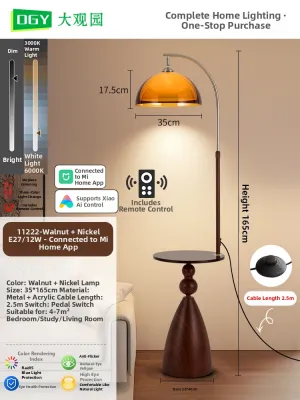
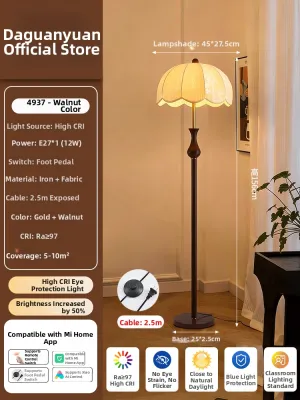
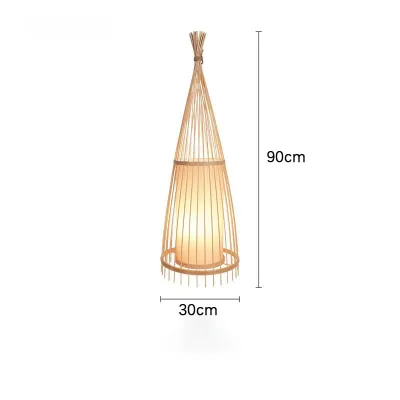
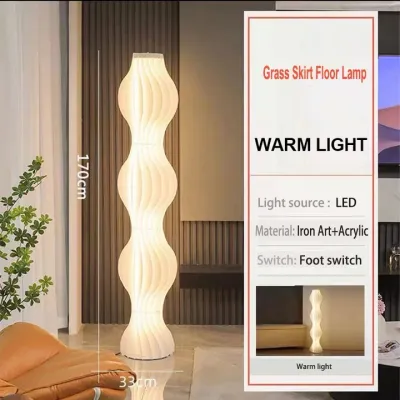
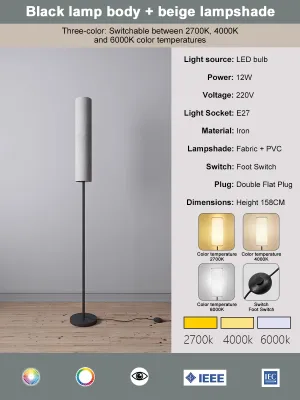
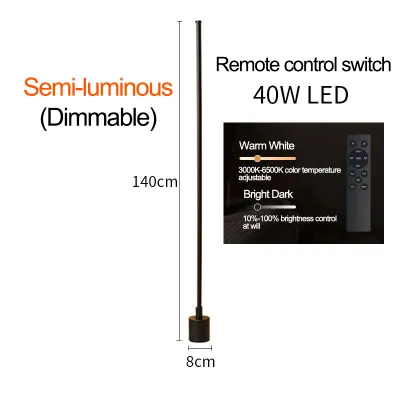
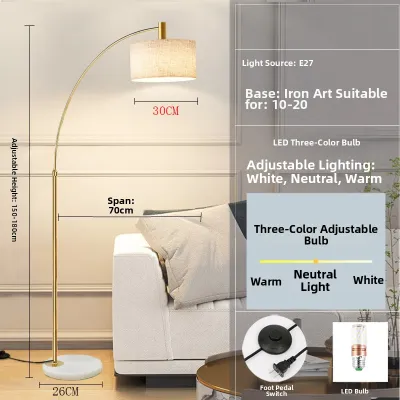
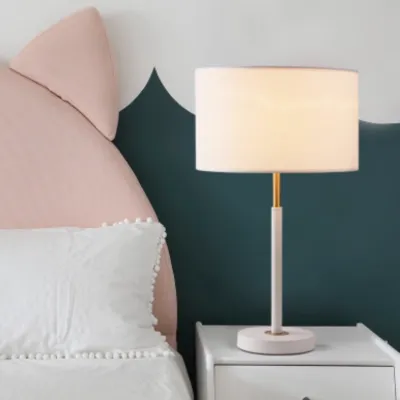
Prices are valid at publication and may change. Please refer to the product page for the latest price.
Tropical climates present unique challenges for home decor materials, making material selection a priority for long-term durability. High relative humidity, particularly during the wet monsoon season, can rapidly degrade poorly finished products. Untreated metals are highly susceptible to rust and corrosion, while low-grade adhesives in laminated wood or paper shades can fail, leading to warping or peeling. Natural fibers like rattan, bamboo, or abaca can harbor mold if kept in damp, unventilated corners. To ensure your artistic floor lamp lasts, prioritize materials with protective powder coatings, rust-resistant platings, or moisture-resistant sealants specifically rated for humid environments.
Finally, define the primary functional role the lamp will play in your living room layout. An artistic floor lamp can serve as a primary source of ambient light, a focused task light for a reading corner, or a purely decorative sculptural accent. If you need general illumination, look for designs with translucent shades that diffuse light evenly throughout the space. For reading or detailed work, look for fixtures with adjustable heads or directional shades. If the lamp is intended solely as an art piece, you can prioritize dramatic, opaque shapes that cast artistic shadows, even if their total light output is relatively low.
Top Artistic Floor Lamp Designs to Elevate Your Space
Sculptural and Abstract Statement Pieces
Sculptural floor lamps act as standalone art installations that command attention even when turned off. These designs often feature striking asymmetrical silhouettes, geometric steel frames, or organic resin castings that contrast beautifully with traditional living room furniture. They work exceptionally well as focal points in minimalist, contemporary, or industrial interiors, adding a layer of architectural interest to empty corners or blank walls.

When evaluating a highly sculptural or top-heavy design, always check the weight and stability of the base. Because these lamps often feature dramatic curves or extended arms, they require a substantial, heavy base—often made of solid marble, concrete, or cast iron—to lower the center of gravity and prevent accidental tipping. If the base feels light or unstable, avoid placing the lamp in high-traffic areas. Keep in mind that highly abstract designs often prioritize form over raw light output, making them ideal for creating a warm, moody ambiance rather than bright, functional illumination.
Woven Rattan and Natural Texture Lamps
For homes embracing a tropical modern, coastal, or organic aesthetic, woven rattan, abaca, and bamboo floor lamps offer an ideal blend of warmth and texture. These natural materials soften modern interiors, bringing an inviting, resort-like feel into the living room. When illuminated, the intricate weave patterns project beautiful, organic patterns of light and shadow across your walls and ceiling, instantly adding depth and character to the space.
However, natural fibers require diligent care to survive the Philippine humidity. Without proper ventilation, woven shades can trap moisture, leading to mold growth or fiber rot. To maintain their structural integrity, place these lamps in well-ventilated areas with active airflow, such as rooms with ceiling fans or regular air conditioning, and avoid placing them directly next to open windows where rain or morning dew can reach them. Additionally, always check the inner lining of the shade; quality natural lamps feature a heat-resistant backing or a wide wire frame that keeps the hot light bulb safely separated from the flammable outer fibers.
Mid-Century Modern and Metallic Accents
Mid-century modern designs bring a sense of vintage sophistication to contemporary living rooms through clean lines, tapered legs, and striking metallic finishes. Popular choices include brushed brass, warm copper, polished chrome, and matte black steel. These metallic accents catch the light beautifully, adding a subtle touch of luxury that complements both dark wood furniture and neutral upholstery.
In humid tropical climates, maintaining the pristine look of metallic finishes requires conscious effort. Untreated brass and copper will naturally oxidize over time, developing a dark patina that may or may not fit your aesthetic preferences. If you prefer a bright, polished look, verify whether the manufacturer has applied a protective anti-tarnish clear coat. For raw metals, plan on regular, gentle polishing using manufacturer-approved metal cleaners. Furthermore, inspect the sturdiness of any adjustable joints, swivel heads, or brass hinges on these lamps, ensuring they lock firmly into place and will not droop over time due to wear.
Minimalist Arc and Asymmetrical Designs
Arc floor lamps are highly functional, space-saving design marvels that allow you to position overhead lighting precisely where you need it without the hassle of hardwiring a ceiling fixture. Featuring a long, sweeping neck that extends over sofas, sectionals, or armchairs, these lamps visually expand a room by keeping the floor footprint small while delivering light directly over a seating or reading area.
Because of the extreme physical leverage created by a long, sweeping arm, an exceptionally heavy, weighted base is an absolute safety requirement. High-quality arc lamps rely on thick marble slabs or solid steel plates to counter the forward weight. If you have children or pets running through the living room, a lightweight base is a major hazard. Before purchasing, measure the exact reach of the arc and its maximum height against your ceiling clearance to ensure the shade hangs at a safe, comfortable height where tall guests will not bump their heads when standing up from the sofa.
Balancing Ambient Glow and Task Lighting
To make the most of your artistic floor lamp, you must pair its physical design with the correct light bulb and output specifications. Always check the manufacturer’s label inside the socket for the maximum allowable wattage and lumen limits. Exceeding these limits—especially when using traditional halogen or incandescent bulbs—generates excessive heat that can scorch delicate paper or fabric shades, melt plastic components, or damage the internal wiring. Switching to high-quality LED bulbs is highly recommended, as they emit very little heat, consume a fraction of the electricity, and are much safer for delicate artistic fixtures.
Selecting the right color temperature is essential for establishing the desired mood in your living room. For a cozy, inviting, and relaxing atmosphere, look for bulbs with a color temperature between 2700K and 3000K, often labeled as warm white. This warm glow highlights the natural textures of wood, rattan, and brass, creating soft shadows that make the living room feel welcoming. Avoid using cool white or daylight bulbs (5000K to 6500K) in your artistic floor lamps, as this harsh, bluish light can wash out the warm tones of your decor and create a cold, clinical atmosphere.
Integrating smart lighting technology can greatly enhance the versatility of your floor lamp. By installing a compatible smart LED bulb, you can easily adjust the brightness and color temperature of your artistic lamp using a smartphone app or voice commands. This allows you to transition seamlessly from bright, focused lighting for reading or hosting guests to a dim, golden glow for watching movies or winding down at night. If you prefer a simpler setup, look for lamps featuring built-in foot-pedal dimmers, ensuring the lamp’s internal dimming mechanism is fully compatible with dimmable LED bulbs to prevent annoying flickering.
When buying replacement bulbs, always verify the socket base type required by your lamp. The most common standard in the Philippines is the E27 medium screw base, which is widely available in local hardware stores and supermarkets. Some smaller, delicate, or European-designed artistic lamps may require an E14 candelabra base or specialized bi-pin bulbs. Sourcing uncommon bulb bases can be difficult and expensive locally, so choosing a lamp with a standard E27 socket ensures you can easily find replacement bulbs whenever needed.
Placement, Safety, and Care in Tropical Climates
Strategic placement of your artistic floor lamp maximizes its visual impact while maintaining a safe, comfortable living space. Avoid placing a bright, exposed-bulb lamp directly opposite your television screen, as this creates distracting glare that strains the eyes. Instead, position the lamp in a corner to soften harsh shadows, or place it slightly behind and to the side of your main seating area. This positioning allows the lamp to serve as an elegant backdrop, highlighting architectural details, indoor plants, or nearby wall art without shining directly into anyone’s eyes.
Loose, dangling power cords detract from the clean, artistic look of your lamp and present a significant tripping hazard, especially in high-traffic family areas. To maintain a polished aesthetic, use discreet cord management solutions. You can secure the cord along the back leg of a nearby table using clear adhesive clips, run it beneath a heavy area rug (ensuring the cord is flat and not subjected to heavy foot traffic that could wear down the insulation), or use paintable cord covers along the baseboard to hide the wire completely as it travels to the nearest outlet.
Routine maintenance is key to preserving the beauty and safety of your lighting fixtures. Dust delicate shades regularly using a soft microfiber cloth, a static duster, or a gentle brush attachment on a vacuum cleaner. During the humid rainy season, wipe down metallic parts with a dry, clean cloth to prevent moisture buildup that leads to rust. Always inspect the power cord periodically for any signs of wear, cracking, or pet damage. If you notice any fraying, exposed wires, or if the plug feels unusually hot to the touch during use, immediately disconnect the lamp from the wall and consult a qualified electrician or contact the manufacturer for repair options.
Finally, establish clear safety boundaries to protect your household and your investment. Keep tall, delicate, or top-heavy artistic floor lamps away from active play areas where children or pets could accidentally knock them over. Ensure the lamp’s placement does not block essential walkways, hallways, or emergency exit paths. If your lamp is placed on a slightly uneven floor or a thick, plush carpet, consider using discrete furniture shims or stabilizer pads under the base to ensure it remains perfectly upright and secure.
Frequently Asked Questions (FAQ)
Do artistic floor lamps provide enough light for reading?
Whether an artistic floor lamp provides sufficient light for reading depends entirely on its structural design, shade material, and bulb specifications. Lamps with opaque metal or thick ceramic shades direct light in a focused beam, which can be excellent for reading if the shade is angled downward toward your book. However, lamps with highly decorative, dark, or heavily textured woven shades are designed to diffuse light softly throughout the room, prioritizing ambient mood over task lighting. If reading is your primary goal, look for artistic designs that feature adjustable heads, open-bottom shades, or an integrated secondary reading arm that allows you to direct bright, focused light exactly where you need it.
How do I protect floor lamp finishes from high humidity?
To protect your floor lamp’s finishes from high humidity, maintain consistent indoor ventilation by using ceiling fans, air conditioning, or dehumidifiers during the damp rainy season. Avoid placing your lamp near open windows, glass sliding doors, or indoor plants where moisture can easily accumulate. For routine cleaning, wipe metallic and wooden surfaces with a dry, soft microfiber cloth to remove moisture and dust, which can trap humidity against the finish. Before applying any protective waxes, oils, or metal polishes, always check the manufacturer’s care instructions to ensure the product will not strip away factory-applied anti-tarnish coatings. If the manufacturer’s instructions conflict with a cleaning product, or if the material is unidentified, stop and consult a professional restoration specialist.

Community discussion
Share your experience or ask a question. Comments are reviewed before publication.