
Selecting the ideal battery-powered LED fairy lights for outdoor spaces in the Philippines requires balancing aesthetic appeal with structural durability. The country’s tropical climate—characterized by intense seasonal rain, high humidity, and prolonged sun exposure—presents unique challenges for outdoor electronics. To achieve a safe, reliable, and visually stunning outdoor lighting setup without the hazard of running high-voltage extension cords across damp lawns, you must prioritize specific engineering standards.
To ensure your decorative lighting survives the elements, focus on three non-negotiable features: an ingress protection rating suitable for wet environments, a robust and shielded battery compartment, and UV-stabilized, corrosion-resistant wiring. While retail availability and specific brand names on online marketplaces fluctuate rapidly, understanding these core technical specifications empowers you to identify high-quality products that deliver long-lasting performance in any tropical garden, patio, or balcony.
Essential Specs to Withstand Philippine Rain and Humidity
Operating electronic decorations outdoors in the Philippines demands close attention to material science and electrical engineering. The combination of high relative humidity, which frequently exceeds 80 percent, and heavy rainfall during the monsoon season can quickly destroy poorly manufactured lights. Understanding how to read technical specifications is the first step in selecting a product that will not fail after the first tropical storm.
Products mentioned in this guide
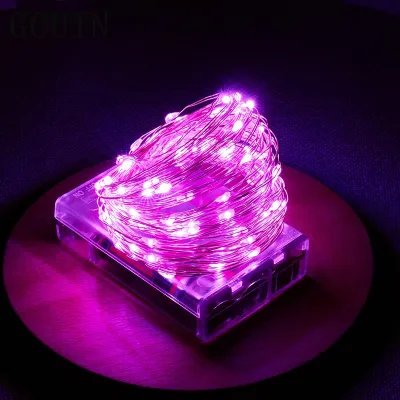
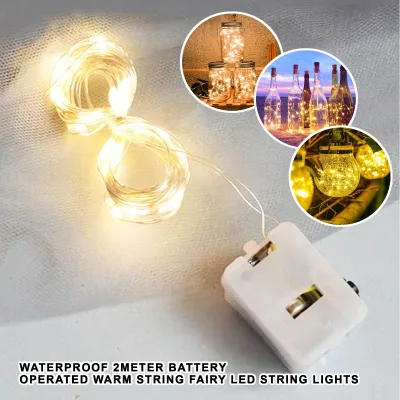
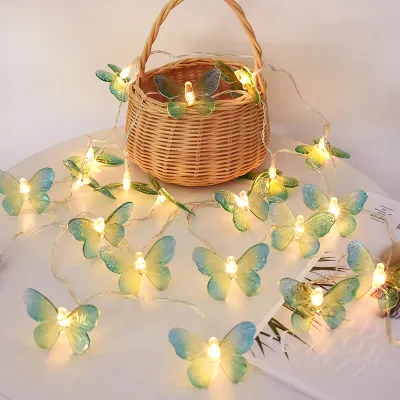
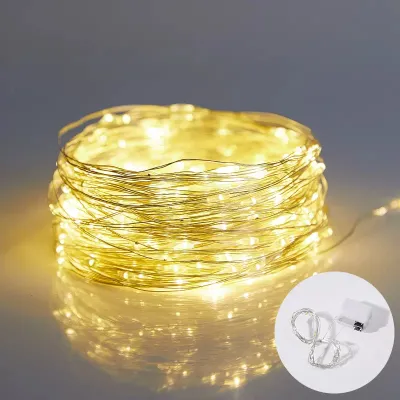
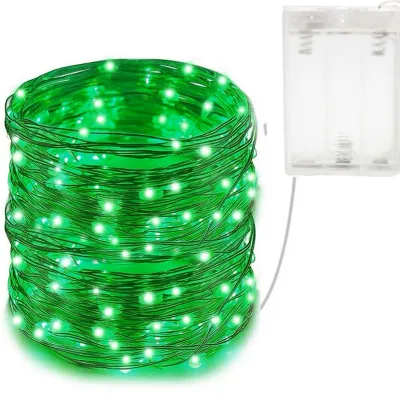
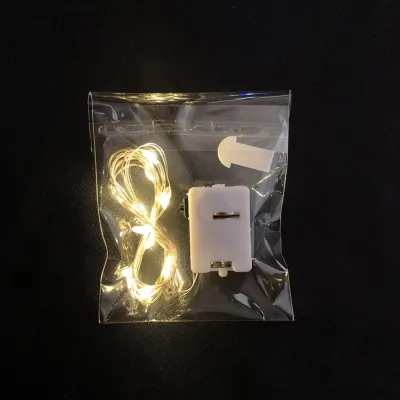
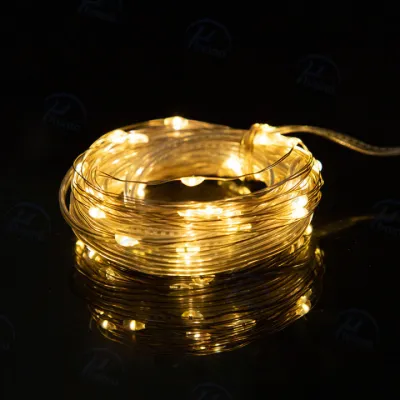
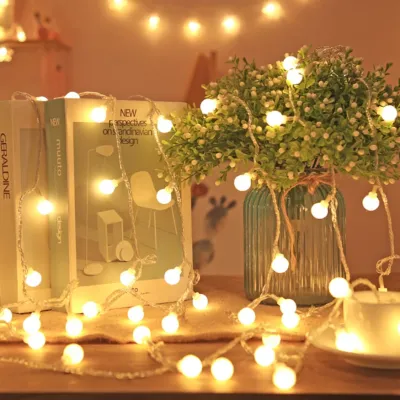
Prices are valid at publication and may change. Please refer to the product page for the latest price.
Understanding IP Ratings for Rain and Humidity
The Ingress Protection (IP) rating is an international standard that defines how sealed an electrical enclosure is against solids and liquids. When shopping for outdoor fairy lights, you will commonly encounter three ratings: IP44, IP65, and IP67. An IP44 rating indicates protection against splashing water from any direction, making it suitable only for covered outdoor areas like verandas or deep eaves. IP65-rated products are dust-tight and protected against water jets, which is the minimum standard required for lights fully exposed to heavy tropical downpours. IP67-rated lights can withstand temporary submersion in water, offering the highest level of protection for ground-level installations where puddles may form.
A critical safety and performance distinction to keep in mind is that manufacturers often apply different IP ratings to the light string and the battery box. While the LED string itself is frequently rated IP65 or IP67, the accompanying battery compartment is often only rated IP44 or left completely unrated. Always verify the individual rating of the battery box before purchase. If the battery box is not rated at least IP65, it must be housed in a secondary weatherproof enclosure or placed in a fully sheltered location to prevent water ingress and subsequent electrical shorting.
Battery Types and Lifespan in Tropical Heat
The choice of power source directly impacts both the operational lifespan of your fairy lights and the frequency of maintenance. Standard AA or AAA alkaline batteries are widely available and cost-effective for short-term seasonal displays, but they are highly susceptible to leakage when exposed to high ambient temperatures. Under the intense Philippine sun, the internal temperature of a plastic battery box can easily exceed 40 degrees Celsius, accelerating chemical degradation and causing alkaline cells to release corrosive potassium hydroxide, which permanently ruins the metal terminals.
Rechargeable lithium-ion battery packs offer a more sustainable, high-capacity alternative, performing better under temperature fluctuations and providing a stable voltage output. However, whether you choose alkaline or rechargeable lithium systems, the physical design of the battery box is paramount. Look for heavy-duty plastic enclosures equipped with thick, integrated rubber or silicone gaskets, secure screw-down closures, or heavy-duty snap-latches. These features prevent moisture from seeping into the compartment, protecting the internal contact springs from rust and electrochemical corrosion.
Wire Materials: Copper, PVC, and Silicone
The conductive wire connecting your LEDs is constantly subjected to physical tension, moisture, and ultraviolet (UV) radiation. Bare copper wire fairy lights are highly popular due to their extreme flexibility and near-invisible profile when wrapped around foliage. However, bare copper must be coated with a high-quality, clear protective lacquer or polymer layer. Without this micro-thin insulation, exposure to humid air and salt spray in coastal regions will cause rapid copper oxidation—visible as a green patina—which weakens the wire and causes electrical failure.
For more permanent outdoor installations, thicker insulated wires are necessary. Polyvinyl chloride (PVC) insulated strings are highly durable and offer excellent structural strength, but standard PVC can become brittle, yellow, and crack after prolonged exposure to intense tropical UV rays. Silicone-coated or double-insulated rubber wires represent the premium choice for outdoor durability. Silicone remains highly flexible across a wide temperature range, does not degrade under direct sunlight, and provides superior water resistance, making it the ideal choice for year-round outdoor exposure in tropical environments.
Best Fairy Light Styles for Your Outdoor Spaces
Matching the physical style of your battery-powered fairy lights to the specific architectural or natural features of your outdoor space ensures both visual harmony and structural safety. Different areas of your home demand distinct lighting distributions, bulb sizes, and mounting strategies.

Patios and Dining Areas: Warm White Globe Lights
Outdoor dining spaces, dirty kitchens, and backyard patios serve as central gathering hubs in Philippine homes. To create a cozy, inviting atmosphere for evening meals and family gatherings, globe-style battery lights—such as G12 (berry-sized) or G40 (larger, traditional globe shapes)—are highly recommended. Opting for a warm white color temperature between 2700K and 3000K provides a soft, relaxing glow. This warm spectrum is also highly practical for outdoor dining, as it is less likely to attract nocturnal insects compared to bright, cool-white light sources.
When planning patio lighting, consider bulb spacing and light output. Because battery-powered systems operate on low voltages (typically 3V to 4.5V), they are designed for ambient accentuation rather than high-intensity task lighting. Space the bulbs roughly 15 to 30 centimeters apart to ensure a continuous, elegant drape of light across your seating area. To maximize battery efficiency and eliminate the chore of manual operation, select models equipped with built-in automatic timers that run on a cycle, such as six hours of illumination followed by 18 hours of standby mode.
Garden Paths and Trees: Flexible Copper Wire and Net Lights
Illuminating garden pathways, mature trees, and tropical foliage requires lights that can conform to organic shapes without damaging the plants. Micro-LED copper wire lights are ideal for wrapping around tree trunks, palm stems, and large potted plants like monsteras or palms. Ensure the copper wire is fully insulated with an outdoor-grade polymer coating to prevent moisture from bridging the circuits. The thin, flexible wire allows you to wrap branches tightly, creating a magical, firefly-like effect.
For dense shrubbery, hedges, or manicured garden beds, wrapping individual branches with single-strand lights can be incredibly tedious. Net lights, which feature LEDs arranged in a flexible, grid-like mesh, solve this problem by allowing you to drape uniform illumination over entire bushes in seconds. Before purchasing, measure the circumference of your trees or the surface area of your hedges. Calculate the required length carefully, keeping in mind that wrapping a tree trunk requires multiplying the trunk’s circumference by the total number of planned vertical wraps to ensure you do not run out of wire mid-project.
Balconies and Railings: Icicle and Curtain String Lights
For urban dwellings, such as high-rise condominiums in Metro Manila or townhouses with elevated verandas, vertical lighting solutions help maximize limited outdoor square footage. Icicle and curtain-style battery lights are designed to hang vertically, creating a cascading waterfall effect when draped along balcony railings, eaves, or window frames. These styles add significant visual depth to concrete structures and can be appreciated from both inside the home and from the street level.
Because balconies are often exposed to high wind speeds, especially during localized afternoon thunderstorms, securing vertical light strings is critical. Avoid letting long strands dangle freely where they can whip violently against building facades, which puts immense mechanical stress on the wire solder joints. Use secure, non-damaging mounting hardware such as UV-stabilized plastic S-hooks, heavy-duty outdoor adhesive clips, or nylon zip ties to anchor both the top support cable and the bottom of the drops, keeping the display straight and structurally stable.
Installation and Maintenance Tips for Long-Lasting Use
Proper installation and proactive maintenance are essential to extend the life of your battery-powered fairy lights and ensure they remain safe to operate. Even high-quality waterproof lights can fail prematurely if subjected to improper physical stress or neglected during severe weather events.
When installing your lights, treat the battery box as the most vulnerable component of the entire system. Even if the manufacturer claims an IP65 rating for the enclosure, always attempt to mount the box in a sheltered location. Position it underneath a roof eave, inside a covered planter, or within a dedicated weatherproof junction box. If no shelter is available, hang the battery box vertically with the cable exit pointing downward; this simple orientation prevents gravity from pulling water directly into the wire entry seal. For added protection during the heavy rains of the wet season, you can place the battery box inside a heavy-duty, UV-resistant zip-top plastic bag, securing the opening tightly around the exiting wire.
Mounting the light strings requires care to avoid damaging the protective insulation. Never use metal staples, nails, or bare wire twists to secure the light strands to wooden posts, fences, or trees. Piercing or crushing the thin plastic or silicone casing exposes the internal copper conductors to air and water, leading to immediate short circuits, rapid corrosion, and potential shock hazards. Instead, utilize UV-stabilized nylon zip ties, plastic mounting clips, or insulated cable staples. Ensure you do not over-tighten the ties; they should hold the wire firmly in place without pinching or distorting the outer protective jacket.
Routine maintenance is the key to preserving your lighting investment year after year. During the height of the monsoon season or when severe weather warnings are active, it is highly recommended to take down your outdoor lights and store them indoors. If the lights must remain outside, always remove the batteries during prolonged periods of non-use. This simple step prevents devastating battery leakage from destroying the internal contact terminals. Additionally, periodically wipe down the light strings with a dry, clean microfiber cloth to remove accumulated dust, dirt, organic debris, and salt residue, which can trap moisture against the wire and accelerate the degradation of the protective coatings.
Before performing any maintenance, cleaning, or repositioning of your lights, always isolate the power by turning the battery switch to the off position or removing the batteries entirely. While low-voltage battery systems (typically operating between 3V and 4.5V) do not pose a severe electrical shock risk to humans, working on live circuits with wet hands or in damp conditions can cause short circuits that permanently damage the LEDs. If you observe any exposed copper, cracked insulation, or signs of melting on the battery box, discontinue use immediately and replace the damaged components.
Frequently Asked Questions (FAQ)
Can I leave battery-powered fairy lights outside in the rain?
You can leave battery-powered fairy lights outside in the rain only if the light string and the battery box carry appropriate waterproof ratings. The light string itself should be rated at least IP65, while the battery box must either be rated IP65 or placed within a fully waterproof, sheltered enclosure. During severe weather events, such as typhoons or prolonged monsoon downpours that pose a risk of localized flooding or submersion, you should always bring the lights indoors to prevent water damage and terminal corrosion.
How long do outdoor battery fairy lights typically last on a single charge?
The operational lifespan of a single set of batteries depends on the battery chemistry, the number of LEDs, and the brightness level of the string. A standard set of three AA alkaline batteries will typically power a 100-LED fairy light string for 40 to 70 hours of continuous use. High-capacity rechargeable lithium battery packs can provide 8 to 12 hours of illumination per charge. To significantly extend battery life, look for light models that feature built-in automatic timers or multi-step dimming functions, which reduce overall power consumption.
Are solar-powered lights a better alternative to battery-operated ones?
Solar-powered lights are an excellent, eco-friendly alternative for outdoor spaces that receive direct, unobstructed sunlight throughout the day. However, their performance drops significantly during the Philippine rainy season when prolonged overcast skies limit solar charging, resulting in dim or short-lived illumination. Battery-powered fairy lights provide consistent, reliable brightness regardless of the weather and offer complete placement flexibility, making them the superior choice for deeply shaded gardens, covered patios, and indoor-outdoor transition zones.

Community discussion
Share your experience or ask a question. Comments are reviewed before publication.