
Decorating the exterior of a home for the holiday season is a cherished tradition in the Philippines, but the tropical climate presents unique challenges for outdoor lighting. High humidity, sudden heavy downpours, and intense daytime heat can quickly degrade substandard decorative lights. Bendable Christmas lights offer the flexibility needed to wrap around palm trees, outline balconies, and shape festive displays, but selecting the right type requires careful attention to material durability and safety standards. By understanding the structural differences and weatherproofing requirements of these flexible lights, you can create a brilliant outdoor display that safely withstands the local elements throughout the festive season.
Types of Bendable Outdoor Christmas Lights
When planning an outdoor holiday display, selecting the appropriate category of flexible lighting is the first step toward a successful installation. Different designs offer varying levels of physical protection, flexibility, and light distribution, making certain types more suitable for specific outdoor applications than others.
Copper wire string lights, often referred to as micro or fairy lights, consist of tiny LED bulbs mounted directly onto thin, bendable copper wires. These lights are highly malleable, allowing them to conform closely to intricate shapes, small branches, or delicate patio railings. However, their thin profile makes them susceptible to physical stress. In areas exposed to strong winds or frequent movement, such as loose tree branches, the delicate copper strands can stretch or snap, leading to circuit failures.
Products mentioned in this guide
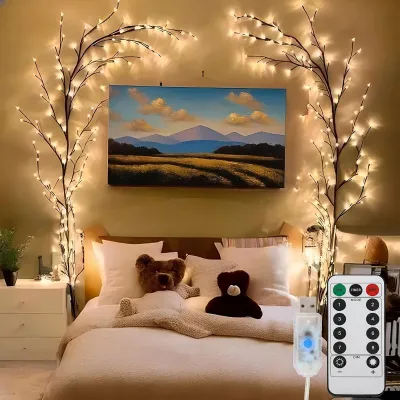
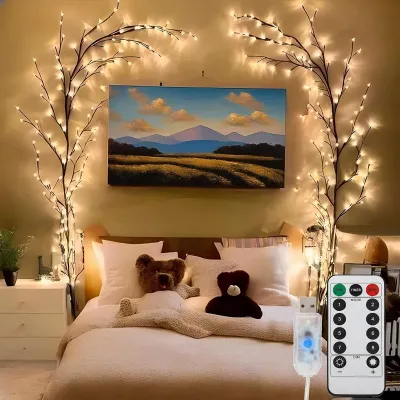
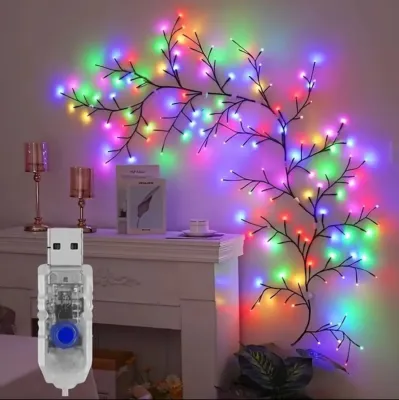
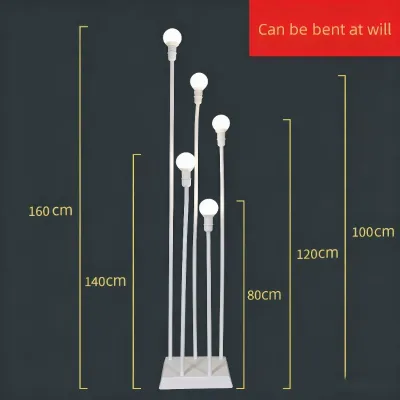
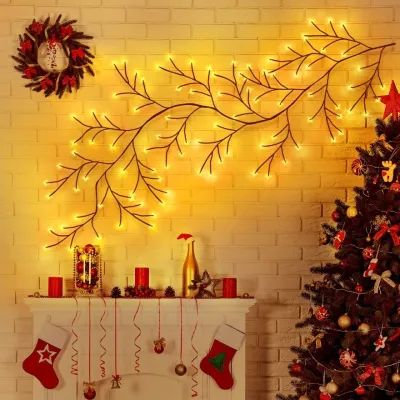
Prices are valid at publication and may change. Please refer to the product page for the latest price.
Silicone rope and tube lights house standard LED strands inside a thick, flexible protective casing made of silicone or plastic. This outer sleeve shields the internal wiring from moisture, dust, and physical impacts, making them significantly more durable than bare wire designs. While they are less pliable than copper wire, they can still bend around columns, thick tree trunks, and structural beams, providing a continuous, diffused line of light that stands up well to outdoor wear.
Flexible LED neon flex represents a more robust category designed to mimic traditional glass neon tubes. These lights utilize a dense arrangement of LEDs encased in a thick, light-diffusing silicone jacket, creating a seamless, uniform glow without visible hot spots. Neon flex has a specific bending radius, meaning it can bend flat along its sides but cannot be twisted sharply in every direction. Because of their weight and structure, they typically require dedicated mounting channels or heavy-duty clips to stay secure.
Regardless of the style you choose, it is essential to verify the manufacturer’s specifications for actual outdoor suitability. Do not assume a light strand is weather-resistant simply because it is made of silicone or plastic; always check the product packaging for explicit outdoor ratings and installation guidelines.
How to Verify Outdoor Durability and Safety Labels
Ensuring your outdoor holiday lights can handle the tropical climate of the Philippines requires verifying their safety and durability ratings before purchase. Electrical components exposed to rain, high humidity, and heat must meet specific standards to prevent short circuits, electrical shocks, or fire hazards.

The primary indicator of weather resistance is the Ingress Protection (IP) rating, which is typically printed on the product packaging or user manual. An IP rating consists of two digits: the first represents protection against solid objects, and the second represents protection against liquids. For outdoor holiday decorations, look for a minimum rating of IP44, which protects against splashing water from any direction. For areas fully exposed to heavy tropical downpours, choosing lights rated IP65 or IP67 provides a much higher level of protection against water penetration.
The power source of your bendable lights also requires careful inspection. If you are using plug-in lights, the transformer or power adapter must be explicitly rated for outdoor use, or it must be housed inside a certified weatherproof enclosure. Solar-powered options eliminate the need for outdoor outlets, but the solar panel assembly and its integrated battery box must carry their own weatherproofing certifications to survive daily exposure to rain and sun.
Examine the physical construction of the light strand, paying close attention to wire gauge and insulation thickness. Thin, poorly insulated wires degrade rapidly when exposed to intense UV rays and high ambient temperatures. Thicker rubber or heavy-duty PVC insulation offers better resistance to environmental wear and tear, preventing the protective coating from cracking and exposing live wires to moisture.
Finally, always verify that the lighting products carry mandatory electrical safety marks required for consumer electronics in the local market. In the Philippines, look for valid Philippine Standard (PS) quality marks or Import Commodity Clearance (ICC) stickers on the packaging. These certifications indicate that the product has undergone safety testing to ensure it complies with national electrical standards, reducing the risk of electrical failures in your home.
Matching Light Styles to Outdoor Decorating Scenarios
Selecting the right bendable light style depends heavily on the specific architectural features or garden elements you plan to decorate. Matching the physical characteristics of the light strand to the installation environment ensures both visual appeal and long-term durability.
For wrapping around tree trunks, branches, and balcony railings, highly flexible options like copper wire lights or thin silicone rope lights are ideal. Their flexibility allows them to hug irregular surfaces tightly. When installing these lights, use non-damaging mounting options such as plastic zip ties or adjustable hook-and-loop straps rather than tight wire ties, which can cut into the tree bark or damage the light insulation over time.
If your goal is to outline rooflines, windows, or garden pathways, you need lights that can maintain straight lines and consistent illumination over long distances. Flexible LED neon flex or thicker silicone tube lights are excellent choices for these applications. Their rigid structure helps them hold their shape against gravity, and they can be mounted using plastic mounting tracks or heavy-duty clips screwed into the fascia boards or window frames.
For creating custom holiday shapes, words, or festive figures on your lawn, look for bendable lights with memory wire or structured neon flex designs. These lights are engineered to retain the shape into which they are bent, allowing you to craft stars, reindeer, or holiday greetings without needing complex external wire frames.
Consider the overall visibility and brightness requirements of your space. Large, open yards or dark garden paths benefit from the high lumen output of LED neon flex or thick rope lights, which remain highly visible from a distance. Conversely, covered patios, balconies, or cozy outdoor seating areas are better suited for the softer, more delicate glow of micro copper wire lights, which create a warm ambiance without overwhelming the space.
Installation and Maintenance Best Practices
Proper installation and regular maintenance are critical to extending the lifespan of your bendable Christmas lights and ensuring the safety of your household. Taking a systematic approach to setup and teardown prevents premature product failure and electrical hazards.
Before beginning any installation, plan your power routing carefully. Always isolate the power supply by unplugging the lights before hanging or adjusting them. Use only outdoor-rated extension cords and connect them to Ground Fault Circuit Interrupter (GFCI) outlets, which automatically shut off power if an electrical fault is detected. To prevent water from entering plug connections, seal all outdoor joints inside weatherproof connection boxes or wrap them with specialized silicone sealing tape.
When securing your lights, avoid using metal staples, nails, or tacks, which can easily pierce the protective insulation and cause short circuits or electrical shocks. Instead, use dedicated plastic mounting clips, outdoor-rated adhesive hooks, or UV-resistant zip ties. If your installation requires working at height, such as hanging lights along the roofline, ensure you use a stable ladder and have an assistant secure the base to prevent falls.
Perform routine inspections of your light strands throughout the holiday season. Check for signs of wear, such as frayed wires, cracked silicone casings, or visible water ingress inside the light tubes. If you notice any damaged sections, turn off the power immediately and replace the affected strand.
When the holiday season ends, take the time to store your lights properly. Avoid pulling or yanking the strands during removal, as this can damage the internal copper connections. Gently coil the lights around a cardboard spool or a dedicated light storage reel to prevent permanent kinks and tangles. Store the lights in a cool, dry indoor location, away from direct sunlight and high humidity, to prevent material degradation before the next festive season.
Frequently Asked Questions (FAQ)
Can I leave bendable Christmas lights outside all year round?
Most bendable Christmas lights are designed for temporary seasonal use rather than permanent outdoor installation. Prolonged exposure to intense tropical sunlight, heavy rain, and high humidity can accelerate the degradation of silicone, copper, and plastic materials, causing them to become brittle, yellow, or crack. To maximize the lifespan of your lights, it is best to take them down after the holiday season. Always check the manufacturer’s guidelines on the product packaging for specific recommendations regarding continuous outdoor exposure limits.
Are solar-powered bendable lights bright enough for large outdoor areas?
Solar-powered bendable lights are highly convenient for areas without easy access to electrical outlets, but they generally offer lower lumen output compared to plug-in alternatives. Their brightness and runtime depend heavily on the solar panel’s exposure to direct sunlight during the day and the capacity of the integrated battery. During the rainy season in the Philippines, overcast skies can limit charging efficiency, resulting in dimmer lights or shorter operating times at night. Solar options are best used for accent lighting, pathway borders, or decorative highlights rather than primary illumination for large open spaces.
How do I fix a bendable light strand if part of it stops working?
If a portion of your light strand fails, start by checking simple external issues, such as loose battery connections, corroded battery contacts, or a tripped GFCI outlet. If the issue is within the wire itself, do not attempt to cut, splice, or repair sealed waterproof segments, as this compromises the weatherproofing and creates severe safety risks, including electrical shock or fire. If a sealed outdoor light strand is damaged or has a failed internal circuit, safely dispose of the product in accordance with local electronic waste guidelines and replace it with a certified new strand.

Community discussion
Share your experience or ask a question. Comments are reviewed before publication.