
Quick Guide: What to Look for in Capiz Solar Pathway Lights
Capiz shells, harvested from the windowpane oyster (Placuna placenta), are celebrated for their natural, pearlescent translucence and deep connection to traditional Philippine craftsmanship. When paired with modern solar technology, these shells create gorgeous, eco-friendly outdoor lighting that elevates garden pathways. However, selecting the right capiz solar lantern requires balancing aesthetic charm with practical durability.
When shopping for pathway illumination, you will primarily find three installation styles: hanging lanterns, ground-stake lights, and freestanding fixtures. Because the Philippine climate presents intense tropical heat, high humidity, and torrential monsoon rains, the single most critical specification to verify is the weatherproofing. Look for fixtures with an Ingress Protection (IP) rating of at least IP44 and ensure the capiz shells are treated with a specialized, UV-resistant protective coating. Untreated indoor-grade capiz will rapidly degrade, turn yellow, and crack when exposed to the outdoor elements.
The Appeal of Capiz Solar Lights for Tropical Gardens
Integrating capiz solar lanterns into your outdoor space brings a unique, resort-like elegance that synthetic materials simply cannot replicate. The natural composition of the capiz shell diffuses light softly, eliminating the harsh glare often associated with modern LED fixtures. Instead, it casts a warm, romantic glow that highlights the lush textures of tropical foliage, such as ferns, palms, and ornamental broadleaf plants. This organic diffusion creates a welcoming, serene ambiance that is perfect for evening walks and outdoor gatherings.
Products mentioned in this guide
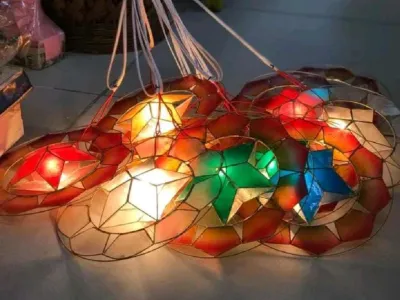
Prices are valid at publication and may change. Please refer to the product page for the latest price.

From a practical standpoint, solar-powered pathway lights offer significant advantages in a tropical climate. Installing traditional wired lighting often requires extensive trenching, which can disrupt established root systems and damage mature garden layouts. Furthermore, the heavy rains and occasional localized flooding common during the Philippine wet season pose safety hazards for low-voltage electrical systems. Solar lanterns operate on self-contained, low-voltage DC power, eliminating the risk of electrical shocks, short circuits, or ground faults. They charge automatically during the day and illuminate at dusk, providing a safe, low-maintenance, and energy-efficient lighting solution that respects both your garden’s design and your utility budget.
How to Choose Durable Capiz Solar Lanterns
Selecting outdoor lighting that can withstand the elements requires a close look at material science and electrical specifications. Because capiz is an organic material, its longevity depends heavily on the quality of its construction and the technology housing it.
Weatherproofing and Material Treatment
The primary challenge of using capiz shells outdoors is their vulnerability to moisture and solar radiation. Raw capiz consists of calcium carbonate and delicate organic binders. When exposed to constant humidity and rainwater, these organic layers can absorb moisture, leading to delamination, mold growth, and structural failure. To prevent this, verify that the manufacturer has treated the shells with a high-quality, UV-stabilized resin or marine-grade polyurethane coating. This protective layer seals the pores of the shell, preventing water absorption and shielding it from yellowing under the intense tropical sun.
Equally important is the Ingress Protection (IP) rating of the electrical housing. The IP rating consists of two digits: the first indicates protection against solid objects, and the second indicates protection against liquids. For outdoor pathway lights, look for a minimum rating of IP44, which ensures protection against splashing water from any direction. If your pathway is completely unsheltered and exposed to heavy monsoon downpours, look for an IP65 rating, which signifies complete dust tightness and protection against water jets. Avoid using any capiz decor labeled for indoor use only, as it lacks these essential seals and will quickly deteriorate.
Solar Panel Efficiency and Battery Type
To ensure your lanterns remain illuminated throughout the night, pay close attention to the solar panel and battery specifications. Solar panels are generally categorized as monocrystalline or polycrystalline. Monocrystalline panels are highly recommended for the Philippine climate because they offer superior efficiency (typically 15% to 20%) and perform better under diffuse light or partial shade. This ensures that your lanterns can still gather a reasonable charge even during consecutive overcast or rainy days during the monsoon season.
When evaluating the battery, check the chemistry, voltage, and accessibility. Most solar pathway lights utilize either Nickel-Metal Hydride (NiMH) or Lithium-ion (Li-ion) rechargeable batteries, typically operating at 1.2V to 3.7V. NiMH batteries are highly stable and perform well across temperature fluctuations, while Li-ion batteries offer higher energy density and longer runtimes. Crucially, verify that the battery compartment is easily accessible and sealed with a durable rubber gasket. Avoid fixtures with sealed, non-replaceable batteries; once the battery naturally degrades after a year or two of charge cycles, the entire lantern becomes obsolete. Opting for replaceable batteries significantly extends the product’s lifespan.
Brightness, Color Temperature, and Placement
Because capiz is a natural, semi-opaque material, it acts as a heavy light diffuser. This means that a significant portion of the light emitted by the internal LED is absorbed or scattered by the shell. While a standard clear glass pathway light might only require 10 to 20 lumens to guide your steps, a capiz lantern may need an LED light source rated at 30 to 50 lumens to achieve equivalent ground-level visibility. Keep in mind that decorative style and light diffusion are subjective preferences; if your primary goal is high-intensity security lighting, capiz may not be the ideal primary source.
For color temperature, warm white light ranging from 2700K to 3000K is highly recommended. This temperature range enhances the natural golden, cream, and amber undertones of the capiz shell, creating a cozy, traditional aesthetic. Cool white light (5000K or higher) should be avoided, as it can make the natural shells appear sterile, cold, and bluish-gray. When planning your layout, space your lanterns approximately 1.2 to 1.8 meters (4 to 6 feet) apart. This spacing ensures a continuous path of light, eliminating dark spots while preventing overlapping glare that can detract from the garden’s natural beauty.
Recommended Capiz Solar Lantern Styles for Pathways
Choosing the right style of capiz solar lantern depends heavily on your pathway’s layout, surrounding vegetation, and exposure to the elements. Here is an evaluation of the three primary styles suitable for Philippine gardens.
Hanging Capiz Lanterns for Tree-Lined or Covered Paths
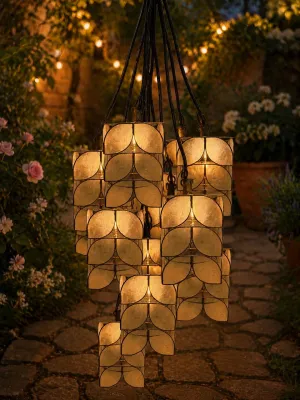
Hanging capiz lanterns are designed to be suspended from overhead structures, such as the branches of mature trees (like calachuchi, mango, or frangipani), garden pergolas, trellises, or patio eaves. These fixtures create a beautiful, elevated lighting effect, casting dappled patterns on the ground below. They often feature delicate, multi-tiered shell arrangements that catch the evening breeze, producing a gentle, soothing clinking sound.
However, hanging fixtures introduce specific structural and safety considerations. Because they are suspended loads, you must ensure they are mounted securely to prevent falling hazards. Always use rust-resistant stainless steel (grade 304 or 316) hanging hooks, heavy-duty chains, or UV-treated nylon cords. If you are installing them under a covered patio or eaves where fixed wiring might be nearby, ensure complete power isolation of any existing electrical lines before installation, and follow the manufacturer’s instructions precisely. The primary drawback of hanging capiz lanterns is their vulnerability to high winds. During severe tropical storms or typhoons, the delicate shells can clash violently, leading to chipping or breakage. It is highly recommended to choose models that are easy to unhook so you can quickly bring them indoors when storm warnings are raised.
Ground-Stake Capiz Lights for Garden Borders
Ground-stake lanterns are the most common choice for lining the immediate edges of garden walkways, flower beds, and lawn borders. These lights feature a mounting stake that is pushed directly into the soil, with the capiz-shielded light fixture positioned at the top. This style is exceptionally easy to install and reposition as your garden grows and changes.
When choosing ground-stake lights, pay close attention to the construction materials of the stake and shaft. Avoid cheap, thin steel or brittle plastics that can bend, rust, or crack when pushed into hard clay soil or exposed to intense tropical heat. Instead, look for powder-coated aluminum, stainless steel, or heavy-duty ABS plastic stakes. Ground-level fixtures are highly susceptible to splashing mud, pooling water, and accidental impacts from lawnmowers or weed trimmers. To protect the delicate capiz elements, select designs where the shell housing is elevated at least 30 to 45 centimeters (12 to 18 inches) above the ground. This elevation keeps the shells clean and reduces the risk of moisture-related damage from wet grass.
Freestanding Capiz Lanterns for Steps and Entryways
Freestanding capiz lanterns are larger, self-supporting fixtures designed to sit directly on flat surfaces, such as concrete steps, stone pavers, low retaining walls, or patio floors. These lanterns often feature architectural, geometric shapes—such as obelisks, cylinders, or columns—and serve as striking visual anchors at pathway intersections, entryways, or transition zones.
Because they have a larger physical footprint, freestanding lanterns can accommodate larger solar panels and higher-capacity batteries, resulting in brighter light output and longer runtimes. However, their stability relies entirely on their base design. To prevent them from tipping over during sudden gusts of wind, choose models with a wide, weighted base, or secure them to the surface using outdoor-grade mounting brackets or heavy-duty double-sided exterior tape. Ensure that the placement of these lanterns does not obstruct the walking path or create a tripping hazard, especially on steps or narrow walkways.
How to Maintain Capiz Outdoor Lighting Year-Round
Proper maintenance is essential to preserve both the natural beauty of the capiz shells and the operational efficiency of the solar components. Implementing a regular care routine will protect your investment from the harsh tropical climate.
First, establish a gentle cleaning schedule for the capiz shells. Every two to three months, wipe the shells down with a soft, lint-free microfiber cloth dampened with clean water and a drop of mild, pH-neutral dish soap. Never use abrasive scrubbers, steel wool, or harsh chemical cleaners containing bleach, ammonia, or vinegar. These substances can strip away the protective resin coating and dissolve the calcium carbonate structure of the shells, leaving them dull, brittle, and prone to cracking. After cleaning, allow the shells to air dry completely in a shaded area.
Second, keep the solar panels clean to maintain optimal charging efficiency. Dust, pollen, bird droppings, and mineral deposits from dried rainwater can form a cloudy film over the glass cover of the solar panel, blocking sunlight and reducing power output by up to 25%. Wipe the panel surface gently with a damp cloth every few weeks. Do not use high-pressure water hoses, as the force can breach the waterproof seals of the electrical housing.
Third, practice proactive storm care. The Philippines experiences numerous typhoons annually. When PAGASA issues tropical cyclone warnings, take a few minutes to dismantle your hanging and freestanding capiz lanterns and store them in a secure, indoor location. While ground-stake lights are lower to the ground, they can also be pulled up and stored if severe flooding or high winds are expected.
Finally, inspect the electrical components annually. Carefully open the battery compartment to check for signs of moisture ingress, rust, or white powdery battery corrosion. If you notice any corrosion, clean the metal contacts gently with a dry cotton swab or a small piece of fine sandpaper. If the light’s runtime has significantly decreased—even after a full day of direct sunlight—it is time to replace the rechargeable batteries. Always replace them with batteries of the exact same chemistry, voltage, and capacity specifications recommended by the manufacturer.
Frequently Asked Questions (FAQ)
Can genuine capiz shells survive the Philippine rainy season?
Yes, genuine capiz shells can survive the Philippine rainy season, but only if they have been specifically manufactured and treated for outdoor use. Outdoor-rated capiz lanterns are sealed with a thick, protective layer of UV-stabilized resin or marine-grade polyurethane that prevents water from penetrating the porous shell material. If the shells are untreated or labeled for indoor use only, they will quickly absorb moisture, leading to mold growth, delamination, and structural failure. Always verify the manufacturer’s outdoor rating and IP certification before installation.
Do capiz solar lanterns provide enough light for safe walking?
Capiz solar lanterns are primarily designed for decorative and ambient lighting rather than high-intensity illumination. Because the natural shell is semi-opaque, it diffuses and softens the light output, which reduces the overall ground-level brightness. While they are excellent for marking the boundaries of a pathway and creating a warm, inviting atmosphere, they may not provide sufficient light for dark, uneven paths with tripping hazards. For maximum safety, consider layering your lighting by pairing capiz lanterns with dedicated, high-lumen directional path lights or spotlights.
How do I prevent the solar battery from dying quickly?
To maximize the lifespan and daily runtime of your solar battery, ensure that the solar panel is installed in a location that receives at least six hours of direct, unshaded sunlight daily. Avoid placing the lanterns under dense tree canopies or the shadow of your house. Regularly clean the solar panel to remove dust and debris that block sunlight. Additionally, keep in mind that all rechargeable batteries naturally degrade over time; plan to replace the internal NiMH or Li-ion batteries every 12 to 24 months to maintain optimal performance.

Community discussion
Share your experience or ask a question. Comments are reviewed before publication.