
Choosing the right ceiling light for bedroom spaces is essential for creating a restful sanctuary. The ideal color temperature for bedroom recessed panel lights to support better sleep is warm white, specifically between 2700K and 3000K. This warm range mimics the natural amber tones of sunset, signaling to your brain that it is time to wind down.
Cooler temperatures, such as daylight or cool white (4000K to 6500K), emit blue-rich light that can interfere with your body’s natural melatonin production. This makes it much harder to fall asleep after a long day. When searching for the perfect celling light for bedroom use, understanding how light color affects your body is the first step to a better night’s rest.
Decoding Color Temperature on Light Packaging
To find the right light, you need to understand the Kelvin (K) scale, which measures color temperature. This scale typically ranges from 1000K to 10000K for residential lighting. Lower numbers represent warmer, more yellow or amber light, while higher numbers indicate cooler, bluer light.
Products mentioned in this guide
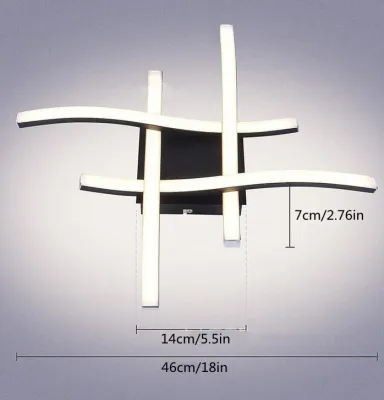
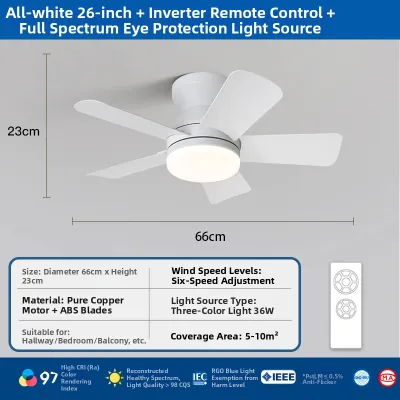
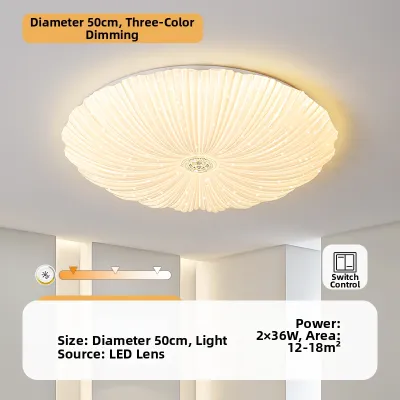
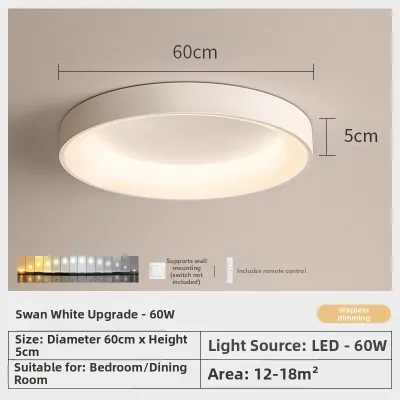

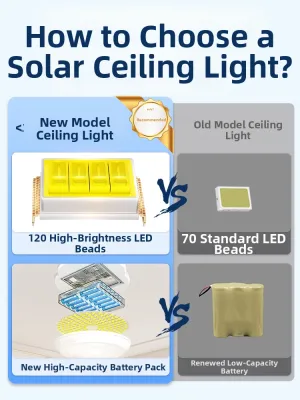
Prices are valid at publication and may change. Please refer to the product page for the latest price.
When shopping for a ceiling light for bedroom ceilings, look at the product packaging or online specifications. Manufacturers usually print the Kelvin rating clearly on the box, often accompanied by terms like “Warm White,” “Cool White,” or “Daylight.” You will typically find this information in the technical specifications table or near the wattage rating.
Selecting a recessed panel light with a rating of 2700K to 3000K ensures your bedroom remains a cozy environment. If you accidentally purchase a 6500K panel, the light will feel clinical and bright, similar to an office or hospital corridor. This harsh illumination is highly counterproductive for sleep preparation.
Warm vs. Cool White: Setting the Right Bedroom Mood
Warm white light plays a crucial role in preparing your mind and body for sleep. In the evening, soft, warm illumination helps lower your alertness levels and encourages relaxation. This makes it much easier to transition from active evening chores to a peaceful sleep state.

Cool white or daylight temperatures are designed for high-focus areas like kitchens, home offices, or laundry rooms. These higher Kelvin lights stimulate attention and keep you awake. Using them in the bedroom, especially late at night, can disrupt your circadian rhythm and leave you tossing and turning.
However, your bedroom might serve multiple purposes, such as reading, dressing, or studying. If you use your bedroom for tasks during the day, you might prefer a slightly neutral white light around 3500K or 4000K, or you can use layered lighting to separate task areas from sleeping zones. Your personal preference and how you use the space will ultimately guide your decision.
When evaluating lights that claim to support sleep or circadian health, always check the manufacturer’s documentation. Look for clear specifications rather than vague marketing promises to ensure the product actually meets your lighting needs.
Beyond Color: Other Specs for Comfortable Bedroom Lighting
While color temperature is vital, other technical specifications directly impact your visual comfort. Dimmability is one of the most important features to look for. Being able to lower the light levels in the evening helps ease your eyes into darkness, so ensure your chosen recessed panel is fully dimmable.
Another key metric is the Color Rendering Index (CRI), which measures how accurately a light source reveals the true colors of objects. A CRI of 80 or higher is recommended for bedrooms, ensuring your clothes, paint, and decor look natural and vibrant rather than washed out.
Physical design also affects comfort. Look for recessed panel lights with deep-set designs or anti-glare diffusers. These features prevent the light from shining directly into your eyes when you are lying down in bed, reducing eye strain and discomfort.
Finally, always verify the physical and electrical compatibility of the fixtures. In the Philippines, standard residential voltage is 220V, so ensure your recessed panels are rated accordingly. You must also measure your ceiling cavity depth to ensure the recessed housing fits safely without contacting insulation or structural beams. For any complex wiring or ceiling modifications, always isolate the power and consult a qualified electrician.
Planning a Sleep-Friendly Bedroom Lighting Layout
A successful bedroom lighting plan relies on layers rather than a single, bright overhead source. You can combine general recessed panel lights for overall illumination with localized task lights, such as bedside reading lamps or under-cabinet wardrobe lighting. This allows you to turn off the main ceiling lights as bedtime approaches.
If you want maximum flexibility, consider tunable white or smart LED recessed panels. These systems allow you to adjust the color temperature from cool white during the day to warm amber at night. Before purchasing, verify that these smart fixtures are compatible with your existing home network and wall switches.
When mapping out your ceiling layout, avoid placing recessed panels directly over the head of the bed. Instead, position them around the perimeter of the room or over walkways. This simple adjustment keeps the light source out of your direct line of sight when you are resting, helping you maintain a calm, sleep-ready environment.
Frequently Asked Questions (FAQ)
Can I change the color temperature of my existing recessed panel lights?
Standard fixed-temperature LED recessed panels cannot change their color temperature once installed. If you want to adjust the warmth of your light, you will need to replace the entire fixture or the LED driver if it is designed for that purpose.
However, some modern recessed panels feature a Correlated Color Temperature (CCT) switch on the back of the fixture. This physical toggle allows you to select between warm, neutral, or cool white before you push the light into the ceiling cavity. Check the product specifications before buying to see if your chosen model includes this convenient feature.
Do I need a special dimmer switch for LED recessed panel lights?
Yes, LED recessed panel lights typically require a dimmer switch specifically designed for LED technology, often labeled as an ELV (electronic low voltage) or trailing-edge dimmer. Using an older dimmer designed for incandescent bulbs can cause the LEDs to flicker, buzz, or fail prematurely.
Always check the manufacturer’s compatibility sheet for both the recessed panel light and the dimmer switch. Ensuring that the two components are certified to work together will prevent electrical noise and guarantee smooth dimming down to low light levels.

Community discussion
Share your experience or ask a question. Comments are reviewed before publication.