
Adding a personalized glow to your living space is one of the most effective ways to make a house or condo feel like a true home. In the Philippines, where urban condo living and highly personalized room aesthetics are rapidly growing trends, a custom name led light has become a go-to decor piece. These vibrant, energy-efficient light installations allow you to display your name, a family surname, or an inspiring word in brilliant color, serving as both a striking focal point and a functional ambient nightlight.
Whether you are designing a cozy bedroom in Manila, a minimalist studio apartment, or a colorful nursery, finding the right custom lighting setup requires balancing aesthetics with technical safety. Because these pieces are custom-made, understanding the materials, electrical requirements, and installation methods before you order ensures your investment looks stunning and operates safely for years to come. This comprehensive guide details everything you need to know about selecting, verifying, and installing the perfect custom name LED light for your space.
How to Choose a Custom Name LED Light for Your Room
Selecting the perfect custom name led light involves more than simply picking your favorite color and typing out your name. Because these pieces are handcrafted to order, you must evaluate several technical and design specifications to ensure the final product fits your physical space and matches your room’s existing aesthetic.
Products mentioned in this guide
![[LARGE] 91.5CM 0-9 A-Z Letter LED Light 3D Alphabet Lamp Name Personalized Party Needs for Birthday Valentines Decor](https://img.lazcdn.com/g/p/4b00ffcca1adf70a7a37ec1a8dcb7515.jpg_400x400q80.jpg_.webp)
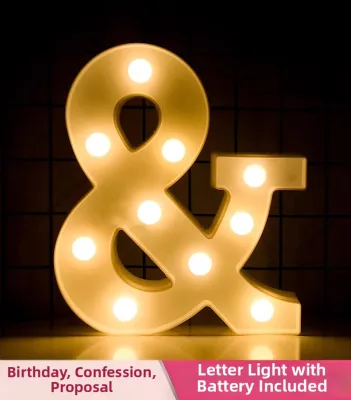
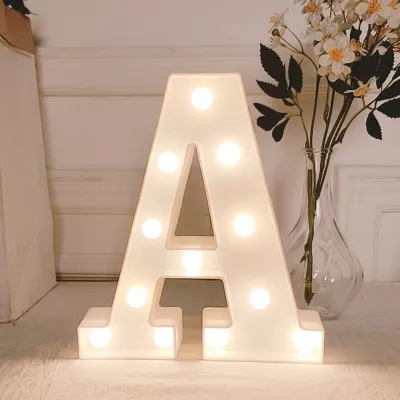
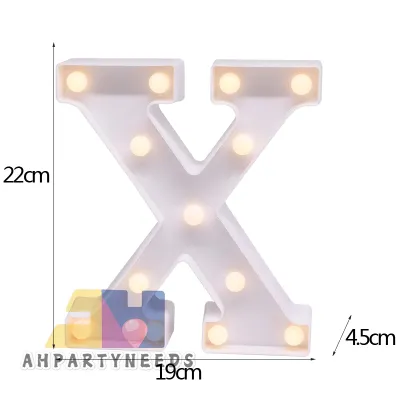
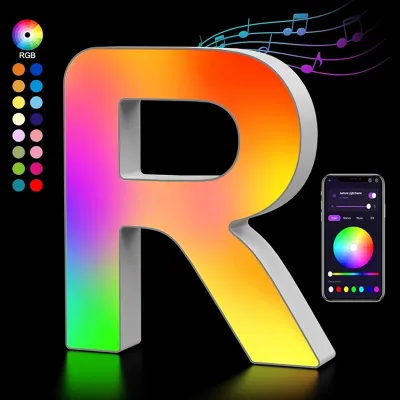
Prices are valid at publication and may change. Please refer to the product page for the latest price.
Measuring Your Wall Space Accurately
Before placing an order with a custom maker, you must measure the physical wall area where the sign will hang. A common design mistake is choosing a sign that is either too small, making it look lost on a large wall, or too large, which can overwhelm the room and cause uncomfortable glare.
- For placement above a bed: Measure the width of your headboard. A well-balanced custom sign should ideally span 50% to 70% of the headboard's total width. For a standard queen-size bed (60 inches wide), a sign width between 30 and 42 inches provides an aesthetically pleasing balance.
- For placement above a desk or vanity: Align the sign with the width of the desk. Keep the sign slightly narrower than the furniture below it to maintain a clean, structured look.
- Determining height: Consider the vertical clearance. Ensure there is at least 12 to 18 inches of space between the top of your furniture and the bottom of the sign to prevent accidental bumps.
Font Selection and Readability
The font you select dictates how the LED strip is bent, cut, and mounted onto the backing material. Custom makers generally categorize fonts into two main styles, each offering distinct visual and structural characteristics:
- Cursive and Script Fonts: These fonts feature flowing, continuous lines that mimic handwriting. They are highly popular for custom name signs because the flexible LED silicone tubing can bend smoothly along the curves, resulting in fewer joints and a seamless look. However, ensure the letters are not too tightly spaced, as high-intensity light can cause overlapping letters to blur together when viewed from a distance.
- Block and Sans-Serif Fonts: These fonts use clean, straight lines and sharp angles. They are exceptionally easy to read and work perfectly for modern, industrial, or gaming-themed rooms. Because block letters require precise cuts and individual wiring connections between separate strokes, they often involve more manual labor and may carry a slightly higher price point.
Electrical Compatibility in the Philippines
Electrical safety is paramount when introducing new lighting fixtures into your home. In the Philippines, the standard household electrical grid operates at 220V AC at 60Hz. Most custom LED name signs run on a low-voltage 12V DC system to ensure they remain cool to the touch and safe for indoor use. This means your sign will require an external power adapter (often called a desktop power supply or power brick) to step down the voltage from your wall outlet.
When ordering, you must explicitly verify that the included power adapter supports an input voltage of 220V (ideally a wide range adapter rated for 100V–240V) and features a local plug type compatible with Philippine outlets. The most common plug configurations in local homes are Type A (two flat parallel pins) and Type B (two flat pins with a round grounding pin). Verifying these details beforehand prevents the need to use bulky, unsafe universal adapters or voltage converters that can degrade over time.
Evaluating LED Strip Quality and Density
Not all flexible LED strips are created equal. The overall visual appeal of your custom name sign depends heavily on the density of the light-emitting diodes inside the silicone sleeve. Lower-quality signs often use low-density LED strips, which create a distracting “dotted” or pixelated appearance where individual light points are visible through the casing.
For a premium, neon-like glow, ask the manufacturer if they use high-density LED strips (typically 120 LEDs per meter or higher). High-density strips ensure the light is distributed uniformly along the entire length of the silicone tubing, providing a smooth, continuous line of light without dark spots, even at tight bends and corners.
Top Styles of Custom Name LED Signs to Consider
Custom LED name signs come in several distinct design styles, each offering a unique aesthetic vibe and structural build. Understanding these styles allows you to select a piece that complements your interior design theme, whether you prefer a sleek modern look, a warm rustic feel, or a bold vintage statement.

Acrylic-Backed Flexible Neon Signs
This style is the modern evolution of traditional glass neon. It features flexible silicone LED neon tubes precisely bent and mounted onto a supportive acrylic backboard. This design has quickly become the most popular choice for bedrooms, living areas, and home offices due to its versatility and durability.
- Construction and Safety: Unlike traditional glass neon, which is highly fragile, operates on high voltage, and can emit a faint buzzing sound, flexible LED neon is virtually silent, shatterproof, and remains cool to the touch even after hours of continuous use.
- Backboard Options: The acrylic backing is typically offered in clear, mirrored, or solid colored finishes. Clear acrylic is highly recommended because it allows your wall color or wallpaper pattern to show through, making the illuminated name appear as if it is floating in mid-air.
- Cut Style: You can choose to have the acrylic backboard cut in a solid rectangular block, contoured closely to the shape of the letters (cut-to-shape), or hollowed out. A cut-to-shape backing offers the cleanest, most minimalist look on bedroom walls.
Wood-Base LED Name Signs
If you want to avoid the intense brightness of neon and prefer a softer, more organic aesthetic, a wood-base LED name sign is an excellent alternative. This style is incredibly popular for nurseries, kids’ bedrooms, and Scandinavian-style study areas.
- Construction: These signs typically feature a base made from natural wood (such as pine, rubberwood, or acacia) or high-quality medium-density fiberboard (MDF). The name is either precision-carved directly into the wood with LED strips embedded inside the channels, or 3D acrylic letters are mounted onto a wooden backplate with backlighting that casts a soft halo effect.
- Ambient Glow: Because the light is often diffused through acrylic or bounced off the wooden surface, it produces a warm, gentle glow. This makes it highly suitable as a comforting nightlight that won't disrupt sleep patterns.
- Tropical Climate Consideration: Due to the high humidity levels in the Philippines, unsealed wood can warp, crack, or develop mold over time. When choosing this style, ensure the manufacturer uses wood that has been properly kiln-dried and finished with a protective sealant or varnish to resist moisture damage.
3D Marquee Letter Lights
For those who love vintage charm, retro aesthetics, or industrial design, 3D marquee letter signs offer a bold, tactile alternative to flat wall signs. Inspired by classic Broadway and Hollywood theater signs, this style adds depth and texture to any space.
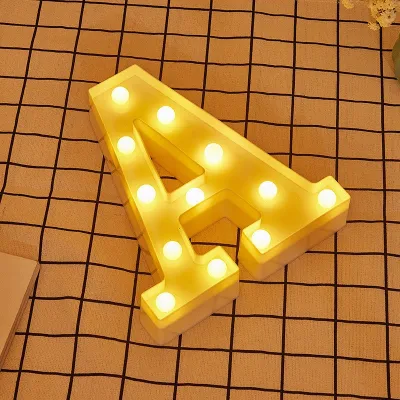
- Design and Structure: These signs consist of individual, three-dimensional block letters constructed from metal or sturdy plastic. Inside the hollow channel of each letter, small, round LED bulbs (often designed to look like classic incandescent globes) are spaced evenly to spell out the name.
- Shadows and Depth: Because these letters have significant physical depth (typically 2 to 4 inches), they cast dramatic, interesting shadows on the wall behind them, creating a dynamic visual effect.
- Placement Recommendations: Due to their weight and thickness, 3D marquee letters are often best suited for display on flat surfaces like floating shelves, dressers, or entertainment consoles rather than direct wall mounting. They serve as fantastic statement pieces in gaming rooms, home theaters, or creative studio spaces.
What to Verify When Ordering from Online Makers
Because a custom name sign is made specifically for you, it cannot easily be returned or exchanged if there is a mistake. Navigating online custom orders requires a diligent approach to ensure the final product matches your expectations and arrives safely at your doorstep.
- Request and Review a Digital Mockup: Never finalize an order without seeing a digital proof. A reputable maker will provide a digital mockup showing the exact font, spelling, dimensions, wire exit point, and acrylic backing shape. Double-check the spelling of the name carefully. Look at the proportions—sometimes a short name can look overly stretched if forced into a wide layout, while a long name might look cramped.
- Inquire About the Warranty Policy: The most vulnerable part of any LED sign is not the light strip itself, but the electrical components, specifically the 12V power adapter and the inline controller or dimmer switch. Ask the seller if they offer a warranty on these electrical parts. A standard warranty of 3 to 6 months provides peace of mind against premature component failure caused by manufacturing defects.
- Analyze Customer Reviews and Real Photos: Do not rely solely on the polished promotional photos displayed on the seller's storefront. Scroll down to the customer review section and look closely at photos uploaded by previous buyers in the Philippines. This allows you to assess the real-world brightness of the colors, the neatness of the silicone glue joints, and whether the backing material appears sturdy or flimsy.
- Clarify Shipping and Protective Packaging: Acrylic is prone to cracking or snapping if subjected to rough handling during transit. This is especially critical if your sign is being shipped from Manila to provincial areas in Visayas or Mindanao. Confirm with the seller that they use robust protective packaging, such as custom-cut foam inserts, thick bubble wrap, and rigid cardboard boxes or wooden crates, to safeguard the sign during delivery.
Safe Installation Guide for Condo and Bedroom Walls
Once your custom name LED light arrives, installing it correctly is key to ensuring it remains securely mounted without damaging your walls. This is particularly important for renters living in Philippine condominiums, where drilling holes into concrete walls can lead to disputes with property management or deductions from security deposits.
Using Damage-Free Adhesive Mounts
For lightweight acrylic-backed signs, you can avoid drilling entirely by using heavy-duty, damage-free adhesive strips (such as command strips or mounting tapes designed for indoor use).
- Weight Capacity: Check the weight of your sign first. Most small-to-medium acrylic signs weigh less than 2 kilograms, which is well within the limit of premium adhesive strips.
- Wall Preparation: Clean the target wall surface thoroughly using a clean cloth dampened with rubbing alcohol (isopropyl or ethyl). Avoid using household surface cleaners, as they can leave a slippery residue. In our humid tropical climate, dust and moisture on the wall will severely weaken the adhesive bond, causing the sign to fall over time.
- Application and Curing: Apply the adhesive strips to the flat areas of the acrylic backing, press the sign firmly against the wall for 30 seconds, and then—if using separable hook-and-loop strips—gently remove the sign and let the wall-side adhesives cure for a full 24 hours before hanging the sign's weight back up. This curing process is essential to establish a reliable bond.
- Wall Type Warning: Adhesive strips work best on smooth, painted drywall or flat wood panels. If your condo has textured plaster walls, rough concrete, or peeling paint, adhesives may not hold securely, and mechanical mounting will be required.
Mechanical Mounting for Heavy Signs
If your custom sign is large, features a heavy wooden base, or consists of heavy 3D marquee letters, mechanical mounting using screws and wall anchors is the safest option to prevent the sign from falling and shattering.
- Locating Studs or Using Anchors: If mounting on drywall, try to secure at least one screw into a wall stud. If mounting directly into concrete or hollow block walls (common in Philippine condo construction), you must use a masonry drill bit to create pilot holes, insert plastic wall anchors (tox plugs), and then drive the screws in. This ensures the wall can support the weight of the sign indefinitely.
- Using Stand-Off Screws: Many premium custom signs come with metallic stand-off screws. These elegant fasteners hold the acrylic sign about an inch away from the wall, creating a beautiful dimensional shadow effect behind the sign.
Neat Cable Management
A beautiful light installation can be visually ruined by a messy, dangling black power cord. Implementing simple cable management techniques keeps your space looking polished and prevents accidental tripping hazards.
- Clear Cord Clips: Use small, clear adhesive wire clips to route the thin power cable neatly along the edge of the acrylic backing and straight down the corner of the wall toward the nearest electrical outlet.
- Paintable Cable Raceways: For a completely seamless look, install a slim, plastic cable raceway (wire duct) over the cord. You can paint the exterior of the raceway to match your wall color exactly, making the power cord virtually invisible.
- Smart Plug Integration: Plug your sign's adapter into a smart plug. This allows you to control the light using your smartphone or voice assistants, or set schedules so the sign automatically turns on at sunset and off at bedtime.
Safety and Electrical Boundaries
Most custom name LED signs are designed for simple plug-and-play operation using the provided 12V adapter. However, if you wish to integrate the sign into your home’s permanent electrical system—such as hardwiring the power supply directly behind the wall or installing an in-wall dimmer switch—you must prioritize safety. Always isolate the power by turning off the main circuit breaker before touching any electrical wiring. Because fixed electrical modifications carry risks of short circuits or fire hazards if done incorrectly, you should consult and hire a qualified, licensed electrician to handle any custom in-wall wiring installations.
Frequently Asked Questions (FAQ)
Can I leave my custom name LED light on all night?
Yes, high-quality flexible LED neon signs are exceptionally safe to leave on for extended periods, including overnight. Because they operate on low-voltage 12V DC power, they generate very little heat and remain cool to the touch, eliminating the fire hazards associated with traditional high-voltage glass neon or incandescent bulbs. However, to preserve the overall lifespan of the LED chips (which typically ranges from 30,000 to 50,000 hours) and to practice energy conservation, it is highly recommended to connect your sign to a simple timer outlet or a smart plug. This allows you to program the light to turn off automatically after you fall asleep.
Do custom LED name signs consume a lot of electricity?
No, custom LED name signs are highly energy-efficient and will have a negligible impact on your monthly household electricity bill. A standard small-to-medium custom name sign typically consumes between 12 and 30 watts of power. To put this into perspective, running a 24-watt LED sign for 8 hours a day consumes approximately 0.19 kilowatt-hours (kWh) of electricity. Even with local electricity rates, operating your custom sign daily will only cost a few pesos per month, making it far more economical than traditional incandescent accent lights or older decorative lighting fixtures.
How do I clean dust off a flexible neon name sign?
To keep your custom sign looking bright and vibrant, regular dusting is essential, especially in tropical environments where dust can accumulate quickly. Always begin by unplugging the power adapter from the wall outlet to ensure complete safety. Use a clean, dry, and soft microfiber cloth to gently wipe away dust from the silicone tubing and the acrylic backing. Avoid using harsh chemical solvents, glass cleaners, alcohol, or excessively wet wipes, as these substances can degrade the flexible silicone sleeve over time or leave unsightly streaks and scratches on the clear acrylic surface. For tight corners or hard-to-reach crevices between letters, a soft-bristled makeup brush or a can of compressed air works wonderfully.

Community discussion
Share your experience or ask a question. Comments are reviewed before publication.