
Finding the ideal decorative lamp for living room spaces in the Philippines requires balancing visual charm with tropical durability, electrical safety, and spatial scale. A well-chosen floor lamp does more than illuminate a dark corner; it serves as a design anchor that pulls together your furniture, textures, and color palette. However, because our local climate presents unique challenges like high humidity and seasonal temperature shifts, selecting the right fixture involves several critical practical decisions.
To make a successful purchase, you must look beyond aesthetic appeal. You need to consider how the materials will hold up in a tropical environment, verify that the electrical specifications match our local power grid, and ensure the scale of the lamp suits your ceiling height and layout. By focusing on these core elements, you can find a decorative lighting solution that is both safe and visually striking.
Quick Guide: Choosing the Right Decorative Floor Lamp
Selecting a decorative floor lamp is a balancing act between aesthetic preferences and practical realities. In the Philippines, the best choice is one that complements your existing interior design while standing up to high humidity and occasional coastal air. A lamp that looks beautiful in a climate-controlled showroom may behave differently in a living room that relies on natural ventilation or experiences frequent shifts between air conditioning and tropical warmth.
Products mentioned in this guide
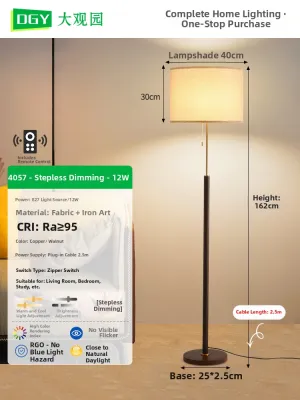
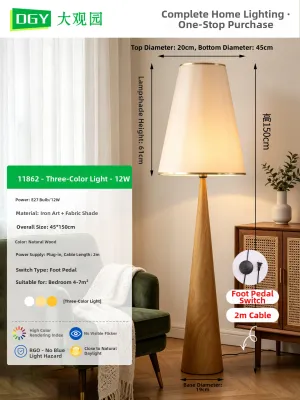
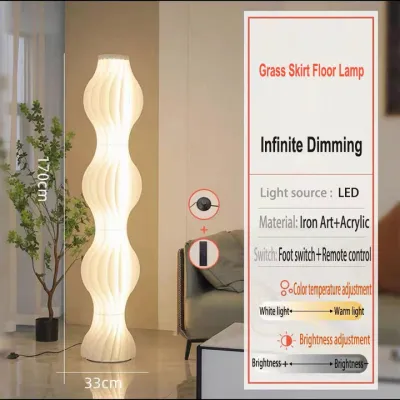
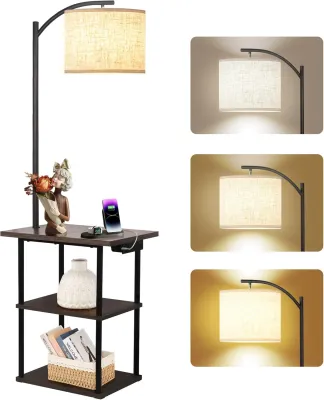
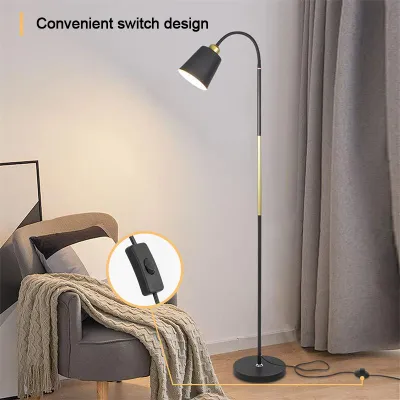
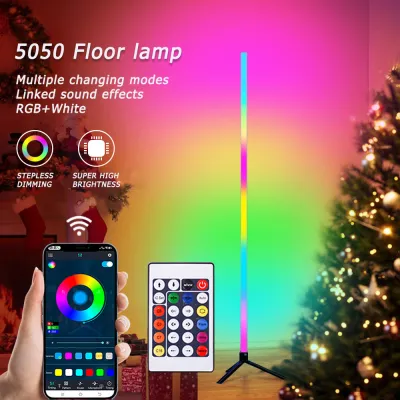
Prices are valid at publication and may change. Please refer to the product page for the latest price.
Your primary filters during the selection process should always be material durability, electrical compatibility, and scale. Modern minimalist designs, warm mid-century wooden fixtures, and resort-style woven textures all offer distinct visual advantages, but each requires specific maintenance and verification steps. This guide will walk you through these essential style categories, technical checks, and placement techniques to help you make an informed investment.
Crucial Factors for Philippine Living Rooms
Electrical Compatibility
Before falling in love with a lamp design, you must verify its electrical specifications to ensure safe operation in your home. The standard electrical system in the Philippines operates at 220V and 60Hz. Many decorative lamps sold online are imported from countries that use a 110V/50Hz or 110V/60Hz standard, such as the United States or Japan.

Connecting a 110V lamp directly to a 220V outlet without a proper step-down transformer is an immediate fire hazard and will destroy the fixture’s internal wiring or socket. Always read the product label or digital specification sheet carefully to confirm it is rated for 220V. Additionally, check the physical plug type; Type A (two flat parallel pins), Type B (two flat pins with a round grounding pin), and Type C (two round pins) are the most common in local households. Relying on loose, low-quality adapters to bridge incompatible plugs can cause electrical arcing, so look for fixtures with high-quality integrated plugs that fit securely into your wall outlets.
Climate and Material Durability
Our tropical climate, characterized by high relative humidity and salt-laden air in coastal regions, dictates which materials will last. Cheap, untreated ferrous metals are highly susceptible to rust and corrosion within a few seasons. If you prefer a metallic finish, prioritize powder-coated steel, brass, or anodized aluminum, which offer superior resistance to moisture.
Natural materials also require careful scrutiny. Untreated wood, genuine leather, and raw natural fibers can warp, crack, or become breeding grounds for mold and mildew when exposed to humid air. If you choose natural wood or woven fibers, ensure they have been treated with protective sealants, anti-fungal coatings, or clear polyurethane lacquers. For spaces with frequent temperature fluctuations—such as living rooms that are air-conditioned during the day but open to natural breeze at night—synthetic alternatives like high-grade resin wicker or powder-coated aluminum frames offer excellent longevity without sacrificing the organic look.
Space and Ceiling Height
Living room layouts in the Philippines vary widely, from compact high-rise condominiums in metropolitan areas to spacious, open-plan suburban homes. The physical footprint and height of your floor lamp must match the scale of your room. A massive, overhanging arc lamp will overwhelm a small condo living room and restrict movement, while a slender, low-profile stick lamp may get lost in a high-ceilinged, expansive space.
Measure your ceiling height before shopping. For standard ceilings of around 2.4 to 2.7 meters, a floor lamp standing between 1.5 and 1.8 meters tall is generally ideal. This height ensures that the light source is positioned high enough to provide ambient illumination without exposing the bare bulb to the eyes of seated guests. If your living room has a double-height ceiling, you can opt for taller, more sculptural fixtures that draw the eye upward and emphasize the vertical volume of the room.
Top Decorative Floor Lamp Styles for Your Living Room
Woven Rattan, Bamboo, and Natural Textures
Woven rattan, bamboo, and abaca floor lamps are incredibly popular in local interior design, perfectly complementing tropical, bohemian, and modern rustic aesthetics. These natural materials bring an organic warmth and texture indoors, echoing the relaxed, resort-style vibe of our coastal destinations. When illuminated, the intricate weave patterns cast beautiful, soft shadows across the walls, creating a cozy and inviting evening ambiance.
However, because natural fibers absorb moisture from the air, you must verify that the manufacturer has applied a high-quality anti-fungal and moisture-resistant treatment. If the lamp will be placed in a semi-outdoor area, such as a covered patio or a living room with large open windows, consider opting for high-quality synthetic rattan. Synthetic alternatives are made from durable polymers that resist moisture, fading, and cracking, making them much easier to clean and maintain over time.
To maximize the beauty of woven textures, pair these lamps with warm-white LED bulbs, typically between 2700K and 3000K. The warm yellow undertones of the light enhance the natural golden hues of the wood and fiber, creating a soft, glowing effect. Avoid daylight bulbs (6500K) in these fixtures, as the cool blue light can make the natural materials look washed out, cold, and artificially gray.
Sleek Arc and Minimalist Metal Designs
For contemporary, industrial, or condo-style living rooms, sleek arc lamps and minimalist metal designs offer an elegant, space-saving solution. Arc lamps feature a long, curved neck that extends outward from a heavy base, allowing the light source to hang directly over a coffee table or sectional sofa. This design provides overhead ambient lighting without the need to drill holes in the ceiling or install permanent hardwired fixtures, making it highly attractive for renters.
When choosing an arc lamp, the weight and stability of the base are paramount. Because the arm extends far from the center of gravity, the base must be heavy enough—often made of solid marble, concrete, or thick steel—to prevent the lamp from tipping over. This is especially important in active households with children or pets. Always test the stability of the fixture by gently nudging the arm; it should sway slightly but remain firmly anchored at the base.
Additionally, verify that the metal surfaces have a durable finish. Matte black powder coating, brushed brass, and chrome are excellent choices, but they must be properly sealed to prevent oxidation. Wipe down metal components periodically to remove dust and fingerprint oils, which can trap moisture and accelerate tarnishing in humid environments.
Mid-Century Modern with Wood and Glass Accents
Mid-century modern design remains a timeless favorite, characterized by clean lines, organic curves, and a harmonious blend of materials. Floor lamps in this style often feature tapered wooden legs, brass accents, and frosted or ribbed glass globes. This combination of rich wood grains and delicate glass adds a sophisticated, vintage charm to any living room, bridging the gap between classic elegance and modern functionality.
Because wood is highly sensitive to humidity fluctuations, verify that the wooden portions of the lamp are crafted from stable hardwoods like teak, oak, or walnut, and are sealed with a moisture-resistant varnish. Unsealed wood can swell during the rainy season and shrink during dry periods, leading to structural cracks or loose joints over time. Check the connection points where the wood meets metal or glass to ensure they are securely fastened and free of gaps.
Glass shades, whether clear, frosted, or ribbed, diffuse light beautifully and reduce harsh glare. However, enclosed glass globes trap heat. Always check the maximum wattage limit specified by the manufacturer, and strictly adhere to it. Using a bulb that exceeds the recommended wattage can cause excessive heat buildup inside the glass shade, potentially damaging the socket wiring, cracking the glass, or shortening the lifespan of the bulb.
How to Source and Verify Lamps Locally
In-Store vs. Online Sourcing
When sourcing a decorative lamp for living room styling, you have two primary paths: visiting physical home furnishing showrooms or browsing online marketplaces. Each approach has distinct advantages. Physical stores allow you to examine the build quality in person, feel the weight of the base, inspect the finish, and see exactly how the light diffuses through the shade. This hands-on inspection eliminates guesswork and ensures the product matches your quality expectations.
On the other hand, online marketplaces offer an unparalleled variety of designs, often at more competitive price points. However, shopping online requires extra vigilance. Because you cannot physically inspect the item, you must rely heavily on customer reviews, detailed product descriptions, and seller ratings. Look for listings that include real-life photos from previous buyers rather than relying solely on polished studio renders, which can sometimes misrepresent the actual scale or color of the lamp.
Verification Checklist
To ensure your chosen floor lamp is safe, compatible, and functional, always run through this verification checklist before finalizing your purchase:
- Voltage and Frequency: Confirm the lamp is rated for 220V/60Hz. Avoid 110V fixtures unless you are prepared to use a dedicated step-down transformer.
- Socket Type: Check the bulb interface. The E27 screw base is the standard in the Philippines, making it easy to find replacement bulbs in any local hardware store. Other types, like GU10 or E14, are available but may limit your bulb choices.
- Wattage Limit: Locate the maximum wattage rating sticker, usually found near the bulb socket. Ensure your intended bulb does not exceed this limit.
- Safety Certification: Look for local or international safety markings, such as the Import Commodity Clearance (ICC) sticker or the Philippine Standard (PS) mark for locally distributed electrical appliances, ensuring the product has undergone basic safety testing.
- Dimensions and Weight: Double-check the physical height, shade diameter, and base weight to ensure it fits your designated space safely.
Bulb Selection
Many decorative floor lamps are sold without bulbs, meaning you must select the light source separately. This is a crucial step, as the bulb you choose dictates the overall mood and functionality of your living room. LED bulbs are highly recommended because they consume minimal electricity, generate very little heat, and have an exceptionally long lifespan compared to traditional incandescent bulbs.
When selecting an LED bulb, pay attention to color temperature, measured in Kelvin (K). For a cozy, relaxing living room environment, choose warm white bulbs (2700K to 3000K). If you use the space for reading or detailed tasks, a cool white bulb (4000K) offers a clearer, more neutral light. Always check the lumen output (which measures brightness) rather than the wattage equivalent; a bulb of 400 to 800 lumens is generally sufficient for decorative and accent floor lamps.
Placement and Styling Tips for the Best Visual Impact
Corner Anchoring
One of the most effective ways to style a tall floor lamp is by placing it in an empty corner of your living room. Corners often become dead zones that collect shadows, making the room feel smaller and more cramped. Position a tall, sculptural lamp in these areas to draw the eye outward, soften harsh architectural corners, and create a sense of depth and spaciousness.
To enhance this effect, pair the lamp with a low-profile armchair, a tall indoor plant like a fiddle-leaf fig, or a framed piece of art. This grouping creates a visually balanced vignette, turning a neglected corner into a deliberate design feature. Ensure the lamp shade does not touch the walls directly, leaving a few centimeters of breathing room to prevent localized heat buildup and allow the light to wash evenly down the walls.
Beside the Sofa
Placing a floor lamp beside your main sofa or sectional is both highly functional and aesthetically pleasing. An arc lamp or a fixture with an adjustable arm can extend over the seating area, providing excellent task lighting for reading, writing, or using a laptop. This setup eliminates the need for bulky side tables, freeing up valuable floor space in smaller living rooms.
When positioning a lamp next to seating, pay close attention to the height of the shade. The bottom of the lamp shade should be roughly at eye level when you are seated. If the shade is too high, the bare bulb will shine directly into your eyes, causing uncomfortable glare. If it is too low, the light spread will be restricted, casting dark shadows over your lap and reducing the lamp’s effectiveness as a light source.
Cable Management
Exposed, tangled cords can instantly ruin the clean look of a beautifully styled living room and present serious tripping hazards. To maintain a polished aesthetic and ensure safety, implement practical cable management solutions. Run the lamp cord neatly along the baseboards, securing it with clear, adhesive-backed cable clips that blend into the wall color.
If the cord must cross a walkway to reach an outlet, never leave it loose. Use a flat, rubberized floor cord protector that matches your flooring material to cover the wire, preventing trips and protecting the cable from wear. Alternatively, position the lamp close to furniture so the cord can be tucked discreetly beneath sofas or behind bookshelves, keeping it completely out of sight and out of the path of foot traffic.
Frequently Asked Questions (FAQ)
Can I use smart bulbs in decorative floor lamps?
Yes, you can easily use smart bulbs in decorative floor lamps, provided the bulb matches the lamp’s socket type (most commonly E27) and is rated for the local 220V power grid. Smart bulbs allow you to adjust the brightness, color temperature, and schedule of your floor lamp using a smartphone app or voice commands, adding modern convenience to a traditional decorative fixture.
However, you must avoid installing smart bulbs in lamps that feature built-in physical dimmer switches. The electronic dimming circuitry inside a smart bulb will conflict with the physical dimmer mechanism of the lamp, leading to persistent flickering, buzzing noises, or permanent damage to both the bulb and the lamp’s internal wiring. If your lamp has a physical dimmer, keep it set to the maximum output level, or use a standard, non-dimmable lamp socket for your smart bulb setup.
How do I clean and maintain natural rattan floor lamps?
To keep natural rattan floor lamps looking their best and prevent premature deterioration, establish a gentle, regular cleaning routine. Dust the lamp weekly using a soft-bristled brush, a feather duster, or a clean microfiber cloth. This prevents dust and environmental grime from settling into the deep crevices of the woven fibers, which can dull the material’s natural luster over time.
For a deeper clean, wipe the rattan surface with a soft cloth that has been slightly dampened with a mixture of mild dish soap and warm water. Never soak the rattan or use harsh chemical cleaners, bleach, or abrasive scrubbing pads, as these will strip away the protective sealant and weaken the natural fibers. After wiping, ensure the lamp dries completely in a well-ventilated area away from direct, harsh sunlight, which can cause the natural fibers to dry out, warp, and become brittle.

Community discussion
Share your experience or ask a question. Comments are reviewed before publication.