
Selecting the right floor lamp shade for a reading corner is a balancing act between directing light where it is needed and shielding your eyes from harsh glare. The ideal setup focuses illumination directly onto your book or tablet while keeping the bulb itself hidden from your direct line of sight. Opaque, downward-facing shades like cones or bells are highly effective for this purpose, as they prevent light from scattering sideways into your eyes. In tropical climates like the Philippines, where reading corners are often positioned near open windows or under ceiling fans, choosing a shade that is structurally stable and easy to clean is an important practical consideration.
Understanding Light Distribution for Reading Tasks
To create a comfortable reading environment, it is helpful to understand the difference between ambient light and task lighting. Ambient light is the general illumination that fills a room, while task lighting is a concentrated beam focused on a specific activity like reading. A good reading corner relies heavily on effective task lighting to ensure that text is highly visible and easy to read without causing your eyes to strain.
When a reading lamp lacks a proper shade, the unshielded bulb creates a harsh hot spot of light. This direct glare forces your pupils to constrict, while the surrounding dark areas of the room require them to dilate. This constant adjustment leads to rapid eye fatigue and headaches during extended reading sessions. Furthermore, a poorly directed light source can cast deep, sharp shadows across your page, making it difficult to maintain focus as your eyes move from line to line.
Products mentioned in this guide
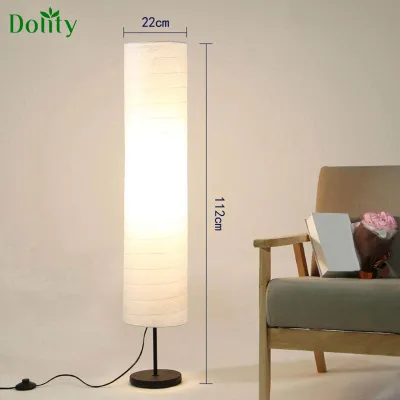

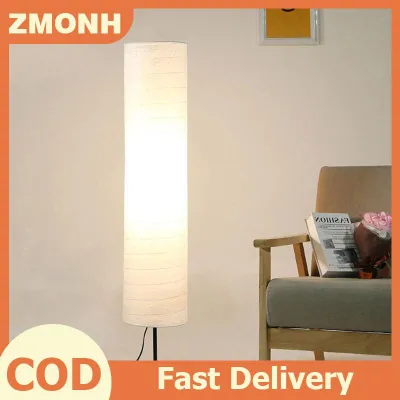
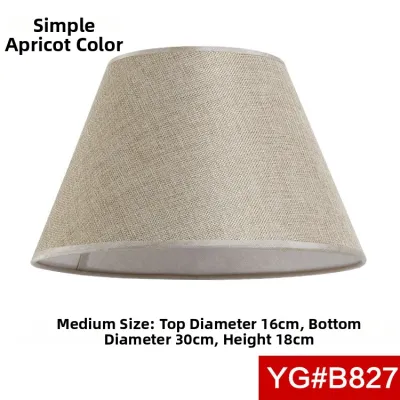
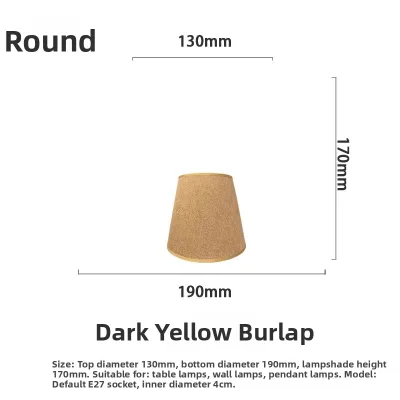
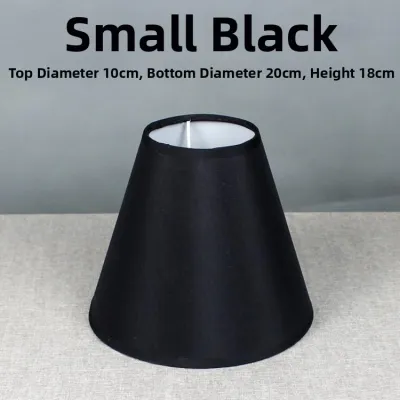
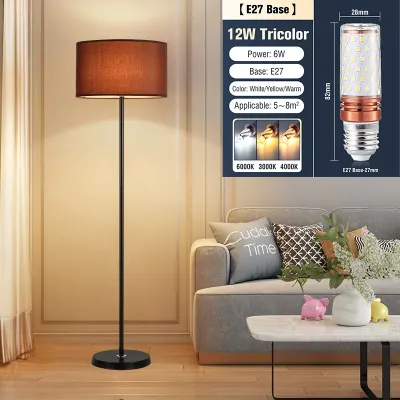
Prices are valid at publication and may change. Please refer to the product page for the latest price.
Your reading posture and the type of material you read also dictate how light should distribute. Glossy book pages, magazines, and tablet screens reflect light like a mirror. If the light source is positioned directly in front of you, the resulting reflection can wash out the text entirely. By understanding how a shade shapes and directs the light, you can position your lamp to wash over your shoulder, minimizing reflections and maximizing contrast.
Evaluating Floor Lamp Shade Shapes for Focused Light
The geometry of a floor lamp shade determines how it projects light into your reading space. Different shapes serve different lighting purposes, so matching the shape to your reading habits is key to comfort.

Cone and bell-shaped shades are classic choices for task lighting because of their natural downward focus. These shades taper at the top and flare out at the bottom, acting as a funnel that concentrates light onto a specific area. This directional beam is excellent for reading because it illuminates your book while keeping the rest of the room relatively dim, creating a cozy, distraction-free environment.
Drum and cylinder shades offer a different light distribution pattern, as they are open at both the top and bottom. This design casts light upward to bounce off the ceiling for ambient illumination, while also projecting light downward onto your lap. While drum shades provide a beautifully balanced light, they are best suited for reading when made from opaque materials that prevent light from bleeding through the sides and distracting your peripheral vision.
Adjustable and swing-arm shades provide the ultimate directional control for avid readers. These designs allow you to physically move the shade closer to your page or tilt it to avoid glare on screens. If you frequently shift positions in your armchair or share the reading corner with family members of different heights, an adjustable shade ensures everyone can find a comfortable angle.
Key Shade Materials and Features to Reduce Glare
Beyond the shape of the shade, the materials and structural features play a critical role in softening light and preventing eye strain. Verifying these details before purchasing a floor lamp shade will ensure it performs well in your reading corner.
Opaque materials, such as metal, thick card, or heavily lined fabrics, block all lateral light transmission. This forces the light to exit only through the top or bottom openings, which is ideal for eliminating side glare. Translucent materials, like thin linen, paper, or frosted glass, allow light to diffuse through the sides of the shade. While translucent shades create a warm room glow, they can sometimes be too bright in your peripheral vision if positioned close to your reading chair.
The interior lining of the shade also influences the quality of light. A white or silver interior lining acts as a reflector, bouncing more light downward to increase brightness without requiring a higher-wattage bulb. Conversely, a gold or brass lining creates a warmer, softer glow. While cozy, a dark or metallic gold lining may reduce the overall light output, so you will need to ensure the resulting light is still bright enough for comfortable reading.
Look for structural details that enhance eye comfort, such as deep-set bulb sockets or bottom diffusers. A deep-set socket ensures the bulb is tucked high inside the shade, keeping it completely out of your direct line of sight. Some shades also feature a frosted glass or plastic diffuser at the bottom, which softens the light beam and eliminates harsh shadows on your page.
Positioning the Lamp Shade in Your Reading Corner
Even the best floor lamp shade will cause eye strain if it is positioned incorrectly. Integrating the lamp seamlessly with your furniture layout is essential for achieving optimal visual comfort.
As a general rule, the bottom edge of the lamp shade should align with your eye level when you are seated in your reading chair. This height ensures that the bright bulb remains hidden from view while allowing the light to spread wide enough to cover your book. If the shade is too high, you will be exposed to direct glare from the bulb; if it is too low, the light pool will be too small to illuminate your reading material properly.
To avoid casting obstructive shadows, place the floor lamp slightly behind and to the side of your armchair. This position allows the light to wash over your shoulder and onto your page without your head or body blocking the beam. If you are right-handed, placing the lamp on your left side can help prevent your hand from casting shadows if you take notes while reading, and vice versa for left-handed readers.
It is also important to balance the focused task light from your lamp with the room’s existing ambient light. Reading in a completely dark room with a single bright spotlight forces your eyes to work harder to adjust between the bright page and the dark surroundings. Keeping a soft overhead light or a secondary table lamp on in the room reduces this high-contrast strain, making long reading sessions much more comfortable.
Checking Bulb and Dimmer Compatibility for Eye Comfort
To achieve a safe and comfortable reading environment, you must pair your chosen floor lamp shade with the correct light source and controls. Always verify the technical specifications of your lamp and bulb before installation.
Start by checking the manufacturer’s label inside the shade or socket for the maximum wattage limit and approved bulb types. Exceeding the recommended wattage can cause excessive heat buildup, which poses a safety hazard and can damage fabric, paper, or plastic shades. In humid tropical environments, ensuring proper heat dissipation is especially important to prolong the lifespan of both the bulb and the shade. Additionally, verify that the lamp’s voltage matches your home’s electrical supply and that the bulb base matches the socket interface.
When selecting a bulb, pay close attention to the color temperature, which is typically measured in Kelvins (K) and listed on the packaging. For evening reading, a warm white bulb (around 2700K to 3000K) provides a relaxing, cozy atmosphere. If you prefer higher contrast for reading small text, a cool white bulb (around 4000K) may be more suitable. Avoid daylight bulbs (5000K or higher) in the evening, as their high blue-light content can interfere with your natural sleep cycle.
If your floor lamp features a built-in dimmer switch, or if you plan to plug it into a smart dimmer, make sure to use a dimmable LED bulb. Using a non-dimmable bulb with a dimmer switch can cause annoying flickering or buzzing, which quickly leads to eye strain and headaches. Being able to adjust the brightness allows you to adapt the lighting as natural daylight fades, ensuring comfortable reading at any time of day.
Frequently Asked Questions (FAQ)
Can I use a fabric shade for reading without causing glare?
Yes, you can use a fabric shade for reading, provided you choose one made from a tightly woven or heavily lined material. Opaque fabric shades effectively block side glare, directing the light downward onto your book. Avoid thin, unlined fabric shades, as they allow too much light to bleed through the sides, which can distract your peripheral vision and reduce the contrast on your reading page.
How high should the bottom of the shade be from my book?
The bottom of the shade should sit roughly at your eye level when you are seated in your reading chair. This height allows the light to spread comfortably across your book or tablet while keeping the bulb itself completely hidden from your direct line of sight. If you can see the bare bulb while reading, the lamp is either too high or needs to be repositioned.

Community discussion
Share your experience or ask a question. Comments are reviewed before publication.