
A floor lamp with a lampshade serves a vital dual role in your home: it diffuses direct bulb glare to cast a soft, welcoming glow while adding a distinct vertical element to your interior design. In the Philippines, where the living room is the central hub for family gatherings and relaxation, creating a warm, glare-free environment is essential for transitioning the space from a bustling daytime area to a cozy evening sanctuary.
However, selecting the perfect lighting fixture involves more than just finding an attractive design. Local environmental factors such as high relative humidity, dust from open-window ventilation, and typical room dimensions must be carefully balanced with your aesthetic preferences. Whether your home features a tropical modern aesthetic, a clean minimalist layout, or a classic transitional style, the right combination of lamp base and shade material will ensure your living room remains both beautiful and functional.
Ultimately, the ideal lampshade living room setup depends on your specific lifestyle needs. By understanding how different materials, proportions, and lighting characteristics interact with your space, you can make an informed decision that enhances your home’s comfort and style.
Products mentioned in this guide
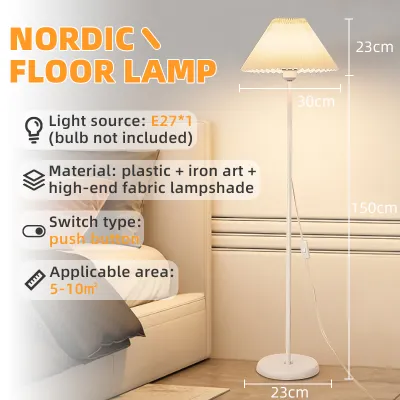
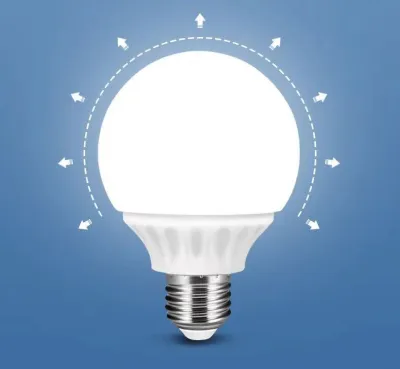
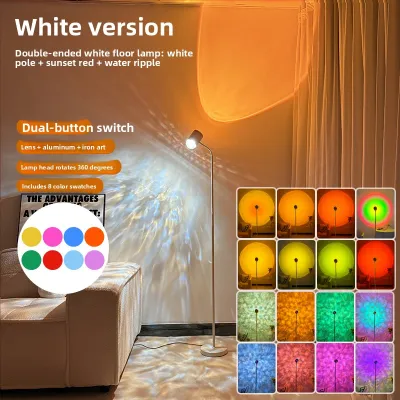
Prices are valid at publication and may change. Please refer to the product page for the latest price.
What to Consider Before Buying a Floor Lamp in the Philippines
Climate and Material Durability
The tropical Philippine climate presents unique challenges for home furnishings. With relative humidity levels frequently exceeding 80% during the rainy season, choosing durable materials is critical to prevent premature wear. Natural fibers like untreated paper, cotton, or raw wood can easily absorb moisture from the air, making them susceptible to sagging, warping, or mold growth.
For long-term durability, consider materials that offer natural resistance to moisture or are treated with protective coatings. Woven rattan or wicker should be finished with a clear protective lacquer to seal the fibers against dampness. If you prefer fabric, treated polyester blends or tightly woven linens resist moisture absorption better than raw cotton. Alternatively, frosted glass, metal, or high-quality acrylic shades are completely impervious to humidity, making them excellent low-maintenance options for local homes.
Space and Proportions
Living room layouts in the Philippines vary widely, from compact high-rise condominiums in urban centers to spacious, open-plan suburban houses. Before purchasing a floor lamp, measure your available floor space and ceiling height. Standard residential ceilings in local developments typically range from 2.4 to 2.7 meters, which dictates the maximum height of your lighting fixtures.
To maintain visual balance, the floor lamp should stand between 1.5 and 1.8 meters tall, ensuring the bottom of the lampshade sits at or slightly above eye level when you are seated on your sofa. A lamp that is too tall will expose the bare bulb and cause uncomfortable glare, while a lamp that is too short will fail to distribute light effectively. Additionally, ensure the diameter of the shade does not protrude into walkways or crowd adjacent furniture.
Electrical Compatibility
Safety should always be your top priority when introducing new electrical appliances to your home. Verify that any floor lamp you purchase is fully compatible with the Philippine electrical standard of 220V and 60Hz. Many imported lamps from regions like North America or Japan are wired for 110V/50Hz; using these without a high-quality step-down transformer or professional rewiring can lead to short circuits, blown fuses, or fire hazards.
Always look for official safety certifications, such as the Philippine Standard (PS) mark or the Import Commodity Clearance (ICC) sticker, on the lamp’s packaging or electrical cord. Additionally, check the socket type—most local fixtures utilize standard E27 screw bases, which makes finding replacement bulbs highly convenient. Opt for energy-efficient LED bulbs to minimize electricity consumption and reduce heat output, helping to keep your living room cool during warm tropical nights.
Shade Fitting Types
Understanding how a lampshade attaches to the lamp base is essential if you plan to customize or replace the shade in the future. The three most common fitting types are spider, uno, and clip-on fittings, each requiring a specific base configuration.
- Spider Fittings: These are the most common style for standard floor lamps. The shade features a central ring supported by metal spokes (the "spider") that rests on top of a metal U-shaped support called a harp. The entire assembly is secured at the top with a decorative screw-on finial.
- Uno Fittings: Often found on down-bridge or smaller accent lamps, uno shades feature a threaded central ring that slides directly onto the bulb socket. The shade is held securely in place by the bulb itself or a threaded collar, eliminating the need for a separate harp.
- Clip-on Fittings: Typically reserved for small accent lamps or chandeliers, these shades feature wire loops that clip directly onto the glass envelope of a standard A19 bulb. While convenient, they are less stable and are generally not recommended for large, heavy floor lamps.
Top Floor Lamp Styles with Lampshades for Local Homes
Rattan and Wicker Lampshades
Woven natural fibers like rattan, wicker, and bamboo are deeply rooted in Philippine craftsmanship, making them a natural choice for local interiors. These materials bring an organic, earthy texture indoors, seamlessly complementing tropical modern, coastal, or bohemian design themes. The natural warm tones of woven wood add a relaxed, resort-like feel to urban living spaces.

One of the primary functional benefits of rattan and wicker shades is their open-weave construction. The gaps in the weave allow light to filter through dynamically, casting intricate, decorative patterns of light and shadow across your walls and ceiling. This open structure also allows heat generated by the light bulb to escape effortlessly, preventing heat buildup around the fixture.
To preserve the beauty of natural fiber shades in a humid environment, look for products that have been treated with anti-fungal sealants or protective polyurethane coatings. It is best to place these lamps in well-ventilated areas of the living room, away from damp corners or open windows where sudden rain showers could expose them to direct moisture.
Linen and Cotton Drum Shades
For a classic and timeless aesthetic, linen and cotton drum shades remain highly popular options. The clean, cylindrical shape of a drum shade directs light both upward toward the ceiling and downward toward the floor, providing balanced ambient illumination that fills the room without causing harsh glare. This makes them exceptionally well-suited for positioning next to reading armchairs or main seating areas.
Linen and cotton fabrics offer a soft, matte texture that introduces a sense of warmth and sophistication to transitional, modern, or minimalist living rooms. Neutral tones such as cream, beige, off-white, and soft gray are highly versatile, allowing the lamp to blend harmoniously with various color schemes and furniture styles.
Because many local homes utilize open-window ventilation to enjoy natural breezes, fine dust can accumulate on fabric surfaces over time. To minimize maintenance, choose tightly woven fabrics that do not trap dust easily. Regular cleaning with a lint roller or a vacuum cleaner equipped with a soft brush attachment will keep your fabric shades looking clean and bright.
Japandi-Style Paper Shades
Japandi style—a design movement that fuses Japanese minimalism with Scandinavian functionality—has become increasingly popular in modern Philippine condominiums and townhomes. Paper floor lamps, inspired by traditional Japanese lanterns, feature shades made from textured rice paper or thick parchment. These materials diffuse light beautifully, emitting a soft, warm, and meditative glow that is perfect for relaxing after a long day.
These lightweight shades are excellent for creating a minimalist, clutter-free atmosphere. They prioritize simplicity and clean lines, making small living rooms feel more serene and spacious.
However, paper shades require careful handling and strategic placement due to their delicate nature. High humidity can cause untreated paper to sag or discolor over time, while strong drafts from ceiling fans or split-type air conditioning units can cause the lightweight frame to wobble or tear. To protect your investment, place paper lamps in low-traffic zones, such as a quiet corner of the room, away from direct drafts and active walkways.
Frosted Glass or Acrylic Cylinders
If you are searching for a contemporary, low-maintenance alternative to traditional fabric or fiber shades, frosted glass or high-quality acrylic cylinders are outstanding choices. These materials mimic the soft, glare-reducing diffusion of fabric while offering exceptional durability and resistance to environmental wear.
Frosted glass and acrylic are completely unaffected by humidity, warping, or mold, making them incredibly long-lasting in tropical climates. They are also highly resistant to dust accumulation; instead of trapping particles in fibers, these smooth surfaces can be wiped clean in seconds using a dry or slightly damp microfiber cloth. This ease of maintenance makes them ideal for busy households, homes with pets, or sleek, modern-industrial living rooms.
Keep in mind that glass shades can be heavy and fragile. When choosing a glass cylinder floor lamp, ensure the base is heavily weighted and stable to prevent the lamp from tipping over if accidentally bumped in high-traffic areas.
Where to Place Your Lampshade Floor Lamp for the Best Effect
Beside the Sofa
Positioning a floor lamp at either end of your main sofa is a classic layout that maximizes both functionality and style. For the most comfortable experience, place the lamp slightly behind and to the side of the sofa arm. This positioning ensures that the bottom edge of the lampshade is aligned with your eye level when seated, directing ample light onto your book or lap without shining directly into your eyes.
Empty Corners
Unused corners can often make a living room feel dark, cold, and visually disconnected. Placing a tall floor lamp with a warm shade in an empty corner instantly brightens the area, drawing the eye upward and creating the illusion of a larger, more open space. This technique is particularly effective in compact condominium living rooms where maximizing visual space is essential.
Beside Media Consoles
Placing a floor lamp near your television or entertainment unit provides gentle bias lighting. By illuminating the wall behind or adjacent to the screen, you reduce the harsh contrast between the bright television display and the dark surrounding room. This low-level ambient light significantly minimizes eye strain during evening movie sessions, creating a much more comfortable viewing environment.
Safety and Flow
In any living room layout, maintaining a safe and clear path for foot traffic is essential. Position your floor lamp close to wall outlets to minimize the length of exposed electrical cords. Route cords safely along baseboards or secure them with low-profile cord covers to prevent tripping hazards. Avoid running electrical cords under heavy high-traffic rugs, as constant stepping can wear down the protective insulation over time, creating a serious electrical hazard.
Pre-Purchase Checklist and Maintenance Tips
Pre-Purchase Verification
Before finalizing your purchase, take a moment to verify the technical specifications of both the lamp base and the shade to ensure compatibility and safety:
- Voltage and Frequency: Confirm the lamp is rated for 220V/60Hz to match the local electrical grid.
- Wattage Limit: Check the manufacturer's label inside the socket for the maximum allowable wattage. Never exceed this limit, as excessive heat can melt fabric, scorch paper, or damage the internal wiring.
- Dimensions: Measure the height of the lamp and the diameter of the shade to ensure it fits comfortably within your designated space without blocking walkways.
- Base Weight: Ensure the base is heavy enough to support the weight of the shade, especially if you have children or pets at home.
Routine Cleaning
Dust and humidity can combine to form a stubborn layer of grime on your lampshade. Establish a regular cleaning routine based on the specific material of your shade:
- Fabric Shades (Linen/Cotton): Use a clean lint roller or a vacuum cleaner with a soft brush attachment once a week to remove loose dust. For light stains, gently spot-clean with a damp cloth and a drop of mild dish soap, ensuring the shade dries completely before turning the lamp back on.
- Woven Natural Fibers (Rattan/Wicker): Use a dry, soft-bristled paintbrush or a can of compressed air to dislodge dust from the intricate crevices. Avoid using wet cloths, which can push dust deeper into the fibers and encourage mold growth.
- Glass and Acrylic: Unplug the lamp and allow the bulb to cool completely. Wipe the shade with a soft microfiber cloth slightly dampened with water or a mild glass cleaner to remove dust and fingerprints.
Moisture Management
To protect your floor lamps from the humid tropical climate, maintain consistent indoor air circulation. Use ceiling fans or air conditioning units to keep air moving, and consider running a dehumidifier during the peak of the rainy season. Avoid placing natural fiber or paper lamps directly underneath split-type air conditioning units, as condensation drips or cold, damp drafts can accelerate moisture absorption and lead to mold growth.
Frequently Asked Questions (FAQ)
What is the best bulb color temperature for a living room floor lamp?
For a relaxing and cozy living room environment, warm white bulbs with a color temperature of 2700K to 3000K are highly recommended. This temperature range emits a soft, golden glow that enhances the natural textures of fabric, wood, and rattan shades, creating a comfortable atmosphere for unwinding in the evening.
If your floor lamp is positioned in a dedicated reading nook or workspace where detailed tasks are performed, a neutral white bulb (3500K to 4000K) is a suitable alternative. Neutral white provides clearer contrast and reduces eye strain during reading without feeling overly cold or clinical. Avoid cool white daylight bulbs (5000K to 6500K) for ambient floor lamps, as they can cast a harsh, sterile light that disrupts the relaxing mood of a living room.
How do I prevent mold on natural fiber lampshades?
Preventing mold on rattan, wicker, or bamboo shades requires controlling their exposure to moisture and ensuring adequate airflow. Always place these lamps in well-ventilated areas of your living room where air circulates freely. Keep them away from potential moisture sources, such as indoor potted plants, humid dining areas, or open windows during heavy rainstorms.
If you notice early signs of mildew or a musty odor on your woven shade, act quickly to prevent damage. Unplug the lamp, remove the shade, and gently wipe the affected areas with a cloth lightly dampened in a solution of equal parts white vinegar and warm water. Vinegar is a highly effective, low-risk natural disinfectant that kills mold spores without damaging the wood fibers. After wiping, allow the shade to dry completely in a breezy, shaded outdoor spot before reinstalling it on the lamp base.

Community discussion
Share your experience or ask a question. Comments are reviewed before publication.