
Finding the ideal living room light stand involves balancing aesthetic appeal with practical functionality, especially within the unique context of Philippine homes. Whether you are looking to brighten a dark corner in a high-rise condominium in Metro Manila or create a cozy reading nook in a spacious suburban house, a well-chosen floor lamp serves as both an essential light source and a key design element. The right fixture can instantly transform the mood of your shared living space, making it feel more welcoming, spacious, and organized.
However, selecting a floor lamp is not just about finding a design that matches your furniture. In the Philippines, practical considerations such as tropical humidity, local electrical standards, and spatial constraints play a massive role in how a lamp performs over time. A fixture that looks perfect online might turn out to be too dim, unstable on your flooring, or even electronically incompatible with your home’s wiring.
To make a successful purchase, you must evaluate how a floor lamp interacts with your existing layout, your daily activities, and your home’s electrical system. This guide will walk you through the essential selection criteria, the best lamp styles for different living room configurations, critical electrical safety specifications, and practical maintenance tips to keep your lighting fixture safe and functional for years to come.
Products mentioned in this guide
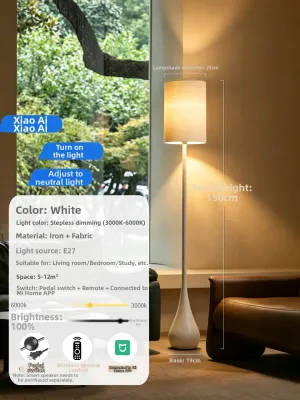
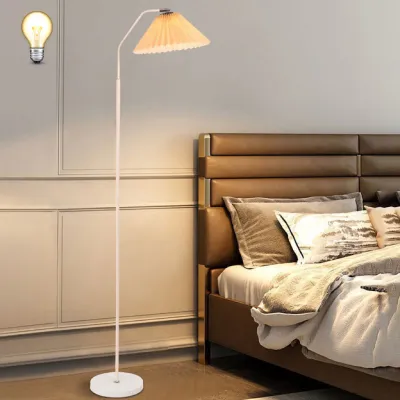
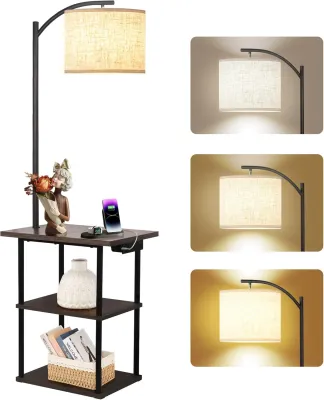
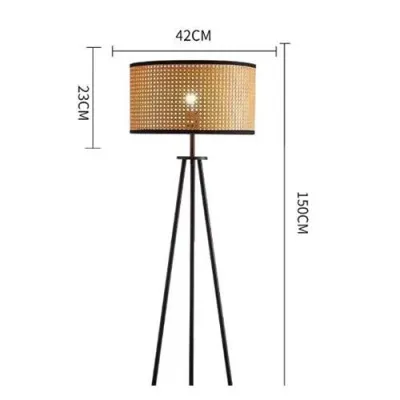
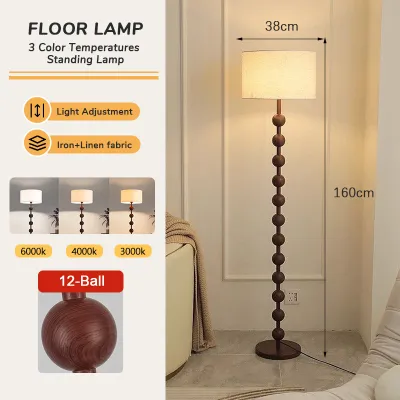
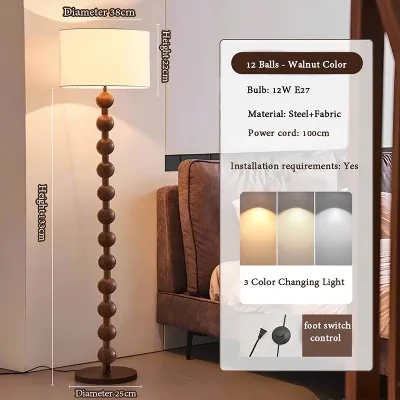
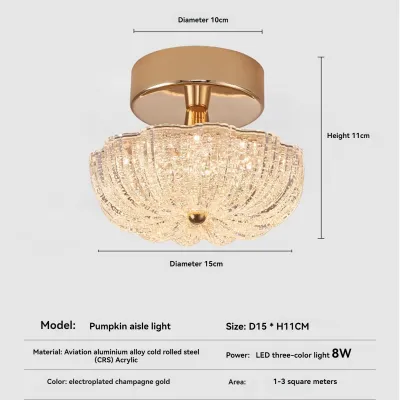
Prices are valid at publication and may change. Please refer to the product page for the latest price.
How to Choose the Right Living Room Light Stand for Your Space
Before browsing through online marketplaces or visiting local home decor showrooms, you must define the primary purpose of your new living room light stand. Floor lamps generally serve one of three lighting functions: ambient, task, or accent lighting. Ambient lighting provides general illumination to brighten the entire room, often acting as a supplement to or substitute for overhead ceiling lights. Task lighting delivers focused, directional light for specific activities like reading, writing, or crafting. Accent lighting is highly decorative, designed to highlight architectural features, plants, or artwork while adding depth and character to the space.
Once you have established the lamp’s primary function, you must measure your available floor space and ceiling height to ensure a proportional fit. In many Philippine homes, especially modern condominiums and townhouses, floor space is at a premium. A lamp with an excessively wide base or a dramatic, sweeping arm can easily block walkways or make a compact room feel cluttered. Measure the footprint of the area where you plan to place the lamp, ensuring there is enough clearance for people to walk past without bumping into the fixture. Additionally, check your ceiling height; a very tall lamp in a room with low ceilings can create an awkward, top-heavy visual effect, while a short lamp under a high ceiling may look lost and insignificant.
Color temperature is another critical factor that directly influences the atmosphere of your living room. Light color is measured in Kelvins (K), ranging from warm yellow to cool blue. Warm white light (typically 2700K to 3000K) mimics the soft glow of sunset, making it a popular choice for creating a cozy, relaxing environment in the evening. Cool white or daylight (5000K to 6500K) provides high contrast and clarity, which is excellent for daytime visibility and active tasks. For a cohesive look, try to match the color temperature of your floor lamp with your existing overhead lighting, or choose a smart bulb that allows you to adjust the color temperature depending on the time of day.
To maximize the versatility of your living room light stand, look for fixtures that offer dimming capabilities. The ability to adjust brightness levels is incredibly useful for transitioning your living room from a bright, active family space during the day to a calm, dim sanctuary for movie nights or winding down before bed. Dimming can be achieved through built-in step-dimmers, inline rotary switches on the power cord, or by installing a compatible smart LED bulb that you can control via a smartphone app or remote control. This flexibility ensures that your lamp remains highly functional regardless of the hour or occasion.
Best Floor Lamp Styles for Different Living Room Layouts
Different living room layouts and furniture arrangements require specific styles of floor lamps to maximize both light distribution and aesthetic harmony. Choosing the right style helps you address specific spatial challenges, such as lighting a dark corner, illuminating a central coffee table without ceiling wiring, or providing focused light for a dedicated reading chair.

Arc and Overarching Floor Lamps
Arc floor lamps feature a dramatic, curved arm that extends outward from a heavy base, allowing the light source to hang directly over a specific area. This design is highly effective for open-concept living rooms where you want to provide downward ambient light over a sectional sofa, a central coffee table, or a reading chair without the need to install a permanent ceiling fixture. It is an excellent solution for renters who are not permitted to drill into concrete ceilings to install pendant lights.
Because of their sweeping design, arc lamps require a significant amount of physical space and structural support. You must ensure the lamp features a heavy, wide base—often made of solid marble, concrete, or dense metal—to counteract the weight of the extended arm and prevent tipping. Before purchasing, measure the maximum reach of the arc and the total height of the curve. The arm must extend far enough to clear your furniture while remaining high enough to prevent tall family members or guests from bumping their heads when standing up or walking nearby.
Torchiere and Uplight Lamps
Torchiere floor lamps are characterized by an upward-facing shade that directs light toward the ceiling. Instead of casting light downward, a torchiere bounces light off the ceiling surface, dispersing a soft, glare-free ambient glow throughout the entire room. This indirect lighting method is highly effective at making small or narrow living rooms feel larger and more open, as it eliminates harsh shadows and draws the eye upward.
To get the most out of a torchiere lamp, consider pairing it with a high-lumen smart bulb or a built-in dimmer switch. Because the light is reflected off the ceiling, you will need a higher light output (measured in lumens) to achieve the same level of room brightness as a direct light source. Additionally, you must pay close attention to safety: ensure the open top of the lamp is kept well away from low-hanging ceiling fans, window curtains, or decorative wooden ceiling panels, which are common in tropical interior designs and can present a fire hazard if they come into contact with a hot bulb.
Task and Reading Light Stands
Task floor lamps are designed with utility in mind, focusing a bright, concentrated beam of light onto a specific surface. These light stands are ideal for placement next to a dedicated reading armchair, beside a sofa arm, or in a quiet study corner of the living room. Unlike ambient lamps, task lights are meant to support visual clarity during detailed activities like reading, writing, sewing, or board games.
When choosing a task light stand, prioritize physical adjustability and ease of use. Look for models featuring flexible goosenecks, adjustable counterweight joints, or swiveling lamp heads that allow you to direct the light beam precisely where you need it without moving the entire base. It is also highly beneficial to select a design with an opaque metal or thick plastic shade that prevents light from spilling out of the sides, along with built-in anti-glare diffusers to minimize eye strain during extended periods of use.
Ambient and Decorative Floor Lamps
Ambient and decorative floor lamps prioritize visual style, material texture, and soft, diffused light over high brightness. These fixtures are designed to fill dark corners, soften the transition between light and shadow, and serve as striking sculptural elements within your interior design. They are particularly useful for adding warmth to minimalist, modern, or industrial living rooms.
When selecting a decorative lamp, focus on materials and finishes that complement your existing living room furniture and decor. In the Philippines, floor lamps featuring natural materials like woven rattan, bamboo, capiz shells, or warm solid woods are highly popular for creating a modern tropical, bohemian, or Japandi aesthetic. Keep in mind that these lamps typically feature fabric, paper, or semi-opaque shades that significantly reduce light output. They should be treated as supplementary accent lighting rather than your primary source of room illumination.
Essential Electrical and Safety Specs to Check Before Buying
When buying a living room light stand in the Philippines, verifying technical and electrical specifications is critical to ensuring home safety and product longevity. Operating an electrically incompatible or poorly certified lighting product can lead to immediate bulb failure, electrical shocks, short circuits, or severe fire hazards.
- Voltage and Frequency Compatibility: Always verify that the floor lamp is rated for 220V at 60Hz, which is the standard electrical supply in the Philippines. Be extremely cautious when purchasing imported lamps online, particularly those sourced from North America or Japan, which are often rated for 110V at 50Hz or 60Hz. Plugging a 110V lamp directly into a Philippine 220V outlet without a heavy-duty step-down transformer will instantly blow the bulb, destroy the lamp's internal wiring, and potentially trigger a house fire.
- Plug Type and Adapter Safety: Check the plug type attached to the lamp's power cord. The most common outlets in the Philippines accommodate Type A (two flat parallel pins) and Type B (two flat pins with a round grounding pin), though some homes also feature Type C (two round pins) outlets. If the lamp comes with an incompatible foreign plug, avoid using cheap, loose-fitting travel adapters, which can spark or overheat. Instead, plan to use a high-quality, fused adapter, or consult a qualified electrician to safely rewire the plug to match your home's outlets.
- Bulb Base and Wattage Limits: Identify the socket type of the lamp, with E27 (standard medium screw-in) and E14 (small candelabra screw-in) being the most common and easily replaceable bulb bases in the Philippines. You must strictly adhere to the manufacturer's maximum wattage limit printed on the socket label (e.g., "Max 40W"). Exceeding this limit, especially when using heat-generating incandescent bulbs, can melt plastic sockets, scorch fabric shades, and degrade wire insulation. To minimize heat buildup and energy consumption in our warm tropical climate, opt for modern LED bulbs, which produce high light output at a fraction of the wattage.
- Moisture and Environmental Resistance: The high relative humidity and coastal air common in many parts of the Philippines can accelerate the deterioration of electrical appliances. If your living room features large open windows, opens directly onto a balcony, or experiences high humidity, check the lamp's materials and build quality. Cheap, untreated iron or chrome-plated steel stands can rust quickly in humid conditions. Look for powder-coated steel, solid brass, treated wood, or synthetic materials. For semi-outdoor areas like covered patios, ensure the lamp has an appropriate Ingress Protection (IP) rating indicating resistance to moisture and dust.
- E-Commerce Verification: When purchasing a floor lamp from online marketplaces, do not rely solely on promotional photos, which can be highly misleading regarding scale and quality. Carefully read the product description to verify the exact physical dimensions, total weight, and assembly requirements. Bulky items like floor lamps with heavy stone bases are expensive to ship, and returning an item due to an incorrect size or a misleading description can be incredibly difficult and costly. Read customer reviews specifically looking for feedback on base stability, material quality, and shipping damage.
Safe Placement and Maintenance Tips for Floor Lamps
Once you have purchased and assembled your living room light stand, proper placement and regular maintenance are essential to prevent accidents and extend the lifespan of your investment. Because floor lamps are freestanding fixtures, they are inherently more vulnerable to physical disturbance than ceiling or wall lights.
To prevent accidental tip-overs, position heavy-based floor lamps in low-traffic areas of your living room, such as tucked behind the corner of a sectional sofa, placed between two armchairs, or set flat against a solid wall. This is particularly important in households with active pets or young children who can easily knock over a tall, top-heavy fixture. If you must place a tall lamp on a carpeted surface or in a slightly exposed area, consider using heavy-duty double-sided mounting tape, furniture straps, or specialized museum wax under the base to secure it firmly to the floor.
Cable management is another crucial safety consideration that is frequently overlooked. Loose, trailing power cords running across the middle of a room represent a major tripping hazard and can cause the lamp to be pulled down violently if someone catches their foot on the wire. Route power cords neatly along the baseboards of your walls, or run them underneath heavy furniture using flat, durable cord covers. Never run power cords directly under area rugs or carpets where foot traffic can compress the wires, as the constant friction can wear down the protective rubber insulation, exposing live wires and creating a hidden fire risk.
Maintaining your floor lamp requires regular, low-risk cleaning steps to prevent dust and humidity from degrading the materials. In the Philippines, the combination of dust and high humidity can cause a sticky grime to build up on lampshades and stands. Dust fabric, paper, or woven rattan shades at least once a week using a soft-bristled brush, a microfiber cloth, or a lint roller. For metal or wooden stands, wipe them down with a dry or slightly damp microfiber cloth; never use harsh chemical cleaners or abrasive pads that can strip away protective coatings or paint.
Before performing any maintenance, cleaning, or bulb replacements, always isolate the power supply by turning off the lamp switch and completely unplugging the power cord from the wall outlet. Allow the bulb to cool down completely before touching it to avoid burns. Periodically inspect the entire length of the power cord for any signs of cracking, fraying, pet chew marks, or exposed copper wires. If you detect any damage to the cord, plug, or internal switch, stop using the lamp immediately and consult a qualified professional to repair or replace the damaged electrical components before plugging it back in.

Community discussion
Share your experience or ask a question. Comments are reviewed before publication.