
Selecting the right floor lamps for living room reading corners requires balancing focused task lighting with the room’s existing design. A dedicated reading nook demands specialized illumination that prevents eye strain without disrupting the relaxing atmosphere of your shared living space. To achieve this, look for adjustable task lamps (such as pharmacy or gooseneck designs) for dedicated chairs, arc lamps for deep armchairs or sofas, or torchiere lamps with integrated reading arms for dual-purpose lighting.
By focusing on structural functionality and light quality, you can create a comfortable, visually appealing retreat. The ideal fixture must deliver targeted light precisely where you hold your book or device, while blending seamlessly with your home decor and meeting local electrical safety standards.
Core Criteria for Choosing a Reading Floor Lamp
Brightness and Lumens
Lumens measure the total amount of visible light emitted by a source. For dedicated reading areas, ambient light is rarely sufficient, as it disperses throughout the room and fails to provide the contrast needed for sharp text clarity. A reading light should deliver between 400 and 800 lumens directly to your reading surface.
Products mentioned in this guide
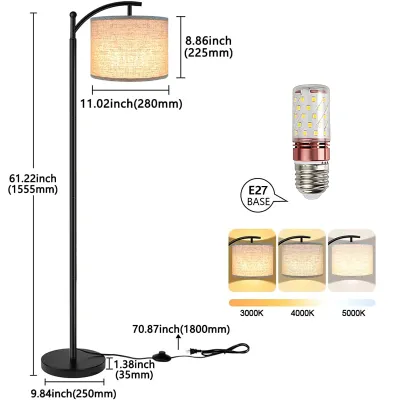
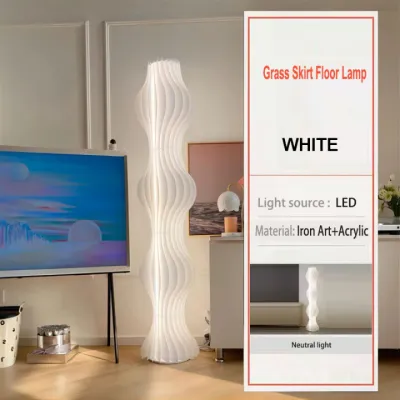
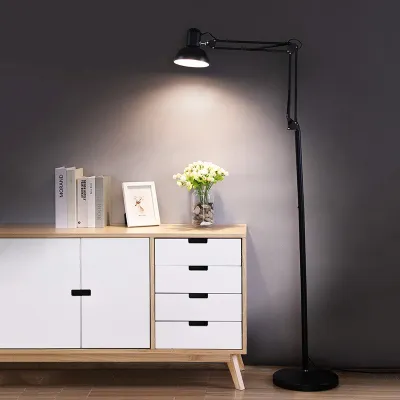

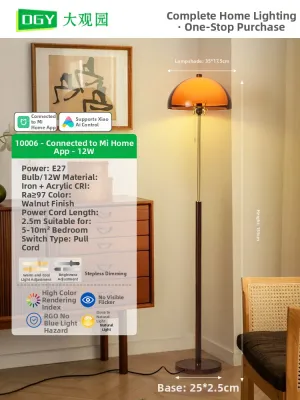
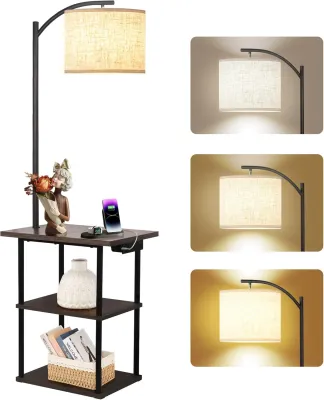
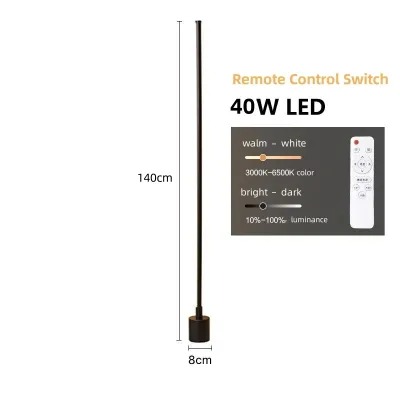
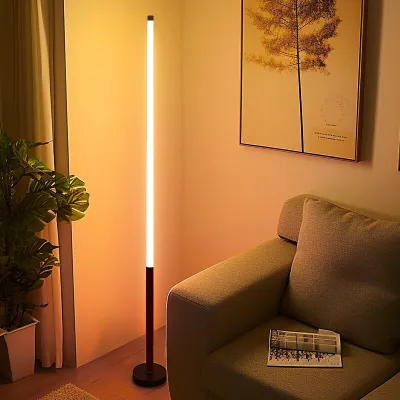
Prices are valid at publication and may change. Please refer to the product page for the latest price.
If you prefer LED bulbs, this range typically translates to a power consumption of 6 to 10 watts, compared to the 40 to 60 watts required by older incandescent bulbs. Selecting a bulb with the correct lumen output ensures that your eyes do not have to work overtime to distinguish characters, which is the primary cause of reading-induced headaches.
Color Temperature and Color Rendering Index
Color temperature, measured in Kelvin (K), dictates the warmth or coolness of the light. For a living room setting, a warm-to-neutral range of 2700K to 3000K is highly recommended. This spectrum mimics the gentle glow of traditional incandescent bulbs, creating a cozy and inviting atmosphere that aligns with a space meant for relaxation.
Equally important is the Color Rendering Index (CRI), which measures how accurately a light source reveals the true colors of objects compared to natural sunlight. Look for bulbs with a CRI of 90 or higher. A high CRI ensures that printed text stands out sharply against the page and that colored illustrations or book covers appear vibrant and true to life, significantly reducing visual fatigue during long reading sessions.
Adjustability and Beam Angle
Directing light precisely onto your page while keeping it out of your eyes is essential for comfortable reading. A lamp with a narrow beam angle (typically between 30 and 60 degrees) concentrates the light on your book or tablet, preventing it from spilling across the room and disturbing others.
To achieve this level of control, prioritize floor lamps with adjustable features such as swiveling heads, counterbalanced arms, or flexible goosenecks. These mechanical adjustments allow you to alter the height and angle of the light source as you shift positions in your chair, ensuring the beam always targets your reading material rather than your face.
Dimming Capabilities
Your lighting needs will naturally change throughout the day and evening. A floor lamp equipped with dimming capabilities—either through a multi-step switch or a stepless rotary dial—offers the versatility required for a multi-use living room.
During the day, you might only need a subtle boost of brightness to counteract shadows. At night, you can dial the intensity up for focused reading, or lower it to a soft, low-level glow when transitioning to watching television or hosting guests. This adaptability makes the fixture a functional asset at any hour.
Top Floor Lamp Styles for a Living Room Reading Nook
Adjustable Task Floor Lamps (Pharmacy and Gooseneck)
Pharmacy and gooseneck lamps are engineered specifically for dedicated, high-focus task lighting. Pharmacy lamps feature a classic, vintage-inspired metal design with a swing arm and a pivoting, tent-shaped shade that directs light downward. Gooseneck lamps utilize a flexible, ribbed neck that can be bent and twisted in virtually any direction, offering unmatched directional versatility.

These styles are highly valued for their compact footprints, making them excellent choices for tight corners or small living rooms where space is at a premium. Because they sit low and direct light downward, they keep the illumination highly localized.
However, their utilitarian or traditional aesthetic may not appeal to those seeking a minimalist or ultra-modern look. Additionally, because their shades are completely opaque, they provide almost no ambient uplighting, meaning they must be paired with other light sources to keep the rest of the room from falling into deep shadow.
Arc Floor Lamps with Downward Shades
Arc floor lamps feature a long, sweeping neck that extends horizontally from a heavy base, suspending the light fixture directly over your seating area. This design allows you to position the base of the lamp in a corner or behind a piece of furniture while the light source itself hangs perfectly over the center of a deep armchair, sectional sofa, or chaise lounge.
This style is highly effective for reading corners that lack adjacent side tables, as it eliminates the need for a surface to hold a smaller lamp. Visually, an arc lamp serves as a striking design statement, adding height and architectural interest to your living room.
On the practical side, arc lamps require a substantial amount of space. The sweeping arm needs adequate clearance from walls and ceilings, and the base must be exceptionally heavy to counterbalance the extended weight of the arm. Care must also be taken to select a model with an opaque or downward-angled shade to ensure the bulb does not shine directly into the eyes of anyone sitting nearby.
Torchiere Lamps with Side Reading Lights
Torchiere lamps are tall fixtures designed to direct light upward toward the ceiling, where it bounces back down to provide soft, indirect ambient illumination throughout the room. Many modern torchieres feature an integrated, secondary reading light on a flexible side arm, creating a highly functional dual-purpose fixture.
This style is incredibly space-efficient, as it allows a single floor lamp to handle two distinct lighting duties: filling the room with general light and providing focused task lighting for a reader seated directly below. Most models feature independent switches, allowing you to use either light source on its own or both simultaneously.
While highly practical, torchiere lamps with side arms can sometimes look visually busy due to the multiple shades and adjustable joints. It is also important to inspect the build quality of the side arm; lower-quality models may have weak joints that droop over time, or a base that is too light to remain stable when the reading arm is fully extended.
Essential Specifications and Safety Checks Before You Buy
Voltage and Plug Compatibility
When shopping for floor lamps for living room spaces, verifying local electrical compatibility is a critical first step. In the Philippines, the standard residential electrical system operates at 220V to 240V at 60Hz. Ensure that any lamp you purchase, especially if imported, is rated for this voltage to prevent electrical shorts, overheating, or damage to the fixture.
Additionally, check the plug type attached to the cord. The most common configurations in local homes are Type A (two flat parallel pins) and Type B (two flat pins with a round grounding pin). Purchasing a lamp with a compatible plug reduces the need for bulky, loose-fitting adapters, which can pose a fire hazard or cause intermittent power connection issues.
Bulb Base and Wattage Limits
Always locate the safety label on the lamp socket to identify the accepted bulb base and the maximum wattage limit. The most common screw-in socket size is E27, which accommodates a wide variety of LED, halogen, and incandescent bulbs.
Never exceed the maximum wattage rating specified by the manufacturer (for example, “Max 40W”). Exceeding this limit can cause heat to build up inside the socket and shade, potentially melting plastic components, degrading the wire insulation, and creating a serious fire hazard. When using energy-efficient LED bulbs, refer to their actual wattage consumption rather than their incandescent equivalent wattage to ensure you stay safely within the lamp’s thermal limits.
Base Weight and Stability
Because floor lamps are tall, freestanding fixtures, they have a naturally high center of gravity that makes them susceptible to tipping if bumped. To ensure safety, look for models that feature a heavy, solid base made of materials like cast iron, concrete, or dense stone.
Before finalizing your purchase, perform a simple stability check if viewing the lamp in person. Gently nudge the upper pole of the lamp; a well-engineered fixture should sway slightly but quickly return to its upright position without lifting off the floor or wobbling at the base. This stability is particularly important in busy households with active pets or young children.
Material and Finish for Humid Climates
The tropical climate and high relative humidity levels in the Philippines can take a toll on household fixtures. Untreated metals are highly susceptible to rust, corrosion, and tarnish over time, especially in coastal areas or homes utilizing natural ventilation.
Opt for floor lamps constructed from durable, corrosion-resistant materials such as powder-coated steel, solid brass, anodized aluminum, or treated hardwoods. If the lamp features a fabric shade, ensure the material is easy to vacuum or dust, and check that it is tightly woven to prevent mold or mildew from taking hold during the damp monsoon season.
How to Position Your Lamp and Layer Living Room Lighting
Optimal Placement for Reading Comfort
To maximize visual comfort and prevent physical strain, position your floor lamp slightly behind and to the side of your favorite reading chair. This placement allows the light to sweep over your shoulder and illuminate your page directly, without casting a shadow from your head or hands.
Ideally, the bottom edge of the lampshade should be roughly at eye level when you are seated—generally between 40 and 49 inches from the floor. This height ensures that the bright, exposed bulb remains hidden from your direct line of sight, preventing glare. If you are right-handed, place the lamp on your left side to avoid casting shadows across your book as you turn pages, and vice versa if you are left-handed.
Layering with Ambient Light
Reading in an otherwise dark room with only a single, bright spotlight focused on your book is a major cause of eye strain. This phenomenon, known as contrast fatigue, occurs because your pupils must constantly adjust between the bright page and the surrounding darkness.
To prevent this, layer your task lighting with soft ambient light. Keep a low-wattage table lamp turned on across the room, utilize dim overhead recessed lights, or use the uplight function of a torchiere lamp. By softening the contrast between your reading nook and the rest of the living room, you create a much more comfortable environment for extended reading.
Managing Cords and Safety
Because floor lamps are plug-in fixtures, managing the power cord is essential for both safety and aesthetics. Avoid running power cords across high-traffic walkways where they present a tripping hazard.
Never route cords under heavy area rugs or carpets; the weight of foot traffic and furniture can pinch the cord, wearing down the protective insulation and creating a hidden fire risk. Instead, run cords neatly along the baseboards, secure them with low-profile cable clips, or position your reading chair close enough to an outlet so the cord can be tucked directly behind the furniture.
Frequently Asked Questions (FAQ)
How many lumens do I need for a reading floor lamp?
For comfortable reading, your task light should deliver between 400 and 800 lumens to the surface of your page. Older readers or those with mild visual impairments may require a brighter output, closer to 1,000 lumens, to maintain crisp text contrast and prevent eye fatigue. If your lamp has a dimmer, you can easily adjust this output based on the time of day and your personal comfort level.
Is warm or cool light better for reading in the living room?
A warm-to-neutral light temperature between 2700K and 3500K is highly recommended for living room reading. This range provides a relaxing, cozy ambiance that matches the rest of the home while still offering excellent contrast for reading printed text or screens. Cool white light (4000K and above) can improve alertness but often feels too harsh, clinical, and disruptive to a relaxing evening environment.
Can I use a smart bulb in a standard floor lamp for reading?
Yes, you can install a smart bulb in any standard floor lamp, provided the bulb’s base matches the lamp’s socket (typically E27) and the bulb’s wattage does not exceed the fixture’s limit. Smart bulbs allow you to adjust both brightness and color temperature directly from your phone or smart home system. However, do not use a smart bulb in a lamp that features a physical, built-in dimmer switch or touch-sensitive control, as this compatibility conflict can cause flickering, buzzing, or permanent damage to the bulb’s internal electronics.

Community discussion
Share your experience or ask a question. Comments are reviewed before publication.