
Finding the right lampshade stand for living room setups in the Philippines requires balancing ambient warmth with functional task lighting. Whether you are illuminating a spacious living area in a Quezon City house or setting up a cozy reading corner in a high-rise Makati condo, a well-chosen floor lamp serves as both a design statement and a practical necessity. The ideal selection combines proper light diffusion, structural stability, and materials capable of withstanding local environmental factors.
By understanding how different lamp styles, materials, and positions affect light distribution, you can create a highly functional lighting scheme. This guide explores the essential features to evaluate before buying and highlights the best floor lamp styles to elevate your home’s comfort and style.
Quick Guide: Choosing a Lampshade Stand for Living Room and Reading Corner Use
A floor lamp serves a crucial dual purpose in home lighting design. By enclosing the light source, a lampshade diffuses intense bulb glare horizontally to create a soft, welcoming ambient glow throughout the living space. Simultaneously, the open top and bottom of the shade direct focused paths of light upward to bounce off the ceiling and downward to illuminate specific tasks, such as reading or writing. This balanced light distribution is essential for preventing eye strain and establishing a comfortable atmosphere.
Products mentioned in this guide
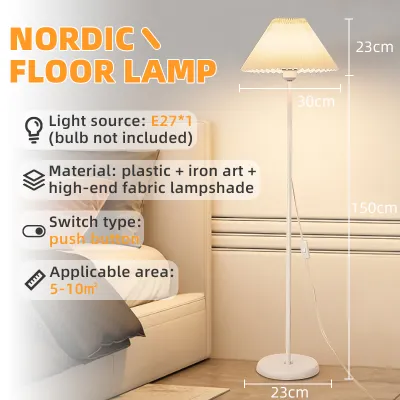
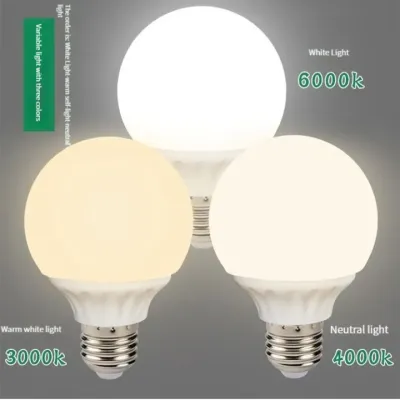
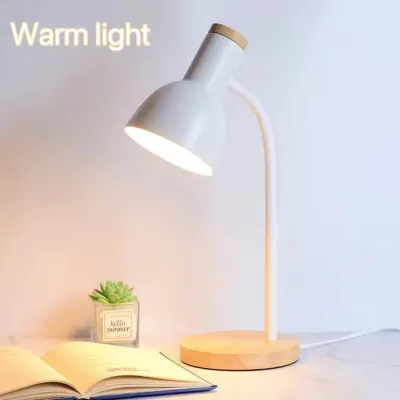
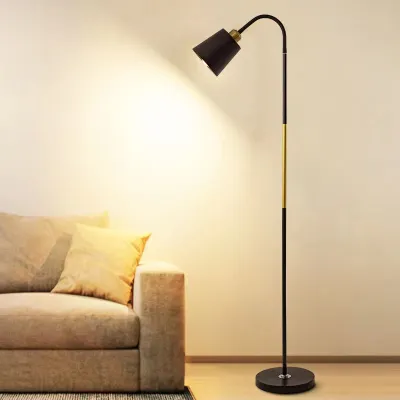
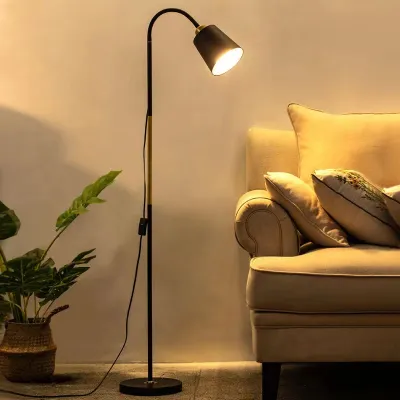
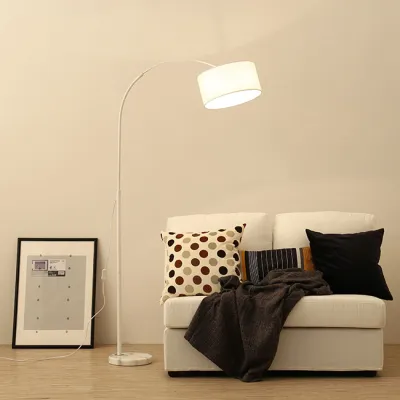
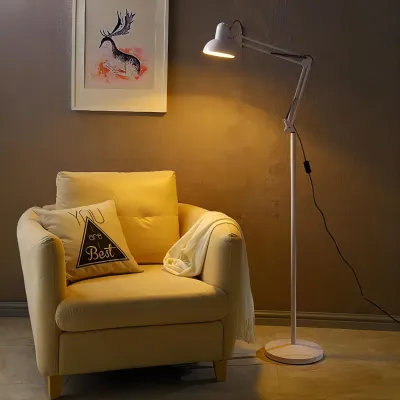
Prices are valid at publication and may change. Please refer to the product page for the latest price.
In typical Filipino homes, the living room often serves as a multi-functional hub where family members gather, watch television, study, and entertain guests. This multi-use nature means a single ceiling fixture is rarely sufficient. A floor lamp provides a highly adaptable solution, allowing you to zone your space visually. By placing a lamp in a designated corner, you can instantly transition a portion of the room into a quiet reading retreat without needing to dim or brighten the main overhead lights.
Matching the lamp’s physical height, shade opacity, and overall footprint to your specific seating arrangements ensures that the fixture delivers both functional task lighting and cohesive room illumination. A lamp with an oversized base can easily crowd narrow walkways, while a model that is too short might expose the bare bulb to seated individuals, causing uncomfortable glare. Prioritizing both stability and light control is the key to a successful setup.
Key Features to Evaluate Before Buying
Before purchasing a floor lamp, evaluating specific technical and material features will help you choose a model that fits your home’s aesthetic and functional needs.

Shade Material and Opacity The material of your lampshade directly dictates how light is diffused and how much glare is controlled. Fabric shades, such as linen and cotton, are highly popular because they soften light beautifully, creating a warm, relaxed mood suitable for living rooms. Paper and parchment shades offer a minimalist aesthetic and a very soft glow, but they are delicate and highly sensitive to environmental conditions. Natural woven materials like rattan, bamboo, or abaca add excellent organic texture to tropical interiors, though they often cast patterned shadows that may not be ideal for focused reading. Glass shades, whether frosted or clear, offer high light output but require careful bulb selection to prevent direct glare.
Height and Proportions To ensure optimal comfort, a floor lamp’s height must correspond to the proportions of your living room furniture. Standard sofa and armchair seat heights typically range from 40 to 50 centimeters from the floor. When you are seated, the bottom edge of the lampshade should ideally align with your eye level, which is generally between 100 and 120 centimeters from the floor. This positioning ensures that the bright light source remains hidden from your direct line of sight while casting an unobstructed cone of light onto your book, tablet, or lap.
Bulb Compatibility and Color Temperature In the Philippines, the standard household electrical system operates at 220V and 60Hz. When selecting a floor lamp, always verify that the socket is rated for this voltage and check the maximum wattage limit, which is typically printed on a label near the socket. The E27 screw base is the most common and widely available interface in local hardware stores, making bulb replacement straightforward. For color temperature, 2700K to 3000K (Warm White) is a popular conditional preference that creates a cozy, inviting ambiance. For dedicated reading, a neutral white light of around 4000K is often preferred to enhance contrast and reduce eye strain, though adjustable smart LED bulbs offer the flexibility to change temperatures as needed.
Base Stability and Footprint A stable base is essential for safety, particularly in high-traffic living areas. Look for lamps with heavy, weighted bases made of solid marble, cast iron, or thick steel. In Philippine households, this stability is especially critical because the frequent use of high-velocity floor fans or stand fans can easily tip over lightweight or top-heavy fixtures. While a wider base provides superior stability, it also occupies more floor space, so measure the area next to your seating carefully before making a purchase.
Top Floor Lamp Styles for Ambient and Task Lighting
Different structural designs offer unique advantages for ambient room illumination and focused reading tasks. Understanding these styles allows you to select the best option for your specific layout.
Classic Club Lamps with Drum Shades
Classic club lamps consist of a single, straight vertical pole rising from a weighted base, topped with a cylindrical drum shade. This traditional design is highly effective at distributing light evenly throughout a room. The open top of the drum shade allows light to bounce off the ceiling, contributing to the general ambient brightness of the space, while the open bottom directs a clear pool of light downward onto nearby surfaces.
This style is exceptionally versatile and fits neatly into dark corners or directly beside a sofa. Because the cylindrical shade completely surrounds the bulb horizontally, it minimizes direct glare for anyone sitting or standing nearby. When choosing a club lamp, look for a sturdy pole construction and a shade diameter that complements the scale of your surrounding furniture without obstructing walkways.
Styling a classic club lamp is straightforward. Because of its clean vertical lines, it pairs beautifully with traditional Filipino wooden furniture, such as narra or mahogany armchairs. To elevate the look, choose a drum shade with a textured fabric like coarse linen, which adds depth to the light when illuminated. This style is also highly stable, making it a safe choice to place next to high-traffic pathways where family members frequently pass.
Arc Floor Lamps with Overhanging Shades
Arc floor lamps feature a long, curved arm that extends outward from a heavy base, suspending the lampshade directly over a specific area. This design is ideal for positioning light directly over a reading chair, sectional sofa, or coffee table without requiring an adjacent side table or taking up immediate floor space next to the seating.
Because of the extended overhead reach, arc lamps require an exceptionally heavy, low-profile base—often made of solid marble or weighted metal—to offset the leverage of the overhanging arm and prevent tipping. It is crucial to verify the manufacturer’s assembly instructions and ensure the base is placed on a completely flat, level surface. While the sweeping arc adds a dramatic, modern visual element, it requires a larger spatial clearance to prevent people from accidentally bumping into the curved arm.
In terms of styling, arc lamps are highly compatible with modern, minimalist, or industrial interior designs. They are particularly useful for sectionals where a standard side table cannot fit. However, because the arm extends outward, it is vital to ensure the arc does not cross low-ceiling areas where tall individuals might bump their heads. Always measure the clearance height from the floor to the lowest point of the curved arm to ensure safe movement around the seating area.
Torchiere Lamps with Integrated Reading Arms
A torchiere lamp is a highly functional dual-source lighting option designed to maximize both ambient and task lighting. The main upward-facing bowl-shaped shade directs light toward the ceiling, where it bounces back down to provide soft, indirect ambient light for the entire room. Meanwhile, a secondary, smaller reading arm extends from the main pole, featuring its own adjustable shade that can be pointed directly at your book or lap.
This combination is highly practical for multi-functional living rooms. The main torchiere can be switched on for family gatherings, while the dedicated reading arm can be used independently for focused tasks without over-illuminating the rest of the space. Ensure that both light sources have independent switches so you can control them separately based on your immediate needs.
When placing a torchiere, consider the color of your ceiling. Because this style relies on bouncing light off the upper surface, a white or light-colored ceiling will reflect light much more efficiently than a dark or wood-paneled ceiling. If your ceiling features dark wooden beams, a torchiere might not provide as much ambient brightness, making the adjustable reading arm even more critical for your daily tasks.
Tripod Floor Lamps with Tapered Shades
Tripod floor lamps utilize a three-legged base design, often constructed from wood or metal, topped with a tapered drum or empire shade. The architectural three-legged stance provides excellent stability and serves as a striking decorative focal point in mid-century modern or contemporary Philippine homes.
The tapered shade, which is narrower at the top and wider at the bottom, naturally directs a larger portion of the light downward, making it highly effective for reading. However, the tripod base has a significantly larger footprint than a standard single-pole lamp. It requires a dedicated corner or a spacious area beside an armchair where the legs will not present a tripping hazard to family members or guests walking through the room.
To integrate a tripod lamp successfully, consider the placement of its cords. Because the legs spread outward, the electrical cord often hangs down from the center socket, which can look untidy if not managed. Many high-quality tripod lamps feature integrated cord clips along one of the legs to keep the wire hidden. Position the lamp so that the legs do not protrude into main walking paths, preventing accidental trips that could damage both the lamp and your flooring.
How to Position Your Lamp for the Best Lighting Effect
The physical placement of your floor lamp determines how effectively it illuminates your space and how comfortable the light is to use.
Reading Corners To set up an ergonomic reading nook, place the floor lamp slightly behind and to the side of your favorite armchair. This positioning allows the light to come from behind your shoulder, illuminating your book or device without casting shadows from your body or creating reflections on screens. The bottom edge of the lampshade should remain just above your eye level when seated to prevent the bare bulb from shining directly into your eyes.
Sofa and Sectional Pairing When placing floor lamps near a main sofa, positioning them at either end of the seating arrangement helps frame the furniture and creates a balanced, symmetrical look. If you have an L-shaped sectional, an arc lamp can be placed behind the corner wedge to project light over the center of the seating area, while a classic club lamp can anchor the open end. Ensure that switches are easily reachable from a seated position so you do not have to stand up to adjust the lighting.
Dark Corners and Architectural Features Floor lamps are excellent tools for washing dark corners with light, which visually expands the perceived size of the room. You can also use them to highlight architectural features or indoor plants. When positioning your lamp relative to a television screen, place the fixture at an angle that avoids direct reflection on the glass. A lamp placed directly opposite a TV will cause distracting glare, while a lamp positioned slightly to the side or behind the screen can actually help reduce eye strain by softening the contrast between the bright display and the dark room.
In the humid climate of the Philippines, be cautious when placing lamps near open windows, sliding balcony doors, or heavily misted indoor plants. High humidity and accidental water splashes can damage delicate paper or fabric shades and pose electrical safety risks. Keep lamps in well-ventilated, dry indoor areas to ensure longevity.
Maintenance and Safety Tips for Tropical Climates
Operating electrical fixtures in a tropical environment requires regular maintenance to prevent damage and ensure safety.
Dusting and Cleaning Shades Dust accumulation is common in tropical environments, especially in homes that rely on natural ventilation. For fabric and linen shades, use a soft-bristled brush, a lint roller, or a dry microfiber cloth to gently remove dust weekly. Glass shades can be wiped down with a slightly damp microfiber cloth after ensuring the lamp is completely unplugged and the bulb has cooled. Never use harsh chemical solvents or abrasive pads, which can degrade the shade material or strip protective coatings.
Humidity and Material Care The high relative humidity in the Philippines can cause certain natural materials—such as untreated paper, delicate silks, or raw rattan—to warp, discolor, or develop mold over time. To prevent this, opt for synthetic fabric blends, treated linen, metal, or glass shades in high-humidity areas. If you prefer natural materials, ensure they are treated with protective, moisture-resistant sealants and keep them away from areas with stagnant air or direct moisture exposure.
For metal components, coastal areas or high-humidity regions can accelerate rust and corrosion. To protect metal poles and bases, wipe them down periodically with a dry microfiber cloth to remove moisture and salt residue. If you notice minor rust spots forming on chrome or brass finishes, a gentle polish with a specialized metal cleaner can restore the shine and prevent further oxidation. Always ensure the power is completely disconnected before performing any maintenance on the lamp’s frame.
Electrical Safety Always prioritize electrical safety by verifying that your floor lamp is plugged into a secure, undamaged wall outlet. Ensure the lamp’s cord is not pinched under heavy furniture or laid across high-traffic walkways where it could become a tripping hazard or suffer wear. Confirm that the bulb you install does not exceed the maximum wattage rating printed on the lamp’s socket label. If your home experiences frequent voltage fluctuations, consider using a surge protector. For any flickering lights, loose sockets, or wiring concerns, always consult a qualified professional or licensed electrician rather than attempting DIY electrical repairs.
Frequently Asked Questions (FAQ)
Can I use a smart bulb in a standard floor lamp with a lampshade?
Yes, you can use a smart bulb in a standard floor lamp, provided the bulb’s base matches the lamp’s socket (typically E27) and its wattage does not exceed the fixture’s maximum limit. It is highly recommended to use LED smart bulbs, as they generate significantly less heat than traditional incandescent bulbs. Enclosed or semi-enclosed lampshades can trap heat, and excessive heat buildup can shorten the lifespan of the smart bulb’s sensitive internal electronics.
What is the best lampshade color for reading?
For dedicated reading, a lampshade with a white or light cream interior is the best choice because it reflects and maximizes the light output downward. For the exterior of the shade, lighter colors provide a brighter, more diffused ambient glow throughout the entire room. If you prefer a cozier, more focused reading light that does not illuminate the rest of the living room, a darker or opaque exterior shade with a reflective light-colored lining will direct a concentrated beam downward while minimizing side glare.

Community discussion
Share your experience or ask a question. Comments are reviewed before publication.