
Creating a dedicated reading corner in your bedroom offers a personal sanctuary for winding down after a long day. In the Philippines, where bedroom spaces range from compact city condominiums to breezy suburban homes, selecting the right lighting fixture is essential for both comfort and style. The best floor lamp with a shade for a bedroom reading corner balances focused task illumination with soft, ambient diffusion that resists the local tropical humidity.
Finding the right floor lampshade for bedroom reading requires looking beyond mere aesthetics. You must consider how the shade material handles heat, how the base fits into typical compact layouts, and how the light quality protects your eyes during late-night reading sessions. By selecting a fixture that harmonizes with your interior design and meets strict electrical safety standards, you can transform any quiet corner into an inviting literary escape.
Selecting the Right Floor Lampshade for Bedroom Reading Corners
To build a reading nook that is both functional and visually soothing, you must evaluate several key features of your potential floor lamp. The interaction between the bulb, the shade, and the physical structure of the lamp dictates how comfortable your reading sessions will be.
Products mentioned in this guide
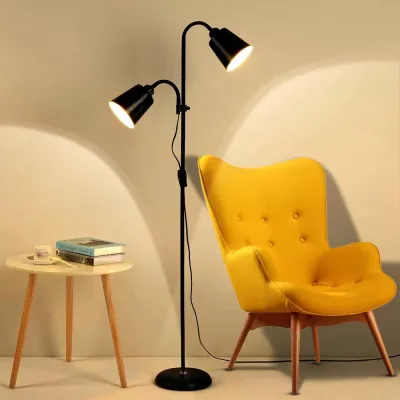
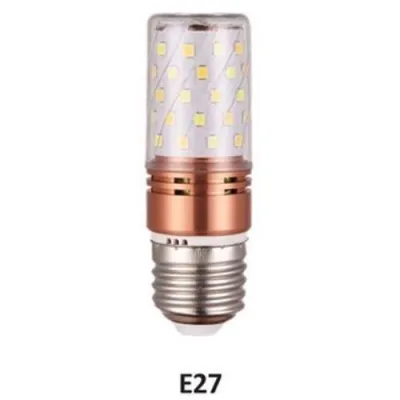
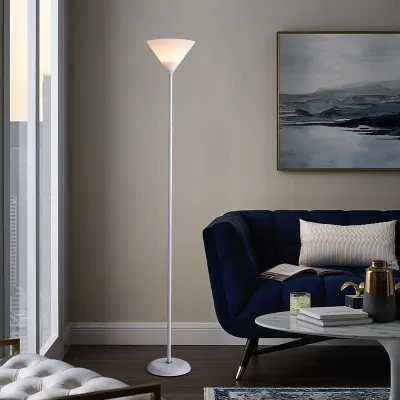
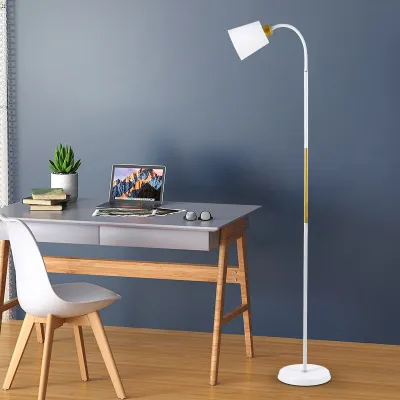
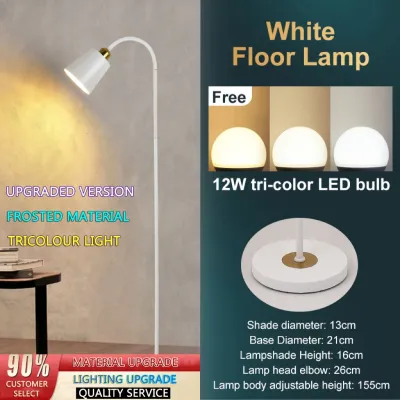
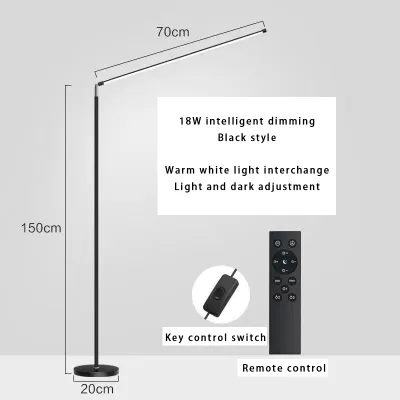
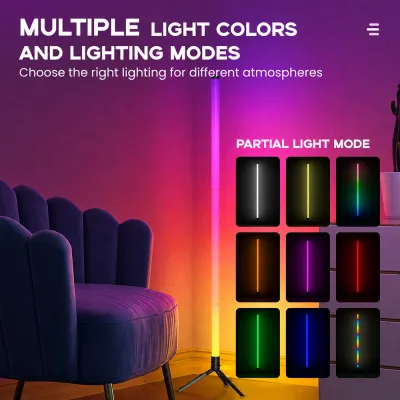
Prices are valid at publication and may change. Please refer to the product page for the latest price.
Shade Material and Light Diffusion
The material of your lampshade determines how light is distributed throughout your bedroom. Fabric shades, such as those made of linen, cotton, or polyester blends, are excellent at diffusing light. They scatter the glow outward, casting a warm, gentle ambiance across the room while softening the direct glare from the bulb. In the humid Philippine climate, synthetic blends or treated cotton are often preferred as they are less prone to trapping moisture and developing mildew compared to heavy, untreated organic fabrics.
Metal shades, on the other hand, are completely opaque. They block all lateral light, channeling the entire beam downward or upward. This creates a highly concentrated pool of light perfect for focused reading, though it leaves the rest of the corner in shadow. Glass shades offer a middle ground; frosted or opal glass diffuses light beautifully in all directions, whereas clear glass should generally be avoided for reading as it exposes the bare bulb, leading to intense eye strain.
Bulb Compatibility and Light Quality
Before purchasing any floor lamp, always inspect the socket specification—most fixtures in the Philippines utilize standard E27 screw bases. You must verify the maximum wattage limit printed on the manufacturer’s safety label. Exceeding this limit is a serious fire hazard, particularly with fabric or paper shades that can scorch under high temperatures.
For reading, you do not need an excessively bright light; a bulb delivering between 450 and 800 lumens (the equivalent of a 40-watt to 60-watt traditional incandescent) is ideal. The color temperature of the bulb is equally critical for a bedroom environment. Warm white light, ranging from 2700K to 3000K, is highly recommended because it creates a cozy, relaxing atmosphere and does not interfere with your body’s natural sleep preparation. Avoid cool daylight bulbs (6000K and above) in the bedroom, as the high blue-light content mimics midday sun, tricking your brain into staying awake and causing eye fatigue during nighttime reading.
Adjustability and Control
A great reading lamp adapts to your posture. Look for fixtures featuring adjustable components, such as flexible goosenecks, counterbalanced swing arms, or swiveling shade joints. These mechanisms allow you to direct the light precisely onto your book, e-reader, or tablet without having to physically drag the entire lamp closer.
Furthermore, consider how you control the lamp. A step-on foot switch is incredibly convenient for bedroom corners, allowing you to turn the light on or off with a simple tap of your foot. If you prefer to read in bed, a lamp with a rotary switch located directly on the socket or an inline cord switch within arm’s reach is much more practical than a switch located high up on the pole.
Footprint and Base Stability
Space is often at a premium in modern Filipino bedrooms, particularly in urban condominiums and townhouses. A floor lamp must have a footprint that fits comfortably between your reading chair and the wall or bedside table.
However, a small footprint must not compromise stability. The base of the lamp must be sufficiently heavy—often constructed from solid iron, steel, or weighted marble—to prevent the lamp from tipping over. This is especially important if you select an arc or swing-arm lamp, where the center of gravity is offset. A stable base ensures the fixture remains upright even if accidentally bumped in the dark or nudged by pets and children.
Recommended Floor Lamp Styles for Bedroom Reading Corners
Different bedroom layouts and personal reading habits call for different lamp configurations. By understanding the structural advantages and limitations of various lamp styles, you can select a fixture that complements both your room’s layout and your design aesthetic, whether you prefer the warm wood tones of traditional Filipino homes or the clean lines of modern minimalism.

Arc Floor Lamps with Drum Shades
Arc floor lamps feature a long, curved pole that extends upward and outward, suspending the shade over a specific spot. This dramatic silhouette makes them a striking design statement in any bedroom.
- Best For: This style is ideal for reading in bed or from a deep lounge chair where space directly next to the seating is limited. Because the base can be tucked behind a headboard, placed in a distant corner, or slid underneath a low-profile chair, the light source can hang directly over your shoulder without the pole obstructing your movement or blocking pathways.
- Shade Benefits: Typically paired with large drum shades, arc lamps provide an excellent combination of downward task lighting and soft, lateral ambient diffusion. The drum shade shields your eyes from direct bulb glare while casting a wide, even pool of light over your reading material.
- Limitations: Arc lamps require a significant amount of physical space. The sweeping arm needs both vertical clearance from low ceilings and horizontal clearance so that taller family members do not bump their heads. Additionally, because the weight is suspended far from the center, these lamps require exceptionally heavy, wide bases, making them difficult to move around once assembled.
Adjustable Task Floor Lamps with Cone Shades
Adjustable task lamps are engineered specifically for focused work and reading. Drawing inspiration from classic architect draftsmen lights, these floor-standing variants prioritize utility and precision.
- Best For: This style is perfect for dedicated reading nooks, study corners, or bedside setups where you require high-contrast, directional illumination. If you frequently read books with fine print or engage in detailed hobbies like sketching or embroidery in your bedroom, the targeted light of a task lamp is unmatched.
- Shade Benefits: Cone-shaped or bell-shaped shades—usually made of opaque metal or thick, lined materials—act as natural spotlights. They concentrate the light beam directly onto your pages, preventing light from spilling across the rest of the bedroom. This directional control is incredibly useful if you share a bedroom, as it allows you to read late into the night without casting disruptive light onto a sleeping partner.
- Limitations: The primary drawback of adjustable task lamps is their aesthetic. If not chosen carefully, their metallic, jointed construction can look overly industrial, sterile, or office-like. To integrate them seamlessly into a cozy bedroom, look for models that combine metal shades with warm wooden accents, or opt for soft matte finishes like brass, cream, or sage green.
Tripod Floor Lamps with Fabric Shades
Tripod floor lamps utilize three legs constructed from wood or metal to support a central light fixture. This style is highly celebrated in interior design for its architectural beauty and stability.
- Best For: Tripod lamps are best suited for creating a warm, inviting, and visually balanced corner. They excel in bedrooms where the lamp must serve a dual purpose: providing a relaxing ambient glow for the entire room while offering enough generalized light for casual reading.
- Shade Benefits: Usually topped with a classic fabric drum or empire shade, tripod lamps excel at softening light. The fabric filters the bulb's output, eliminating harsh contrasts and casting a gentle, flattering glow. The texture of the fabric shade—whether linen, burlap, or cotton—adds visual warmth and tactile interest to the bedroom decor.
- Limitations: Tripod lamps are physically rigid. They lack adjustable arms or swiveling heads, meaning you cannot redirect the light beam or adjust the height. Furthermore, the three-legged base requires a relatively large, unobstructed floor footprint, making them less suitable for extremely tight corners or narrow pathways where the legs could present a tripping hazard.
Quick Comparison: Matching Lamp Styles to Your Bedroom Layout
To help you visualize how these different styles function in real-world spaces, the table below compares their physical traits, adjustability, and spatial requirements.
| Lamp Style | Best Use Case | Adjustability Level | Space Requirement | Ideal Shade Type |
|---|---|---|---|---|
| Arc Floor Lamp | Reading in bed or deep lounge chairs | Moderate (adjustable reach and height on some models) | Large vertical and horizontal clearance | Fabric Drum |
| Adjustable Task Lamp | Dedicated reading chairs, desks, or shared bedrooms | High (swivel joints, goosenecks, and telescoping poles) | Minimal floor footprint | Metal Cone or Bell |
| Tripod Floor Lamp | Ambient corner lighting and casual, relaxed reading | Low (fixed height and non-adjustable angle) | Moderate to large floor footprint | Fabric Drum or Empire |
When selecting a style, consider your primary reading habits. If you read intensely for hours, an adjustable task lamp is the most ergonomic choice. If you prefer a cozy spot to skim a chapter before sleeping, a tripod or arc lamp with a fabric shade will provide the relaxing atmosphere you desire.
How to Position Your Floor Lamp to Prevent Eye Strain
Even the highest-quality floor lamp can cause discomfort if it is positioned incorrectly. Proper placement maximizes visual clarity, minimizes glare, and prevents the physical fatigue associated with poor lighting ergonomics.
Ideal Height and Angle
The golden rule for positioning a reading lamp is to keep the bottom of the lampshade at or slightly below your eye level when you are seated in your reading chair or propped up in bed. This placement ensures that the opaque or diffused portion of the shade shields your eyes from the intense, direct glare of the bulb. If the shade sits too high, you will constantly look up into the exposed light source, which quickly leads to headaches and eye strain. Conversely, if the shade is too low, the pool of light will be too small, forcing you to hunch forward or hold your book at an uncomfortable angle to keep the text illuminated.
Distance and Shadow Management
To avoid casting shadows over your reading material, position the floor lamp slightly behind and to the side of your shoulder. If you are reading a physical book, place the lamp on the side opposite your dominant hand. This prevents your hand or arm from casting a shadow across the pages as you turn them. Keep the light source approximately 2 to 3 feet away from your book or device. Placing the lamp too close can create an overly bright hotspot on the page, causing glare—especially on glossy paper or semi-reflective tablet screens—while placing it too far away reduces the light intensity below comfortable reading levels.
Light Layering
Reading in a completely dark room with only a single, intense spotlight focused on your book is a major cause of eye strain. This high-contrast setup forces your eyes to work overtime as they constantly adjust between the bright page and the surrounding darkness. To mitigate this, practice light layering. Combine your reading floor lamp with a soft source of ambient light, such as a dimmed ceiling light, a warm wall sconce, or a low-wattage bedside table lamp. This secondary light source softens the transition between light and shadow, creating a balanced visual environment that allows you to read comfortably for hours.
Buying and Electrical Safety Checklist for Philippine Homes
Purchasing and installing electrical fixtures in the Philippines requires careful attention to local standards, environmental factors, and home safety. Because bedrooms are high-occupancy, personal spaces, taking these precautions ensures your reading corner remains safe and functional.
Voltage and Plug Compatibility
The standard electrical system in the Philippines operates at 220 volts and a frequency of 60 hertz. However, many floor lamps sold on international online marketplaces are manufactured for 110-volt systems. Before purchasing, always read the product specifications to confirm the lamp’s voltage compatibility. Connecting a 110V lamp directly to a 220V outlet without a step-down transformer will destroy the bulb, damage the wiring, and potentially cause an electrical fire.
Additionally, verify the plug type. Philippine homes typically use Type A (two flat parallel prongs), Type B (two flat prongs with a round grounding pin), or Type C (two round prongs) outlets. Ensure the lamp comes with a compatible plug or that you use a high-quality, certified adapter. Look for safety marks such as the Philippine Standard (PS) mark or the Import Commodity Clearance (ICC) sticker when buying from local retailers to guarantee compliance with national safety regulations.
Purchasing from E-commerce Platforms
When shopping on online e-commerce platforms, exercise diligence. Since you cannot physically inspect the lamp before buying, read customer reviews carefully, paying close attention to photos and videos uploaded by local buyers. Look for feedback regarding the actual weight and sturdiness of the base, as some budget lamps use lightweight plastic bases that tip over easily. Check the quality of the metal threads and joints, as loose connections can cause the lamp to lean or wobble. Only buy from reputable sellers with high ratings and clear return policies so you can easily exchange the product if it arrives damaged or missing parts.
Cord Management and Safety
In compact bedrooms, a long power cord trailing from the lamp to the wall outlet can easily become a tripping hazard. This is particularly dangerous in households with active pets or young children. To secure the cord, use adhesive cable clips to run the wire neatly along your baseboards. Alternatively, you can use decorative cord covers that match your bedroom walls. Never run electrical cords under heavy furniture, rugs, or carpets; walking over a hidden cord can wear down the protective rubber insulation over time, exposing live wires and creating a severe fire hazard.
Heat Dissipation in Tropical Climates
The Philippines’ tropical climate means bedrooms can get warm and humid, particularly during the dry season. Traditional incandescent or halogen bulbs generate an immense amount of heat, which can make your reading corner uncomfortably hot and cause fabric or paper shades to degrade, yellow, or even scorch over time. To prevent heat build-up, always equip your floor lamp with high-quality LED bulbs. LEDs run cool to the touch, convert almost all their energy into light rather than heat, and consume significantly less electricity—helping you manage your monthly Meralco bill while ensuring your cozy reading nook remains comfortable year-round.
Frequently Asked Questions (FAQ)
What is the best color temperature for reading in bed?
For reading in bed before sleep, the best color temperature is warm white, which falls between 2700K and 3000K. This warm, amber-toned light mimics the natural glow of a sunset, which helps signal to your brain that it is time to wind down, promoting the healthy production of melatonin. Ensure the bulb provides a brightness of 450 to 800 lumens so you can read clearly without straining your eyes, but avoid cool white or daylight bulbs (5000K to 6500K) as they can disrupt your sleep cycle.
Can I use a smart bulb in a standard floor lamp with a shade?
Yes, you can easily use a smart bulb in almost any standard floor lamp, provided the bulb’s base matches the lamp’s socket (which is typically a standard E27 screw base in the Philippines). Installing a smart bulb allows you to adjust both the brightness and the color temperature using a smartphone app or voice commands. This flexibility is highly beneficial for a bedroom, letting you set a bright, neutral light for daytime reading and instantly dimming it to a warm, soft glow for late-night relaxation without needing to buy a specialized dimmable fixture.
How do I clean fabric lampshades in a humid climate?
To maintain fabric lampshades in the humid Philippine climate and prevent the growth of mold or mildew, dust them weekly. Use a clean microfiber cloth, a lint roller, or the soft brush attachment of a vacuum cleaner to remove accumulated dust. If the shade has a stain, gently spot-clean it using a damp cloth with a tiny amount of mild dish soap, taking care not to saturate the fabric. Always allow the lampshade to air-dry completely in a well-ventilated room or under a fan before turning the lamp back on, as trapped moisture combined with the heat of a bulb can encourage mold growth. If you are ever unsure about the cleaning process, always consult the manufacturer’s specific care instructions first.

Community discussion
Share your experience or ask a question. Comments are reviewed before publication.