
Selecting the right floor lampshade material is the deciding factor in how a room feels and functions. In a reading corner, your eyes require a concentrated, glare-free beam of light that prevents strain during long sessions. In contrast, a living room demands a soft, diffused glow that spreads evenly to foster a relaxed, social atmosphere. The key to achieving these distinct lighting effects lies in the material of your floor lampshade. By understanding how different materials interact with light, you can easily transform your living space into a balanced haven of productivity and comfort.
How Lampshade Materials Shape Light Quality
Every material used in lampshades possesses unique optical properties that dictate how light travels from the bulb to your eyes. These properties include opacity, weave density, and translucency. Opacity refers to a material’s ability to block light entirely, forcing the illumination to escape only through the open top or bottom of the shade. Translucency, on the other hand, allows light to pass through the material itself, scattering the rays in multiple directions. The density of a fabric’s weave determines how much raw light is filtered, directly affecting both the brightness and the softness of the output.
When setting up a floor lamp, you are choosing between task lighting and ambient lighting. Task lighting is highly directional, designed to illuminate a specific, localized area for activities like reading, sewing, or writing. Ambient lighting serves as the general illumination of a room, softening harsh shadows and making the overall space feel warm and inviting. Because these two lighting goals require completely opposite light distributions, the “best” material is entirely dependent on the primary function of the specific zone in your home. A material that excels at creating a cozy, dim ambiance will often fail to provide the sharp, focused light needed for reading fine print, and vice versa.
Products mentioned in this guide
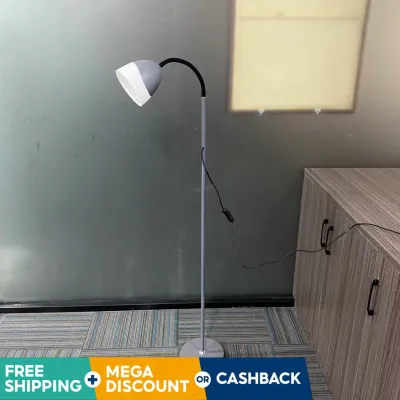
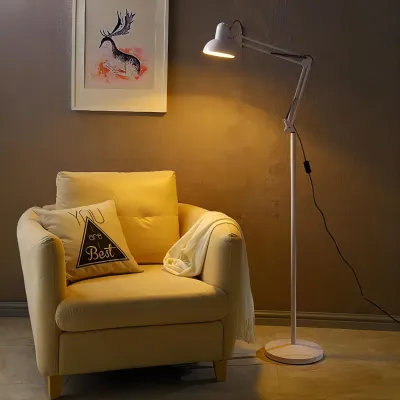
Prices are valid at publication and may change. Please refer to the product page for the latest price.
Choosing the Right Floor Lampshade for Focused Reading Corners
A dedicated reading nook requires lighting that maximizes visual clarity while minimizing eye fatigue. The ideal floor lampshade for this setup must control the direction of the light, preventing the bulb’s raw glare from shining directly into your eyes while casting a strong, focused beam onto your book or tablet.

Metal and Opaque Shades for Directed Light
Metal and heavily painted opaque shades are the premier choice for direct, concentrated task lighting. Because materials like brass, steel, or thick aluminum are entirely non-translucent, they block all lateral light spill. Instead, they act as highly efficient reflectors, funneling the entirety of the bulb’s output downward and upward in a controlled cone of light. This prevents side glare from distracting you while you read and ensures that your reading material is vividly illuminated.
However, because opaque materials block side light, they can create sharp, high-contrast shadows at the edges of the light beam. To avoid eye strain caused by this intense contrast, position the floor lamp slightly behind and to the side of your reading chair, allowing the light to fall over your shoulder onto your book. Additionally, opaque shades tend to trap heat inside the housing. When selecting a metal shade, always verify the manufacturer’s maximum wattage limit and ensure the fixture has proper ventilation slots. In the Philippines, where household electrical systems typically run on 220V, it is vital to verify that your lamp and bulb match local voltage standards and carry reliable electrical certifications, such as the Product Safety (PS) mark or Import Commodity Clearance (ICC) sticker. Utilizing modern LED bulbs with standard E27 bases can significantly reduce heat buildup compared to older incandescent options.
Lined Fabric and Tightly Woven Linen for Glare Control
If you prefer a softer aesthetic than industrial metal but still require focused reading light, lined fabric shades offer an excellent middle ground. Tightly woven fabrics, such as heavy linen or cotton, can be fitted with an opaque or semi-opaque inner lining. A white inner lining is highly reflective, maximizing the light directed downward onto your pages, while a metallic gold or silver lining can add a subtle, warm tone to the downward beam.
Lined fabric shades provide exceptional glare control by completely hiding the bright hotspot of the bulb from your direct line of sight. Compared to bare metal, fabric shades soften the edges of the projected light beam, creating a more gradual transition from light to shadow. This softer boundary is often more visually comfortable during extended reading sessions. If your reading corner is situated within a larger, dimly lit room, choosing a darker outer fabric—such as navy, charcoal, or deep forest green—will further reduce lateral light bleed, keeping the focus entirely on your reading zone.
Selecting Materials for Soft Ambient Living Room Lighting
For general living room areas where family members gather to chat, watch television, or unwind, the goal is to create a warm, inviting glow. The ideal lampshade material for ambient lighting is highly translucent, allowing light to filter through the sides of the shade to fill the room with a balanced, omnidirectional glow.
Paper Shades for Omnidirectional Diffusion
Paper shades, particularly those made from traditional rice paper or thick parchment, are celebrated for their ability to deliver flawless, omnidirectional diffusion. Because paper is highly translucent and has a fine, organic structure, it scatters light waves evenly in every direction. This eliminates harsh hotspots and softens shadows, instantly creating a calming, serene atmosphere in your living room.
While paper shades offer beautiful light quality, they are inherently fragile. They are best suited for low-traffic areas of the living room, placed safely behind a sofa or in a quiet corner where they are protected from pets, active children, or accidental bumps. Additionally, paper is sensitive to environmental factors. Over time, exposure to direct sunlight or high heat can cause paper shades to yellow or become brittle. To preserve the appearance and structural integrity of a paper shade, pair it with a low-wattage, cool-running LED bulb, and position the lamp away from windows that receive intense afternoon sun.
Sheer Fabric and Unlined Linen for Textured Glow
Unlined linen, burlap, and sheer fabrics are fantastic options for adding tactile warmth and visual interest to your living space. When a lamp is switched on, the light passes directly through the open weave of unlined linen, illuminating the natural slubs and fibers of the material. This creates a rich, textured glow that turns the floor lampshade itself into an attractive design focal point.
As the light filters through these textured fabrics, it can cast subtle, organic shadows onto nearby walls, adding depth and character to your living room. However, it is important to note that unlined, loosely woven fabrics offer poor glare control if the bulb is highly visible through the weave. If you install a high-wattage bulb inside an unlined shade, the resulting glare can cause visual discomfort. Therefore, these materials are best reserved for low-intensity, decorative ambient lighting rather than task-heavy areas. When choosing these shades, verify the base and interface compatibility of your lamp to ensure you can easily install low-lumen, warm-toned bulbs that complement the fabric’s texture.
Bridging the Gap: Can One Lampshade Serve Both Purposes?
In many homes, a single floor lamp must serve multiple functions, transitioning from a bright reading light by day to a soft ambient glow by night. While a single, static lampshade material rarely excels at both tasks simultaneously, there are several clever design solutions that bridge the gap.
One popular option is the dual-bulb floor lamp, often designed as a classic torchère with an attached, adjustable reading arm. In this configuration, the main upward-facing bowl utilizes a translucent glass or paper shade to bounce soft, ambient light off the ceiling, while the lower reading arm features an opaque metal shade that can be directed precisely onto your book. This allows you to customize the material and light output for each specific task.
Alternatively, you can choose an adjustable floor lamp with an articulated arm and an opaque metal shade. When you need to read, you can swing the arm down to focus a concentrated beam on your lap. When you want ambient lighting, you can point the shade upward or toward a blank wall, allowing the light to bounce off the flat surface and diffuse naturally throughout the room.
Integrating smart bulbs or dimmable LEDs also enhances versatility. By adjusting the brightness and color temperature via a remote or smartphone app, you can soften the output of a reading lamp or boost the intensity of an ambient lamp. However, keep in mind that a purely translucent ambient shade will still emit lateral glare if dimmed up to high brightness for reading, so adjusting the physical position of the lamp remains crucial.
Caring for Lampshades in Tropical and Humid Climates
Operating lighting fixtures in tropical environments like the Philippines introduces unique maintenance challenges. High relative humidity, seasonal monsoons, and ambient dust can quickly degrade delicate lampshade materials if they are not properly cared for.
Paper shades are highly susceptible to moisture absorption, which can cause them to sag, warp, or develop unsightly water spots. Natural fibers like linen, cotton, and burlap are highly breathable but can accumulate airborne dust and, in poorly ventilated spaces, become breeding grounds for mold and mildew. To protect your investment, maintain a consistent indoor environment. If possible, place delicate paper or fabric shades in air-conditioned or well-ventilated rooms where humidity levels are more controlled. Lampshades in the Philippines span broad price bands, ranging from budget-friendly paper options under ₱500 to premium imported linen or designer metal fixtures over ₱5,000, making regular care essential to protect your investment.
For daily maintenance, establish a safe, low-risk cleaning routine. Regular dry dusting is the most effective way to prevent dust buildup from bonding with moisture on the shade’s surface. Use a clean, dry microfiber cloth, a static duster, or a vacuum cleaner fitted with a soft brush attachment to gently sweep away dust. Avoid using wet cloths or liquid cleaners on paper, unlined linen, or delicate fabrics, as moisture can cause dyes to bleed, warp the frame, or leave permanent water stains. Always check the manufacturer’s care label and instructions before attempting any spot cleaning. If the shade is made of an unidentified material, is highly delicate, or has stubborn stains, stop and consult a professional lighting restorer to prevent irreversible damage.
Frequently Asked Questions (FAQ)
Does the inner lining color affect reading comfort?
Yes, the color of a lampshade’s inner lining directly influences both light temperature and contrast. White or silver linings reflect a clean, bright, and neutral light that maximizes contrast, making it much easier to read fine print without straining your eyes. Conversely, gold or warm-toned linings absorb some of the cooler light waves, casting a soft, amber glow that reduces contrast. While a gold lining is highly relaxing for casual evening reading, a white lining is generally preferred for prolonged, focused reading tasks.
Are paper lampshades safe to use with modern bulbs?
Paper lampshades are safe to use, provided you follow the manufacturer’s strict safety guidelines. While modern LED bulbs generate significantly less heat than traditional incandescent bulbs, they still produce some thermal energy at their base. Always verify the maximum wattage limit specified on your lamp’s safety label and ensure the bulb does not physically touch the paper shade. Maintaining the manufacturer-recommended clearance between the bulb and the shade is essential to ensure proper air circulation and prevent safety hazards.

Community discussion
Share your experience or ask a question. Comments are reviewed before publication.