
Creating a dedicated reading corner at home offers a personal sanctuary for relaxation, especially when tropical rains pour outside or when winding down after a busy day. The key to transforming a simple armchair into a functional reading nook lies in selecting the right floor lights. A great reading lamp does not merely flood a corner with light; it directs high-quality, glare-free illumination exactly where you need it while complementing your home’s interior design. Finding the ideal fixture requires looking beyond aesthetic appeal to evaluate optical performance, physical adjustability, spatial footprint, and electrical safety.
Identifying the Right Brightness and Light Quality
To protect your eyes during long reading sessions, you must evaluate how a floor lamp distributes and renders light. Many buyers make the mistake of looking only at wattage when choosing a bulb, but wattage only measures energy consumption. Instead, check the product packaging or specifications for lumens, which indicate the actual brightness output. For comfortable reading, a light source delivering approximately 400 to 800 lumens is generally recommended, depending on your ambient room lighting and personal visual comfort.
Color temperature is another critical factor that influences eye strain and mood. Measured in Kelvin (K), color temperature labels range from warm white (around 2700K to 3000K) to cool daylight (5000K to 6500K). While cool daylight can enhance focus during daytime tasks, many readers prefer the cozy, relaxing feel of warm white or neutral white (around 3500K to 4000K) for evening reading. Because perceived color temperature is a matter of personal preference, look for lamps that offer adjustable color temperature settings or choose a bulb that matches your preferred reading hours.
Products mentioned in this guide
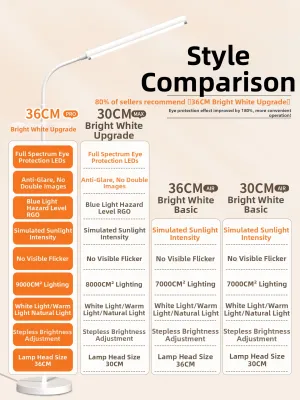
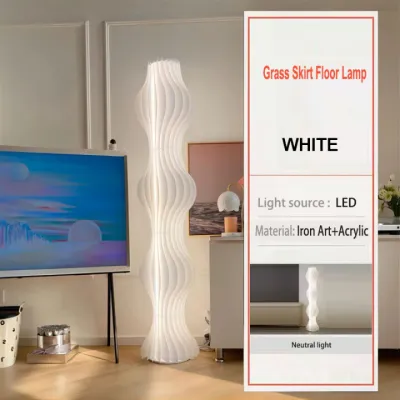
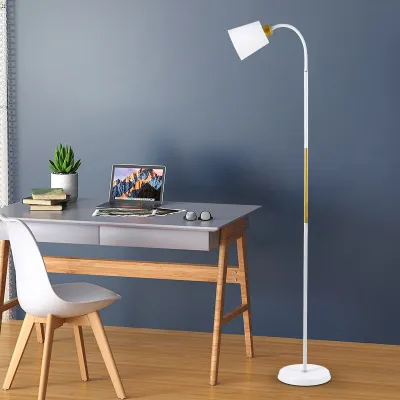
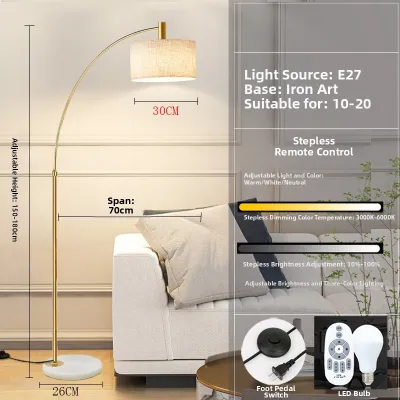
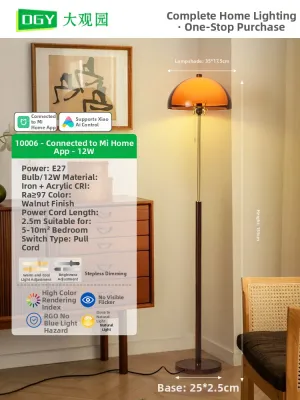
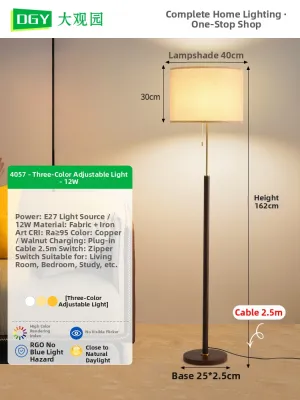
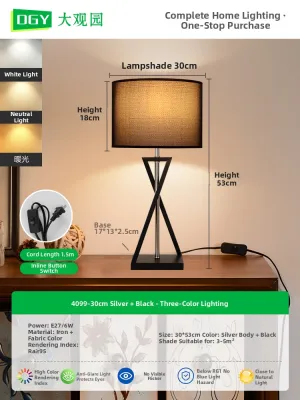
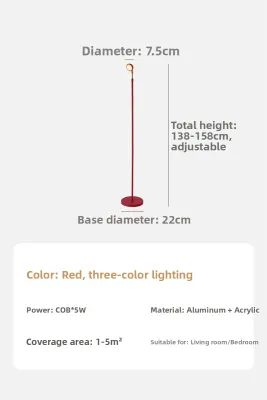
Prices are valid at publication and may change. Please refer to the product page for the latest price.
The design of the lamp shade and bulb enclosure also dictates light quality. Opaque shades made of metal or dense ceramic direct light in a concentrated beam, which is ideal for focused task lighting. Conversely, fabric or paper shades diffuse light outward, creating a softer ambient glow but potentially reducing the sharp focus needed for small print. If you choose an exposed-bulb design, ensure it features a frosted bulb or a built-in diffuser to prevent harsh, direct glare from reflecting off your book pages.
Choosing Adjustability and Physical Design Features
A reading corner is only as comfortable as your ability to control the direction of the light. Fixed floor lamps with straight poles cast light in a single, predetermined area, requiring you to adjust your seating posture to catch the beam. To avoid this discomfort, consider swing-arm or multi-joint designs. These fixtures feature adjustable hinges or flexible goosenecks that let you pull the light source closer to your book or angle it away to reduce screen glare on e-readers.

Control mechanisms also play a significant role in daily usability. Look for floor lights equipped with built-in dimmer switches or stepless dimming features, which allow you to fine-tune the brightness level based on the time of day or the amount of natural light entering the room. If the lamp does not have a built-in dimmer, verify if the fixture is compatible with dimmable LED bulbs or smart bulbs. Some lamps feature touch-sensitive poles or convenient foot switches, which are highly practical when your hands are full with a book or a warm beverage.
Physical stability is a crucial safety and practical consideration, especially in cozy or tight corners. Before purchasing, check the product specifications for the base weight and pole thickness. A top-heavy lamp with a flimsy, lightweight base can easily tip over if bumped by a passing family member or pet. Look for models with heavy, solid metal or stone bases that keep the center of gravity low, ensuring the lamp remains upright even when the adjustable arm is fully extended.
Sizing and Positioning the Lamp for Your Space
Integrating a floor light into your reading nook requires careful measurement to ensure both physical and visual harmony. The height of the lamp shade is particularly important relative to your seated position. Ideally, when you are sitting in your favorite reading chair, the bottom of the lamp shade should be at or slightly below your eye level. This positioning ensures that the bulb remains hidden from your direct line of sight, preventing uncomfortable glare while casting a clear pool of light directly onto your reading material.
You must also calculate the physical footprint of the lamp base and the path of the power cord. In smaller homes or apartments, floor space is at a premium. Measure the available area next to your armchair or sofa to ensure the lamp base fits securely without wobbling on the edge of a rug or crowding your side table. Additionally, check the length of the power cord provided in the product specifications. A cord that is too short may force you to position the lamp in an awkward spot or rely on unsightly extension cords, which can create tripping hazards in high-traffic zones.
Finally, consider the visual weight and finish of the lamp to ensure it complements your existing decor. A bulky, dark industrial lamp might overwhelm a delicate, minimalist reading corner, while a slender brass or matte black fixture can add a touch of elegance without cluttering the space. Matching the lamp’s finish with other metallic or wooden accents in the room helps create a cohesive, intentional design that elevates the entire living space.
Verifying Electrical Compatibility and Safety
Before finalizing your purchase, it is essential to verify that the floor light is fully compatible with your home’s electrical system. In the Philippines, the standard household voltage is 220V at 60Hz. Many imported lamps are designed for 110V systems; using these without a proper transformer can damage the fixture or pose a serious fire hazard. Always check the product label or online specifications to confirm that the lamp is rated for 220V and features a compatible plug type, typically Type A or Type B flat prongs.
Safety also depends on adhering to the maximum wattage limits printed on the lamp’s socket. While modern LED bulbs consume very little power and generate minimal heat, using older incandescent or halogen bulbs that exceed the recommended wattage can melt plastic components, damage internal wiring, and create a fire risk. If you plan to use alternative bulb types, verify the socket’s maximum wattage rating beforehand.
Proper placement and environmental factors must also be managed. High humidity levels, common in tropical climates, can affect electrical components over time. Avoid placing your floor lamp directly beneath open windows where sudden rain showers could expose the electrical connections to moisture. Route the power cord flat along the wall or behind furniture, ensuring it is not pinched under heavy chair legs or placed near heat sources like air conditioning exhaust vents or direct sunlight, which can degrade the cord’s protective insulation.
Frequently Asked Questions (FAQ)
Is a torchiere floor light suitable for a reading corner?
A standard torchiere floor light is designed to direct light upward toward the ceiling, providing diffuse ambient illumination for the entire room rather than focused task lighting. Consequently, a standalone torchiere is generally not suitable for a reading corner because it does not provide enough direct light on your pages. However, some modern torchiere lamps come equipped with a secondary, adjustable reading arm. This dual-source design offers the best of both worlds, allowing you to enjoy soft ambient light while using the flexible lower arm for targeted reading comfort.
How do I prevent glare on my book or e-reader screen?
To minimize distracting reflections, position your floor light slightly behind or to the side of your shoulder rather than directly in front of you. This angle allows the light to fall onto your reading material from behind, preventing the light source from reflecting directly into your eyes. If you are reading on a glossy tablet or e-reader screen, choose a lamp with an adjustable shade so you can tilt the beam downward or slightly away from the screen. Opting for fixtures with matte or opaque inner linings also helps diffuse the light, reducing harsh hotspots.
Can I use any smart bulb in a dimmable floor lamp?
No, you cannot use just any smart bulb in a floor lamp that features a built-in physical dimmer switch. Standard smart bulbs have internal dimming circuitry that can conflict with external physical dimmers, leading to persistent flickering, buzzing noises, or even permanent electrical damage to both the bulb and the lamp. If your floor lamp has a physical dimmer, you must use a compatible dimmable bulb. If you wish to use a smart bulb, it is best to plug the lamp into a standard on/off outlet, keep the lamp’s physical switch turned on, and control the dimming exclusively through the smart bulb’s dedicated app or compatible smart home system.

Community discussion
Share your experience or ask a question. Comments are reviewed before publication.