
Finding the right ceiling lamp for living room spaces in a typical Philippine condominium can be a balancing act. With standard condo ceiling heights often hovering around 2.4 meters, choosing a fixture that provides ample illumination without making the room feel cramped or visually cluttered is essential. Flush mount ceiling lamps offer a practical solution, sitting directly against the ceiling plane to preserve precious headroom while distributing light evenly across your living area. In tropical environments where humidity and ambient heat are constant factors, selecting the right fixture involves more than just picking an attractive design; it requires a careful look at materials, heat dissipation, and installation safety.
By focusing on low-profile designs that blend seamlessly into the ceiling, you can create the illusion of a taller, more open space. This guide will walk you through the essential design features, recommended styles, technical specifications, and safety checks needed to select the ideal flush mount ceiling lamp for your condo living room.
Quick Guide to Selecting Flush Mounts for Low Ceilings
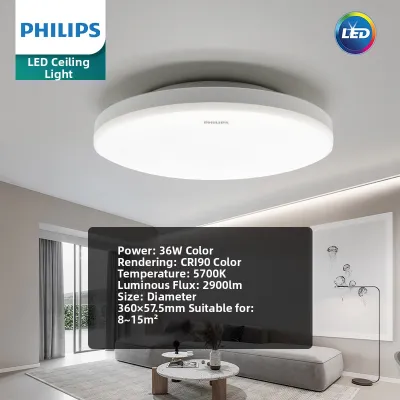
When selecting a ceiling lamp for living room spaces with limited vertical clearance, the physical dimensions of the fixture are your primary consideration. For a standard condo ceiling, look for a flush mount with an ultra-low profile, ideally keeping the total fixture height between 5 and 10 centimeters. This minimal drop ensures that the light source remains well above head height, preserving the visual volume of the room and preventing the fixture from dominating the space.
Products mentioned in this guide
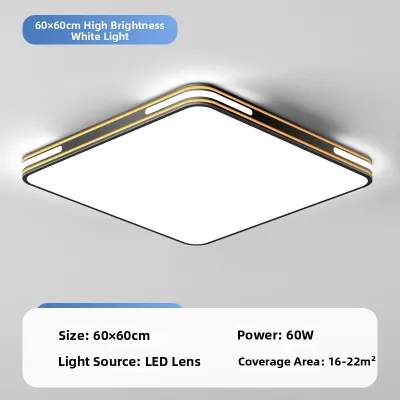
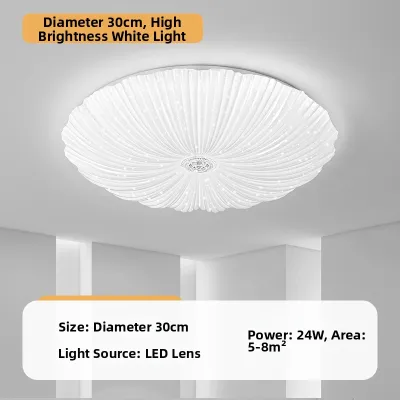
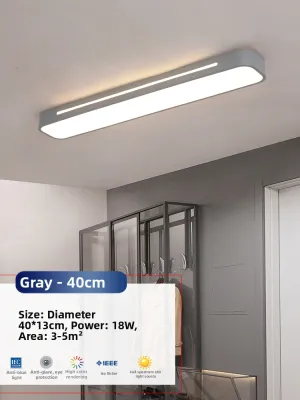
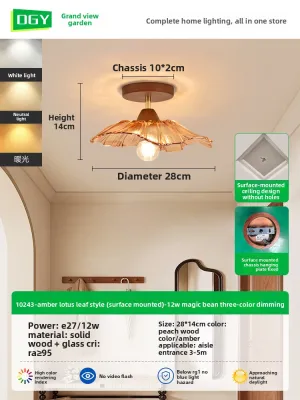
Prices are valid at publication and may change. Please refer to the product page for the latest price.
Equally important is the ratio between the fixture’s diameter and the room’s overall footprint. A fixture that is too small will look lost and fail to provide adequate light, while an oversized unit can make the ceiling feel like it is pressing down on the room. For a typical condo living area of 12 to 18 square meters, a fixture diameter of 30 to 45 centimeters generally provides a balanced aesthetic. This size allows for a wide light-emitting surface that spreads illumination across a broader area.
Even light distribution is critical in compact living spaces to avoid harsh shadows and the dreaded “cave effect,” where the ceiling remains dark while the floor is brightly lit. Opt for fixtures with wide-angle diffusers that cast light outward as well as downward. This bounces light off the upper walls and ceiling plane, visually expanding the boundaries of the room and making the entire living area feel brighter and more inviting.
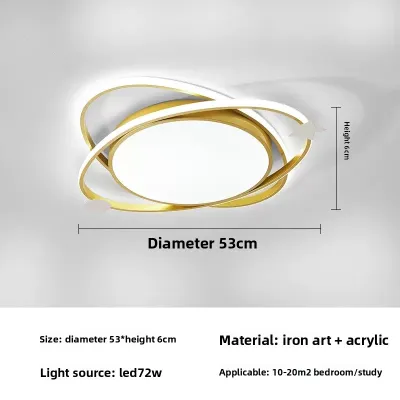
Before purchasing, consider the trade-offs between decorative statement pieces and functional ambient lighting. While a highly ornate flush mount with crystal accents or layered metal rings can serve as a beautiful focal point, it may also attract too much visual attention downward, emphasizing the low ceiling. Minimalist, flat-panel designs, on the other hand, prioritize maximum clearance and clean lines, blending into the background to let your furniture and decor take center stage.
Key Design Features for Low-Ceiling Condo Living Rooms
To make an informed decision, it helps to understand how specific design elements affect both the physical clearance and the optical perception of space in your living room. The profile of the fixture is the most direct factor influencing headroom. An ultra-slim design that sits tight against the ceiling surface minimizes the physical intrusion into your living space. This is particularly important in high-traffic areas of the living room, such as walkways or near tall storage units, where a hanging fixture would pose a physical obstacle.

The choice of diffuser material plays a major role in how light is dispersed and how comfortable the room feels to inhabit. Frosted glass diffusers offer a classic, elegant look and are highly resistant to discoloration over time, but they add significant weight to the fixture and can be fragile during installation. Acrylic (PMMA) diffusers are lightweight, highly durable, and offer excellent light transmission with minimal glare, making them a highly practical choice for modern condos. Fabric shades provide a soft, textured aesthetic that diffuses light beautifully, but they can trap dust and moisture more easily in humid tropical climates, requiring more frequent maintenance to keep them looking fresh.
Color temperature and the Color Rendering Index (CRI) are crucial for setting the right mood in a multi-purpose condo living room. For a welcoming and cozy atmosphere, look for light sources in the warm white (2700K to 3000K) or neutral white (4000K) range. Neutral white is often preferred in modern condos because it mimics natural daylight, making small spaces feel cleaner, larger, and more energetic during the day, while still remaining comfortable at night. Ensure the light source has a CRI of 80 or higher, which guarantees that the colors of your furniture, artwork, and decor appear natural and vibrant under artificial light.
Heat dissipation is another critical design feature that is often overlooked. In the warm climate of the Philippines, electronic components inside LED fixtures can degrade quickly if heat is trapped. Look for flush mounts engineered with aluminum backplates or dedicated heat sinks that draw warmth away from the LEDs and driver. Proper thermal management not only extends the lifespan of the fixture but also ensures consistent brightness and color accuracy over years of daily use.
Recommended Flush Mount Styles for Condo Spaces
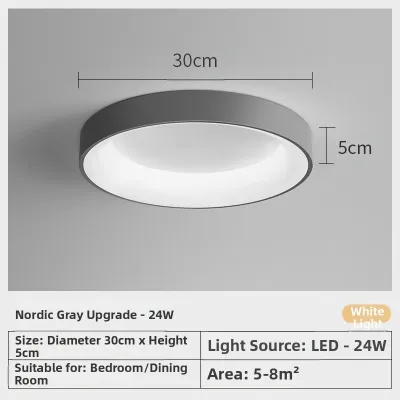
Modern drum and cylinder flush mounts are excellent choices for general ambient lighting in contemporary condo interiors. These fixtures feature a simple, circular band—often made of metal, wood veneer, or high-quality synthetic materials—enclosing a flat diffuser. The clean, geometric shape provides a structured look that complements modern furniture layouts. Because they distribute light evenly in all directions, drum mounts are highly effective at illuminating the entire living room without creating dark corners.
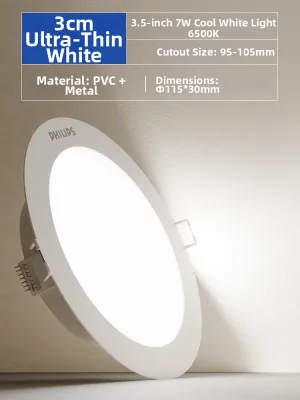
For ultra-low ceilings where maximizing vertical clearance is the absolute priority, minimalist geometric and LED panel flush mounts are highly suitable. These fixtures are incredibly thin, often measuring less than 3 centimeters in thickness. They sit almost flush with the drywall or concrete ceiling, mimicking the look of recessed downlights without requiring the deep ceiling cavities that recessed cans demand. Available in square, rectangular, or circular profiles, these sleek panels offer a clean, architectural look that aligns perfectly with minimalist, industrial, or Scandinavian design themes.
If your condo living room serves multiple purposes—such as a home office during the day, a dining area in the evening, and a relaxation space at night—consider flush mounts with integrated dimming or smart features. These fixtures allow you to adjust both the brightness and the color temperature via a remote control, a wall switch, or a mobile application. You can set a bright, cool light for focused work or household chores, and then transition to a soft, warm glow for movie nights or entertaining guests, all without needing to install complex wall-dimmer wiring.
Technical Specifications and Safety Checks
Before purchasing any ceiling lamp for living room installation, you must verify its electrical and structural compatibility with your condo’s existing infrastructure. The standard electrical supply in the Philippines is 220V at 60Hz. Ensure that any fixture you buy is rated for this voltage range. Using a fixture designed strictly for 110V systems without a proper transformer will damage the internal LED driver and pose a serious fire hazard. Look for local safety certifications, such as the Philippine Standard (PS) mark or the Import Commodity Clearance (ICC) sticker, to ensure the product meets national safety standards.
Weight limits and mounting hardware require careful inspection, especially when installing fixtures on concrete slab ceilings, which are standard in most Philippine high-rise condominiums. Heavy glass, crystal, or solid metal flush mounts require robust anchoring. Never rely on standard plastic wall plugs designed for drywall when mounting a heavy fixture to solid concrete. Instead, use appropriate masonry anchors or concrete screws that can securely support the weight of the fixture over time. Always check the manufacturer’s specifications for the exact weight of the lamp and ensure your mounting hardware is rated to handle it.
If you plan to use a dimmable flush mount, you must confirm the compatibility between the fixture’s LED driver and your wall dimmer switch. Standard incandescent dimmers often cause LED lights to flicker, buzz, or fail prematurely. Dimmable LED fixtures typically require a compatible trailing-edge (electronic low-voltage) dimmer switch. Alternatively, choosing a fixture with an integrated wireless dimming system bypasses the need for specialized wall switches entirely, as the dimming circuitry is built directly into the lamp and controlled via a dedicated remote or smart device.
Safety must always be your top priority during installation. Before attempting to remove an old fixture or install a new one, isolate the power supply by turning off the corresponding circuit breaker at your home’s main electrical panel. Do not rely solely on the wall switch to cut the power. If the installation involves drilling into a concrete ceiling slab, be aware of embedded electrical conduits or structural rebar. If you are uncomfortable working with electrical wiring, drilling into concrete, or working at heights, always hire a licensed professional electrician to complete the installation safely.
How to Build Your Shortlist on Online Retailers
Shopping for lighting fixtures on e-commerce platforms and online marketplaces offers a wide variety of choices, but it requires a strategic approach to avoid buying unsuitable products. Start by using precise search terms to filter out irrelevant options. Instead of searching for broad categories, use specific phrases like “ultra-slim LED ceiling lamp for living room,” “low profile flush mount light,” or “surface mount ceiling panel.” This helps isolate true flush mount designs from pendant lights, chandeliers, or semi-flush fixtures that require more vertical clearance than your condo allows.
Never rely solely on product images, as promotional photos are frequently digitally edited and can make a fixture appear much larger or smaller than it actually is. Always scroll down to the product description and locate the technical dimension diagram. Verify the exact height and diameter of the fixture in centimeters or millimeters. Compare these measurements against your ceiling height and the layout of your living room to ensure the lamp will fit comfortably and leave adequate clearance for doors, tall cabinets, and daily movement.
Evaluate the credibility of the seller and the product by reading customer reviews carefully, focusing on those that include real photos and videos of the installed product. Look for feedback from buyers in the Philippines who mention how the fixture performs in local conditions, how easy it was to mount on a concrete ceiling, and whether the light output matches the advertised brightness. Check the seller’s rating, response rate, and return policies. A reputable seller should offer a clear warranty period—ideally at least one year—and provide responsive customer support to assist you if the fixture arrives damaged or fails shortly after installation.
Frequently Asked Questions (FAQ)
Can I install a flush mount ceiling lamp on a concrete condo ceiling?
Yes, you can install a flush mount ceiling lamp on a concrete condo ceiling, but the process requires specialized tools compared to installing on drywall. Because concrete is dense and rigid, you cannot use standard wood screws or simple plastic drywall anchors. You will need a rotary hammer drill equipped with a masonry drill bit to create precise holes in the concrete slab. Once the holes are drilled, you must use dedicated concrete anchors or metal sleeve expansion bolts to secure the fixture’s mounting bracket.
When drilling into a condo ceiling, exercise extreme caution to avoid hitting embedded electrical conduits or structural steel rebar. It is highly recommended to consult your condominium’s property management office or fit-out guidelines before drilling, as some buildings have strict rules regarding the depth and location of holes allowed in structural slabs. If you do not have the necessary tools or experience, hiring a professional electrician is the safest way to ensure a secure and compliant installation.
How do I clean a flush mount light with an acrylic or glass diffuser?
To clean your flush mount ceiling lamp safely, always begin by turning off the power at the wall switch and allowing the light bulbs or integrated LEDs to cool down completely. Working on a warm fixture can cause glass diffusers to crack due to temperature changes and poses an electrical safety risk. Carefully remove the diffuser or cover according to the manufacturer’s instructions, ensuring you have a stable ladder or step stool and a secure grip on the fixture.
For routine dust and insect removal, wipe both the interior and exterior surfaces of the diffuser with a dry, clean microfiber cloth. If the diffuser has accumulated stubborn grime or grease—which is common in open-concept condo layouts where the kitchen is close to the living area—wash it gently in warm water mixed with a few drops of mild, non-abrasive dish soap. Avoid using harsh chemical solvents, alcohol, or abrasive scrubbing pads, especially on acrylic diffusers, as these can scratch, cloud, or yellow the material. Dry the diffuser completely with a soft towel before reattaching it to the fixture base.
What is the difference between flush mount and semi-flush mount lights?
The primary difference between these two styles lies in how close the fixture sits to the ceiling surface. A flush mount ceiling lamp is designed to mount directly against the ceiling with no visible gap between the fixture body and the ceiling plane. This design maximizes vertical clearance, making it the ideal choice for low ceilings where every centimeter of headroom is valuable. It provides a clean, integrated look but concentrates its light output downward and outward.
A semi-flush mount light hangs down slightly, suspended by a short stem, rod, or collar that creates a gap of roughly 5 to 15 centimeters between the ceiling and the top of the fixture. This gap allows light to escape upward, reflecting off the ceiling surface to create a soft, ambient glow that can make a room feel more spacious. While semi-flush mounts offer excellent light distribution and a more decorative silhouette, they reduce overall headroom. If your condo ceiling is under 2.4 meters, a true flush mount is generally preferred to prevent the fixture from interfering with tall residents or high furniture.

Community discussion
Share your experience or ask a question. Comments are reviewed before publication.